ARTE
BELLEZA Y BIENESTAR
ARTESANÍA
CULTURA E HISTORIA
ENTRETENIMIENTO
MEDIO AMBIENTE
COMIDA Y BEBIDAS
INGENIERÍA INVERSA
CIENCIAS
DEPORTES
TECNOLOGÍA
TECNOLOGÍA VESTIBLE
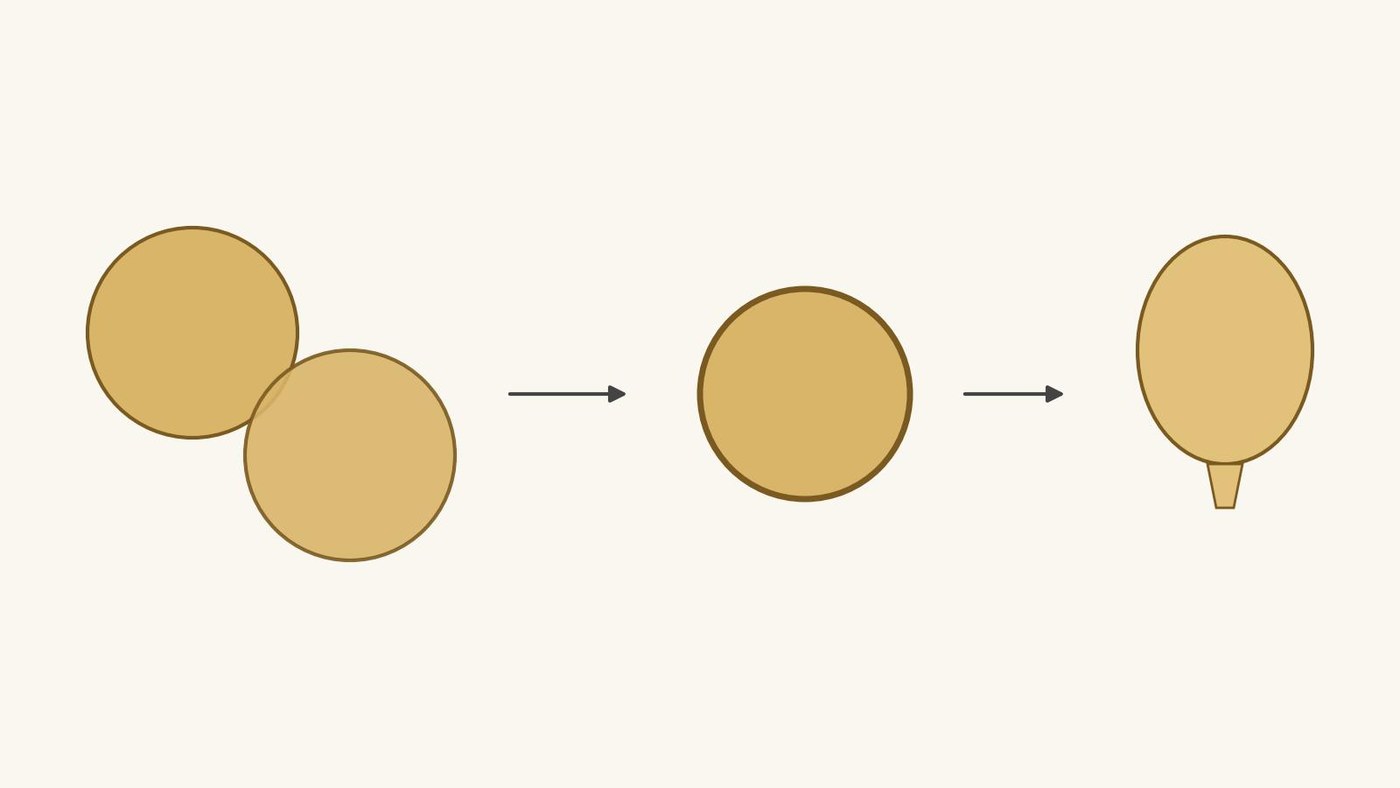


Rubber Balloons: Two Circles of Natural Rubber Sheet Pressed Together at the Edge
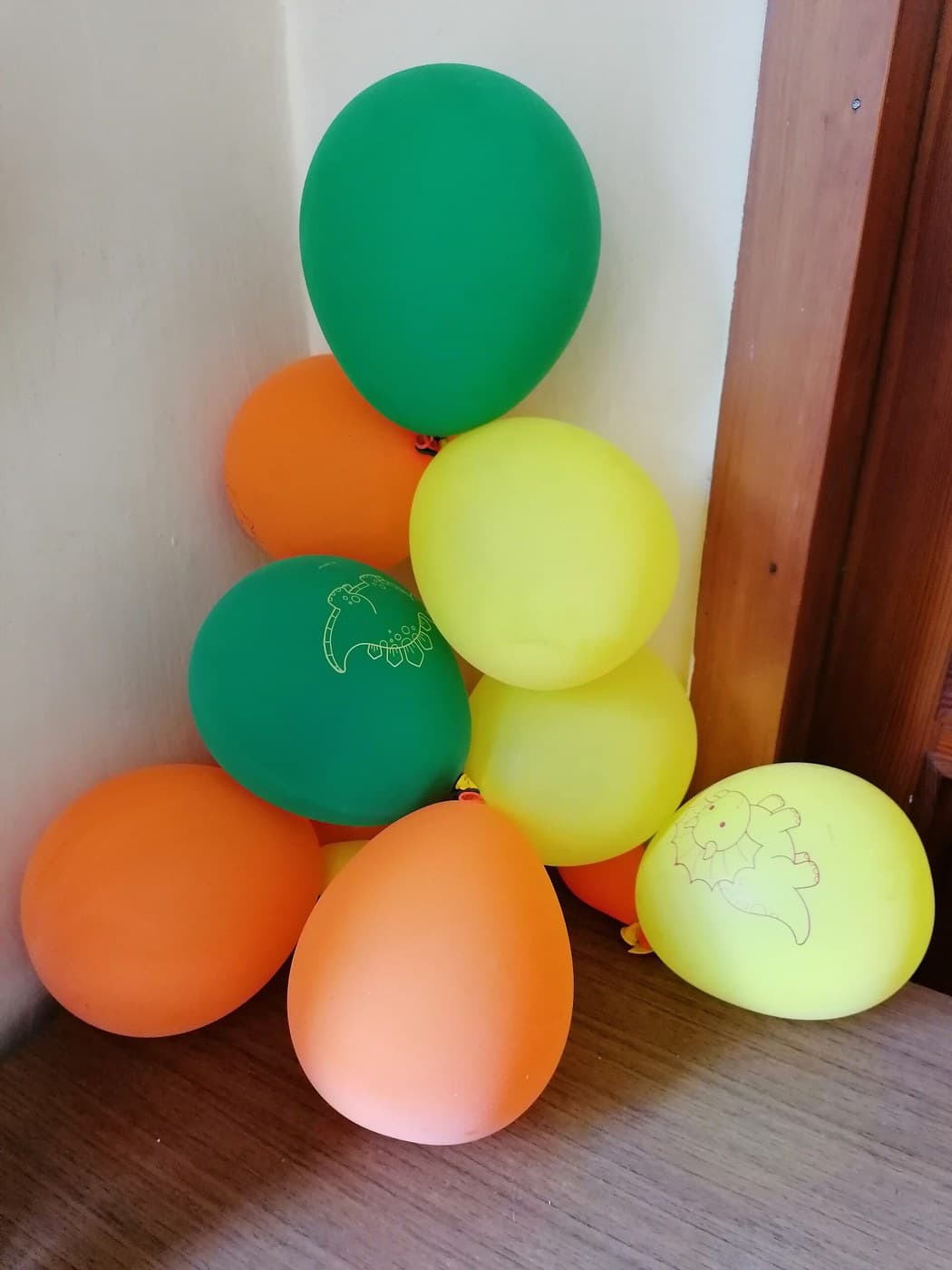
Michael Faraday made the first rubber balloon in 1824, and by 1825 Thomas Hancock sold them as two rubber circles to be joined by pressing their edges together. Cut two circles with a neck tab from thin natural rubber sheet, dust the inner faces, and press the fresh-cut edges hard together.
The picture: our diagram, two circles joined into a balloon.
Principiante
Half an hour
Instrucciones
1
1
Cut the circles
Cut the circles
Draw a paper circle with a short neck tab, lay it on thin rubber sheet and cut two matching pieces.
Materiales para este paso:
 Plancha de caucho natural0.05 m2
Herramientas necesarias:
 Papel
 Lápiz
 Tijeras
2
2
Dust the insides
Dust the insides
Dust the inner face of each piece lightly with talc, keeping it off the outer edge.
Herramientas necesarias:
 Talco
3
3
Join the edges
Join the edges
Lay the two pieces together and press and rub the fresh-cut edges hard all round, leaving the neck open.
Herramientas necesarias:
Tijeras4
4
Test
Test
Blow gently into the neck and listen for leaks; press any leaking edge again.
Herramientas necesarias:
Talco5
5
Circle size
Circle size
Cargando el cuaderno de Jupyter…
Materiales
1- 0.05 m2Marcador de posición
Este plano hace
Blueprints relacionados
Estos blueprints comparten conocimiento — técnicas, materiales o principios


CC0 Dominio público
Este Blueprint se publica bajo CC0. Eres libre de copiar, modificar, distribuir y usar este trabajo para cualquier propósito, sin pedir permiso.
Apoya al Maker comprando productos a través de su Blueprint, donde gana una Comisión del Maker establecida por los vendedores, o crea una nueva iteración de este Blueprint e inclúyela como conexión en tu propio Blueprint para compartir ingresos.