ARTE
BELLEZA Y BIENESTAR
ARTESANÍA
CULTURA E HISTORIA
ENTRETENIMIENTO
MEDIO AMBIENTE
COMIDA Y BEBIDAS
INGENIERÍA INVERSA
CIENCIAS
DEPORTES
TECNOLOGÍA
TECNOLOGÍA VESTIBLE
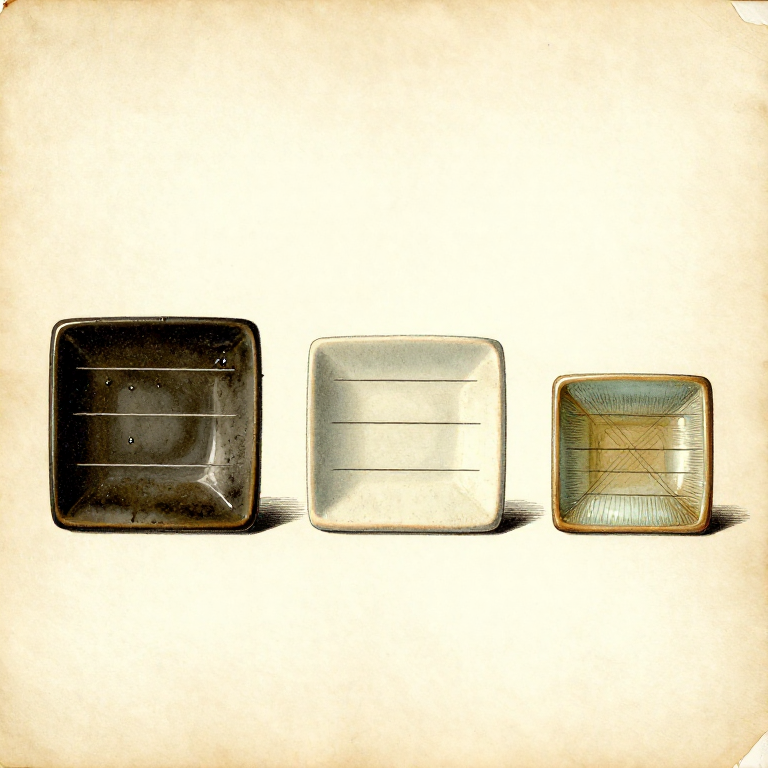
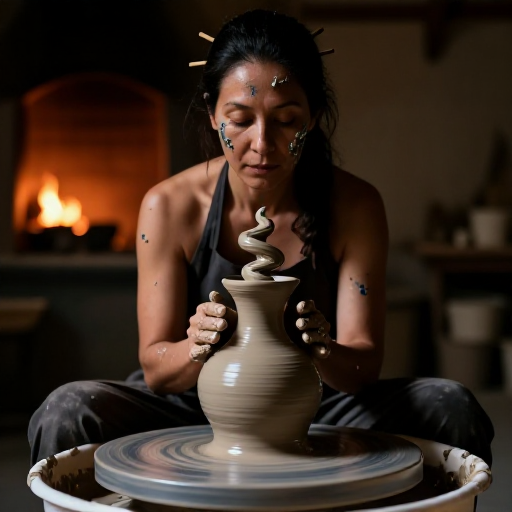

The States of Clay: Five Conditions, and What Each One Will Let You Do
Clay is not one material. It passes through five distinct conditions on its way to being a pot, and each one allows some operations and forbids others — so almost every question in pottery begins with "what state is it in?"
SLIP is liquid, for joining and decorating. PLASTIC is workable, for forming. LEATHER-HARD holds its shape but can still be cut, for trimming and handles. BONE DRY is brittle and can only be fired. FIRED is permanent and nothing can be undone.
The transitions are one-way in the sense that matters: the first four can be reversed with water, and the fifth cannot be reversed at all. Everything before the kiln is recoverable, and that is worth knowing while learning.
Principiante
3 hours
Instrucciones
1
1
What each state is for
What each state is for
PLASTIC clay takes a shape and holds it. Throwing, pinching, coiling and slab building all happen here, and so does joining — the clay is wet enough that two pieces scored and slipped together actually knit.
LEATHER-HARD is the state people underuse. It is firm enough to pick up and turn over, soft enough to carve, trim and cut cleanly. Handles are attached here, feet are trimmed here, and carved decoration is done here because it does not smear.
BONE DRY is pale, cool to the touch, and extremely fragile. Nothing can be done except sponging the sharpest edges and loading the kiln. Clay that still feels COLD against your cheek is not bone dry, however dry it looks — and firing it wet is the other way pots explode.
Materiales para este paso:
 Arcilla2 kg
 Agua1 litro
Herramientas necesarias:
 Juego de herramientas de alfarero
 Costilla de alfarero de madera
 Esponja
2
2
Shrinkage: how much smaller it gets, and when
Shrinkage: how much smaller it gets, and when
Cargando el cuaderno de Jupyter…
Materiales para este paso:
Arcilla1 kg Arcilla de loza1 kg
Herramientas necesarias:
 Regla
 Calibre digital de 6 pulgadas
 Ordenador de sobremesaJuego de herramientas de alfarero
3
3
Slow the drying down, and slow the edges down most
Slow the drying down, and slow the edges down most
A pot dries from the outside in and from the rim down, because those parts are most exposed. Thin rims, handles and feet dry first, shrink first, and are held back by the wetter body they are attached to — which is exactly how cracks start.
So cover the work loosely with plastic and let it dry SLOWLY and evenly. A day or two under plastic, then a day in the open, beats a morning in a draught every time.
Cover the parts that would otherwise race ahead. A strip of plastic over just the rim, or over the handles, lets the thick body catch up — which is the same principle as the thin-bits-burn-first problem in the forge.
Materiales para este paso:
Arcilla1 kgHerramientas necesarias:
 Lona de trabajo para alfareríaEsponja
4
4
Joining: score, slip, and only while plastic
Joining: score, slip, and only while plastic
Two pieces of clay join properly only when both are the same state and wet enough for their particles to interlock. Score both faces with cross-hatching, wet them with slip made from the SAME clay body, press together and work the seam.
Slip from a different body is a common and avoidable mistake: two bodies shrink by different amounts, so the joint is pulling itself apart from the moment it dries.
A handle attached to a leather-hard pot is the classic failure. The pot has done most of its drying shrinkage and the handle has not, so the handle shrinks onto a body that cannot move and cracks at the join. Attach at the same state, or bring the handle back to match.
Materiales para este paso:
Arcilla1 kgAgua1 litroHerramientas necesarias:
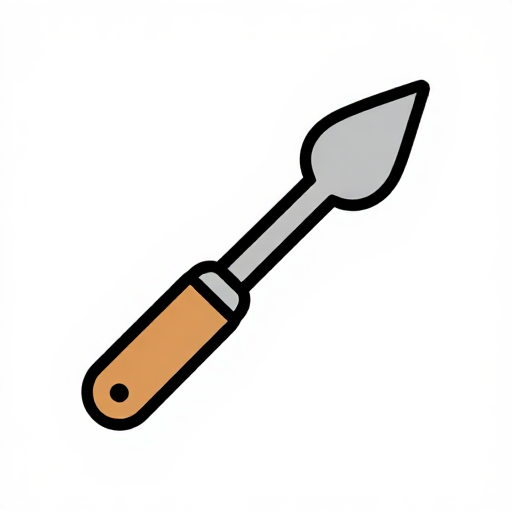 Herramienta para rayar arcillaJuego de herramientas de alfareroEsponja
Materiales
3- 5 kgMarcador de posición
- 2 litrosMarcador de posición
- 1 kgMarcador de posición
Herramientas requeridas
8- Marcador de posición
- Marcador de posición
- Marcador de posición
- Marcador de posición
- Marcador de posición
- Marcador de posición
- Marcador de posición
- Marcador de posición
Blueprints relacionados
Estos blueprints comparten conocimiento — técnicas, materiales o principios
CC0 Dominio público
Este Blueprint se publica bajo CC0. Eres libre de copiar, modificar, distribuir y usar este trabajo para cualquier propósito, sin pedir permiso.
Apoya al Maker comprando productos a través de su Blueprint, donde gana una Comisión del Maker establecida por los vendedores, o crea una nueva iteración de este Blueprint e inclúyela como conexión en tu propio Blueprint para compartir ingresos.