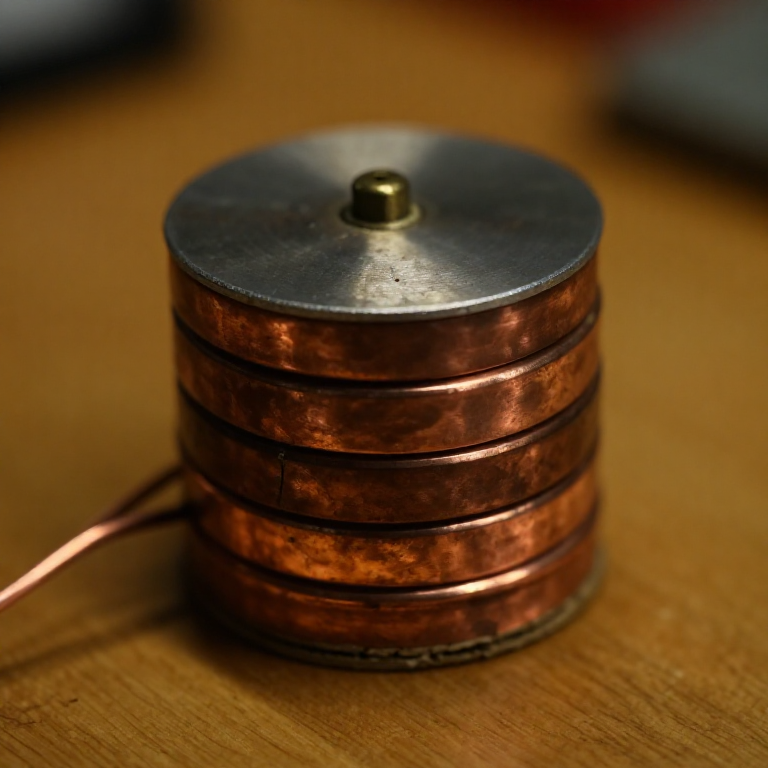


Building a Voltaic Pile — The First Battery and the Birth of Steady Electricity
Until 1800, electricity was a party trick: a spark you could store briefly in a jar and discharge in an instant. Then Alessandro Volta stacked discs of two metals and wet cardboard into a pile and produced something entirely new — a steady, continuous electric current that flowed for as long as you wanted. It was the first battery, and it opened the electrical age.
The principle is beautifully simple. Put two different metals, like zinc and copper, in a salty or acidic liquid and a voltage appears between them. One such pair is feeble, but stack many in a column — zinc, wet disc, copper, zinc, wet disc, copper — and their voltages add up into a useful current. The zinc slowly dissolves, pushing electrons out through a wire to the copper, while the brine carries the charge inside the pile.
With a voltaic pile, scientists could finally do chemistry and physics with electricity on tap. Within a few years it had been used to split water into hydrogen and oxygen, isolate new elements, and reveal the link between electricity and magnetism — the discoveries that led on to the telegraph, electroplating, the dynamo, and everything electrical that followed.
Instrucciones
Understand the principle
Understand the principle
Cut the metal discs
Cut the metal discs
Materiales para este paso:
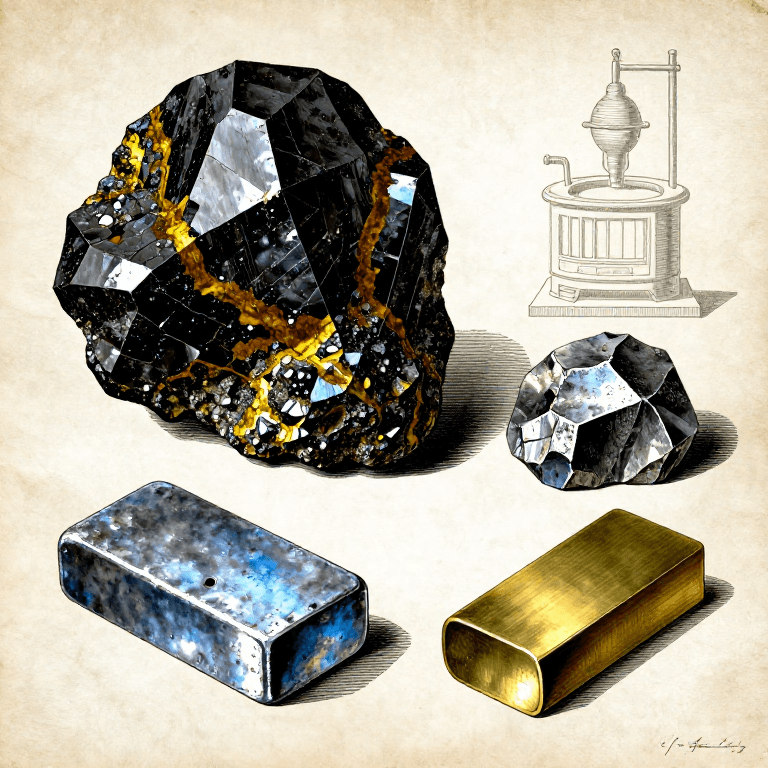
 Chapa de cinc1 hoja
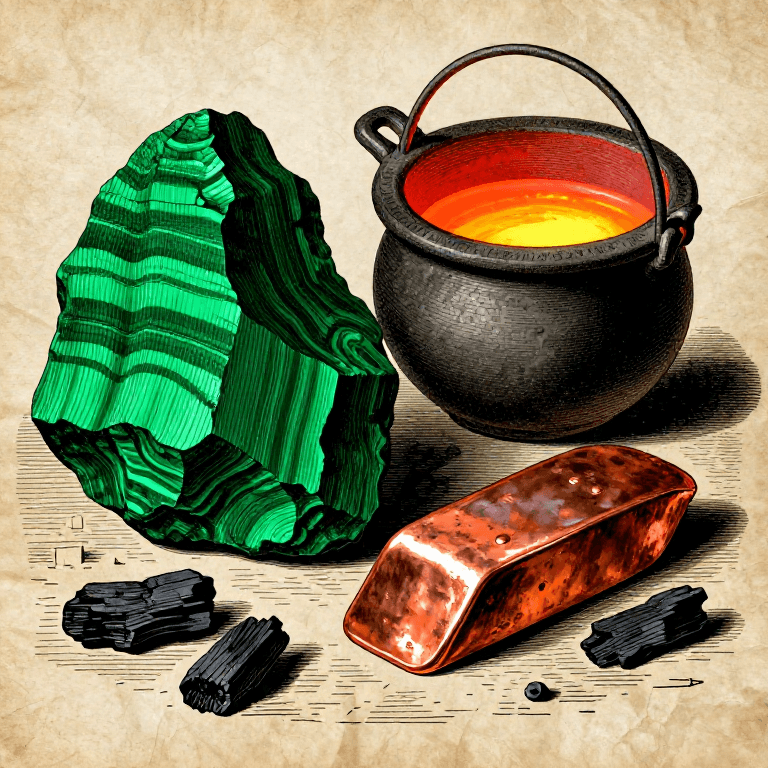
 Lámina de cobre1 hoja
Herramientas necesarias:
 Tijeras de chapa
Cut and soak the separators
Cut and soak the separators
Materiales para este paso:
 Caja de cartón ondulado1 hoja
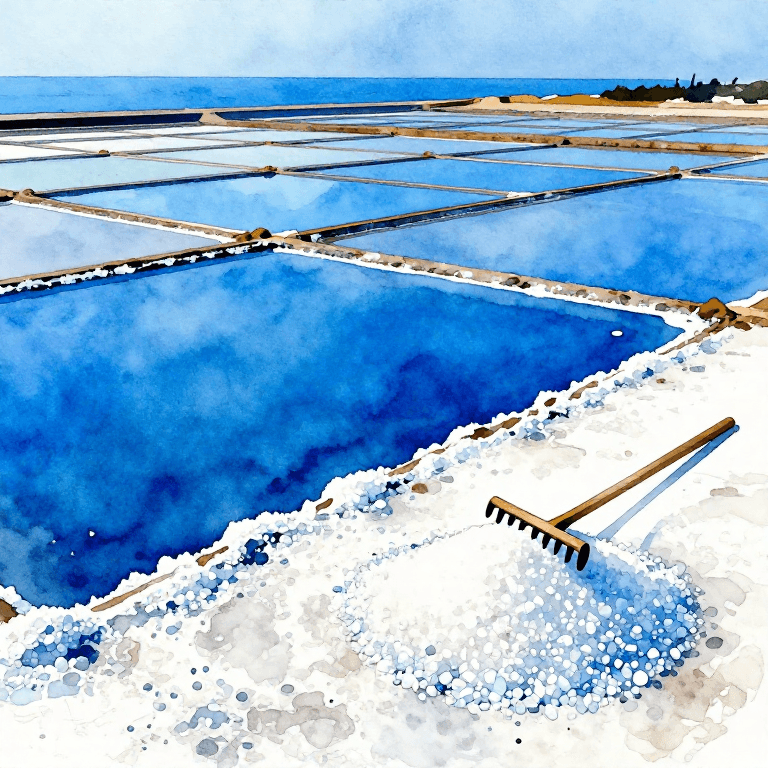
 Sal de mesa30 g
 Agua1 litro
Build the first cell
Build the first cell
Stack the pile
Stack the pile
Keep the order consistent
Keep the order consistent
Attach the leads
Attach the leads
Materiales para este paso:
 Alambre de cobre1 metro
Test for current
Test for current
Herramientas necesarias:
 Brújula
Follow the chemistry
Follow the chemistry
Keep it running
Keep it running
Tune voltage and current
Tune voltage and current
Appreciate what it unlocked
Appreciate what it unlocked
Materiales
6- 1 hojaMarcador de posición
- 1 hojaMarcador de posición
- 1 hojaMarcador de posición
- 30 gMarcador de posición
- 1 litroMarcador de posición
- 1 metroMarcador de posición
Materiales de Blueprints conectados

Este plano hace
Blueprints relacionados
Estos blueprints comparten conocimiento — técnicas, materiales o principios
CC0 Dominio público
Este Blueprint se publica bajo CC0. Eres libre de copiar, modificar, distribuir y usar este trabajo para cualquier propósito, sin pedir permiso.
Apoya al Maker comprando productos a través de su Blueprint, donde gana una Comisión del Maker establecida por los vendedores, o crea una nueva iteración de este Blueprint e inclúyela como conexión en tu propio Blueprint para compartir ingresos.