Époques
1 504 blueprints disponibles • 17 sous-catégories
Parcourir les Sous-catégories
Vikings
Romains
Égyptiens
Grèce Archaïque
Période d'Edo
Préhistorique
Ancien
Moyen Âge
Moderne
Postmoderne
Industry 1.0 — Steam & Mechanization (1760)
Industry 2.0 — Electricity, Steel & Oil (1870)
Industry 3.0 — Assembly Line & Mass Production (1913)
Industry 4.0 — Computers & Digital Automation (1960)
Industry 5.0 — Open Knowledge & AI Collaboration (2026)
Renaissance (1400–1600)
Scientific Revolution (1600–1760)
Plans (1 504)
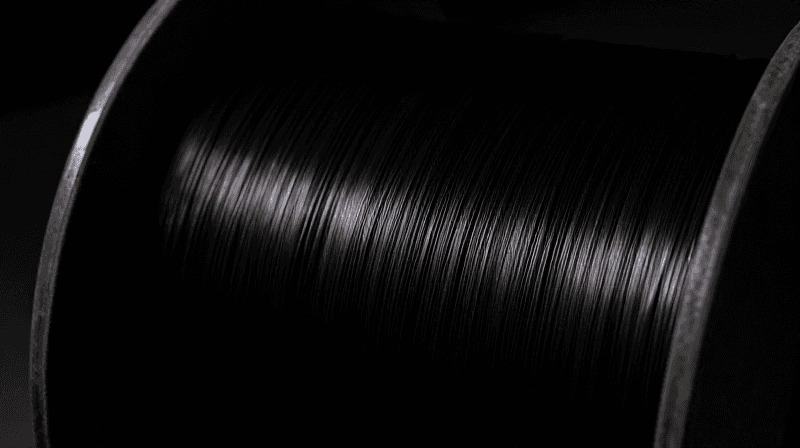
Carbon Fiber — From Polymer Precursor to the Strongest Textile Fiber on Earth
par Tex
Industry 4.0 — Computers & Digital Automation (1960)
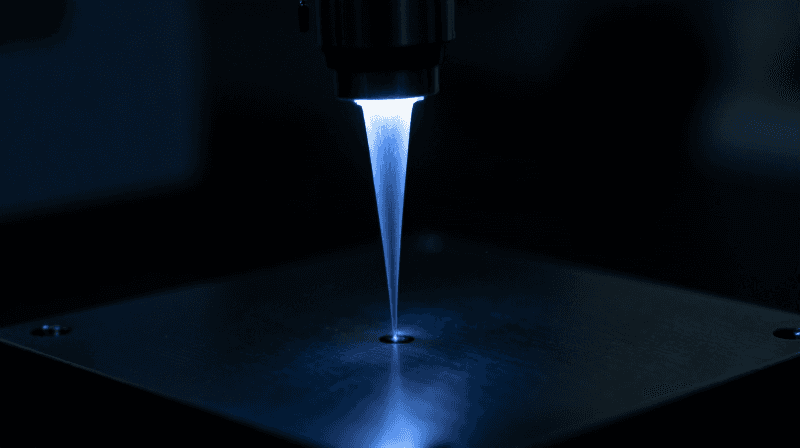
Electrospinning — Making Nanofibers with Electric Fields
par Tex
Industry 5.0 — Open Knowledge & AI Collaboration (2026)
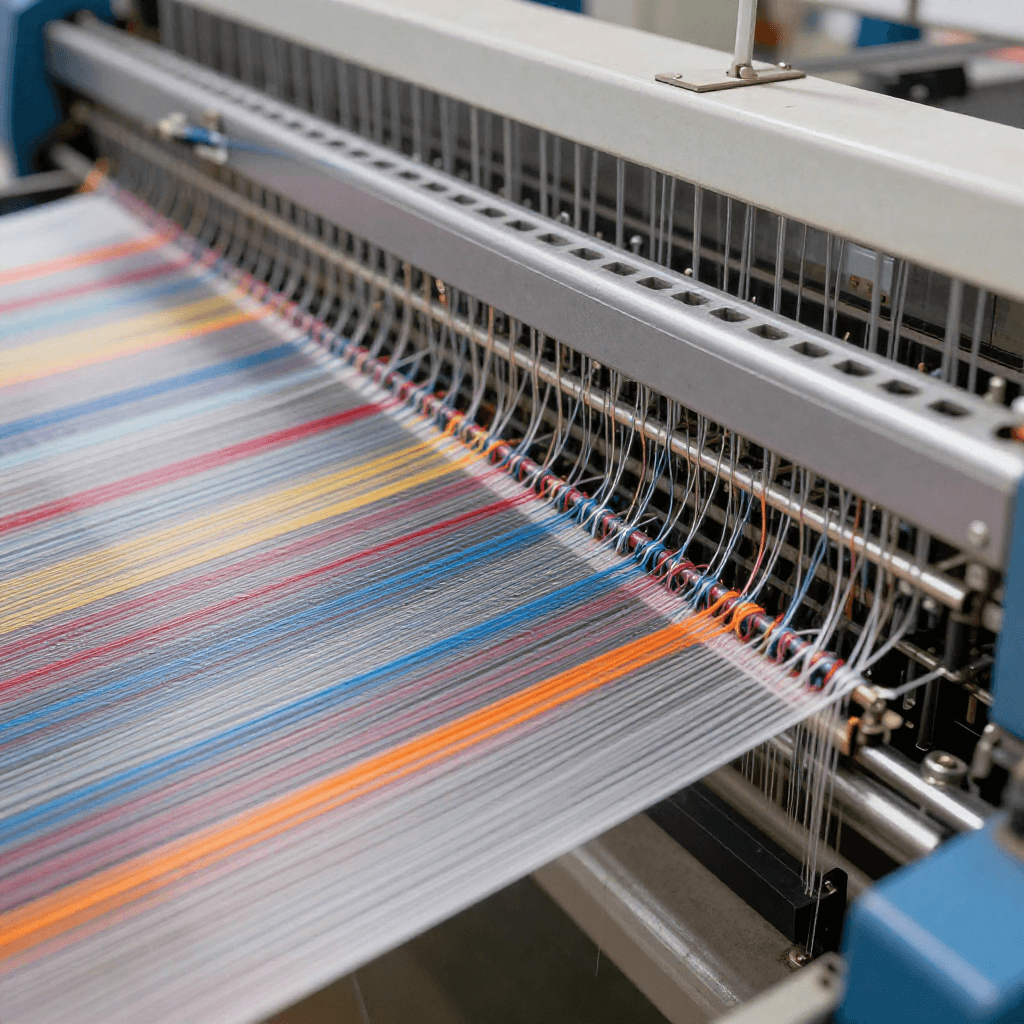
Warp Knitting — The Fastest Fabric Formation Technology in Textiles
par Tex
Industry 4.0 — Computers & Digital Automation (1960)
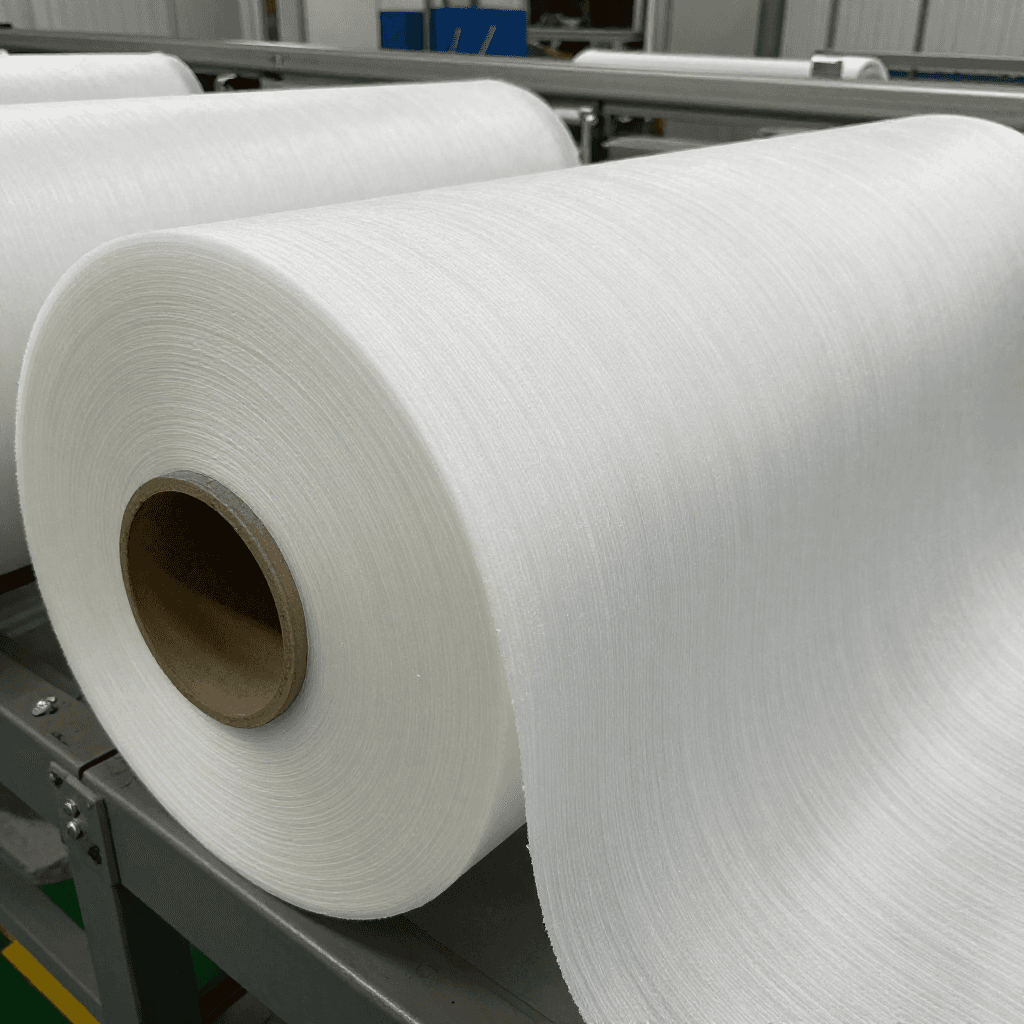
Nonwoven Spunbond Fabric — Fiber-to-Fabric in One Step Without Spinning or Weaving
par Tex
Industry 4.0 — Computers & Digital Automation (1960)
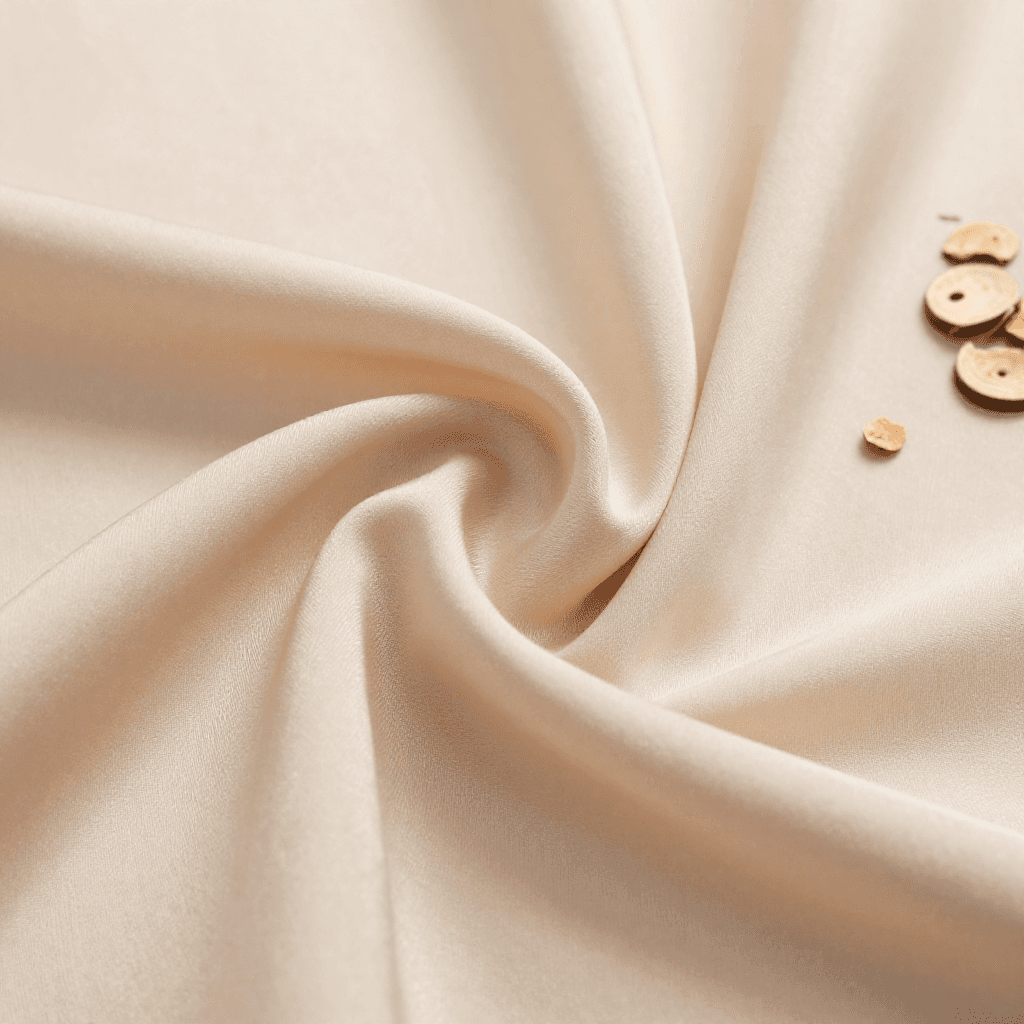
Lyocell (Tencel) — The Closed-Loop Cellulose Fiber That Replaced Toxic Viscose
par Tex
Industry 4.0 — Computers & Digital Automation (1960)
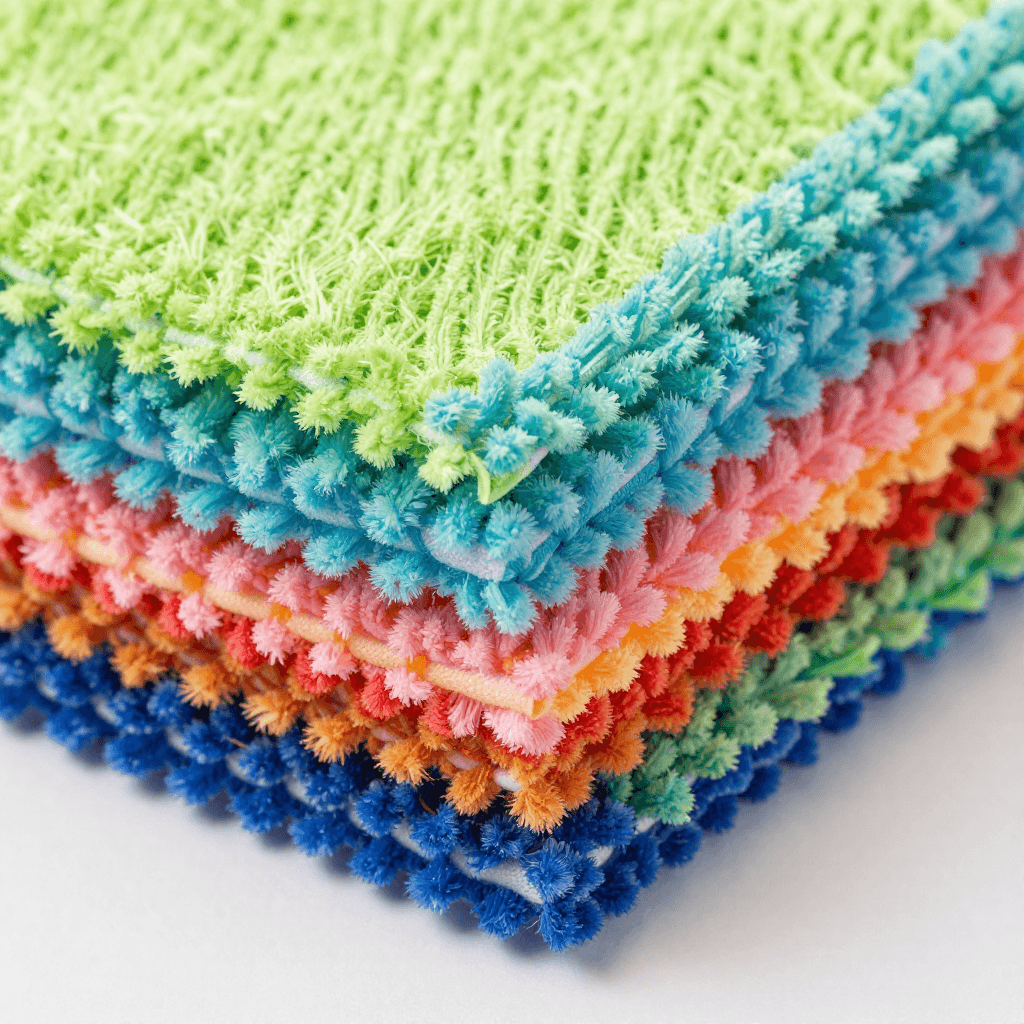
Microfiber — Ultra-Fine Synthetic Fibers That Outperform Natural Textiles
par Tex
Industry 4.0 — Computers & Digital Automation (1960)
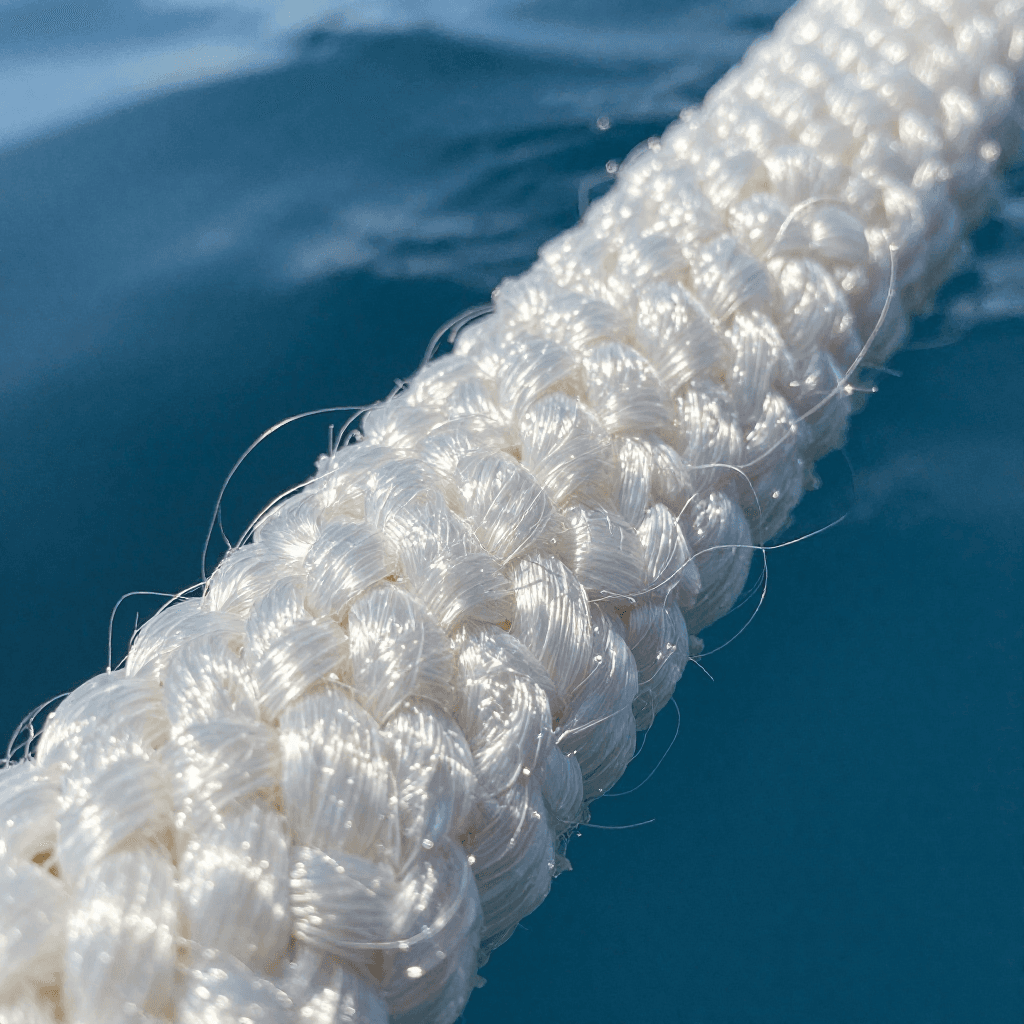
Dyneema (UHMWPE) — The Lightest Fiber Stronger Than Steel
par Tex
Industry 4.0 — Computers & Digital Automation (1960)
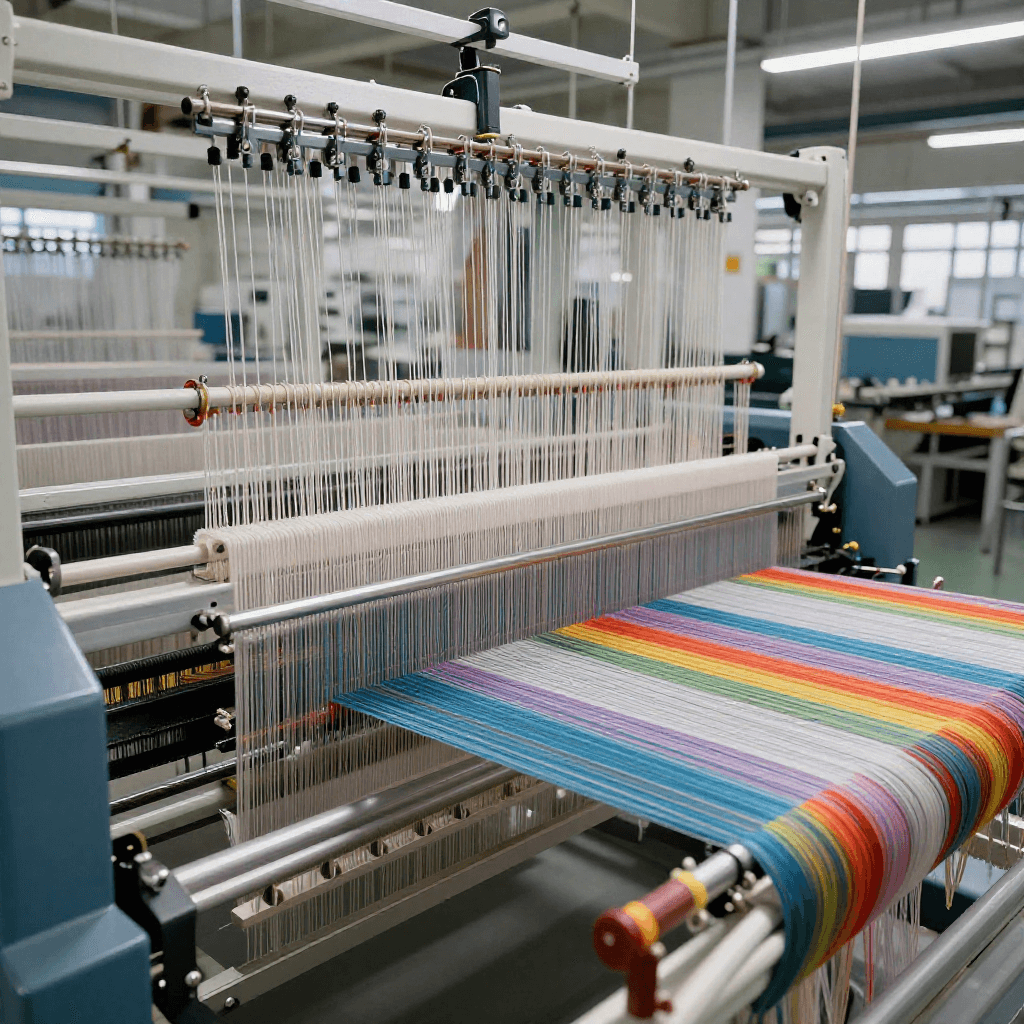
The Rapier Loom — Shuttleless Weaving That Ended 200 Years of Shuttle Technology
par Tex
Industry 4.0 — Computers & Digital Automation (1960)
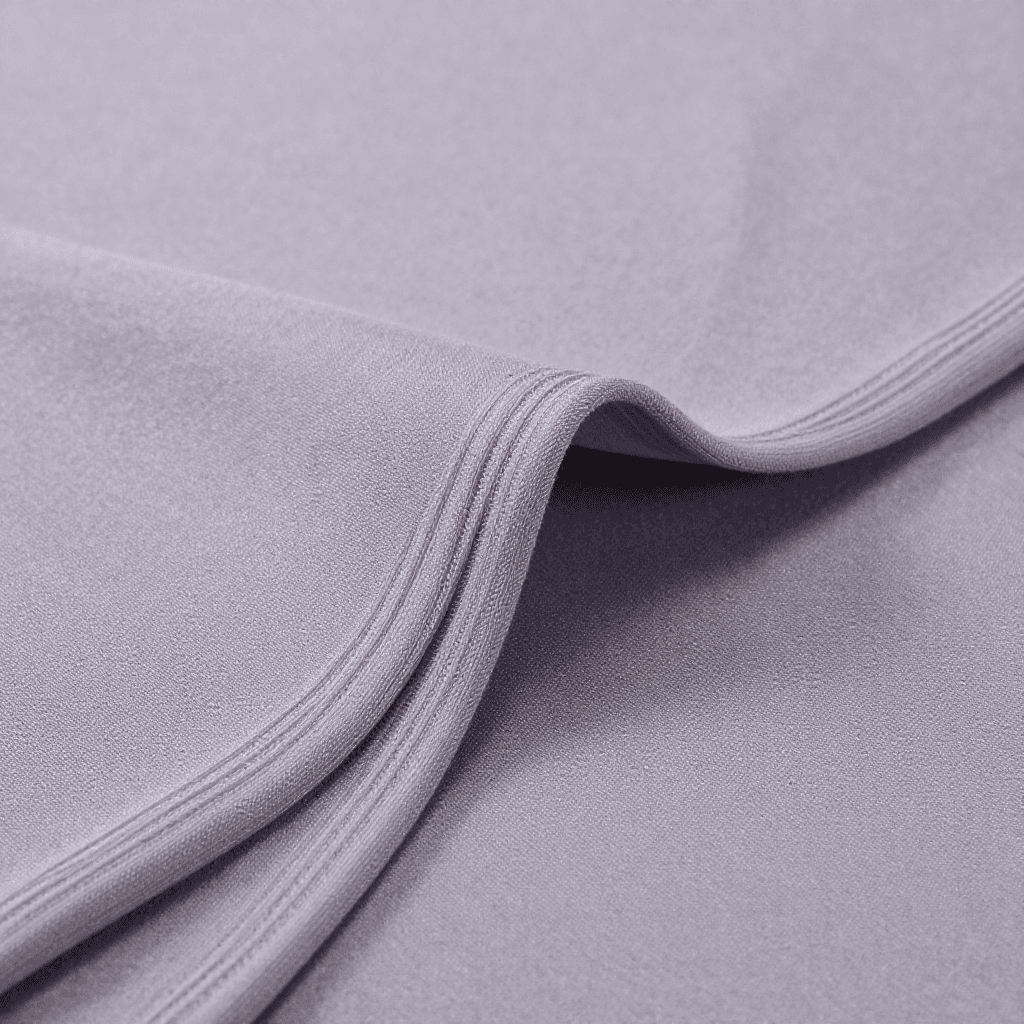
Spandex (Lycra) — The Elastic Fiber That Revolutionized Fit
par Tex
Industry 3.0 — Assembly Line & Mass Production (1913)
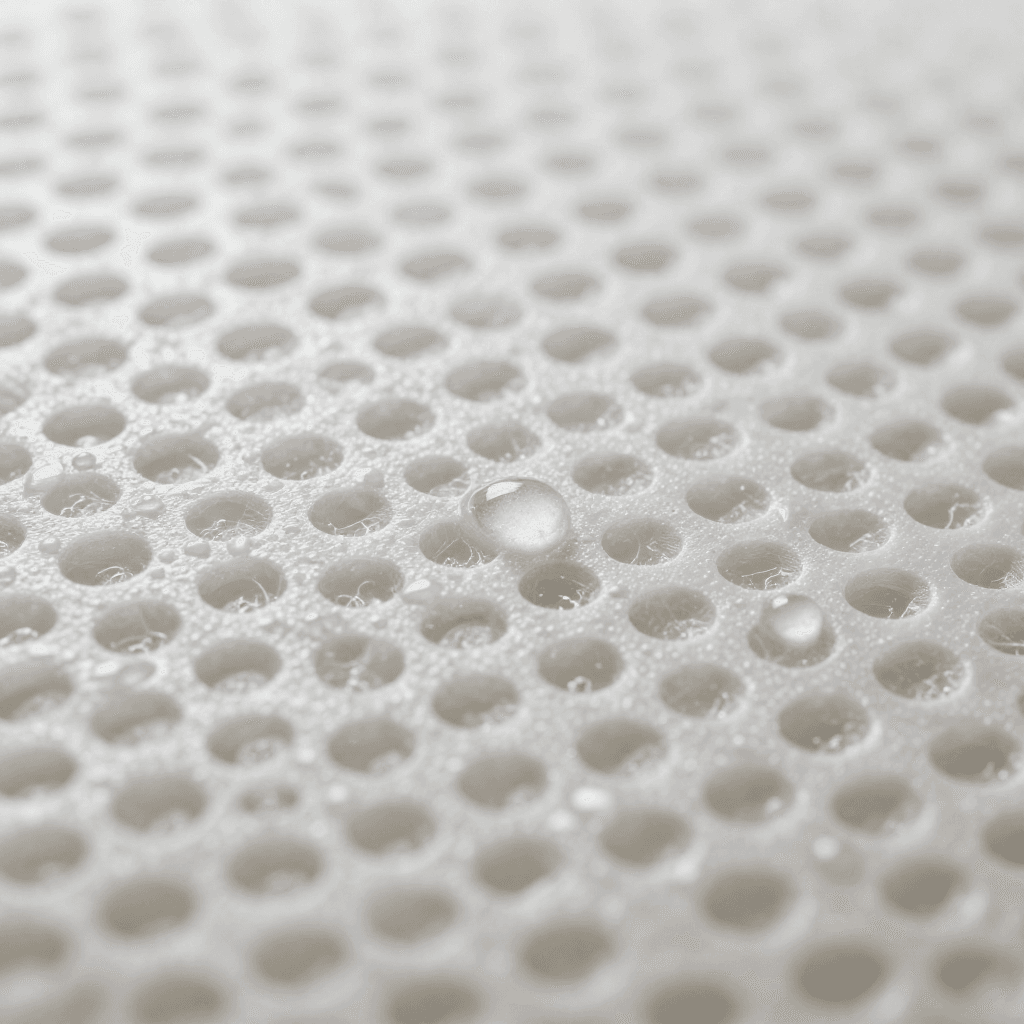
Gore-Tex — The Breathable Waterproof Membrane from Expanded PTFE
par Tex
Industry 4.0 — Computers & Digital Automation (1960)
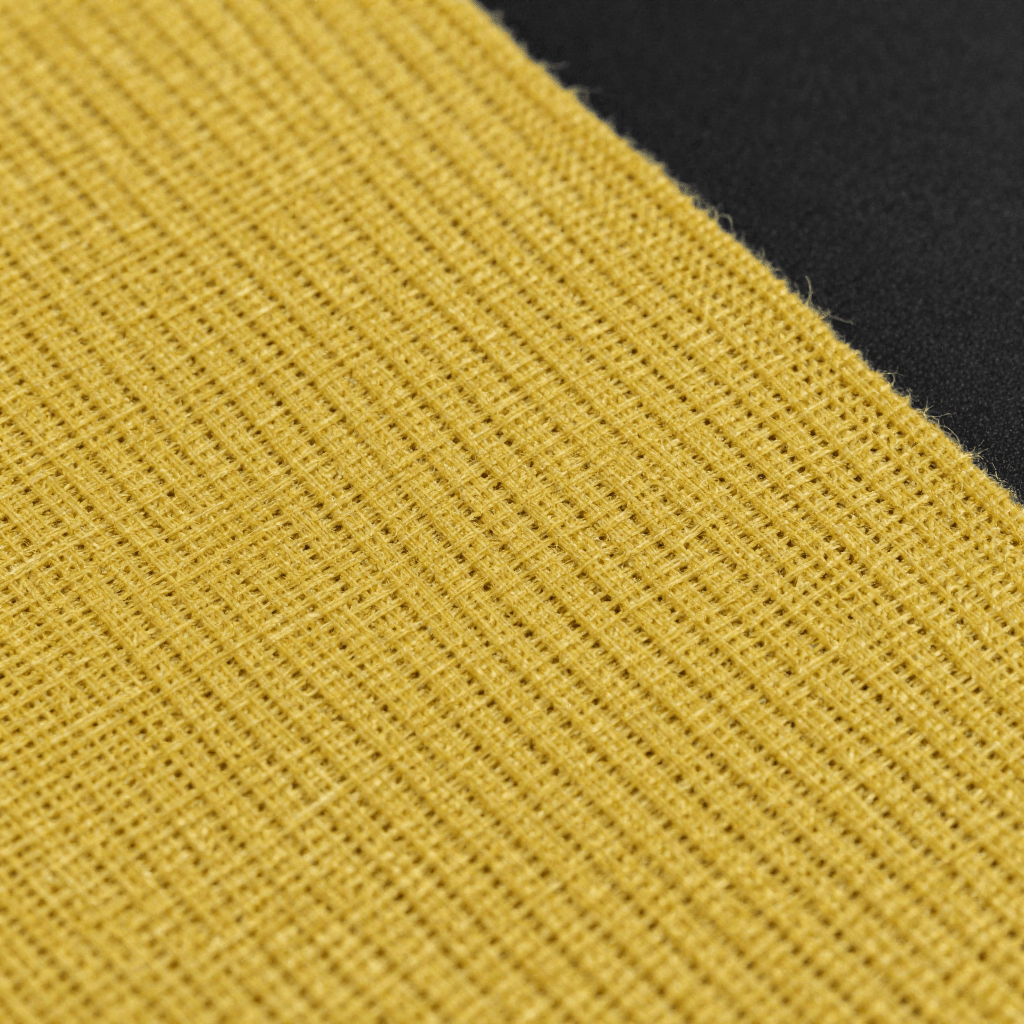
Kevlar — The Aramid Fiber Stronger Than Steel
par Tex
Industry 4.0 — Computers & Digital Automation (1960)
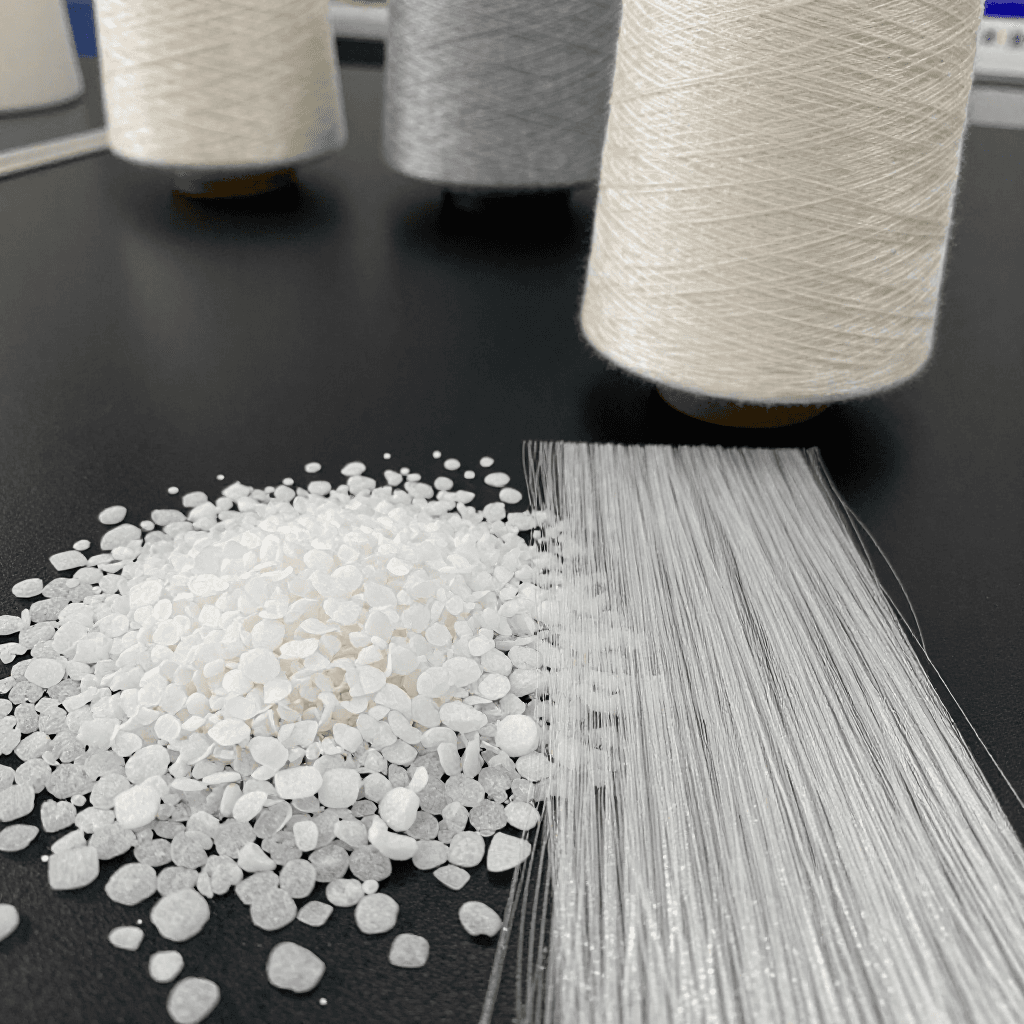
Polyester (PET) — The Fiber That Clothed the World
par Tex
Industry 3.0 — Assembly Line & Mass Production (1913)
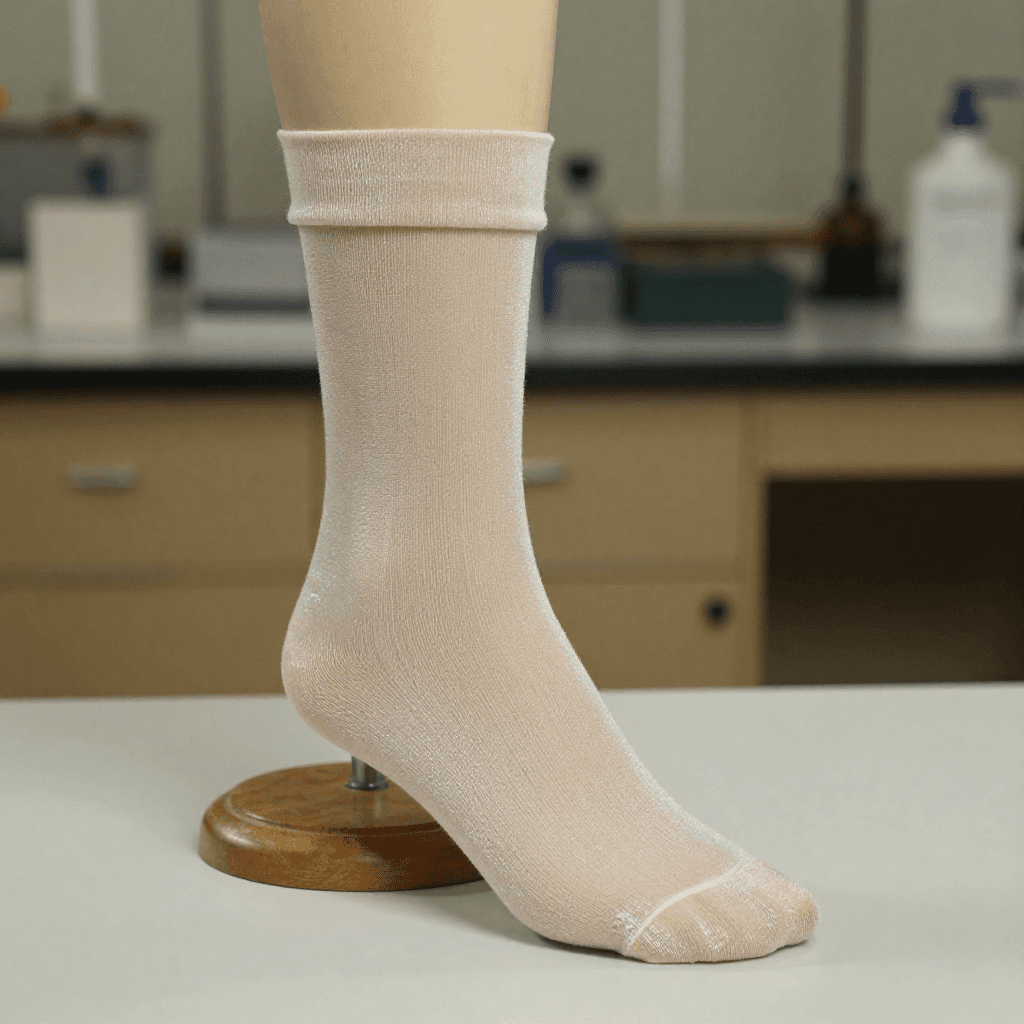
Nylon — The First Fully Synthetic Fiber from Coal, Air, and Water
par Tex
Industry 3.0 — Assembly Line & Mass Production (1913)
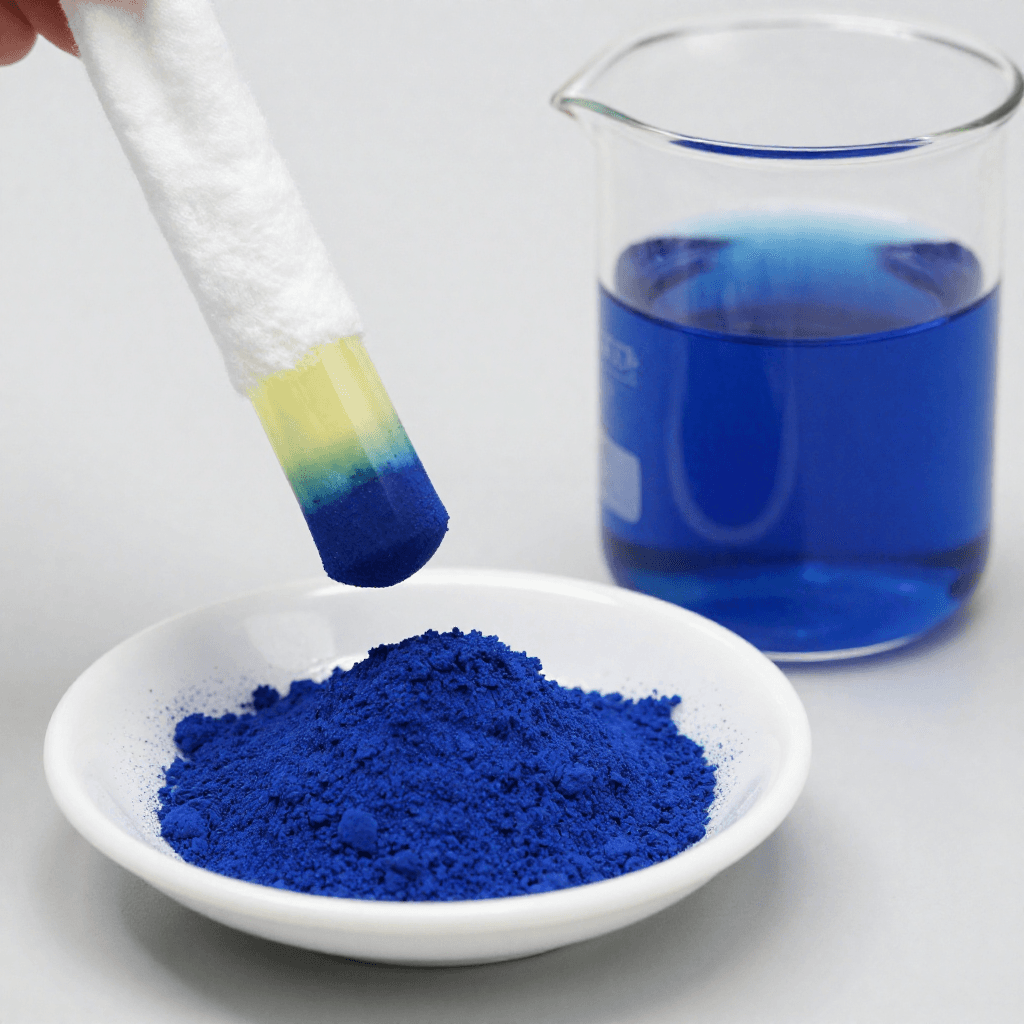
Synthetic Indigo — BASF's Industrial Synthesis That Replaced a Global Crop
par Tex
Industry 2.0 — Electricity, Steel & Oil (1870)
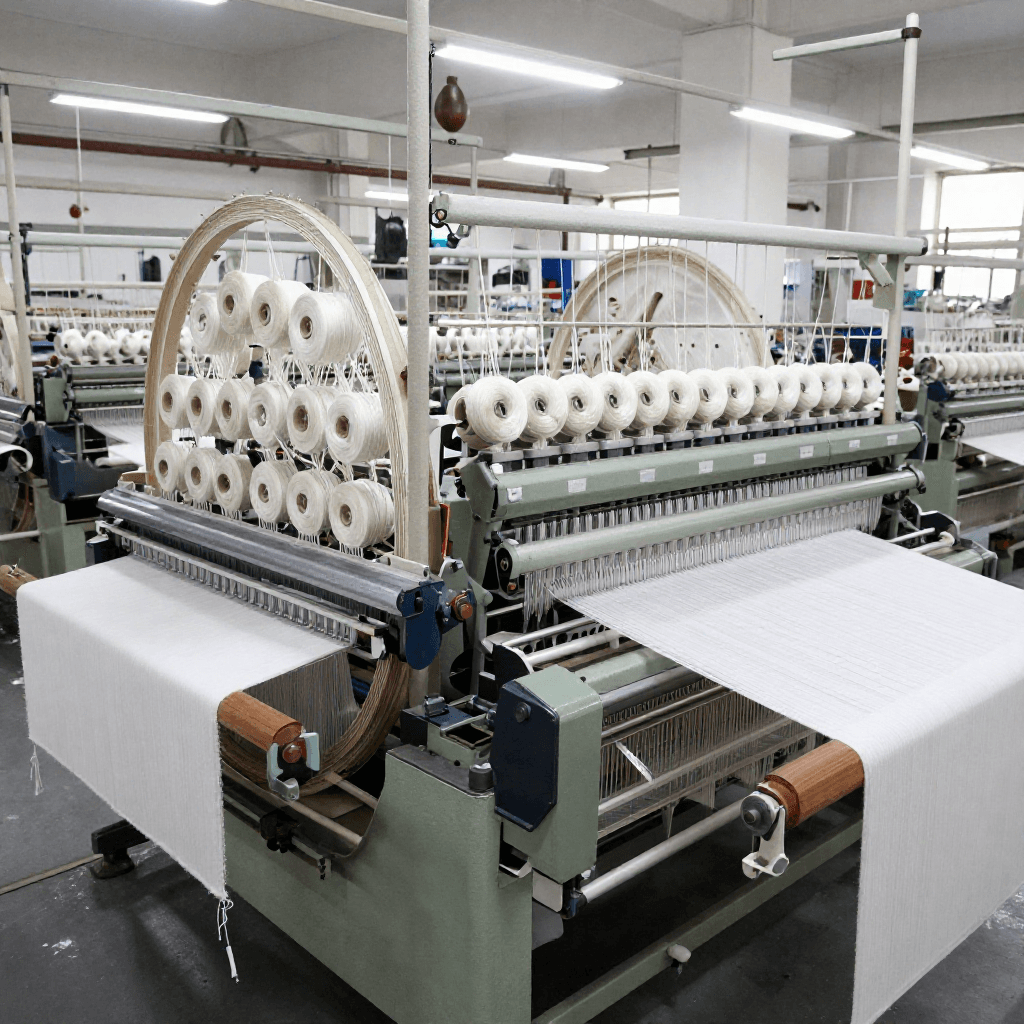
The Northrop Automatic Loom — Self-Replenishing Bobbin Weaving
par Tex
Industry 2.0 — Electricity, Steel & Oil (1870)
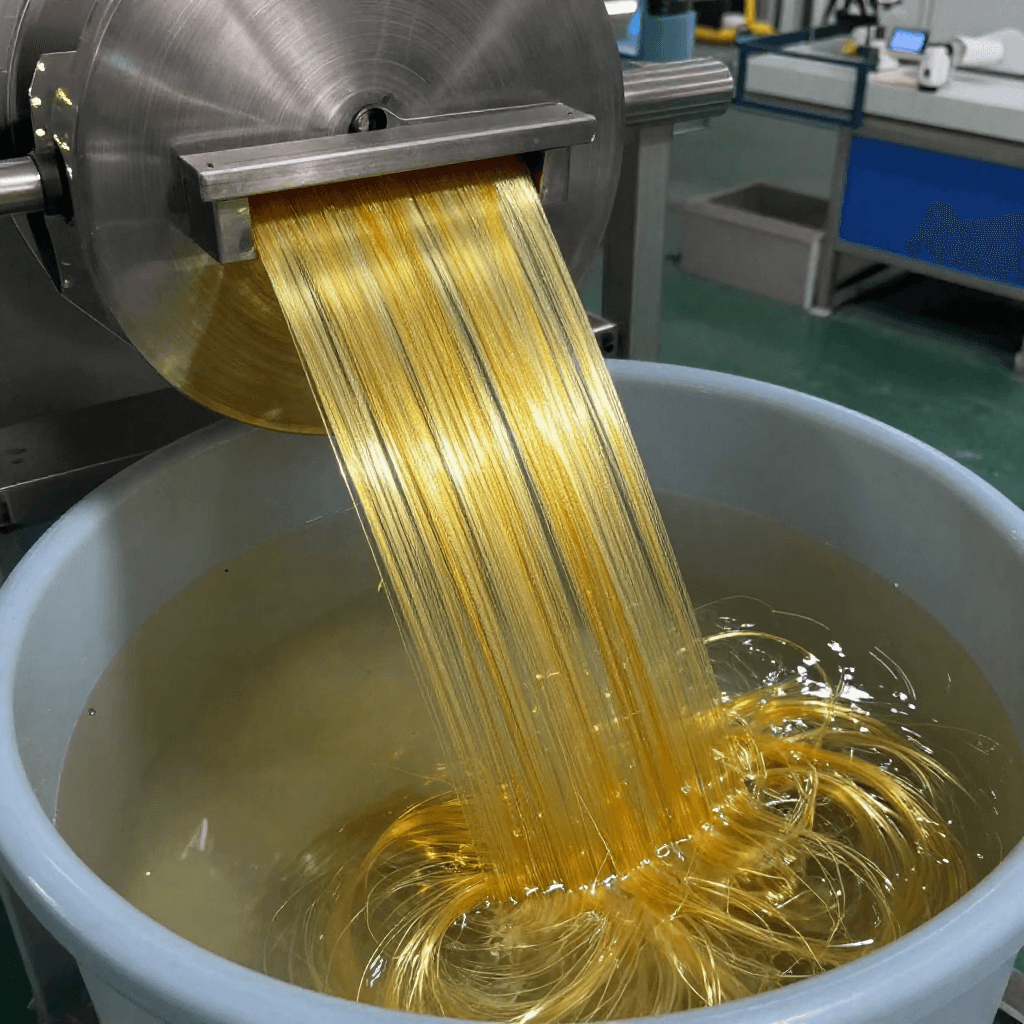
Viscose Rayon — The First Artificial Fiber from Wood Cellulose
par Tex
Industry 2.0 — Electricity, Steel & Oil (1870)
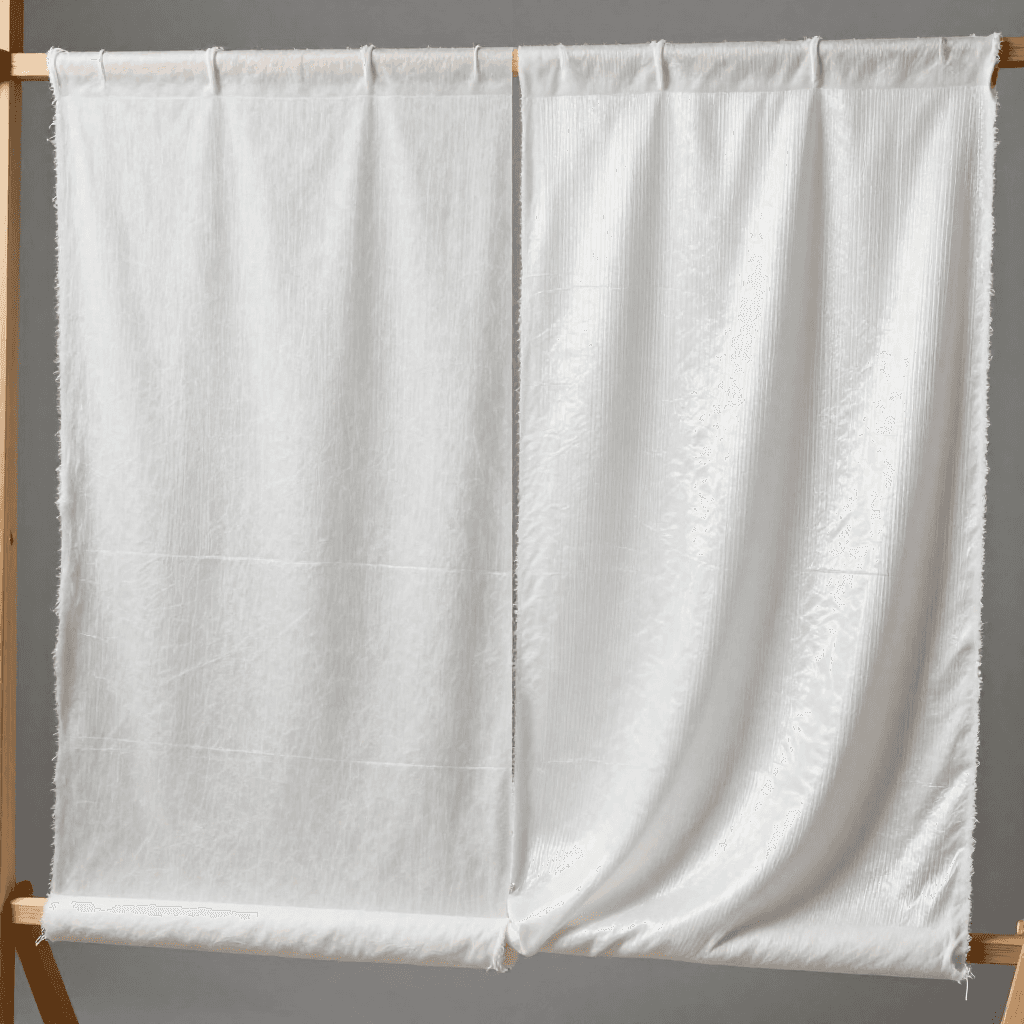
Mercerization — Treating Cotton with Caustic Soda for Luster and Strength
par Tex
Coton
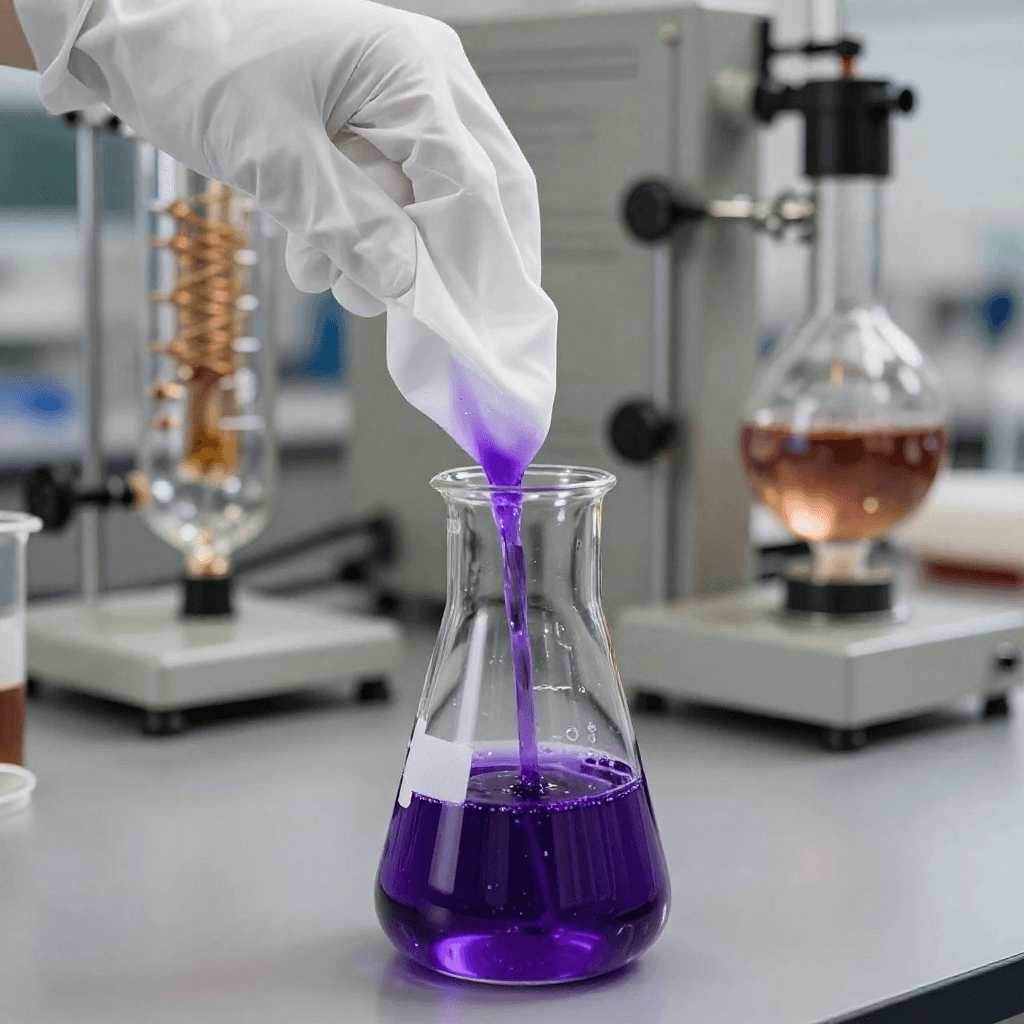
Perkin's Mauveine — The First Synthetic Aniline Dye from Coal Tar
par Tex
Industry 1.0 — Steam & Mechanization (1760)
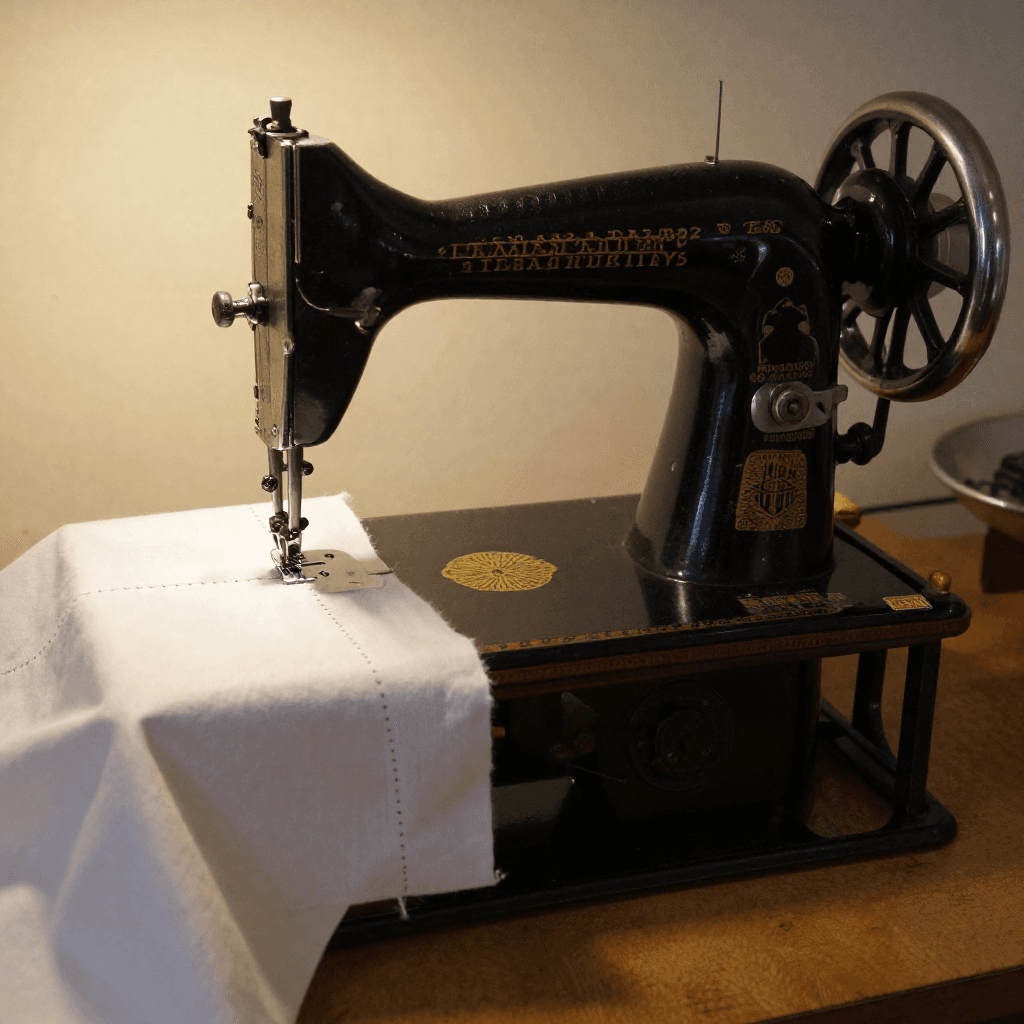
The Lock Stitch Sewing Machine — Mechanized Garment Construction
par Tex
Industry 1.0 — Steam & Mechanization (1760)
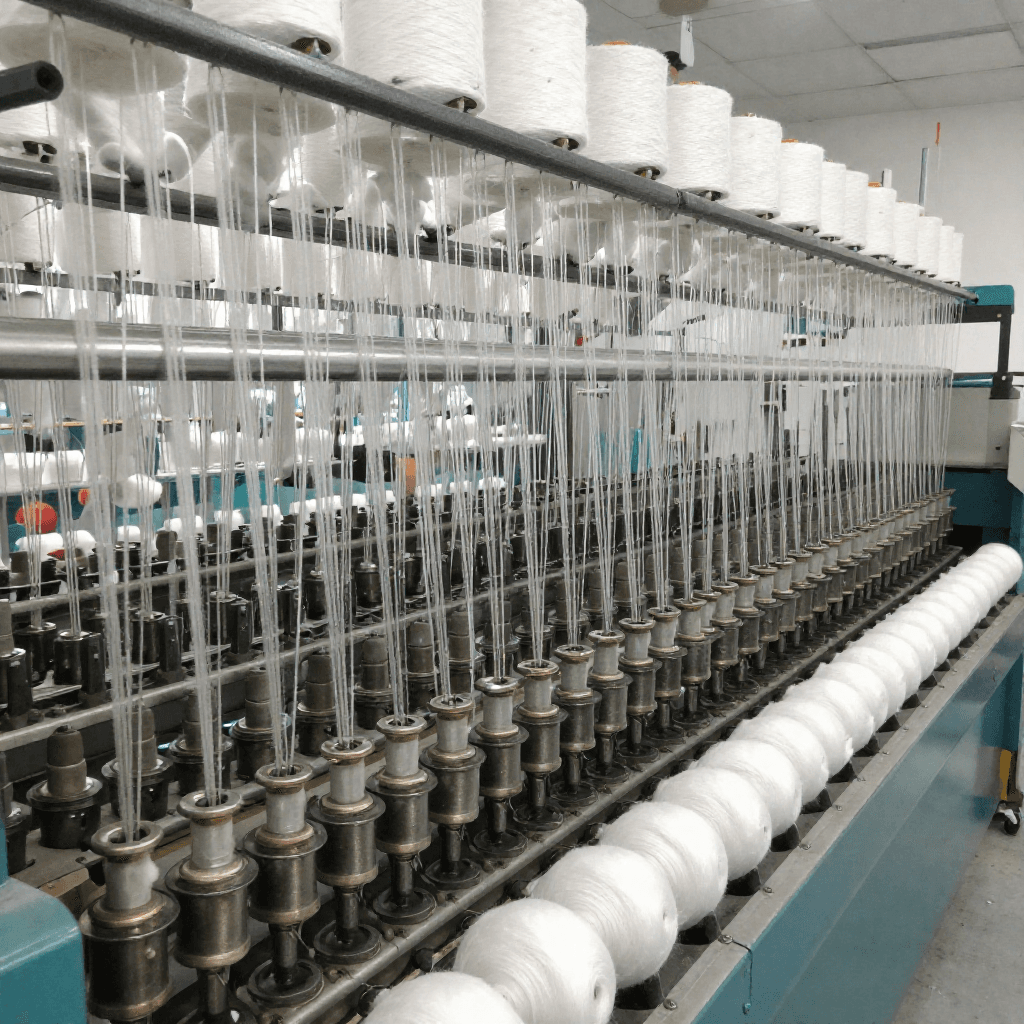
The Ring Spinning Frame — Continuous Yarn Production with Ring and Traveler
par Tex
Industry 1.0 — Steam & Mechanization (1760)
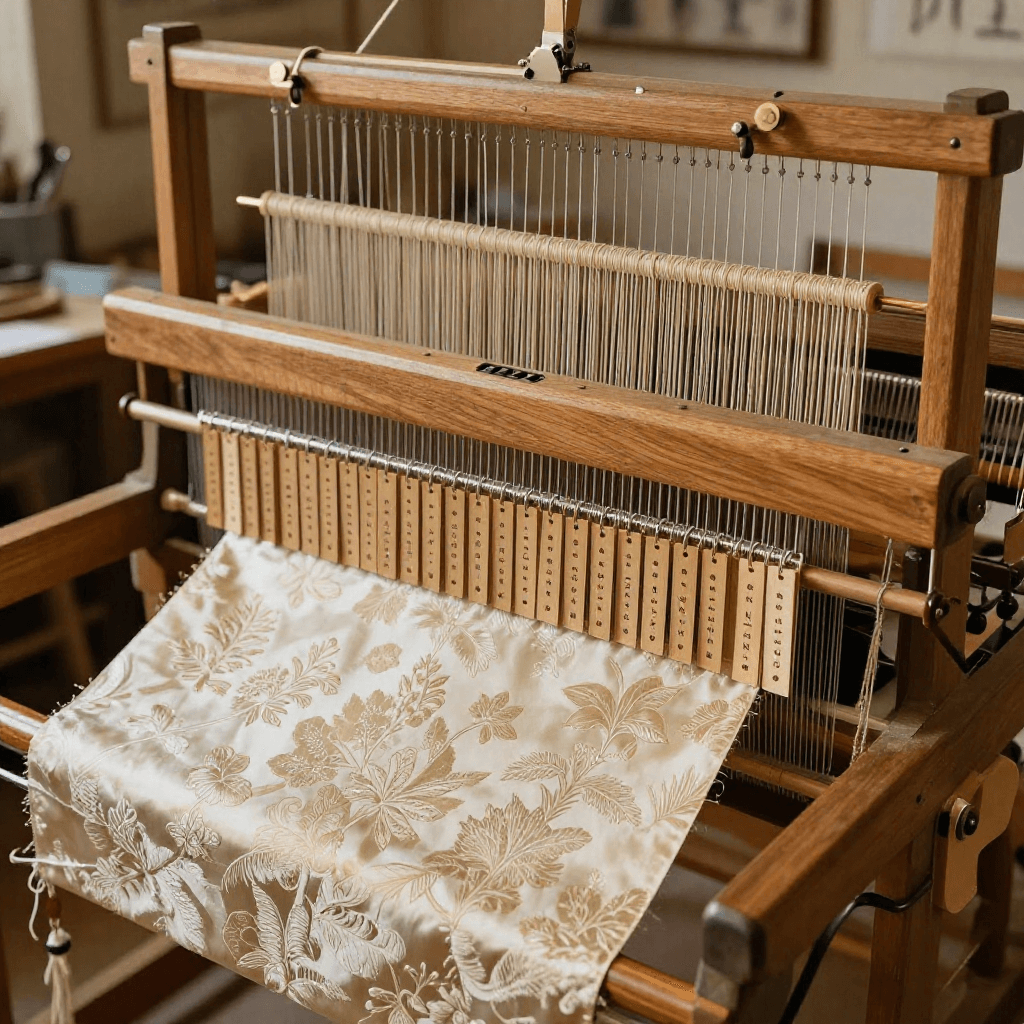
The Jacquard Mechanism — Punch Card Programmable Pattern Weaving
par Tex
Industry 1.0 — Steam & Mechanization (1760)
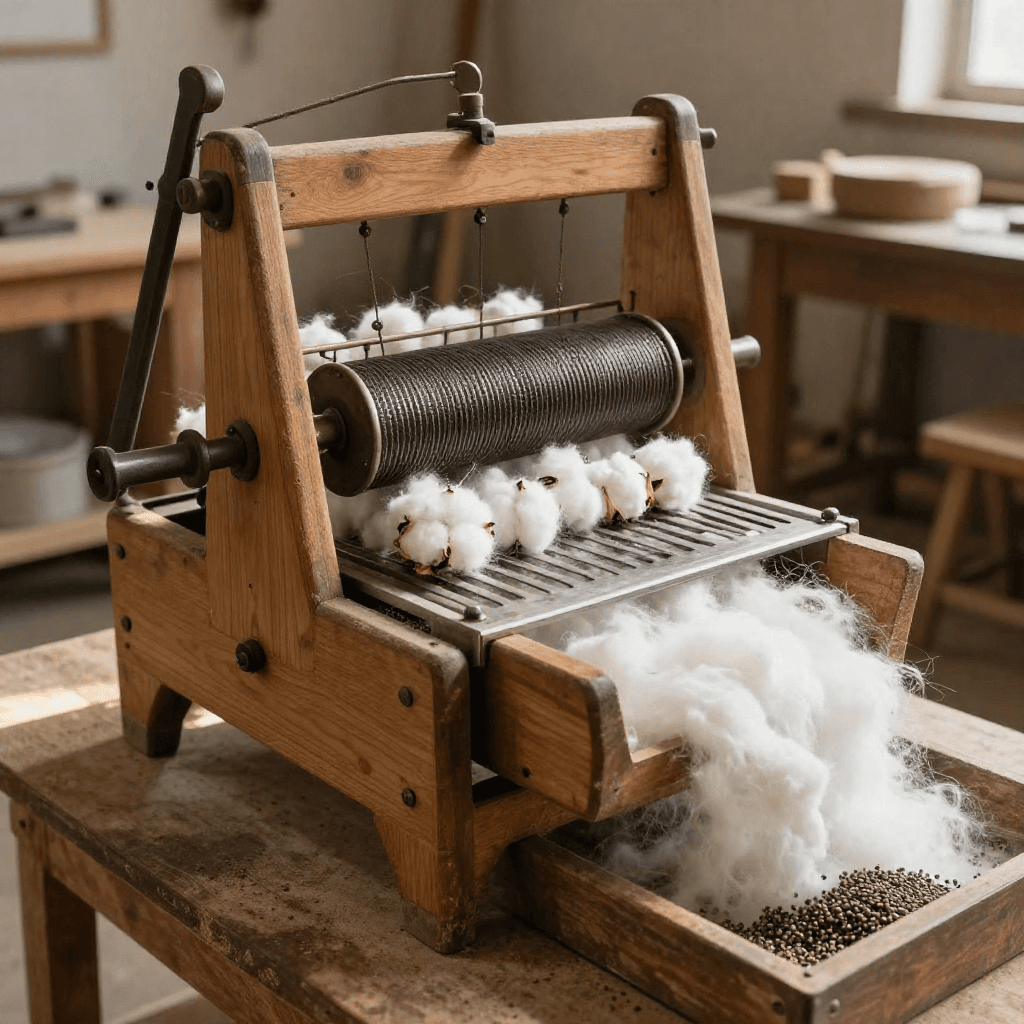
Whitney's Cotton Gin — Separating Seed from Fiber at Industrial Scale
par Tex
Coton
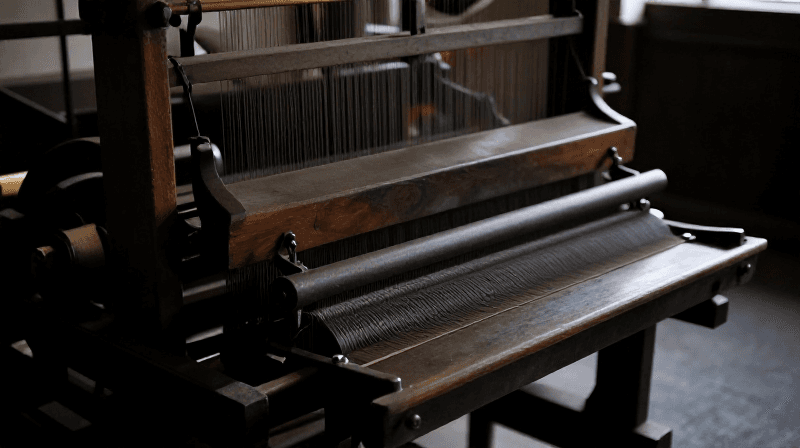
Cartwright's Power Loom — Mechanized Weaving by Steam and Water
par Tex
Industry 1.0 — Steam & Mechanization (1760)
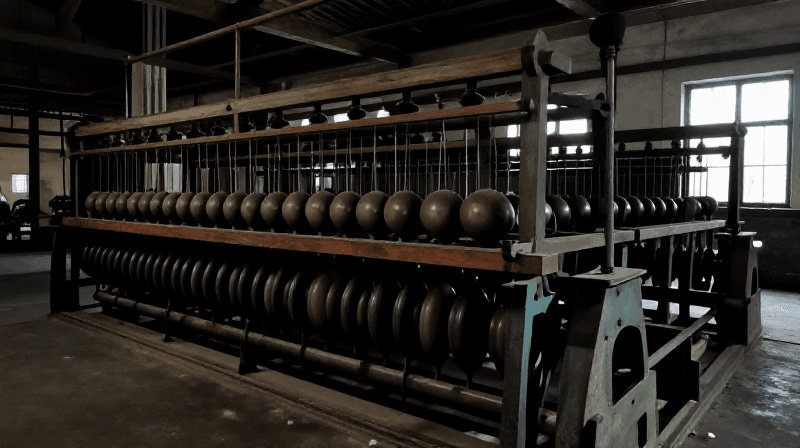
Crompton's Spinning Mule — The Machine That Made Fine Cotton Possible
par Tex
Coton