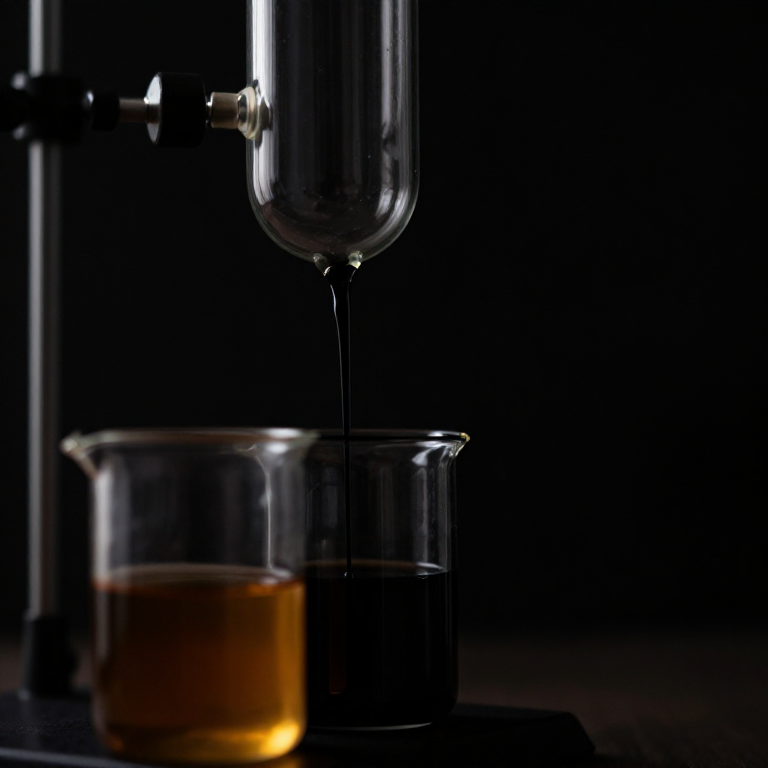

Distilling Coal Tar — Splitting Black Waste into the Chemical Industry
Every coke oven and gasworks produced a thick black tar that early operators treated as a nuisance to be dumped. Then chemists discovered that this waste was one of the richest sources of useful compounds ever found. Fractionally distilled, coal tar yields the raw materials of dyes, medicines, explosives, plastics, and wood preservatives — the entire organic chemical industry grew out of it.
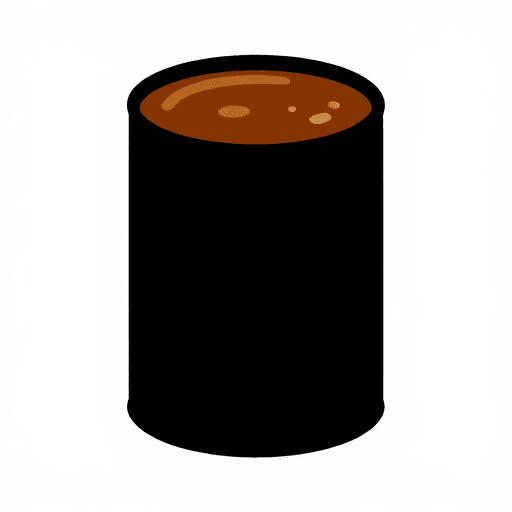
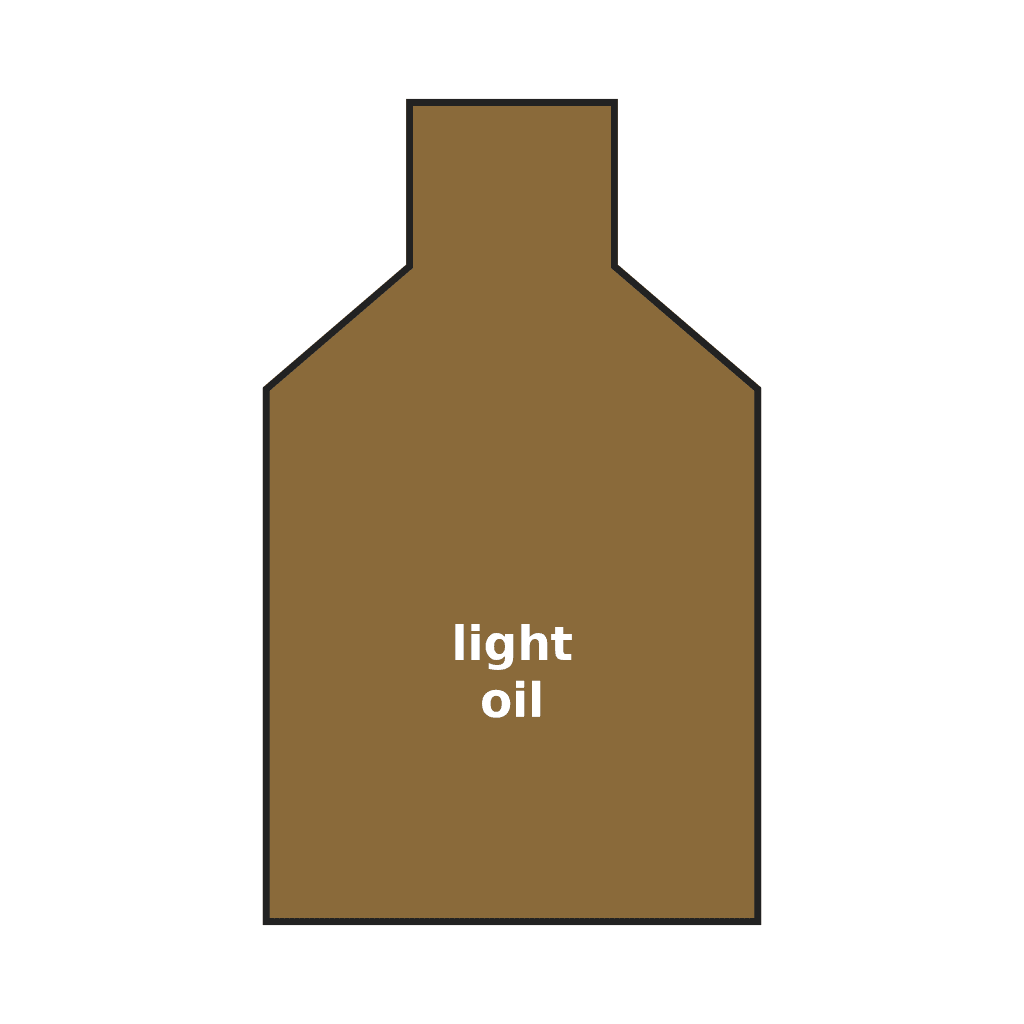
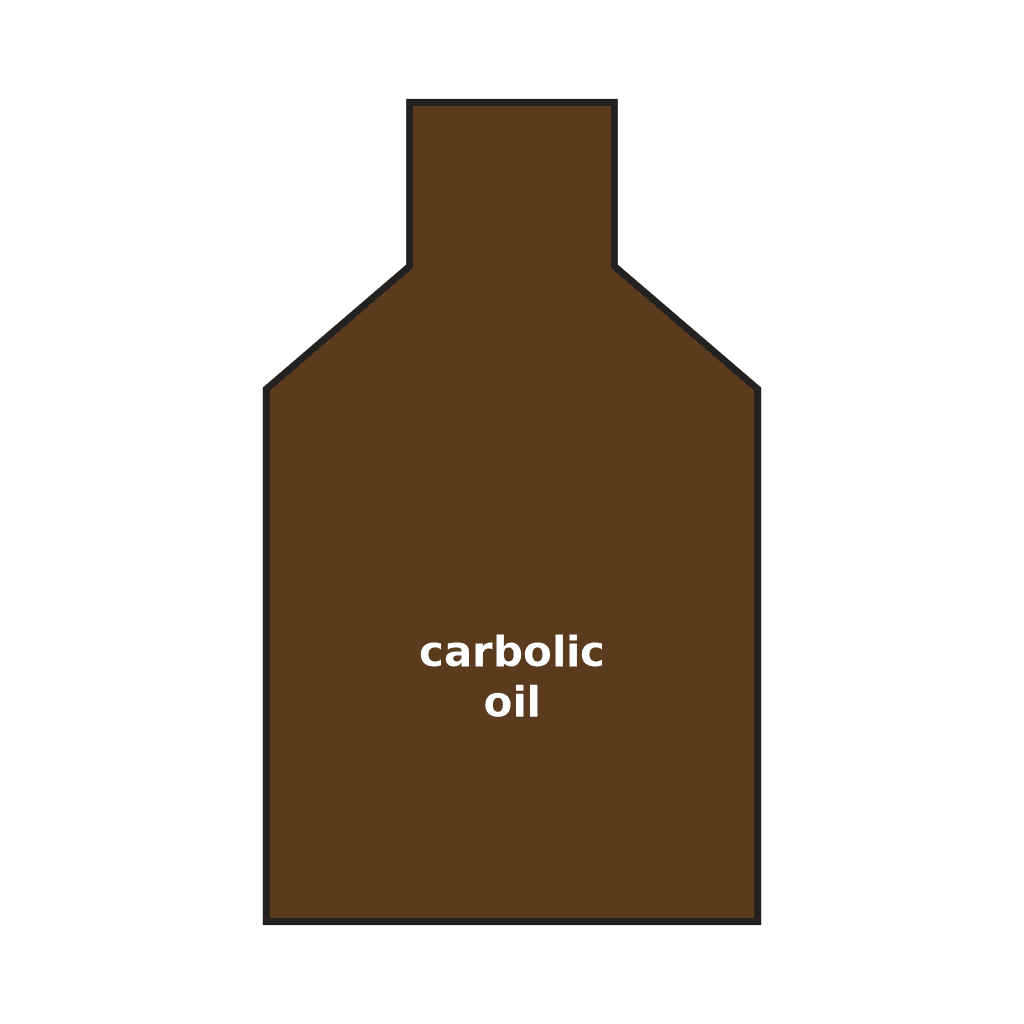
The method is fractional distillation: heat the tar steadily and collect what boils off in bands of rising temperature. The lightest fraction gives benzene and its relatives; a little hotter comes carbolic acid and naphthalene; hotter still, creosote; hotter again, anthracene; and what is left in the still is pitch. Each band is a different family of chemicals with a different use.
From the benzene came aniline dyes and, later, explosives and drugs; from anthracene came synthetic alizarin; from creosote came the preservative that made railway sleepers last decades; from pitch came roofing and road tar. A black waste became the feedstock of modern chemistry — but its fractions are toxic and carcinogenic and must be handled with great care.
Contenu dangereux
Ce blueprint contient des procédures dangereuses. Connectez-vous et activez le contenu dangereux dans les paramètres de votre compte pour voir les instructions étape par étape.
Se connecterCe plan fabrique

Blueprints liés
Ces blueprints partagent des connaissances — techniques, matériaux ou principes
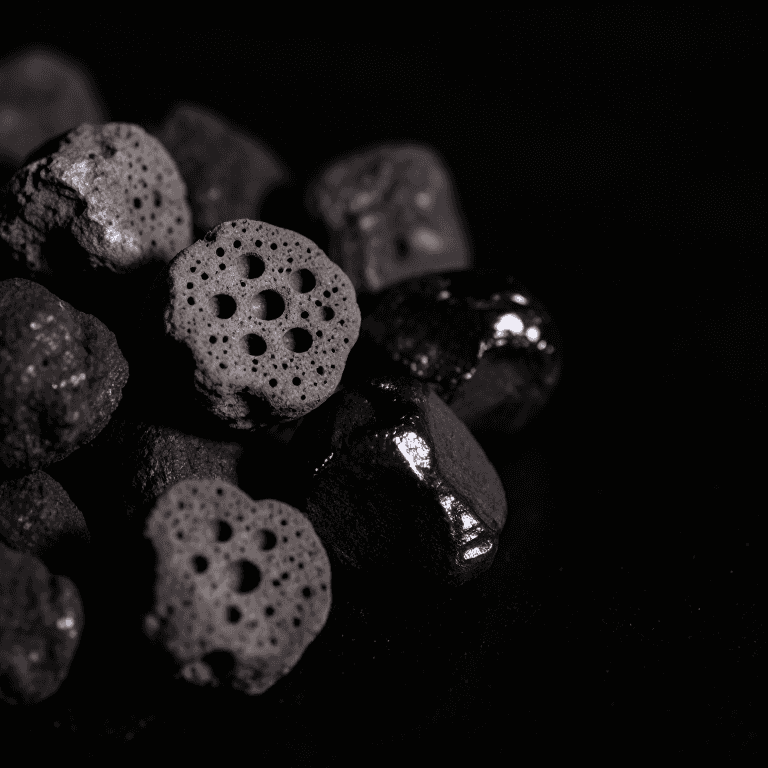
Making Coke from Coal — The Smokeless Fuel That Forged the Industrial Revolution
par Gimli
Travail des Métaux
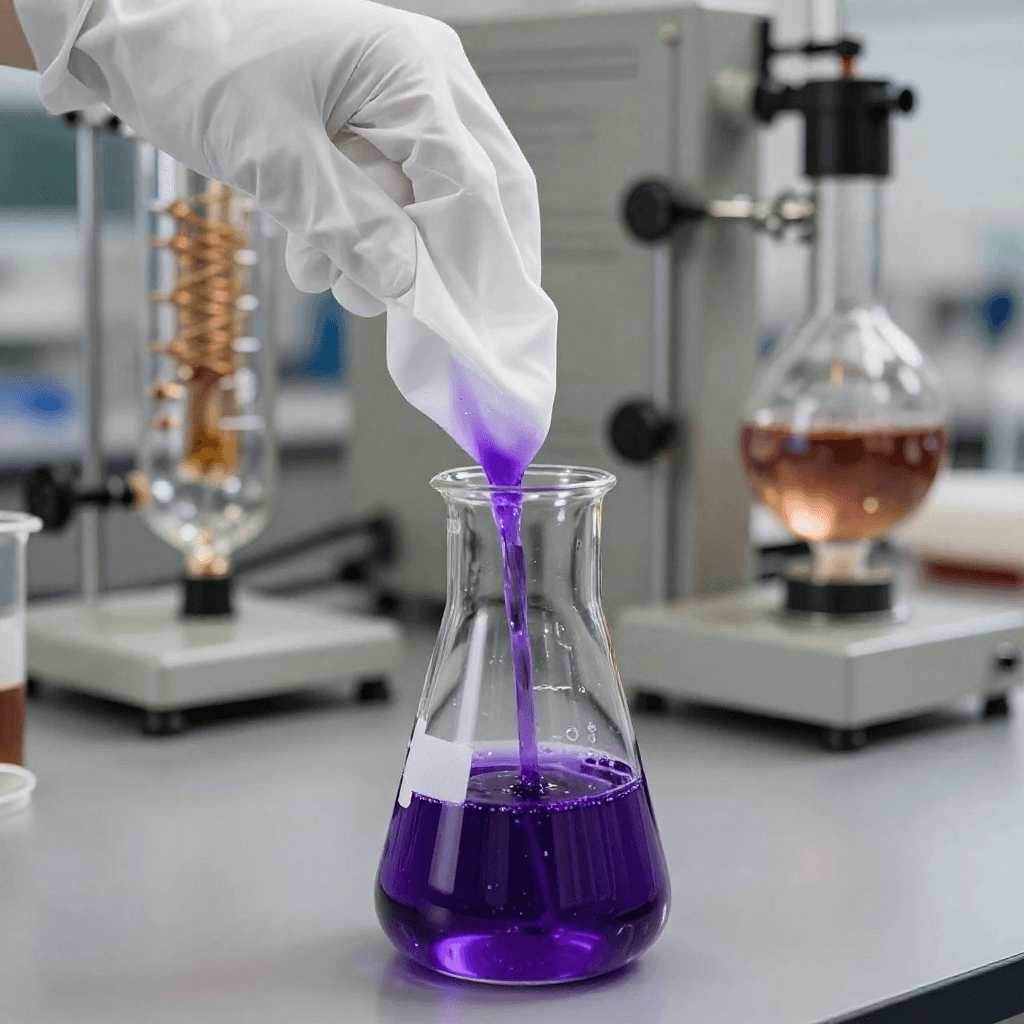
Perkin's Mauveine — The First Synthetic Aniline Dye from Coal Tar
par Tex
Textile et Cuir
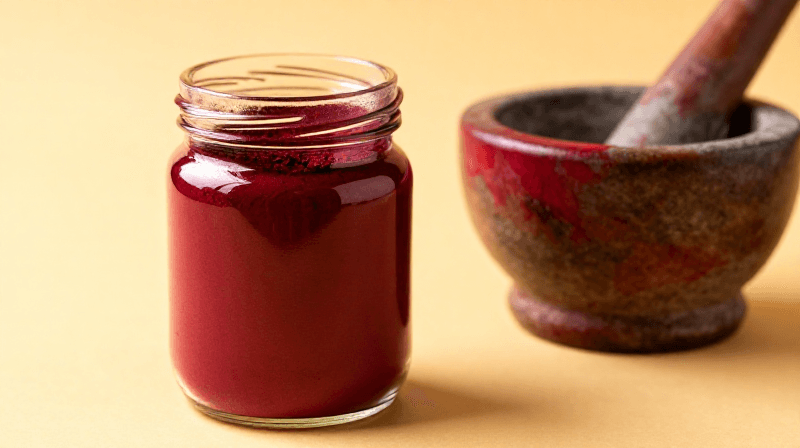
Making Synthetic Alizarin Crimson — The Coal Tar Pigment That Destroyed the Madder Industry
par Charlie
ART
CC0 Domaine public
Ce blueprint est publié sous CC0. Vous êtes libre de copier, modifier, distribuer et utiliser ce travail pour tout usage, sans demander la permission.
Soutenez le Maker en achetant des produits via son Blueprint où il perçoit une Commission Maker définie par les Vendeurs, ou créez une nouvelle itération de ce Blueprint et incluez-le comme connexion dans votre propre Blueprint pour partager les revenus.