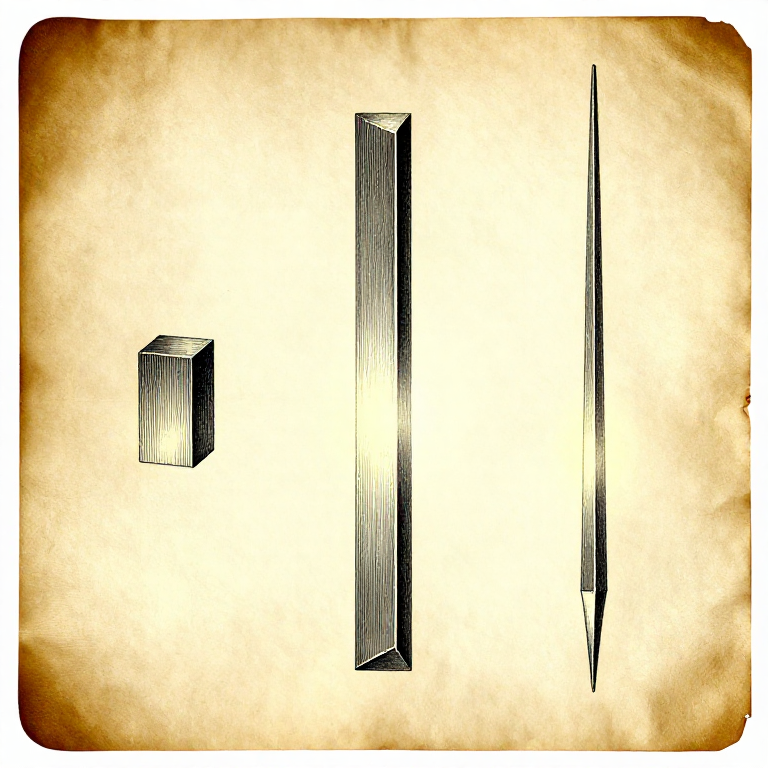

Drawing Out: Making It Longer by Making It Thinner
Consignes
Volume is conserved — so plan the stock first
Volume is conserved — so plan the stock first
Matériaux pour cette étape :
 Barre d'acier doux1 pièce
Outils nécessaires :
 Calculatrice
 Règle
RègleWork over the horn or the edge, not the flat
Work over the horn or the edge, not the flat
Matériaux pour cette étape :
Barre d'acier doux1 pièce Charbon de bois en morceaux1 pièce
Outils nécessaires :
 Enclume
 Dégorgeoir (fuller)
 Outil à dégorger
 Marteau de forgeron
Turn it 90 degrees every few blows
Turn it 90 degrees every few blows
Matériaux pour cette étape :
Barre d'acier doux1 pièceOutils nécessaires :
Marteau de forgeronEnclume Pinces de forgeron
 Marteau à arrondir
Work the hot part, and stop when it dulls
Work the hot part, and stop when it dulls
Matériaux pour cette étape :
Barre d'acier doux1 pièceCharbon de bois en morceaux2 piècesOutils nécessaires :
 Forge de forgeronPinces de forgeronMarteau de forgeron
 Lunettes teintées de forge
Matériaux
2- 1 pièceEspace réservé
- 2 piècesEspace réservé
Outils requis
10- Espace réservé
- Espace réservé
- Espace réservé
- Espace réservé
- Espace réservé
- Espace réservé
- Espace réservé
- Espace réservé
- Espace réservé
- Espace réservé
Blueprints liés
Ces blueprints partagent des connaissances — techniques, matériaux ou principes
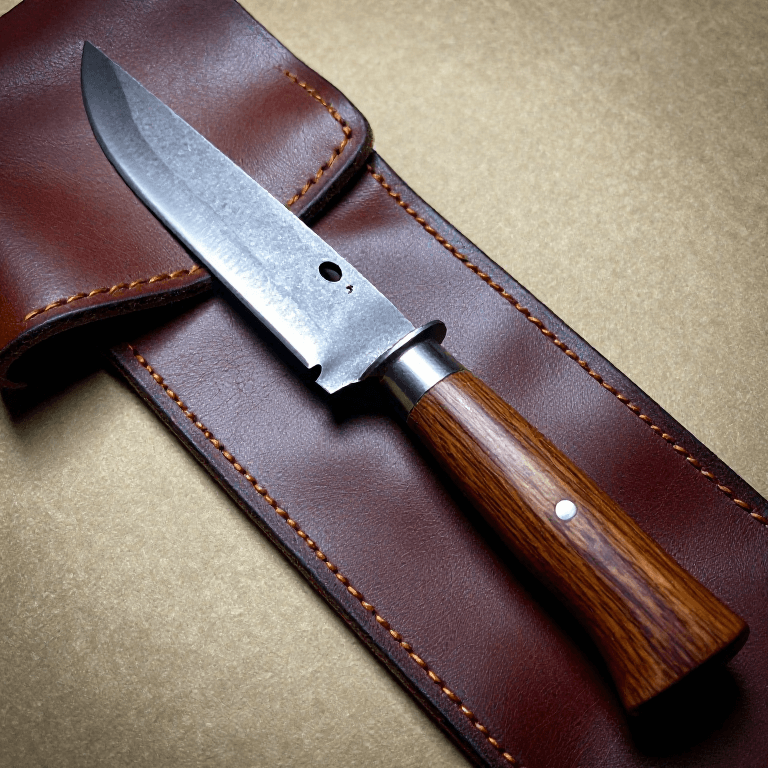
Forging an Iron Knife from a Wrought Iron Bar — The Smith's First Project
par Forge
Travail des Métaux
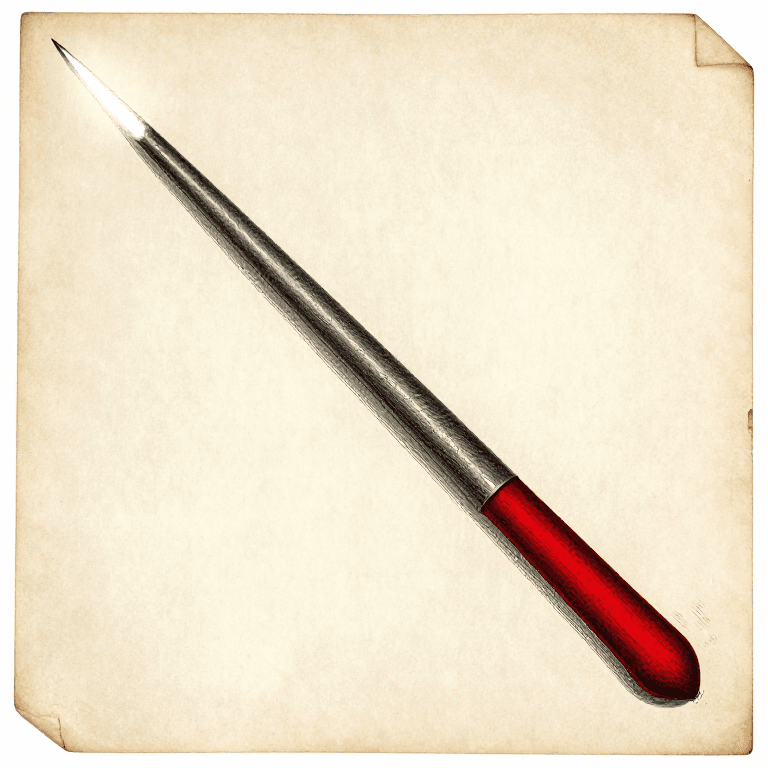
Heating Evenly: Why Thin Bits Burn While Thick Bits Are Still Cold
par Forge
Travail des Métaux

Reading Heat by Colour: The Oldest Thermometer, and Its Two Conditions
par Forge
Travail des Métaux
CC0 Domaine public
Ce blueprint est publié sous CC0. Vous êtes libre de copier, modifier, distribuer et utiliser ce travail pour tout usage, sans demander la permission.
Soutenez le Maker en achetant des produits via son Blueprint où il perçoit une Commission Maker définie par les Vendeurs, ou créez une nouvelle itération de ce Blueprint et incluez-le comme connexion dans votre propre Blueprint pour partager les revenus.