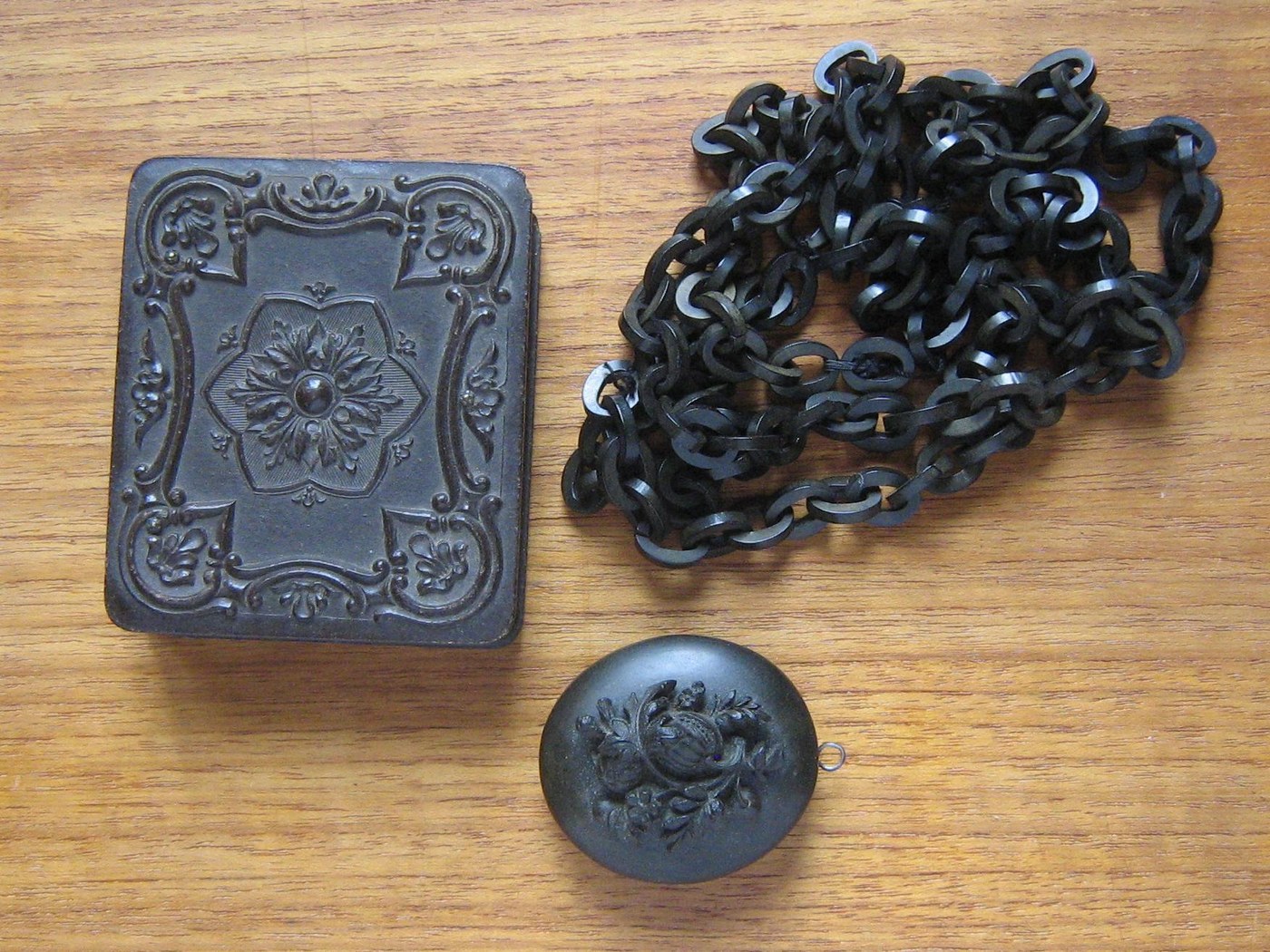


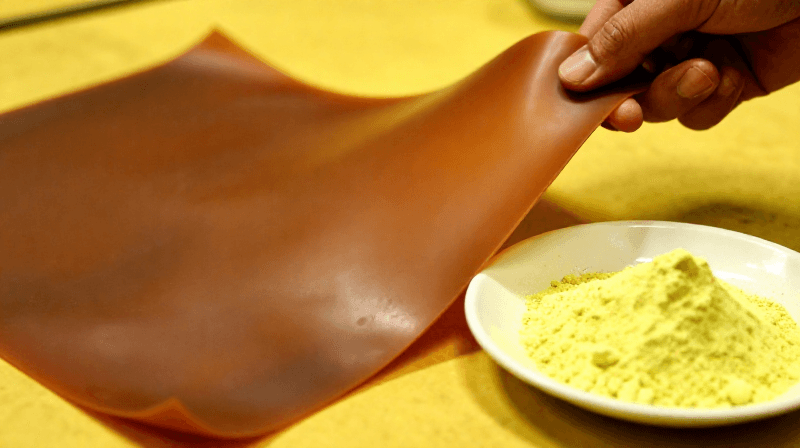
Ebonite (Hard Rubber)
Consignes
Cut the blank
Cut the blank
Matériaux pour cette étape :
 Tige d'ébonite1 pièce
Outils nécessaires :
 Scie à métaux
 Étau d'établi
 Règle en acier
 Lunettes de sécurité transparentes
Chuck and face
Chuck and face
Outils nécessaires :
 Tour à métaux
 Jeu d'outils de tournage (HSS)Lunettes de sécurité transparentes
 Masque anti-poussière
Turn to 16 mm
Turn to 16 mm
Outils nécessaires :
Tour à métauxJeu d'outils de tournage (HSS) Pied à coulisse numérique 6 pouces
Drill the bore
Drill the bore
Outils nécessaires :
 Jeu de forets à centrer
 Coffret de foretsTour à métaux
Taper the grip
Taper the grip
Outils nécessaires :
Tour à métauxJeu d'outils de tournage (HSS)Pied à coulisse numérique 6 poucesSand and polish
Sand and polish
Matériaux pour cette étape :
 Papier abrasif2 feuilles
 Pâte à polir5 g
Outils nécessaires :
 Kit de ponçage micro-maille (9 grains)Tour à métauxMasque anti-poussière
Part off
Part off
Outils nécessaires :
Jeu d'outils de tournage (HSS)Tour à métauxMeasure the density
Measure the density
Matériaux pour cette étape :
 Élastiques1 paquet
Outils nécessaires :
 Balance numérique de précision
 Éprouvette graduée
Rub it and pick up paper
Rub it and pick up paper
Matériaux pour cette étape :
 Papier de soie sans acide1 feuille
 Plaque acrylique1 pièce
Outils nécessaires :
 Feutre de laine
The sulphur arithmetic
The sulphur arithmetic
History & Context
History & Context
Matériaux
6- 1 pièceEspace réservé
- 2 feuillesEspace réservé
- 5 gEspace réservé
- 1 paquetEspace réservé
- 1 feuilleEspace réservé
- 1 pièceEspace réservé
Outils requis
14- Espace réservé
- Espace réservé
- Espace réservé
- Espace réservé
- Espace réservé
- Espace réservé
- Espace réservé
- Espace réservé
- Jeu de forets à centrer10 % de commissionEspace réservé
- Espace réservé
- Kit de ponçage micro-maille (9 grains)10 % de commissionEspace réservé
- Espace réservé
- Espace réservé
- Espace réservé
Blueprints liés
Ces blueprints partagent des connaissances — techniques, matériaux ou principes

CC0 Domaine public
Ce blueprint est publié sous CC0. Vous êtes libre de copier, modifier, distribuer et utiliser ce travail pour tout usage, sans demander la permission.
Soutenez le Maker en achetant des produits via son Blueprint où il perçoit une Commission Maker définie par les Vendeurs, ou créez une nouvelle itération de ce Blueprint et incluez-le comme connexion dans votre propre Blueprint pour partager les revenus.