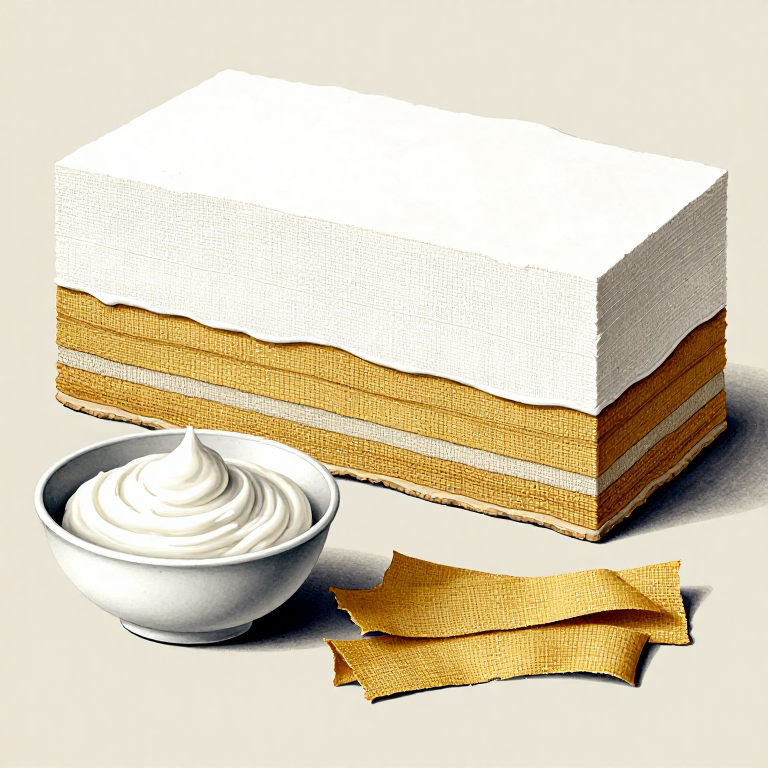


Egyptian Cartonnage — Making Cartonnage from Linen and Gesso
Consignes
Prepare the Glue and Gesso
Prepare the Glue and Gesso
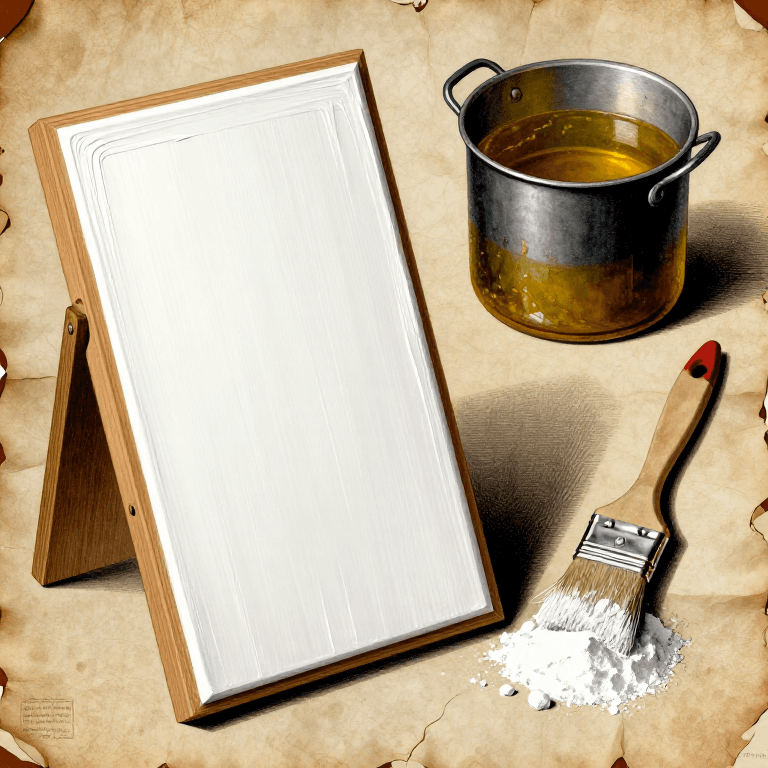
Soak rabbit skin glue granules in cold water for 4-8 hours until swollen and soft, using a ratio of approximately 1 part glue to 10 parts water by weight. Heat the soaked glue gently in a double boiler (water bath) until dissolved into a smooth liquid — never boil animal glue directly, as temperatures above 70 degrees Celsius break down the collagen proteins and weaken the adhesive. To make the gesso, gradually stir finely ground calcium carbonate (chalk or whiting) into the warm glue solution until you achieve a thick, creamy paste. Ancient Egyptian gesso analyzed from cartonnage fragments consists primarily of calcium carbonate (from ground limestone or gypsum) bound with animal glue, sometimes with calcium sulphate (gypsum) mixed in.
Prepare and Apply the First Linen Layer
Prepare and Apply the First Linen Layer
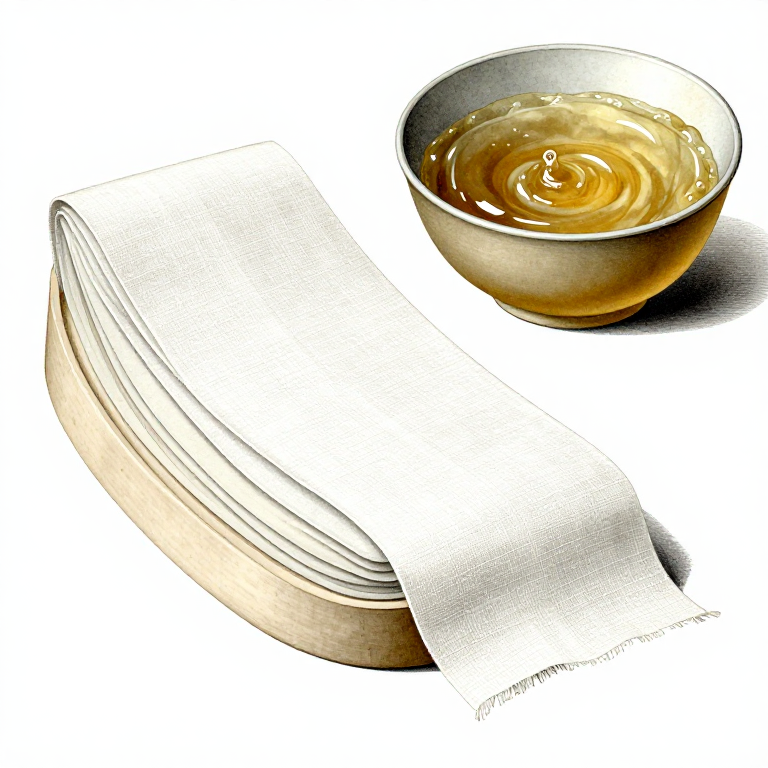
Cut the linen into strips approximately 5-10 cm wide and patches of various sizes. Coat your mold or form with a release agent such as petroleum jelly or a layer of plastic wrap to prevent the cartonnage from bonding permanently to it. Brush a coat of warm animal glue onto the mold surface, then lay the first layer of linen strips over it, overlapping edges by 1-2 cm. Press each strip firmly into the glue, eliminating air bubbles and wrinkles. Ancient Egyptian cartonnage makers typically used recycled linen — tomb workers' old garments and bandages — along with discarded papyrus scrolls, which conservators have sometimes been able to read, providing valuable historical documents recovered from the cartonnage itself.
Build Up Multiple Layers
Build Up Multiple Layers
Apply a second coat of glue over the first linen layer, then add another layer of linen strips oriented at right angles to the first layer (cross-layering for strength, like plywood). Continue alternating glue and linen for 4-8 layers total, depending on the desired rigidity. Between every 2-3 linen layers, you can insert a layer of papyrus or sturdy paper for additional stiffness. Each layer should dry partially (until tacky but not hard) before applying the next. The total wall thickness of finished cartonnage typically ranges from 2-5 mm. Allow the entire layered assembly to dry thoroughly, which takes 24-48 hours depending on humidity and layer count. The dried composite is remarkably strong, lightweight, and rigid.
Matériaux pour cette étape :
 Toile de lin1-2 square meters, cut into strips and patches pièce
 Apprêt gesso500 g prepared, or make from 400 g chalk + 100 g rabbit skin glue g
 Eauas needed for mixing glue and gesso pièce
Apply the Gesso Surface Coat
Apply the Gesso Surface Coat
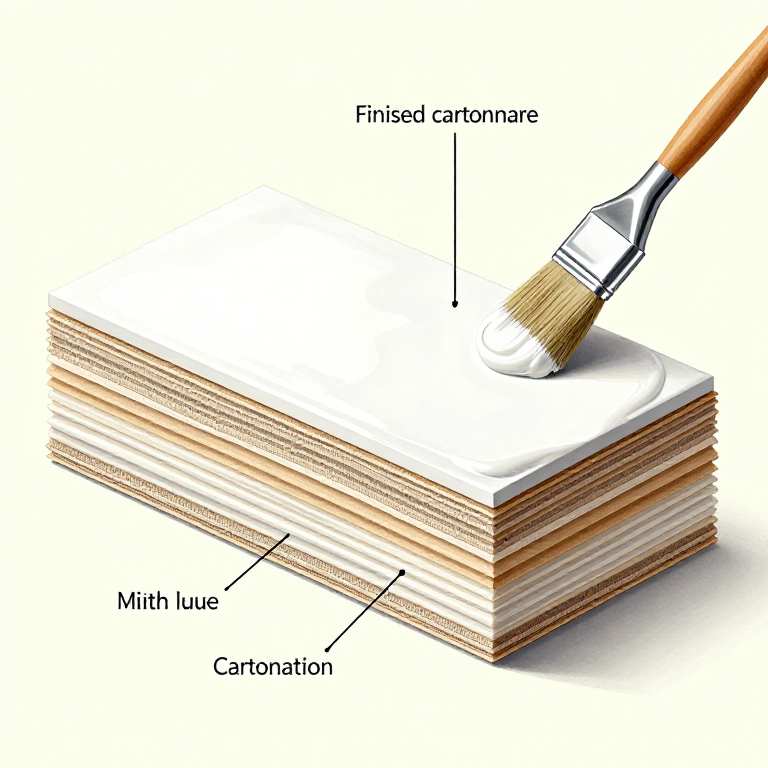
Once the linen layers are completely dry and rigid, carefully separate the cartonnage shell from the mold. Apply the prepared gesso to the outer surface using a wide, soft brush, building up 3-5 thin coats. Allow each coat to dry before applying the next — thick single coats crack during drying. The gesso fills the linen weave texture and creates a smooth, bright white surface ideal for painting. Sand lightly between coats with fine sandstone or pumice for an even smoother finish. The brilliant white gesso ground is what gives painted Egyptian cartonnage its vivid color saturation — pigments applied over a white ground appear far more vibrant than the same pigments on a dark or absorbent surface.
Prepare the Surface for Decoration
Prepare the Surface for Decoration
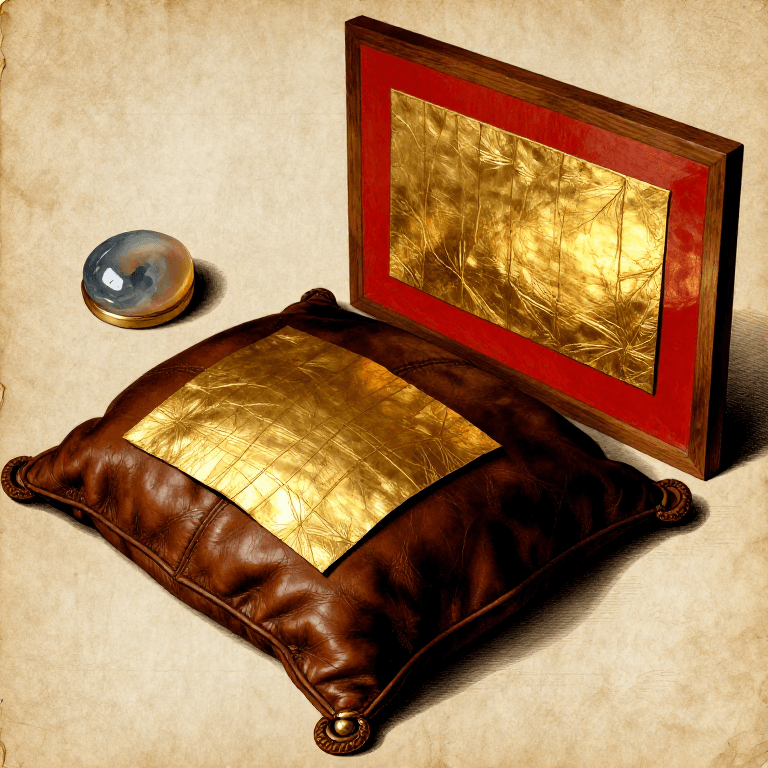
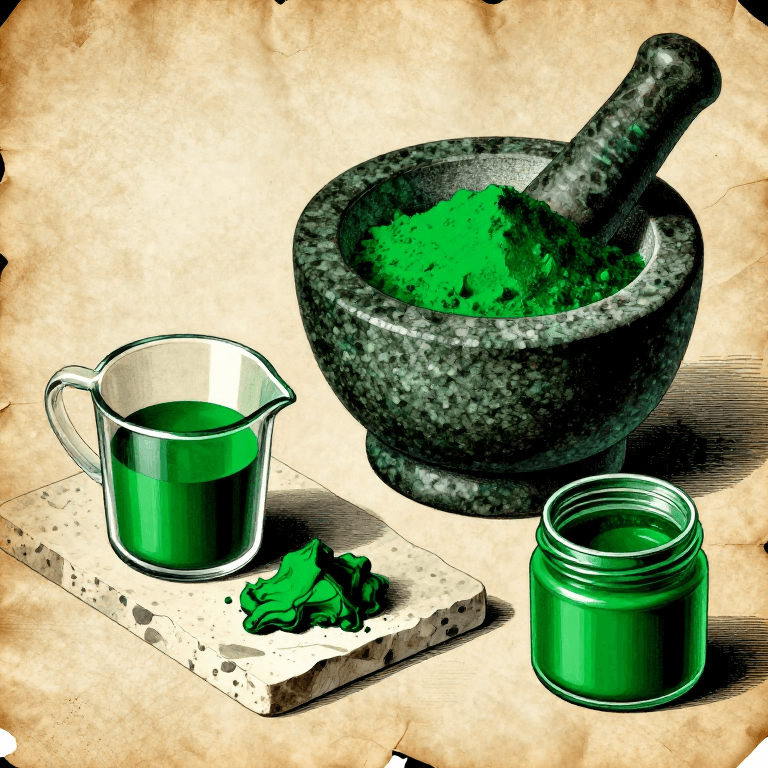
Polish the final gesso surface with a smooth stone or burnishing tool to achieve a slightly glossy finish. The cartonnage is now ready for decoration with mineral pigments mixed with gum arabic or animal glue as a binding medium. Traditional Egyptian pigments included: Egyptian blue (copper calcium silicate) for blue, yellow ochre (iron oxide) for yellow, red ochre for red, carbon black from soot for black, orpiment (arsenic sulphide) for bright yellow, and malachite (copper carbonate) for green. These pigments are applied directly to the gesso ground, which absorbs the binder and locks the color in place. The gesso surface can also be gilded with gold leaf applied over a thin layer of animal glue or beeswax adhesive, as seen on royal cartonnage masks and coffins from the New Kingdom through the Ptolemaic period.
Matériaux
7- 1-2 square meters, cut into strips and patches pièceEspace réservé
- 500 g prepared, or make from 400 g chalk + 100 g rabbit skin glue gEspace réservé
- as needed for mixing glue and gesso pièceEspace réservé
- 500 g prepared, or make from 400 g chalk + 100 g rabbit skin glue pièceEspace réservé
- 50-100 g dry granules pièceEspace réservé
- several sheets pièceEspace réservé
- 1 pièceEspace réservé
Outils requis
6- Espace réservé
- Espace réservé
- Espace réservé
- Espace réservé
- Espace réservé
- Mold or form (plaster, clay, or wooden shape)Espace réservé
Matériaux des Blueprints connectés

Ce plan fabrique

Blueprints liés
Ces blueprints partagent des connaissances — techniques, matériaux ou principes
CC0 Domaine public
Ce blueprint est publié sous CC0. Vous êtes libre de copier, modifier, distribuer et utiliser ce travail pour tout usage, sans demander la permission.
Soutenez le Maker en achetant des produits via son Blueprint où il perçoit une Commission Maker définie par les Vendeurs, ou créez une nouvelle itération de ce Blueprint et incluez-le comme connexion dans votre propre Blueprint pour partager les revenus.