ART
BEAUTÉ ET BIEN-ÊTRE
ARTISANAT
CULTURE ET HISTOIRE
DIVERTISSEMENT
ENVIRONNEMENT
NOURRITURE ET BOISSONS
INGÉNIERIE INVERSE
SCIENCES
SPORTS
TECHNOLOGIE
TECHNOLOGIE PORTABLE


Extruded Polystyrene Foam
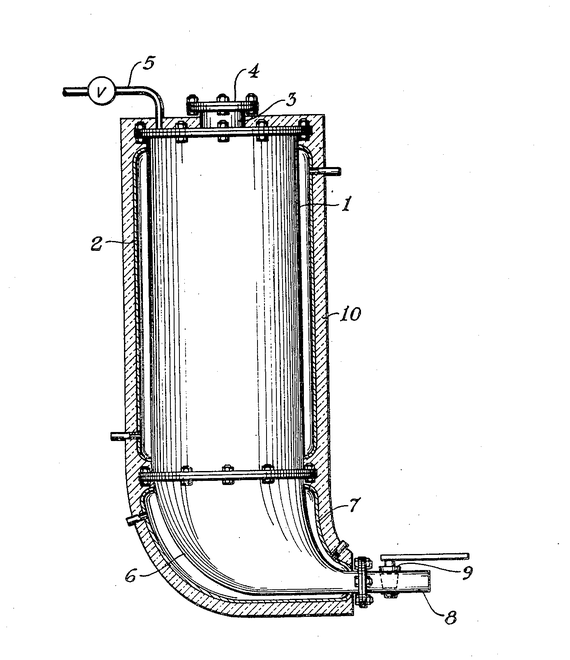
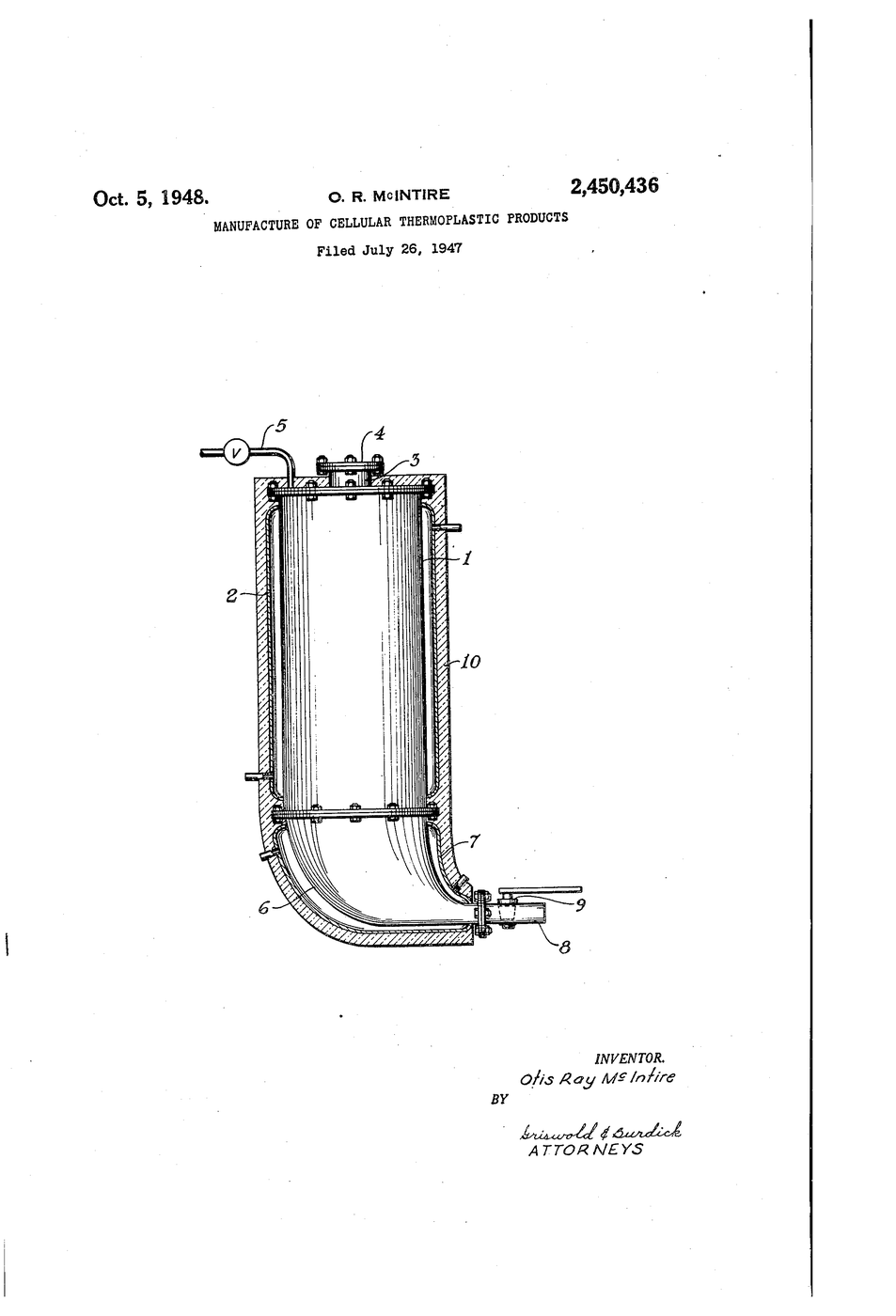
Carl Munters had shown that polystyrene heated with methyl chloride under pressure puffs into a closed-cell foam when let out of the vessel (US 2,023,204) - but only in small pieces; with larger outlets the mass collapsed into brittle, irregular lumps. Otis Ray McIntire at Dow found the fix: keep the mass BELOW the critical temperature of methyl chloride, about 143 °C, so the gas stays dissolved, and let its own evaporation cool the foam fast enough to freeze the cells.
**US 2,450,436**, "Manufacture of cellular thermoplastic products", McIntire, assigned to Dow Chemical, filed 26. July 1947, granted 5. October 1948. Its drawing is the pressure vessel with the bottom valve the foam flows out of. Dow sold the result as blue insulation board; the white bead foam of packaging is a later process.
**Methyl chloride is toxic; you start from foam board.** You build a hot-wire cutter, cut an insulated box, and measure how long it keeps ice.
Débutant
3 hours plus an ice test
Consignes
1
1
The cutter
The cutter
Base on two feet, a post and an arm; the wire runs from the arm tip down through the base to a spring underneath.
2
2
Build the frame
Build the frame
From 18 mm plywood cut a 300 x 300 mm base, two 300 x 40 mm feet, a 280 x 50 mm post and a 200 x 50 mm arm. Glue and screw the post to the back edge and the arm square on top.
Matériaux pour cette étape :
 Panneau de contreplaqué1 pièce
 Vis à bois10 pièces
 Colle à bois20 ml
Outils nécessaires :
 Scie égoïne
 Perceuse sans fil
 Jeu de tournevis
 Règle en acier
3
3
String the wire
String the wire
Drill 2 mm through the arm tip and the base directly below. Fix the wire to an eye bolt on top of the arm, run it down through the base, and tie it to a spring under the base so it stays taut when it expands hot. Check it is square to the table.
Matériaux pour cette étape :
 Fil de nichrome 80/20 de 0,64 mm1 mètre
 Piton à œil1 pièce
 Assortiment de ressorts de compression1 jeu
Outils nécessaires :
Perceuse sans fil Coffret de forets
4
4
Power it
Power it
Clip leads to the wire at the arm and below the base. Set the bench supply to 1.5 V with a 4 A limit and raise it slowly (notebook) until the wire slides through a scrap cleanly. Ventilate.
Outils nécessaires :
 Alimentation de laboratoire réglable
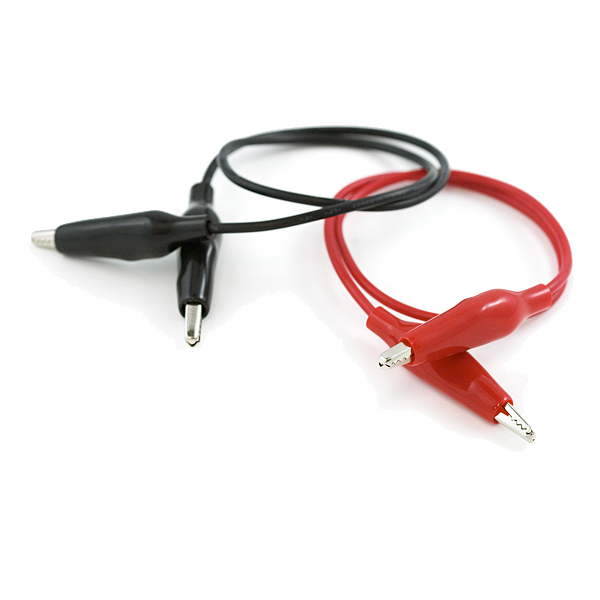 Alligator to Alligator Cables
 Masque respiratoire N95
 Lunettes de sécurité transparentes
5
5
Cut the box
Cut the box
From 25 mm foam board cut a base and lid 200 x 200 mm, two sides 200 x 150 mm and two 150 x 150 mm. Feed slowly - let the wire do the work. Tape the box together.
Matériaux pour cette étape :
 Panneau de mousse de polystyrène extrudé1 feuille
 Ruban de masquage1 rouleau
Outils nécessaires :
Règle en acier6
6
Weigh a cube
Weigh a cube
Cut a 50 mm cube from an offcut and weigh it for the notebook.
Outils nécessaires :
 Balance de cuisine numérique
7
7
The ice test
The ice test
Put 500 g of ice in a bag in the foam box and another 500 g in a cardboard box of the same size, side by side in the same room. Note the room temperature and check both every hour until the ice is gone.
Matériaux pour cette étape :
 Glaçons1000 g
 Carton ondulé (boîte)1 pièce
Outils nécessaires :
Balance de cuisine numérique Thermomètre d'ambiance
8
8
Wire, density, heat leak
Wire, density, heat leak
Chargement du notebook Jupyter…
9
9
History & Context
History & Context
**What the patent specifies:** polystyrene with methyl chloride dissolved under pressure below the gas's critical temperature, released through an outlet so evaporation expands and cools it into uniform closed cells, in blocks 2 inches thick or more. **Modern build (derived):** commercial extruded foam board, today made with other blowing agents.
The patent names its target plainly: blocks big enough to cut into insulating panels for refrigerators. Its limits: it melts at low heat, burns unless treated, dissolves in many solvents (and in some glues and paints), and breaks down in sunlight.
Matériaux
10- 1 pièceEspace réservé
- 10 piècesEspace réservé
- 20 mlEspace réservé
- Espace réservé
- 1 pièceEspace réservé
- Espace réservé
- Espace réservé
- 1 rouleauEspace réservé
- 1000 gEspace réservé
- 1 pièceEspace réservé
Outils requis
11- Espace réservé
- 1 vendor sell this, none ship to you yetEspace réservé
- Espace réservé
- Espace réservé
- Espace réservé
- Espace réservé
- Alligator to Alligator Cables10 % de commission€3.11
- Espace réservé
- Espace réservé
- Espace réservé
- Espace réservé
Fichiers de conception
1Blueprints liés
Ces blueprints partagent des connaissances — techniques, matériaux ou principes

CC0 Domaine public
Ce blueprint est publié sous CC0. Vous êtes libre de copier, modifier, distribuer et utiliser ce travail pour tout usage, sans demander la permission.
Soutenez le Maker en achetant des produits via son Blueprint où il perçoit une Commission Maker définie par les Vendeurs, ou créez une nouvelle itération de ce Blueprint et incluez-le comme connexion dans votre propre Blueprint pour partager les revenus.