ART
BEAUTÉ ET BIEN-ÊTRE
ARTISANAT
CULTURE ET HISTOIRE
DIVERTISSEMENT
ENVIRONNEMENT
NOURRITURE ET BOISSONS
INGÉNIERIE INVERSE
SCIENCES
SPORTS
TECHNOLOGIE
TECHNOLOGIE PORTABLE
Gel Filtration: Separating by Size Alone
Emma

Créé par

Emma

23. septembre 2026SE
29
0
0
0
0

Gel Filtration: Separating by Size Alone

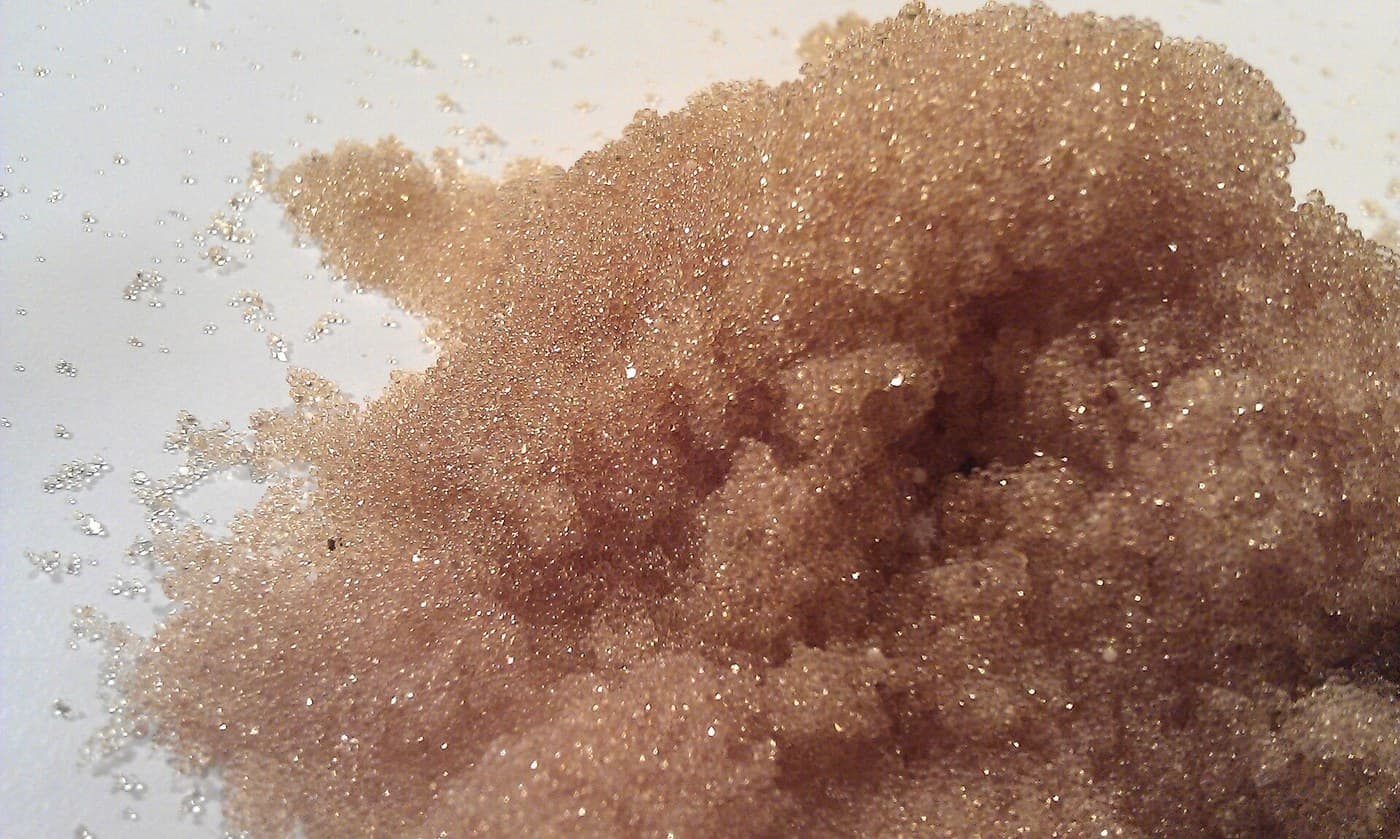
Every separation in this batch so far works because molecules STICK to something — to chalk, to silica, to a grease film — and stick by different amounts. Gel filtration works because they stick to nothing at all. Per Flodin and Jerker Porath, at Uppsala in 1959, made beads of cross-linked dextran riddled with pores of a controlled size. A small molecule wanders into every pore and takes a long, tortuous route through the column. A molecule too big to enter any pore is swept straight past, through the gaps between the beads only, and comes out FIRST. That inversion is what makes it unique and slightly counter-intuitive: in gel filtration the biggest thing leaves first, and everything is off the column by the time one column volume has run through. It is also the gentlest separation there is — nothing binds, so nothing is denatured — which is why it is how a protein gets its buffer changed.
Intermédiaire
1 day

Consignes

1

Swell the medium before it goes anywhere near the column

Stir the dry beads into several volumes of buffer and leave them for the time the supplier states — some grades need hours, some need boiling. Then let the slurry settle and pour off the fines that stay suspended. Dry beads swell to many times their dry volume. Load them dry and they swell inside the tube, which either jams solid or cracks the bed. Removing the fines matters too: those tiny fragments pack into the spaces between proper beads and choke the flow to nothing, and they are the usual reason a home-packed column runs at a drip an hour.

Matériaux pour cette étape :

Milieu de chromatographie d'exclusion stériqueMilieu de chromatographie d'exclusion stérique25 g
Bicarbonate de soudeBicarbonate de soude5 g

Outils nécessaires :

Bécher en borosilicateBécher en borosilicate
Balance numériqueBalance numérique
2

Pour the bed in ONE go

Plug the outlet, part-fill the tube with buffer, and pour the whole slurry down a glass rod against the wall in a single continuous pour. Let it settle under its own weight with the outlet running slowly. Pouring in stages is the classic ruin: each new layer settles onto a compacted one and leaves a visible horizontal line, and that line is a discontinuity every band has to cross. Never stir the settled bed to 'even it out' — you will grade the beads by size, fine at the top, which is worse than what you started with.

Outils nécessaires :

Ensemble de chromatographie sur colonneEnsemble de chromatographie sur colonne
Jeu de statif et de pinces de laboratoireJeu de statif et de pinces de laboratoire
3

Find the void volume with something far too big

Run a small load of a very large coloured molecule through and measure the volume of buffer collected before it appears. That is the void volume: the liquid in the gaps BETWEEN the beads. Nothing can come out earlier than this, because nothing can travel faster than the buffer in the open channels. The void volume is the reference every other measurement on this column is made against, and it is worth measuring properly once rather than estimating it as a third of the bed volume — which is only approximately true and only for a well-packed column.

Outils nécessaires :

Tube à essai (borosilicate)Tube à essai (borosilicate)
Pipette graduée (de Mohr)Pipette graduée (de Mohr)
4

Find the total volume with something tiny

Now run a small, freely diffusing coloured salt — copper sulfate is ideal, since its blue is easy to follow. It enters every pore and comes out last. The volume at which it emerges is the total liquid volume of the column: the gaps plus all the pore space. Everything you will ever separate on this column emerges between these two numbers, and that is the whole working range. Unlike every other method in this batch, the run has a hard end — there is no 'wait longer and it will come off', because nothing is stuck.

Matériaux pour cette étape :

Sulfate de cuivre (qualité laboratoire)Sulfate de cuivre (qualité laboratoire)5 g

Outils nécessaires :

Tube à essai (borosilicate)Tube à essai (borosilicate)
Pipette graduée (de Mohr)Pipette graduée (de Mohr)
Bécher en borosilicateBécher en borosilicate
5

Separate a dye from a salt, and watch the order invert

Load a mixture of a large dye and copper sulfate together in the smallest volume you can manage, and collect fractions. The dye leaves first even though it is far heavier — which is the moment the method stops being abstract. Then note the practical rule this demonstrates: load volume must be SMALL, ideally under 2% of the bed. There is no focusing effect here to sharpen a wide band, because nothing binds and re-releases. Whatever width you load, you get back plus some spreading.

Matériaux pour cette étape :

Colorant alimentaireColorant alimentaire1 bouteille
Sulfate de cuivre (qualité laboratoire)Sulfate de cuivre (qualité laboratoire)5 g

Outils nécessaires :

Tube à essai (borosilicate)Tube à essai (borosilicate)
Pipette graduée (de Mohr)Pipette graduée (de Mohr)
6

Use it the way laboratories actually use it: buffer exchange

Equilibrate the column in the buffer you WANT, load your sample in whatever buffer it is in, and collect the large component as it comes off. It leaves in the new buffer, and the old salts trail out far behind it. In two column volumes and about twenty minutes you have changed a protein's environment completely without ever binding it to anything — no acid, no salt gradient, no heat. This one application, called desalting, is probably more common in working laboratories than the size measurement the method is named for.

Matériaux pour cette étape :

Bicarbonate de soudeBicarbonate de soude5 g

Outils nécessaires :

Tube à essai (borosilicate)Tube à essai (borosilicate)
Bécher en borosilicateBécher en borosilicate
7

Calibrating the column into a molecular ruler

Chargement du notebook Jupyter…

Outils nécessaires :

Pipette graduée (de Mohr)Pipette graduée (de Mohr)
8

Regenerate the bed rather than repacking it

Wash two column volumes of buffer through after every run, and store the column with a preservative or in the refrigerator. Because nothing binds, a gel filtration column is essentially self-cleaning and will run for years — the medium is the expensive part and it does not wear out. What kills a column is microbial growth in a bed left wet and warm, and air drawn into the top when a reservoir runs dry. Both are avoidable, and both mean repacking, which is the one job on this column nobody enjoys twice.

Outils nécessaires :

Bécher en borosilicateBécher en borosilicate

Matériaux

4

Outils requis

6

Blueprints liés

Ces blueprints partagent des connaissances — techniques, matériaux ou principes
CC0 Domaine public

Ce blueprint est publié sous CC0. Vous êtes libre de copier, modifier, distribuer et utiliser ce travail pour tout usage, sans demander la permission.

Soutenez le Maker en achetant des produits via son Blueprint où il perçoit une Commission Maker définie par les Vendeurs, ou créez une nouvelle itération de ce Blueprint et incluez-le comme connexion dans votre propre Blueprint pour partager les revenus.

Commentaires

(0)

Se connecter pour participer à la discussion

Chargement des commentaires...