Collaboration
ART
BEAUTÉ ET BIEN-ÊTRE
ARTISANAT
CULTURE ET HISTOIRE
DIVERTISSEMENT
ENVIRONNEMENT
NOURRITURE ET BOISSONS
INGÉNIERIE INVERSE
SCIENCES
SPORTS
TECHNOLOGIE
TECHNOLOGIE PORTABLE
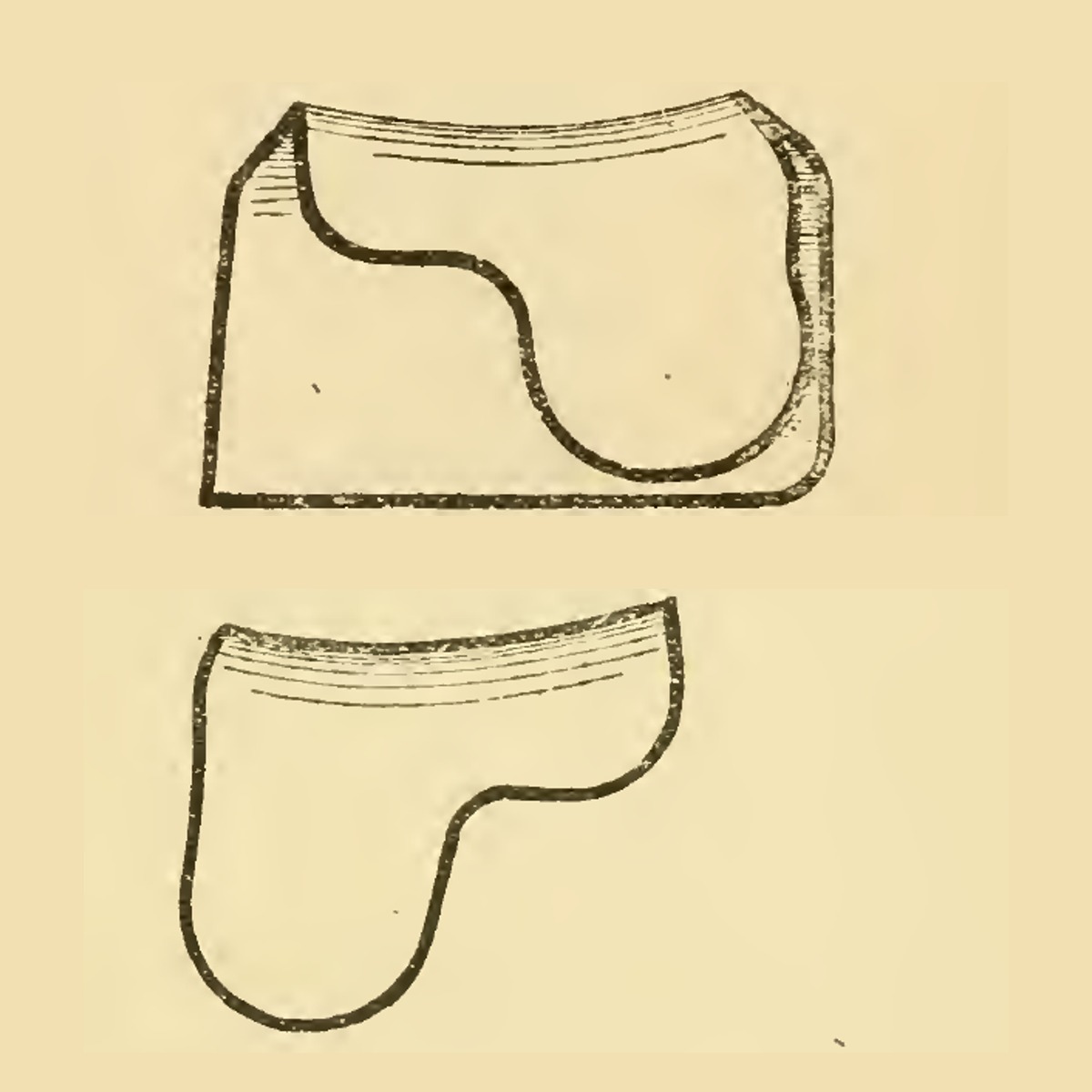


Felt Saddle Cloth (Numnah): Two Pieces Whip-Stitched and Bound in Coloured Cloth (Hasluck, Saddlery, 1904)
A saddle cloth goes under the saddle to protect the horse's back and the saddle panel by soaking up sweat. This is the felt saddle cloth from Paul N. Hasluck's Saddlery (1904), the army's numnah: two pieces of felt cut to the saddle's shape but a little larger, whip-stitched together and bound in red, yellow or blue cloth. He gives no sizes; they come from your saddle.
Débutant
About 3 hours
Consignes
1
1
Read Saddlery, ch. V
Read Saddlery, ch. V
"As a rule, saddle-cloths (Figs. 16 and 17) are made of felt in the same shape as the saddle, but a little larger." In the army they are called numnahs; he says felt "is certainly the best material to use for the purpose, but kersey, cloth, and holland have been commonly employed."
2
2
Cut the two pieces
Cut the two pieces
Lay the saddle on the felt and mark round it a little larger (marking round the saddle is our way; he gives only the rule). Cut the cloth in two pieces, one for each side, with a small curve at the back, rising a little at each end. Felt comes in blue, brown, fawn and other colours.
Matériaux pour cette étape :
 Feutre de laine1 pièce
Outils nécessaires :
 Crayon
 Ciseaux
 Mètre ruban
3
3
Join the pieces
Join the pieces
Stitch the two pieces together with a whip stitch, then stitch a piece of binding along the joint.
Matériaux pour cette étape :
 Bande de bordure1 pièce
 Fil de lin1 pièce
 Cire d'abeille1 pièce
Outils nécessaires :
 Deux aiguilles de sellierCiseaux
4
4
Bind the edges
Bind the edges
Bind the edges all round with red, yellow or blue cloth.
Matériaux pour cette étape :
 Drap de laine écru1 pièceFil de lin1 pièceCire d'abeille1 pièce
Outils nécessaires :
Deux aiguilles de sellierCiseaux Couteau à cuir
5
5
Using it
Using it
The cloth is shaped to go easily under the saddle. He also uses it when the stuffing of the saddle is uneven: "this is a good remedy, and one that has been used almost universally in the cavalry".
Outils nécessaires :
Mètre ruban6
6
Troubleshooting
Troubleshooting
Saddle cloth troubleshooting.
Flow
Loading...
7
7
History and honest limits
History and honest limits
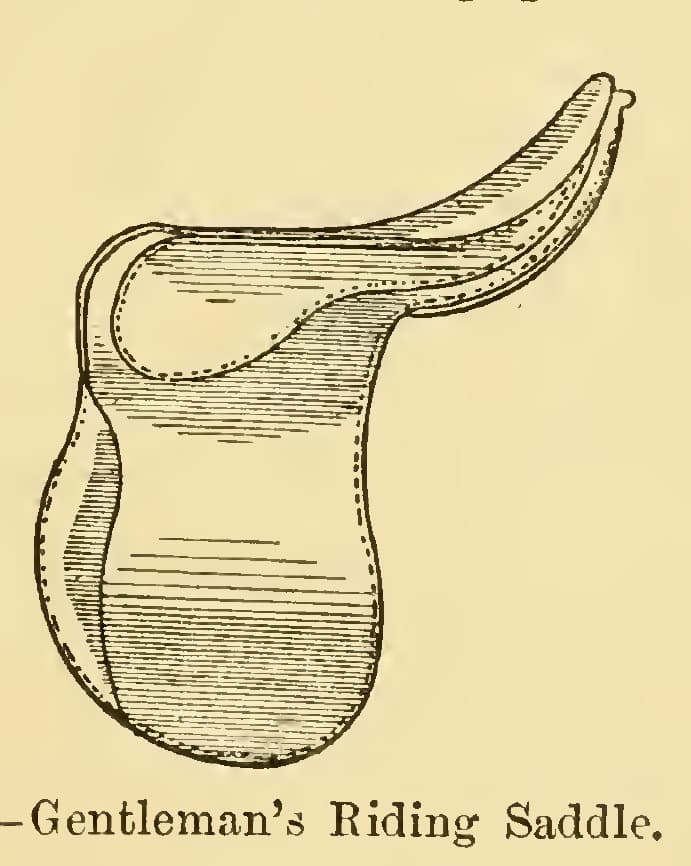
From **Saddlery**, edited by Paul N. Hasluck, David McKay, 1904 (archive.org saddlery00hasl), chapter V, saddle cloths, pp. 49-50, Figs. 16-17; read on the scan. He gives no sizes, only the rule "the same shape as the saddle, but a little larger". He notes that kersey, a coarse, usually ribbed woollen cloth, was famous from Devon as far back as the fourteenth century. Marking round the saddle, the thread and tools are ours.
Matériaux
5- 1 pièceEspace réservé
- 1 pièceEspace réservé
- 2 piècesEspace réservé
- 2 piècesEspace réservé
- 1 pièceEspace réservé
Ce plan fabrique

Blueprints liés
Ces blueprints partagent des connaissances — techniques, matériaux ou principes
CC0 Domaine public
Ce blueprint est publié sous CC0. Vous êtes libre de copier, modifier, distribuer et utiliser ce travail pour tout usage, sans demander la permission.
Soutenez le Maker en achetant des produits via son Blueprint où il perçoit une Commission Maker définie par les Vendeurs, ou créez une nouvelle itération de ce Blueprint et incluez-le comme connexion dans votre propre Blueprint pour partager les revenus.