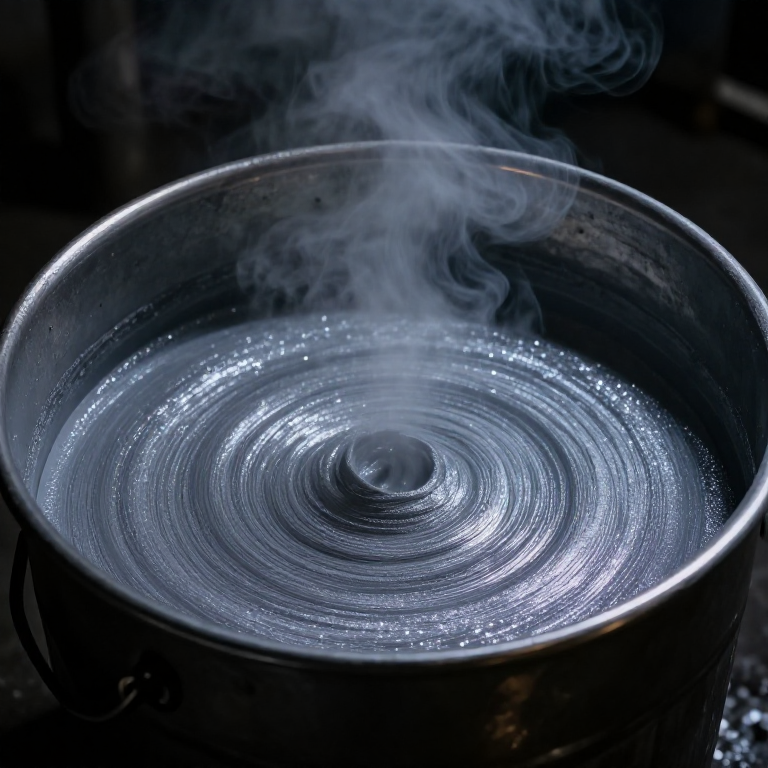


Galvanizing Iron with Zinc — A Coat That Rusts So the Iron Will Not
Iron's great weakness is rust. Left in the weather, an iron roof or bucket flakes away to nothing in a few years. In 1837 the French engineer Stanislas Sorel patented a cure that is still used on a vast scale today: dip the iron in a bath of molten zinc. The zinc bonds to the surface and shields the iron beneath, and galvanized iron suddenly lasted for decades outdoors.
The zinc protects in two ways at once. It is a barrier, sealing the iron from air and water — but more cleverly, it is a sacrifice. Zinc is more reactive than iron, so even where the coating is scratched and bare iron shows, the surrounding zinc corrodes first and spares the iron. The coating gives up itself to save the metal underneath.
Hot-dip galvanizing clad the Industrial Revolution's wire, nails, pipes, and the corrugated iron roofs that sheltered half the world. It is simple in principle — clean the iron, flux it, and dip it in molten zinc — but every step matters, because a missed patch of grease or rust leaves a hole in the armour.
Consignes
Understand galvanizing
Understand galvanizing
Degrease the iron
Degrease the iron
Matériaux pour cette étape :
 Soude caustique (hydroxyde de sodium)200 g
Pickle off the rust
Pickle off the rust
Matériaux pour cette étape :
 Acide sulfurique2 litres
Outils nécessaires :
 Cuve à acide
Rinse and flux
Rinse and flux
Matériaux pour cette étape :
 Chlorure de zinc et d'ammonium300 g
Dry the fluxed part
Dry the fluxed part
Melt the zinc bath
Melt the zinc bath
Matériaux pour cette étape :
 Lingots de zinc50 kg
Dip the iron
Dip the iron
Outils nécessaires :
 Pince à creuset
Hold until soaked through
Hold until soaked through
Outils nécessaires :
Pince à creusetWithdraw and drain
Withdraw and drain
Outils nécessaires :
 Panier de trempage
Cool the coating
Cool the coating
Matériaux pour cette étape :
 Eau20 litres
Inspect the coat
Inspect the coat
Outils nécessaires :
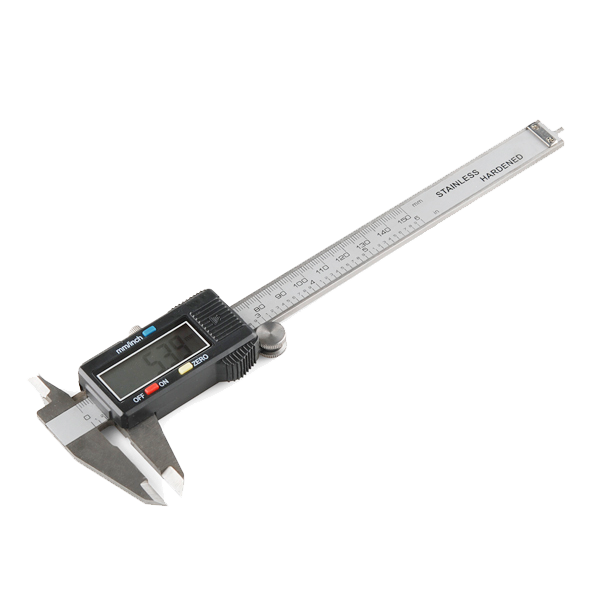 Calipers
Understand sacrificial protection
Understand sacrificial protection
Matériaux
5- Espace réservé
- 2 litresEspace réservé
- Espace réservé
- 50 kgEspace réservé
- 20 litresEspace réservé
Outils requis
4- Espace réservé
- Espace réservé
- Espace réservé
- Digital Calipers - 152.4 mm10 % de commission€12.55
Matériaux des Blueprints connectés
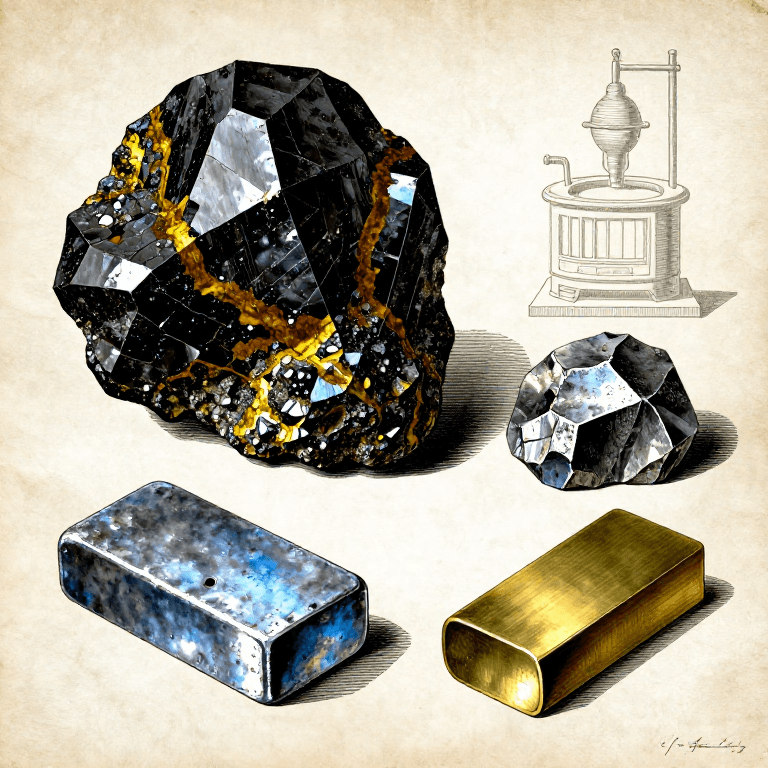


Blueprints liés
Ces blueprints partagent des connaissances — techniques, matériaux ou principes

CC0 Domaine public
Ce blueprint est publié sous CC0. Vous êtes libre de copier, modifier, distribuer et utiliser ce travail pour tout usage, sans demander la permission.
Soutenez le Maker en achetant des produits via son Blueprint où il perçoit une Commission Maker définie par les Vendeurs, ou créez une nouvelle itération de ce Blueprint et incluez-le comme connexion dans votre propre Blueprint pour partager les revenus.