ART
BEAUTÉ ET BIEN-ÊTRE
ARTISANAT
CULTURE ET HISTOIRE
DIVERTISSEMENT
ENVIRONNEMENT
NOURRITURE ET BOISSONS
INGÉNIERIE INVERSE
SCIENCES
SPORTS
TECHNOLOGIE
TECHNOLOGIE PORTABLE
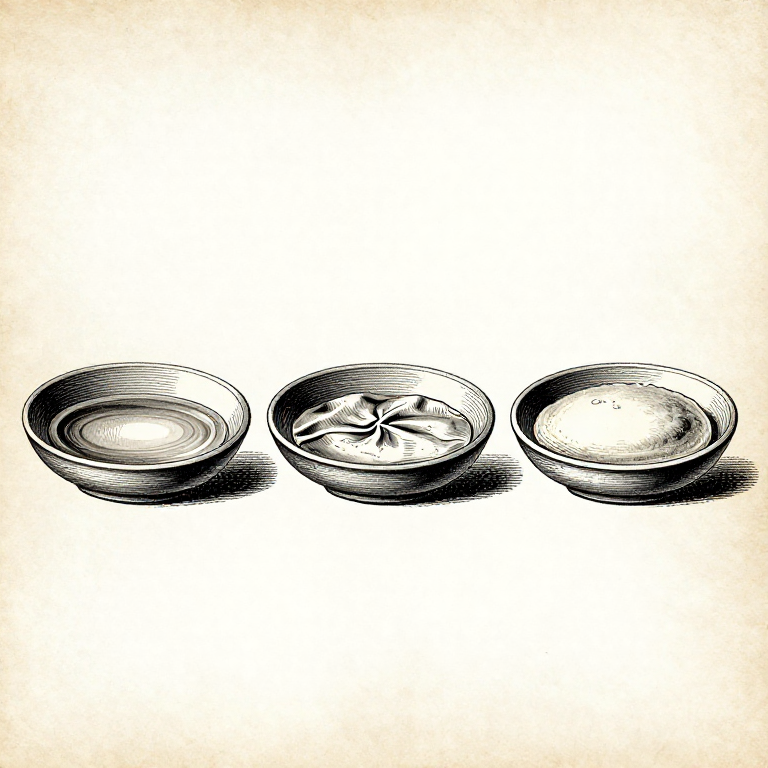
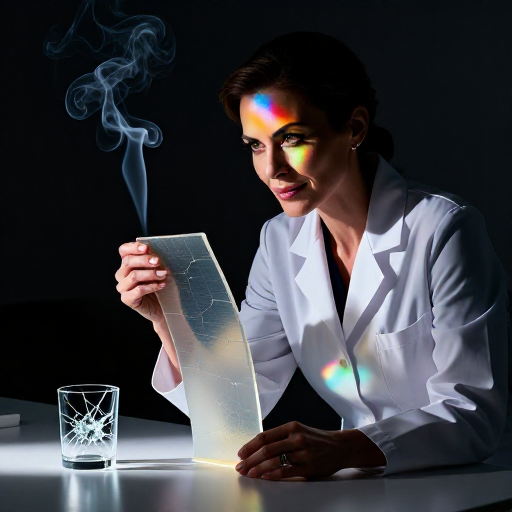

Drying Is Not Evaporating: Three Different Mechanisms, Three Different Films
"Dry" means three completely different things depending on the binder, and confusing them is behind most surprises with paint.
EVAPORATION: the liquid leaves and the solid it was carrying is left behind, unchanged. Watercolour dries this way, which is why it re-dissolves in water for ever.
COALESCENCE: suspended polymer particles are pushed together as the water leaves and fuse into a continuous film. Acrylic does this, and it is irreversible. OXIDATIVE CROSS-LINKING: the binder reacts with oxygen from the air and builds a new molecule that did not exist before. Drying oils do this, which is why oil paint takes years and why it gets harder for decades.
Intermédiaire
3 hours
Consignes
1
1
Evaporation: reversible, and that is the whole character
Evaporation: reversible, and that is the whole character
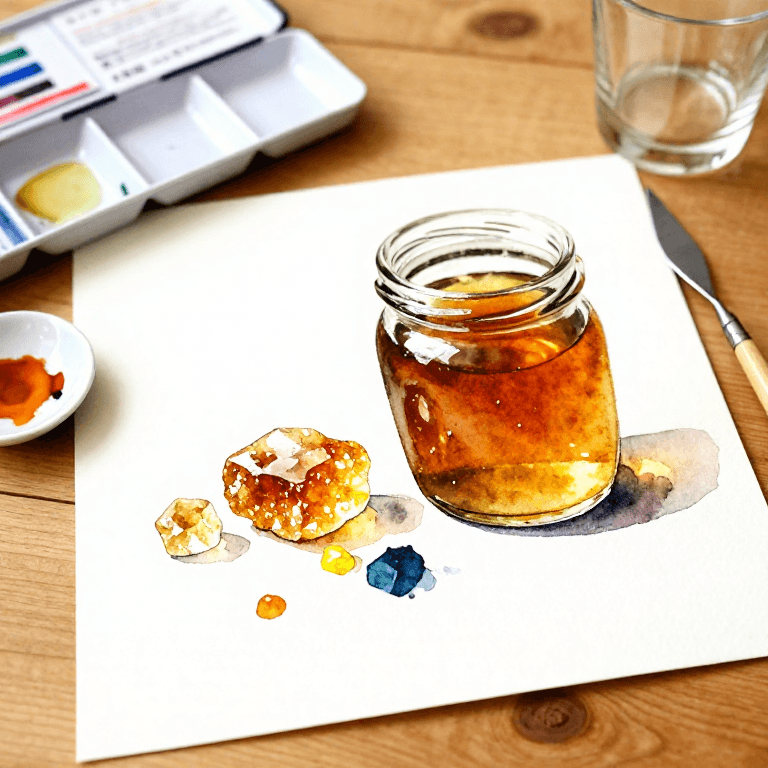
Gum arabic dissolves in water and comes out again when the water goes. Nothing chemical has happened, so adding water re-dissolves it completely.
That is why watercolour can be lifted, softened and reworked indefinitely, and why a finished watercolour is so vulnerable — a drop of water on a framed painting damages it in seconds.
It also means watercolour has no real drying TIME in the chemical sense. It is as dry as it will ever be once the water has gone, which is minutes. Layers can be built quickly, at the cost of every layer disturbing the one below.
Matériaux pour cette étape :
 Gomme arabique1 pièce
 Eau1 litre
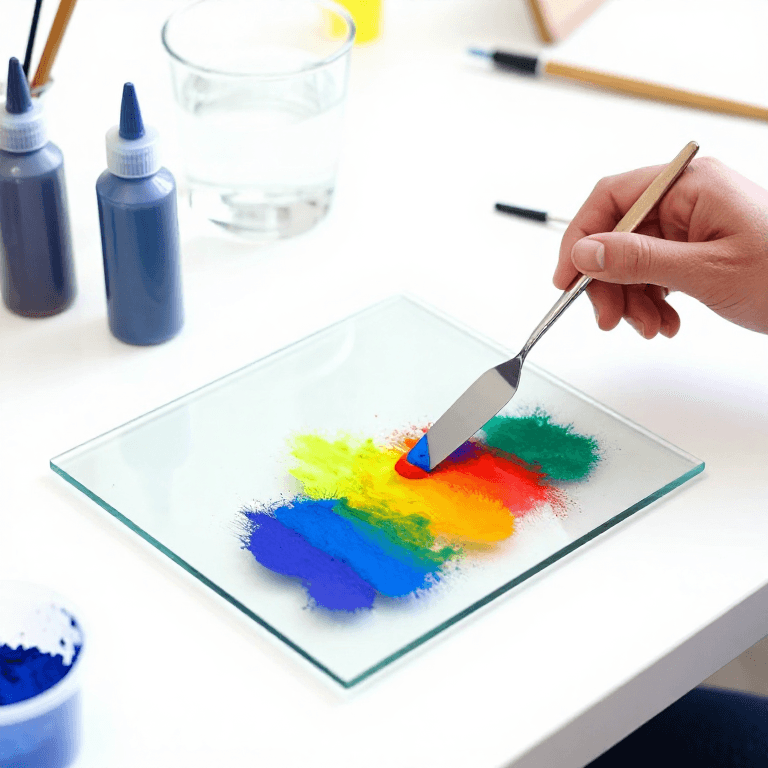
 Coffret de pigments de terre en poudre1 pièce
Outils nécessaires :
 Jeu de pinceaux d'artiste
 Bécher en verre
 Loupe de bijoutier
2
2
Coalescence: one chance, and then it is permanent
Coalescence: one chance, and then it is permanent
Acrylic paint is solid polymer particles suspended in water. As the water leaves, surface tension forces the particles together and they deform and fuse. Once fused they cannot be separated.
So acrylic is workable for minutes and then finished. It cannot be re-wetted, which is why a palette dries into a skin and why a brush left standing is ruined rather than dirty.
It also has a MINIMUM FILM FORMATION TEMPERATURE. Below it the particles are too hard to deform and never fuse properly, so the film is a weak powder that looks right and is not. Painting acrylic in a cold studio produces exactly that, and the fault appears later as chalking.
Matériaux pour cette étape :
Eau1 litreCoffret de pigments de terre en poudre1 pièceOutils nécessaires :
Jeu de pinceaux d'artisteLoupe de bijoutier3
3
Oxidative cross-linking: the film gains mass
Oxidative cross-linking: the film gains mass
Chargement du notebook Jupyter…
Matériaux pour cette étape :
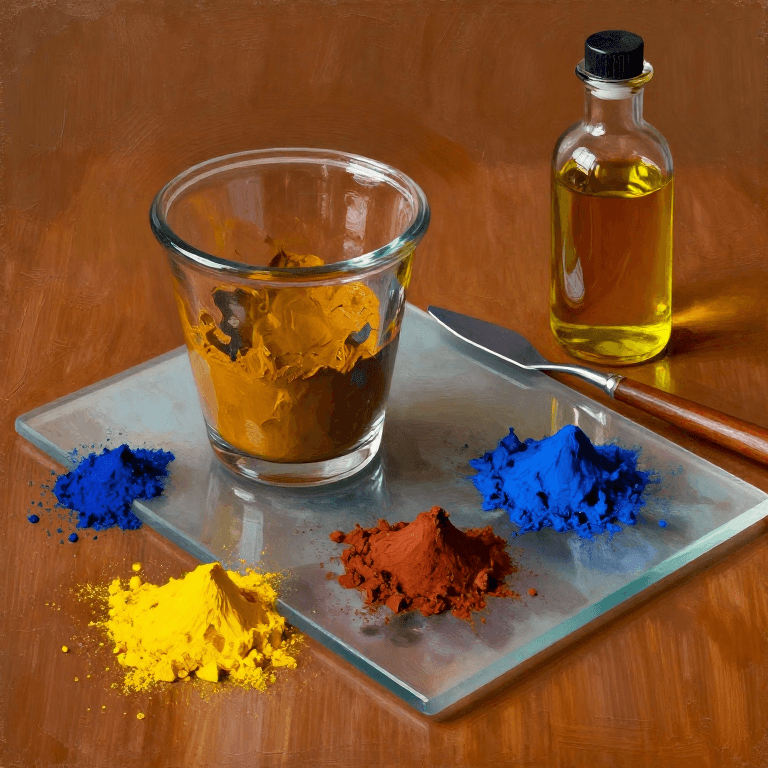
 Huile de lin1 pièceCoffret de pigments de terre en poudre1 pièce
Outils nécessaires :
 Balance de précision
 Ordinateur de bureau
4
4
Driers speed it up and cost something
Driers speed it up and cost something
Metal DRIERS — cobalt, manganese, zirconium salts — catalyse the oxidation and can turn a week into a day. They are why 'boiled' linseed oil is called that: it is usually not boiled but dosed with driers.
The cost is that a catalysed film keeps oxidising past the point it should stop. Over-catalysed oil paint becomes brittle and yellows more, and it does so over decades — so the fault appears long after the person who added the drier has stopped painting.
Use as little as will do, and never add driers to an upper layer if the lower ones have none. That would make the top layer dry FIRST, which is the fat-over-lean violation arriving through a different door.
Matériaux pour cette étape :
 Huile de lin cuite1 pièceHuile de lin1 pièce
Outils nécessaires :
Balance de précisionBécher en verre Gants en nitrile
Matériaux
5- 1 pièceEspace réservé
- 2 litresEspace réservé
- Espace réservé
- 2 piècesEspace réservé
- 1 pièceEspace réservé
Outils requis
6- Espace réservé
- Espace réservé
- Espace réservé
- Espace réservé
- Espace réservé
- Espace réservé
Blueprints liés
Ces blueprints partagent des connaissances — techniques, matériaux ou principes

CC0 Domaine public
Ce blueprint est publié sous CC0. Vous êtes libre de copier, modifier, distribuer et utiliser ce travail pour tout usage, sans demander la permission.
Soutenez le Maker en achetant des produits via son Blueprint où il perçoit une Commission Maker définie par les Vendeurs, ou créez une nouvelle itération de ce Blueprint et incluez-le comme connexion dans votre propre Blueprint pour partager les revenus.