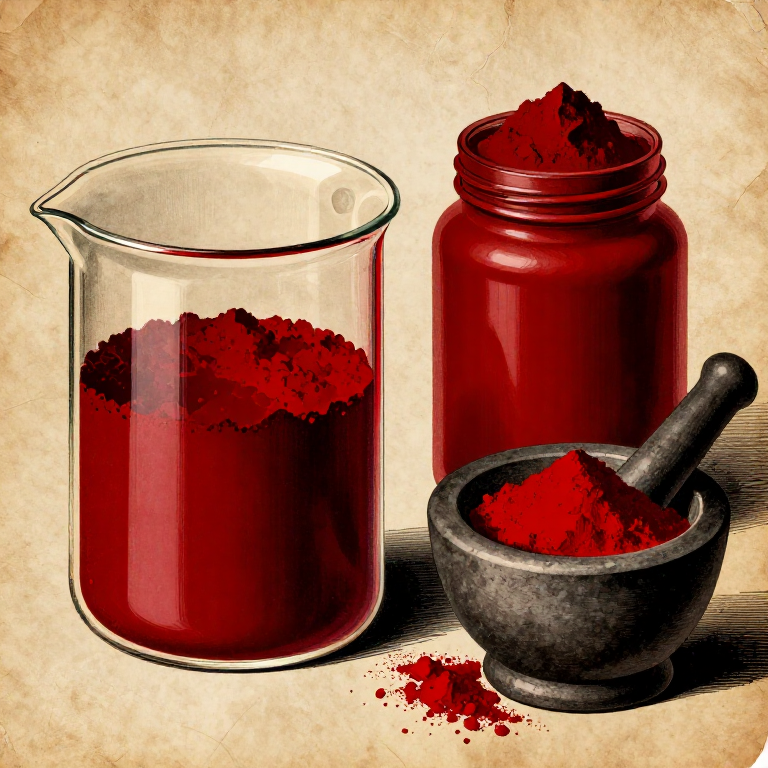

Making Cadmium Red — The Brilliant Cadmium Selenide Pigment of the 20th Century
Cadmium Red (cadmium sulfo-selenide, CdS₁₋ₓSeₓ) was the last great addition to the painter's palette of permanent inorganic pigments. First produced around 1910 and commercially available by 1919, it offered what no earlier red could: brilliance, opacity, permanence, and resistance to light, heat, and alkali — all in a single pigment. It replaced vermilion (mercury sulfide, toxic and prone to darkening), red lead (lead tetroxide, toxic and unstable), and the various alizarin lakes (beautiful but fugitive).
The chemistry exploits a solid-solution series between cadmium sulfide (yellow) and cadmium selenide (deep red). By varying the selenium-to-sulfur ratio, the artist can produce any hue from cadmium orange (low Se) through cadmium red light to cadmium red deep (high Se). In this blueprint we target a medium cadmium red by mixing cadmium carbonate with selenium and sulfur powders and calcining the intimate mixture at 500–600 °C in a sealed crucible.
SAFETY WARNING: This process is EXTREMELY HAZARDOUS. Cadmium compounds are toxic heavy metals classified as Group 1 carcinogens — they cause lung cancer via inhalation and accumulate in kidneys with chronic exposure. Selenium is also toxic: inhalation of selenium dust or fumes causes serious respiratory injury, and heated selenium produces a characteristic garlic-like odour that indicates dangerous exposure levels. Both cadmium and selenium fumes are released during calcination. Work OUTDOORS ONLY with a P100 respirator, full-face goggles, and leather gauntlets. Never handle cadmium or selenium with bare hands. Dispose of all wash water and by-products as hazardous waste.
Contenu dangereux
Ce blueprint contient des procédures dangereuses. Connectez-vous et activez le contenu dangereux dans les paramètres de votre compte pour voir les instructions étape par étape.
Se connecterCe plan fabrique

Blueprints liés
Ces blueprints partagent des connaissances — techniques, matériaux ou principes
Synthesising Vermillion from Mercury and Sulfur — The King of Red Pigments
par Charlie
ART
Making Red Lead (Minium) — The Pigment That Named the Art of Miniature Painting
par Charlie
ART
Making Cinnabar Red Pigment — Grinding Mercury Sulfide into the Most Vivid Red of the Ancient World
par Charlie
ART
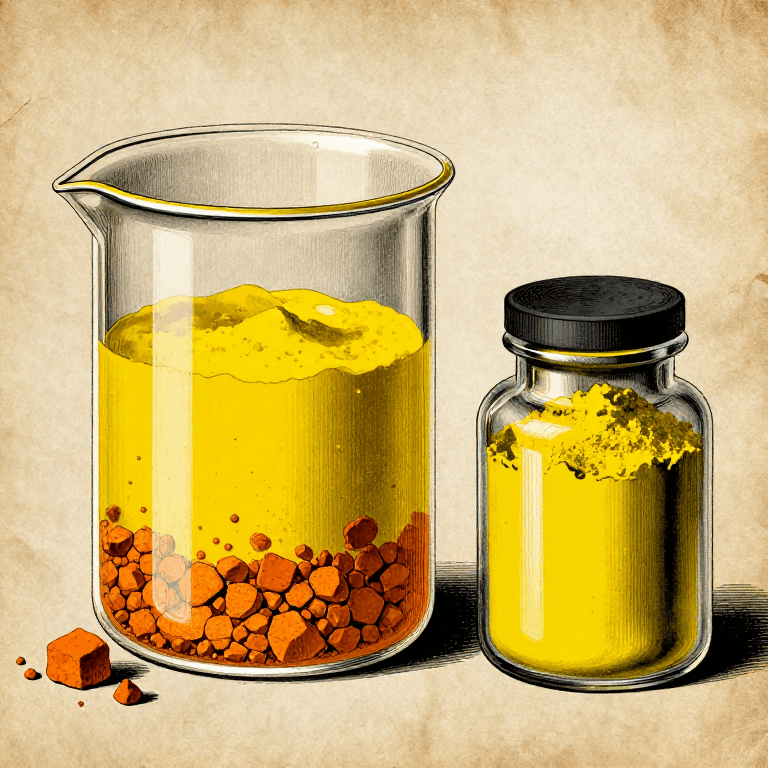
Making Chrome Yellow — The Brilliant Lead Chromate Pigment of the 19th Century
par Charlie
ART
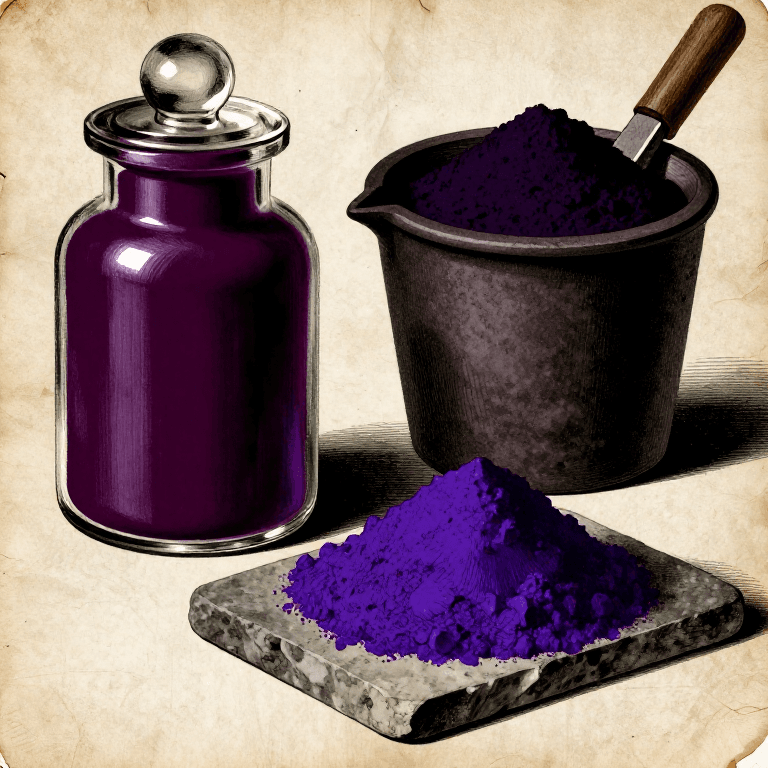
Making Manganese Violet — The Affordable Violet Pigment That Democratised the Palette
par Charlie
ART
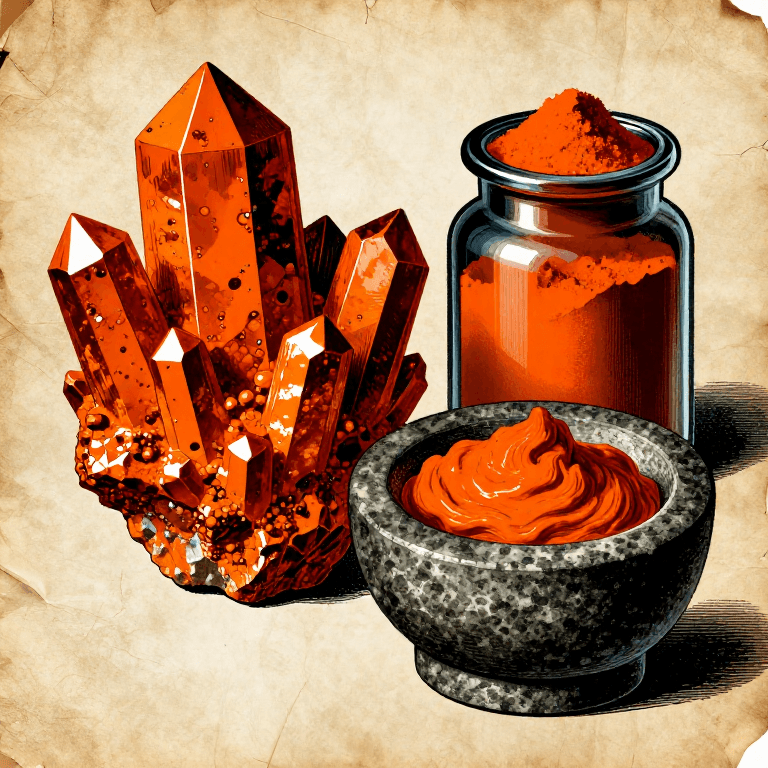
Making Realgar Orange Pigment — The Arsenic Companion to Orpiment
par Charlie
ART
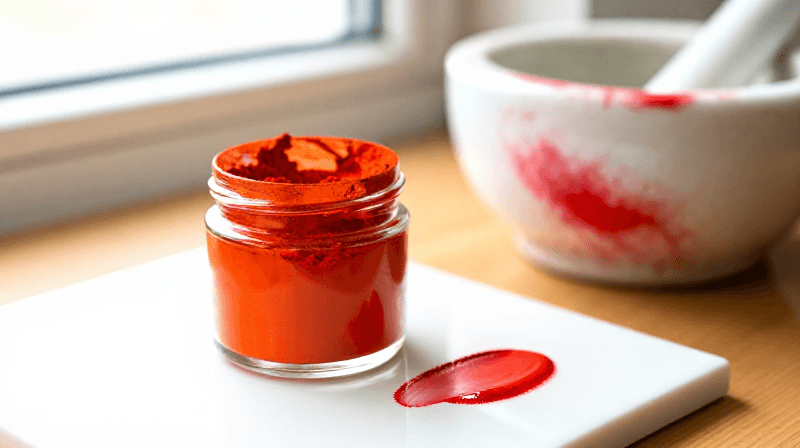
Making DPP Red (Pyrrole Red) — The Accidental Ferrari Pigment That Ended the Synthetic Colour Revolution
par Charlie
ART
CC0 Domaine public
Ce blueprint est publié sous CC0. Vous êtes libre de copier, modifier, distribuer et utiliser ce travail pour tout usage, sans demander la permission.
Soutenez le Maker en achetant des produits via son Blueprint où il perçoit une Commission Maker définie par les Vendeurs, ou créez une nouvelle itération de ce Blueprint et incluez-le comme connexion dans votre propre Blueprint pour partager les revenus.