
Collaboration
ART
BEAUTÉ ET BIEN-ÊTRE
ARTISANAT
CULTURE ET HISTOIRE
DIVERTISSEMENT
ENVIRONNEMENT
NOURRITURE ET BOISSONS
INGÉNIERIE INVERSE
SCIENCES
SPORTS
TECHNOLOGIE
TECHNOLOGIE PORTABLE
Malt Whisky: Malt and Barley Meal Mashed at 150 F, Fermented 8 to 12 Days and Distilled (Byrn, 1868)
Alchometer

Créé par

Alchometer

18. novembre 2026GB
2
0
0
0
0

Malt Whisky: Malt and Barley Meal Mashed at 150 F, Fermented 8 to 12 Days and Distilled (Byrn, 1868)

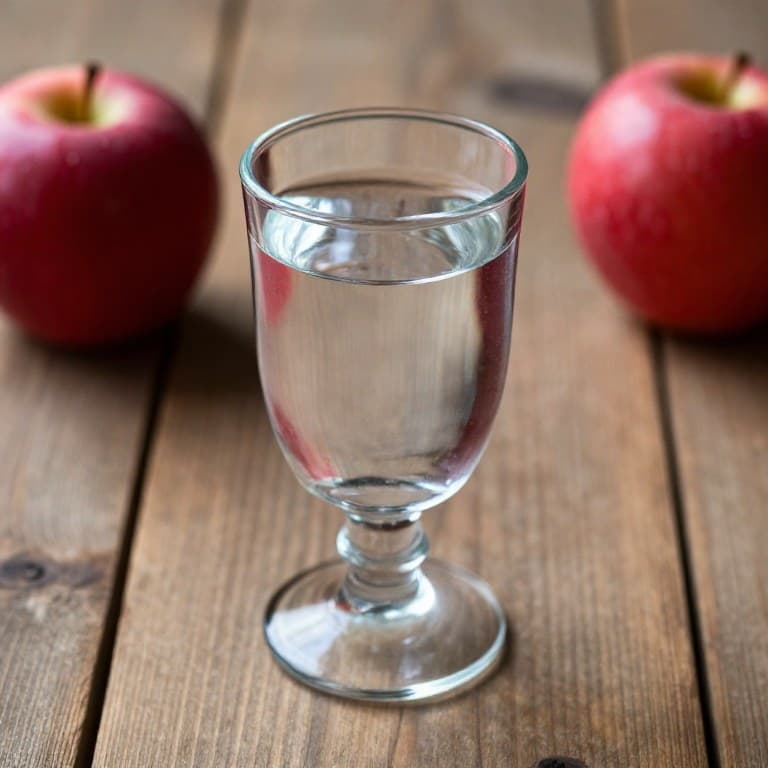
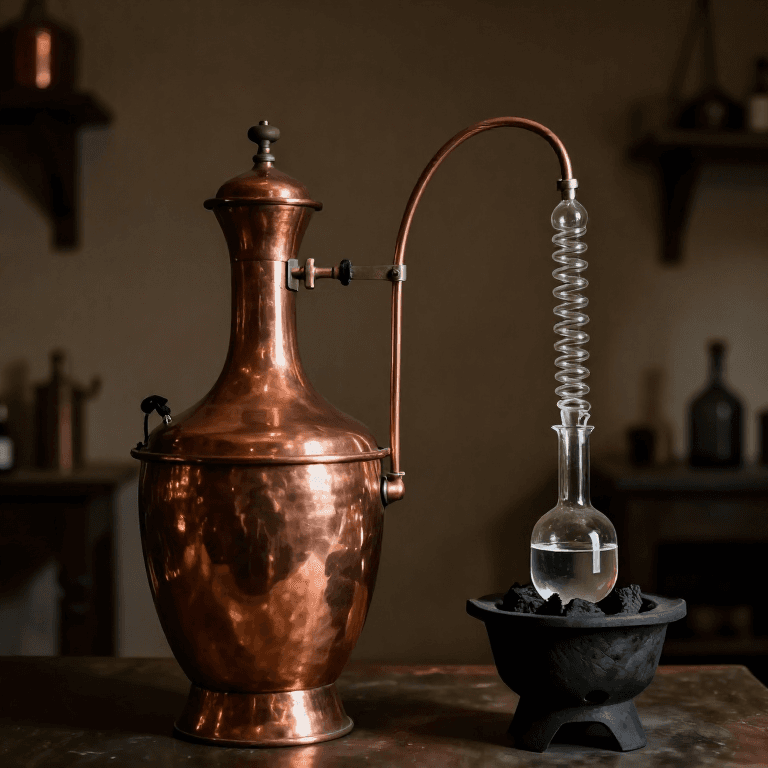
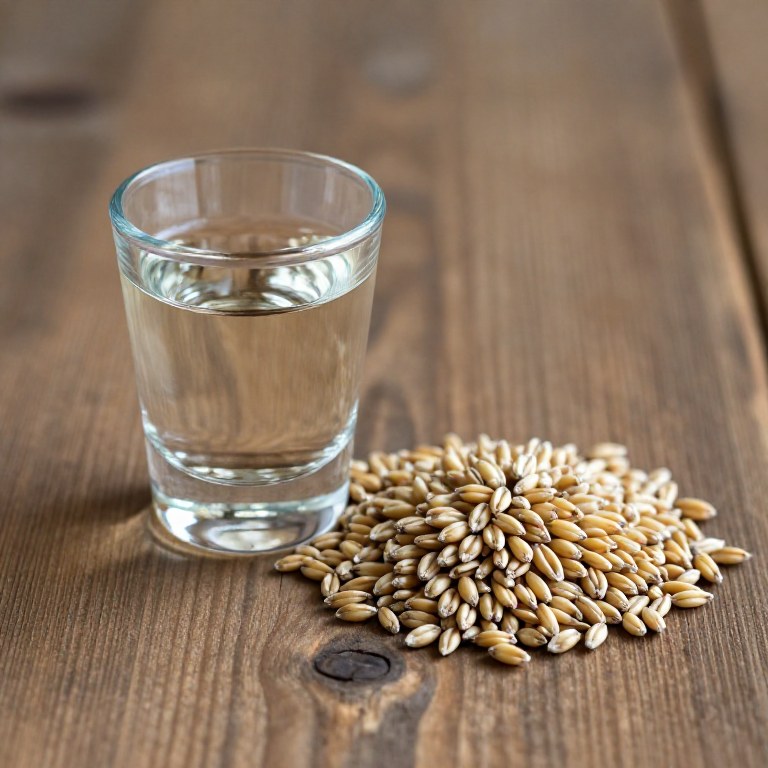
Malt whisky as M. La Fayette Byrn gives it in The Complete Practical Distiller (1868): one part bruised malt to four to nine of barley meal, with oats, mashed at 150 F, the wort drawn off and a second hotter water run through, cooled quickly to 65-70 F, fermented eight to twelve days with yeast added over three days, then distilled and doubled. Distilling spirits without a licence is illegal in many countries: check your law first.
Avancé
About 3 weeks

Consignes

1

Read Byrn, and the law

"In this country the term distillation is often applied to the whole process of converting malt or other saccharine matter into spirits or alcohol." (p. 96.) Ours: distilling spirits without a licence is illegal in many countries, Norway and the United States among them. Check your law first.
2

The still

A pot still with a worm in a tub of cold water.
3

His measures in metric

Chargement du notebook Jupyter…
4

Bruise and grind

Bruise 1 part of malt and grind 4 to 9 parts of barley to meal. Add oats in proportion to the raw grain.

Matériaux pour cette étape :

Malt pâleMalt pâle1 as required
Grain d'orgeGrain d'orge1 as required
Grain d'avoineGrain d'avoine1 as required

Outils nécessaires :

Moulin à grainMoulin à grain
5

Mash at 150 F

Infuse the meal with 12 to 13 gallons of water at 150 F (66 C) per bushel. Stir hard to break the lumps, for two hours or more, keeping the heat up with 7 or 8 gallons more of water just under boiling.

Matériaux pour cette étape :

EauEau1 as required

Outils nécessaires :

Baquet en boisBaquet en bois
Cuillère en boisCuillère en bois
Thermomètre de cuissonThermomètre de cuisson
Grande marmiteGrande marmite
6

Settle and draw off

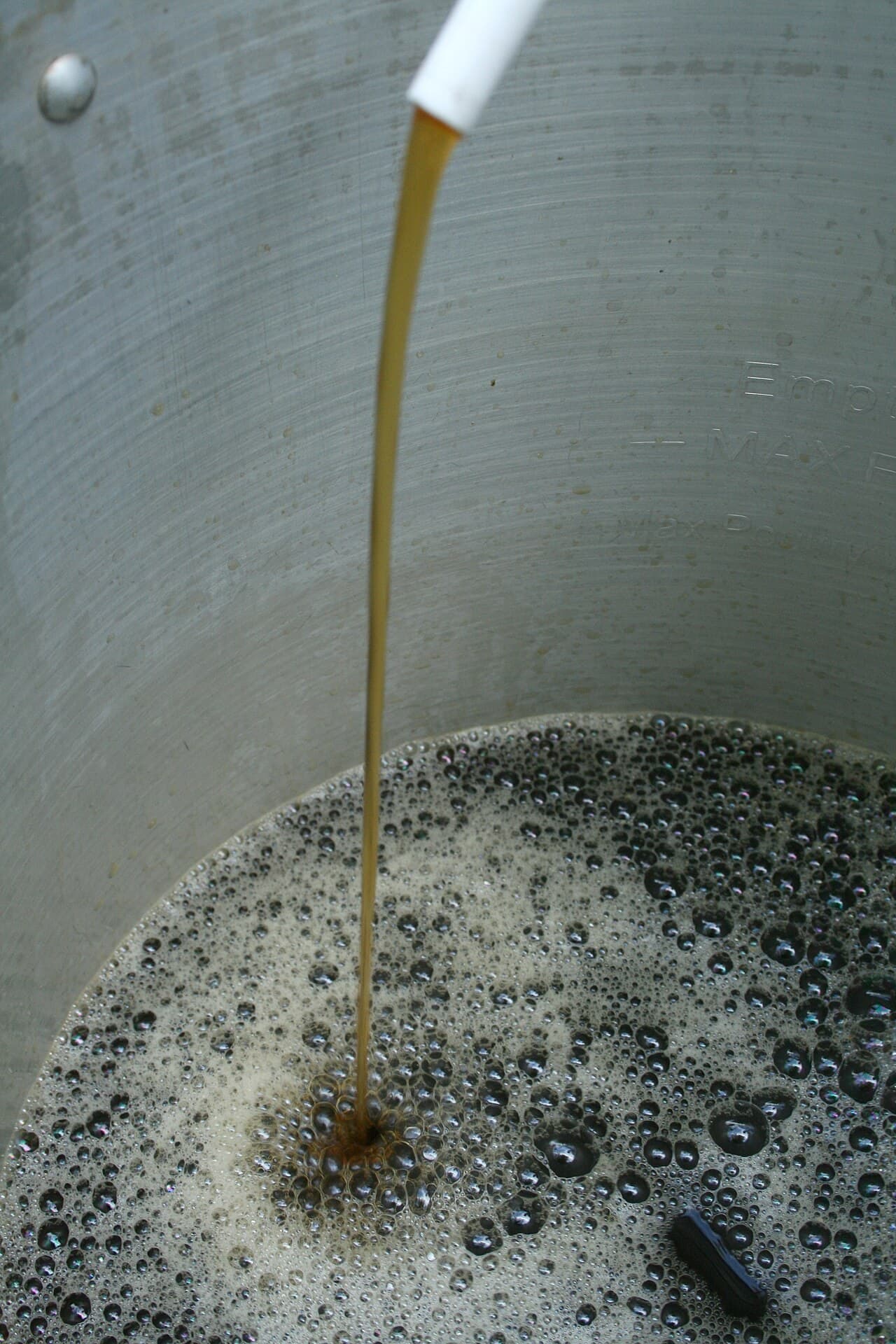
Let it settle two hours, then run off the wort from the top, about one-third of the water used.

Outils nécessaires :

Baquet en boisBaquet en bois
Verre doseurVerre doseur
7

Second water

Add about 8 gallons more water a little under 200 F (93 C), stir half an hour, let it settle an hour and a half, and draw it off.

Matériaux pour cette étape :

EauEau1 as required

Outils nécessaires :

Grande marmiteGrande marmite
Cuillère en boisCuillère en bois
Thermomètre de cuissonThermomètre de cuisson
8

Cool fast to 65-70 F

Cool the worts as fast as possible to 65-70 F (18-21 C), in shallow troughs 2 or 3 inches deep or through a pipe in cold water, "to prevent acetification".

Outils nécessaires :

Baquet en boisBaquet en bois
Thermomètre de cuissonThermomètre de cuisson
9

Yeast over three days

Run the wort into the fermenting vessel. Add yeast in nearly equal portions over three days, about 1 gallon in all for every 2 bushels of meal.

Matériaux pour cette étape :

Levure de brassageLevure de brassage1 as required

Outils nécessaires :

Tonneau en boisTonneau en bois
10

Ferment 8 to 12 days

The heat rises to its highest, 80 F (27 C), in three or four days. Fermentation ends in eight to twelve days; close the vessel for the last half.

Outils nécessaires :

Tonneau en boisTonneau en bois
Thermomètre de cuissonThermomètre de cuisson
11

Charge and lute the still

Charge the still with the fermented wash and put in a piece of soap to keep it from frothing. Lute the joints of body and head with a paste of half whiting and half rye meal. Keep a piece of paste in reserve.

Matériaux pour cette étape :

Carbonate de calcium (blanc de Meudon)Carbonate de calcium (blanc de Meudon)1 as required

Farine de seigleFarine de seigle1 as required
EauEau1 as required
Pain de savonPain de savon1 pièce

Outils nécessaires :
Alambic de distillationAlambic de distillation
12

Raise the fire by degrees

Start a moderate fire and increase it by degrees, feeling the body of the still with your hand. When the still-head grows hot, damp the fire. Keep candles and flames away from the spirit; have a wet woollen blanket ready.

Outils nécessaires :

Alambic de distillationAlambic de distillation

Couverture en laine tisséeCouverture en laine tissée
13

Set aside the first runnings

Ours, not Byrn's: collect the first small portion that runs from the worm separately and do not drink it; the first runnings of a fruit spirit can carry methanol.

Outils nécessaires :

Verre doseurVerre doseur
14

Run the low wines

Distil off the low wines. Byrn: "an hydrometer is used to ascertain its progressive diminution of strength; and when it acquires a certain weakness the process is stopped"; or, his general test, as long as a little thrown on the hot still-head will take fire.

Outils nécessaires :

Alambic de distillationAlambic de distillation
BougieBougie
Tonneau en boisTonneau en bois
DensimètreDensimètre
15

Double the low wines

Keep the low wines of about three distillations; they fill the still for the doubling, the second extraction. Distil them again the same way.

Outils nécessaires :

Alambic de distillationAlambic de distillation
16

Cut at the bead

Keep trying the spirit in a glass phial. When the bead falls at once and does not stay on the surface, change the receiver: what follows is feints.

Outils nécessaires :

Flacon de verre (petit, pour échantillons)Flacon de verre (petit, pour échantillons)
Verre doseurVerre doseur
17

Collect the feints, stop the fire

Go on collecting the feints as long as they burn on the still-head. When they no longer burn, put out the fire and pour the feints into a cask of their own.

Outils nécessaires :

Tonneau en boisTonneau en bois
BougieBougie
18

Bring to proof

Lower the spirit with water to proof by the hydrometer.

Matériaux pour cette étape :

EauEau1 as required

Outils nécessaires :

DensimètreDensimètre
Verre doseurVerre doseur
19

Redistil the feints

When you have enough feints, charge the still with them almost to the top, add 4 lb (1.8 kg) of salt, and draw off as long as the spirit is strong enough.

Matériaux pour cette étape :

SelSel1.8 kg

Outils nécessaires :

Alambic de distillationAlambic de distillation
20

Keep it in glass

Byrn, on brandy: "When brandy is kept in vessels the pores of which will not admit of any transmission of the liquor, (as glass, for instance,) the brandy will improve." (p. 95.)

Matériaux pour cette étape :

Bouteilles en verre avec bouchonsBouteilles en verre avec bouchons1 pièce

Outils nécessaires :

Verre doseurVerre doseur
21

Troubleshooting

Malt whisky problems and fixes.

Flow

Loading...
22

History and honest limits

**M. La Fayette Byrn**, *The Complete Practical Distiller* (Philadelphia, 1868), pp. 96-97. He notes that "Indian corn, in this process, can be used instead of the barley, and the raw oats can be omitted", and that "quick distillation does not injure the flavour of spirits". His doubling and cut are his general pot-still rules (pp. 12-15, 142, 163). He gives no proof figures. Ours: the metric conversions, the law note and setting aside the first runnings.

Matériaux

10

Outils requis

12

CC0 Domaine public

Ce blueprint est publié sous CC0. Vous êtes libre de copier, modifier, distribuer et utiliser ce travail pour tout usage, sans demander la permission.

Soutenez le Maker en achetant des produits via son Blueprint où il perçoit une Commission Maker définie par les Vendeurs, ou créez une nouvelle itération de ce Blueprint et incluez-le comme connexion dans votre propre Blueprint pour partager les revenus.

Commentaires

(0)

Se connecter pour participer à la discussion

Chargement des commentaires...