ART
BEAUTÉ ET BIEN-ÊTRE
ARTISANAT
CULTURE ET HISTOIRE
DIVERTISSEMENT
ENVIRONNEMENT
NOURRITURE ET BOISSONS
INGÉNIERIE INVERSE
SCIENCES
SPORTS
TECHNOLOGIE
TECHNOLOGIE PORTABLE
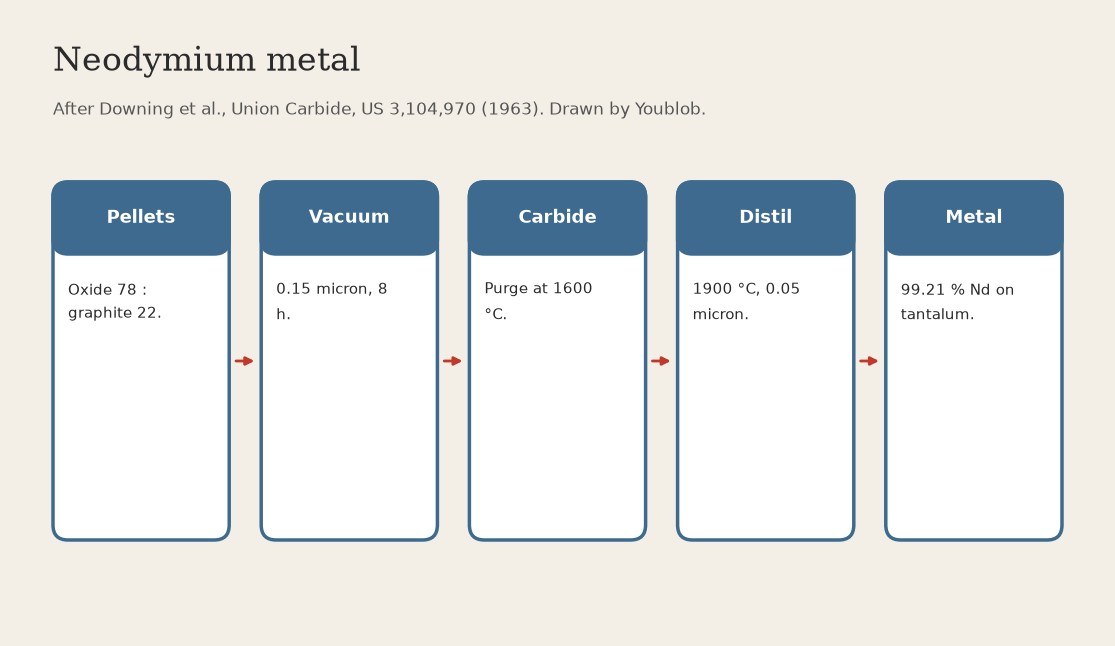


Neodymium Metal: Oxide Reduced by Graphite in Vacuum, Distilled at 1900 °C onto Tantalum (Downing, Union Carbide, US 3,104,970)
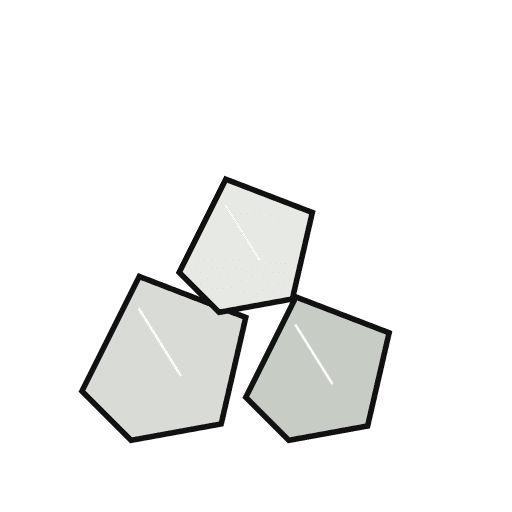
Carbon cannot pull neodymium out of its oxide in an ordinary furnace. In a hard vacuum it can: the oxide and graphite turn into neodymium carbide, and at 1900 °C the neodymium itself boils off and condenses as metal on a cool tantalum plate.
Result: neodymium metal, 99.21 % Nd and 0.83 % carbon in Union Carbide's run.
Source: Downing, Gorski and Koerner, US 3,104,970 (Union Carbide, 1963), Example II. That example starts from a samarium-neodymium mixture; using it for pure neodymium oxide is ours. Picture drawn by Youblob.
Avancé
2 days
Consignes
1
1
Mix with graphite and pelletise
Mix with graphite and pelletise
Mix the oxide intimately with powdered graphite (Example II: 78 % oxides to 22 % graphite by weight, 1.8 % carbon over theory; the patent allows 1-15 %, prefers 5-10 %), particles under about 50 microns, and press into 0.75 in pellets.
Matériaux pour cette étape :
 Oxyde de néodyme78 parts
 Poudre de graphite22 parts
Outils nécessaires :
 Balance à fléau
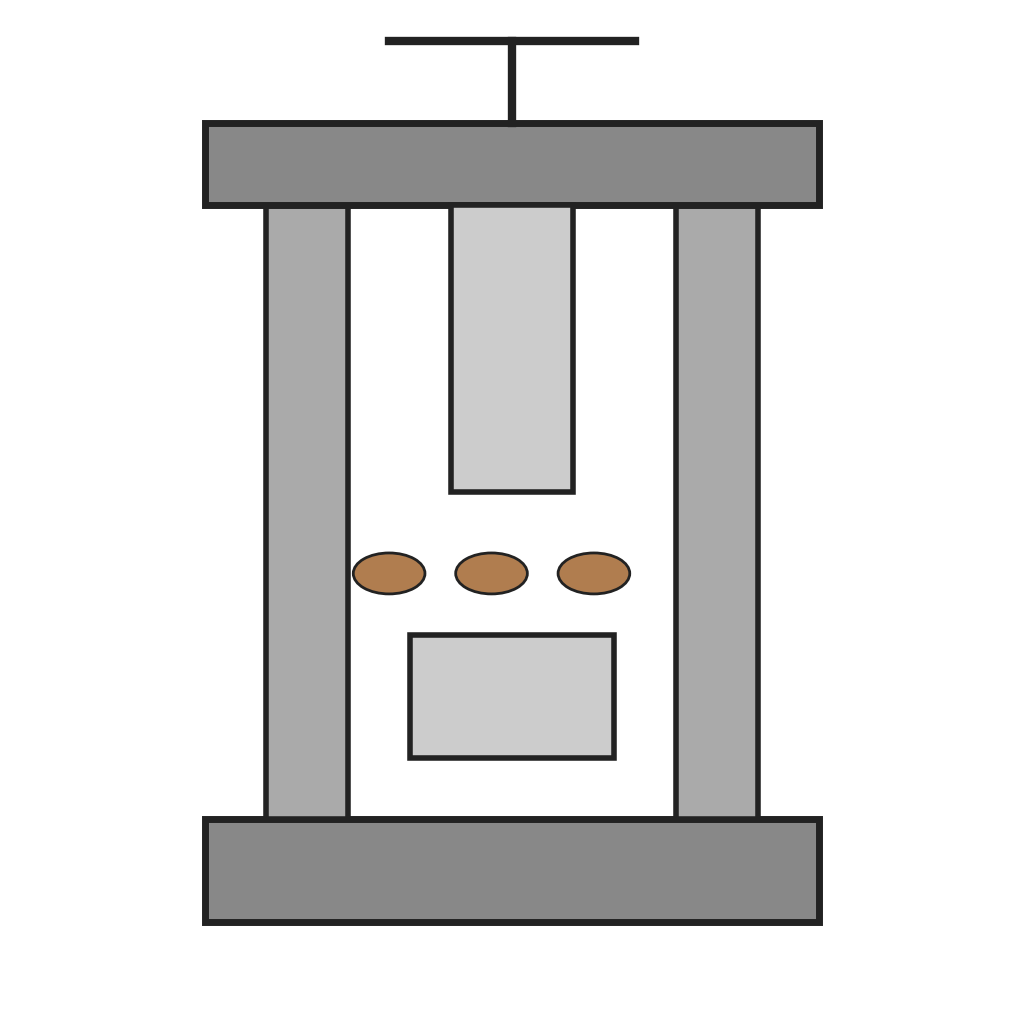 Presse à comprimés
2
2
Reduce in vacuum to the carbide
Reduce in vacuum to the carbide
Heat the pellets in a vacuum induction furnace at 0.15 micron for about 8 hours. The example's temperature is printed "1700-1700 °C"; claim 5 gives about 1920 °C for about 16 hours. Volatile matter goes to a graphite condenser; the neodymium stays behind as carbide.
Outils nécessaires :
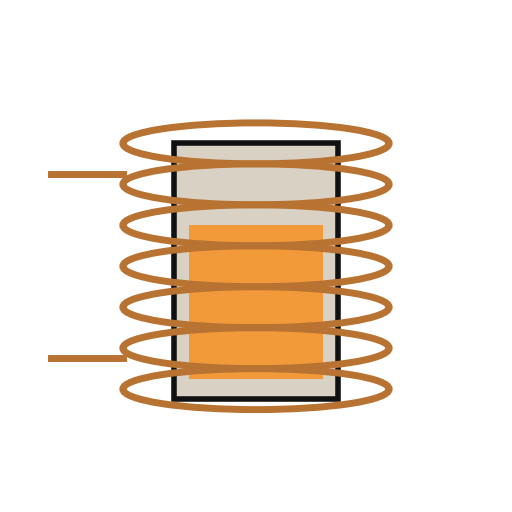 Four à induction
 Pompe à vide
 Creuset en graphite
3
3
Purge at 1600 °C
Purge at 1600 °C
Reheat the carbide residue in a carbon crucible at 1600 °C and 0.05 micron for 1 hour (in the example this drove off the last samarium). The residue is substantially pure neodymium carbide.
Outils nécessaires :
Four à inductionPompe à videCreuset en graphite4
4
Distil the metal at 1900 °C onto tantalum
Distil the metal at 1900 °C onto tantalum
Heat it in a graphite crucible to 1900 °C at 0.05 micron for 3 hours. Neodymium boils off and condenses on a tantalum plate, which barely alloys with it: 99.21 % neodymium, 0.83 % carbon.
Outils nécessaires :
Four à inductionPompe à videCreuset en graphite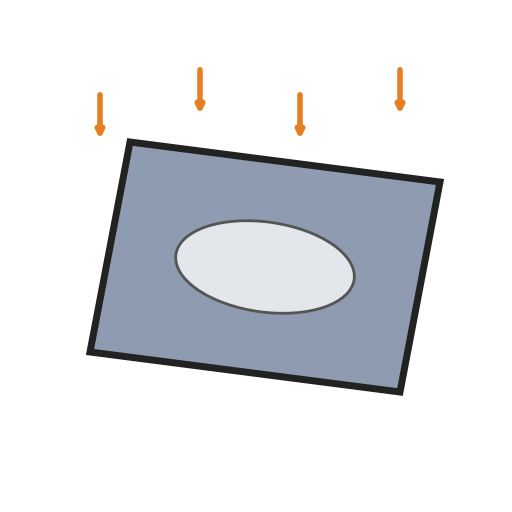 Plaque condenseur en tantale
Matériaux
2- 78 partsEspace réservé
- 22 partsEspace réservé
Outils requis
6- Espace réservé
- Espace réservé
- Espace réservé
- 1 vendor sell this, none ship to you yetEspace réservé
- Espace réservé
- Espace réservé
Ce plan fabrique
Blueprints liés
Ces blueprints partagent des connaissances — techniques, matériaux ou principes
CC0 Domaine public
Ce blueprint est publié sous CC0. Vous êtes libre de copier, modifier, distribuer et utiliser ce travail pour tout usage, sans demander la permission.
Soutenez le Maker en achetant des produits via son Blueprint où il perçoit une Commission Maker définie par les Vendeurs, ou créez une nouvelle itération de ce Blueprint et incluez-le comme connexion dans votre propre Blueprint pour partager les revenus.