ART
BEAUTÉ ET BIEN-ÊTRE
ARTISANAT
CULTURE ET HISTOIRE
DIVERTISSEMENT
ENVIRONNEMENT
NOURRITURE ET BOISSONS
INGÉNIERIE INVERSE
SCIENCES
SPORTS
TECHNOLOGIE
TECHNOLOGIE PORTABLE
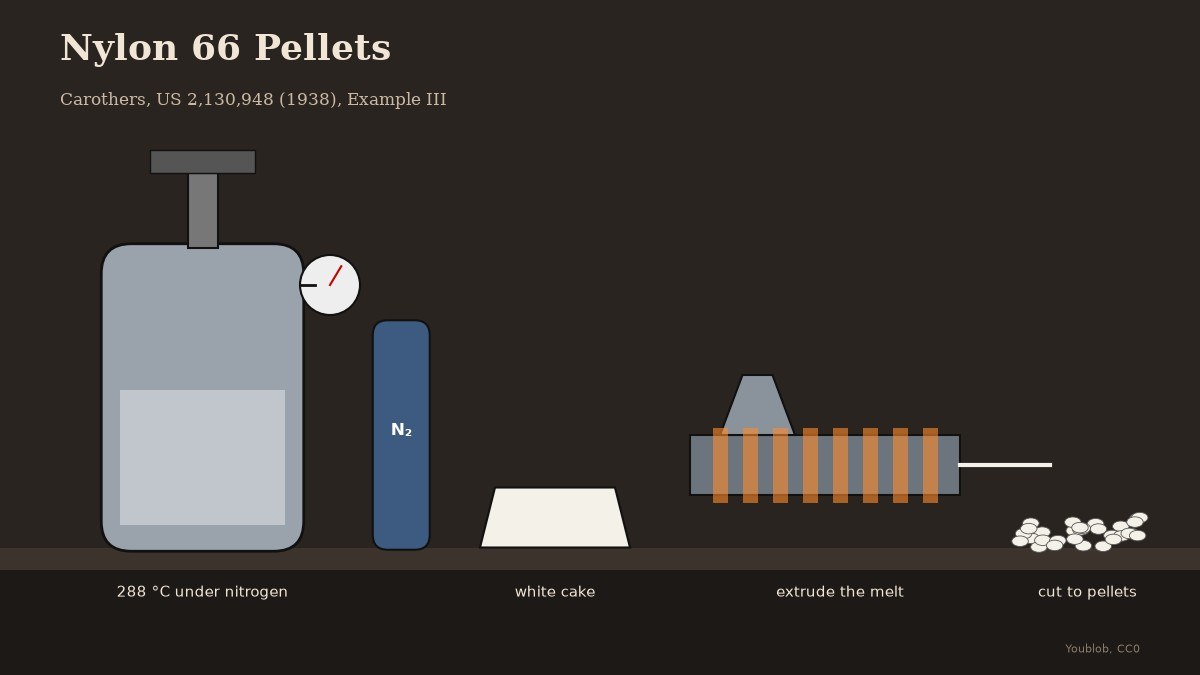

Nylon 66 Pellets: Nylon Salt Polymerised in an Autoclave, Carothers 1938
Nylon salt heated to 288 °C under oxygen-free nitrogen gives off water and joins into long chains of nylon 66 (Carothers, du Pont, US 2,130,948, 1938: two moles of salt in a silver-lined autoclave). A pinch of extra adipic acid keeps the melt's viscosity steady. The polymer is then extruded and cut into pellets.
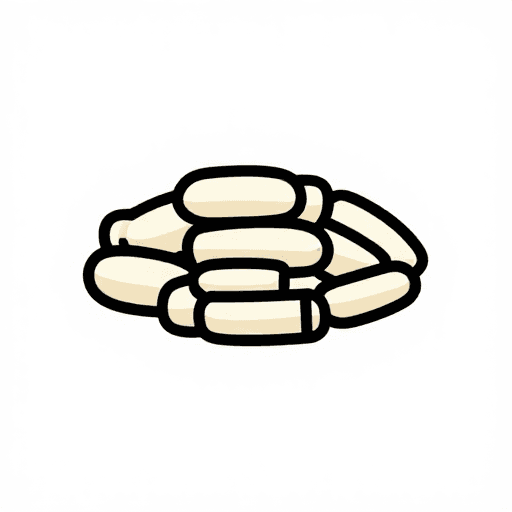
The picture: our drawing of the autoclave and the pellet line.
Avancé
A day
Consignes
1
1
Charge the autoclave
Charge the autoclave
Put two moles of nylon salt (525 g) and 0.02 mole of adipic acid (2.9 g) in a two-litre silver-lined autoclave with a stainless stirrer and a reflux condenser leading to a receiver.
Matériaux pour cette étape :
 Sel de nylon525 g
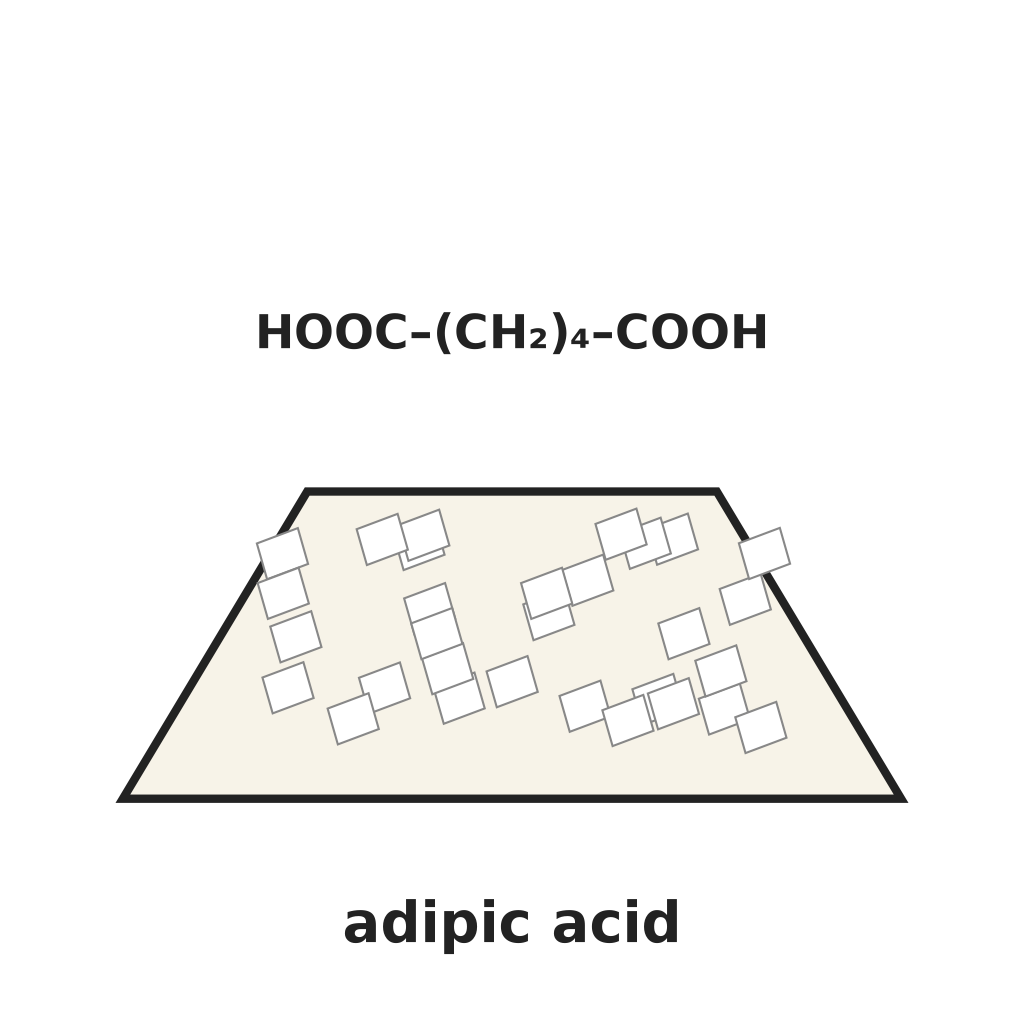 Acide adipique2.9 g
Outils nécessaires :
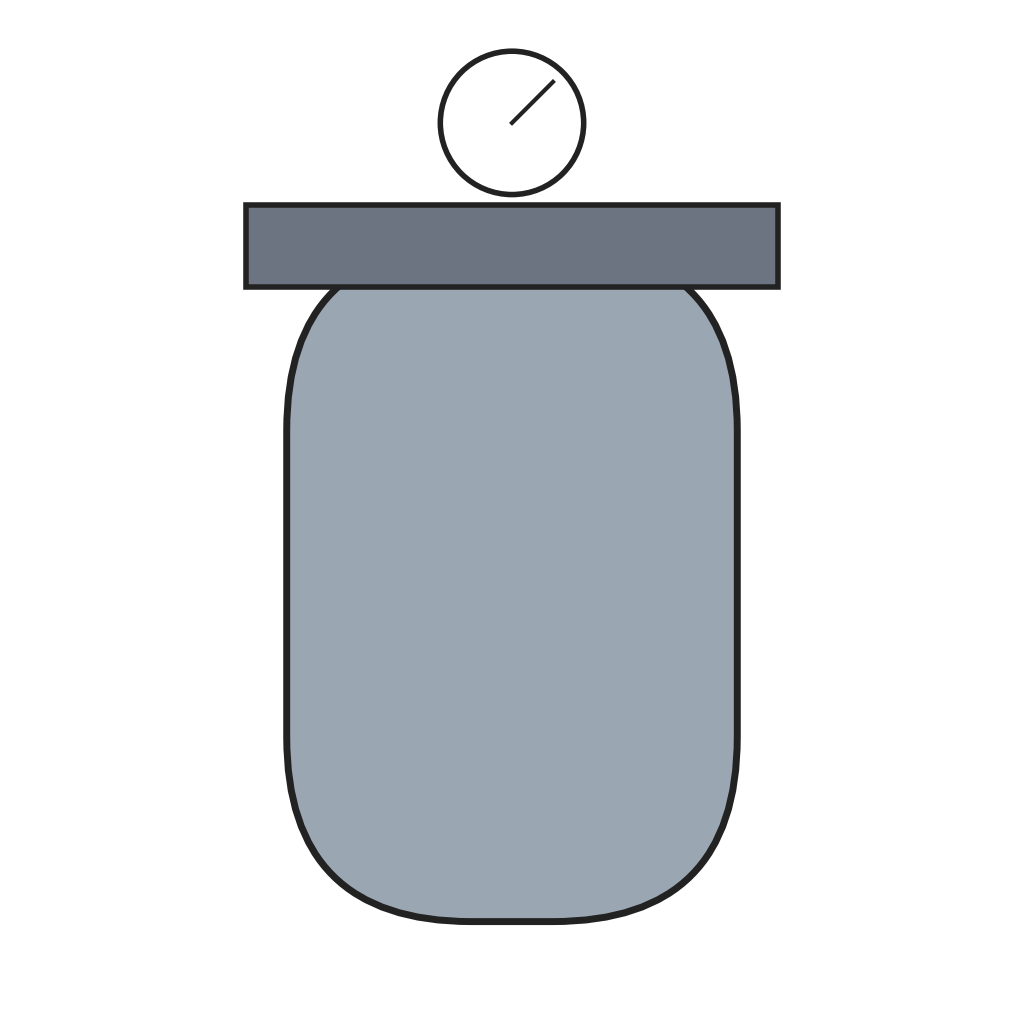 Réacteur sous pression
 Serpentin de condenseur
 Balance de cuisine numérique
2
2
Drive out the air
Drive out the air
Evacuate, fill with nitrogen, evacuate again, then apply 80 lb/in² of nitrogen. Use nitrogen free of oxygen; oxygen spoils the polymer.
Outils nécessaires :
 Pompe à vide
 Azote
 Manomètre
3
3
Heat to 288 °C
Heat to 288 °C
Start the stirrer and heat to 288 °C over 1.5 hours.
Outils nécessaires :
Réacteur sous pression Thermocouple avec afficheur
4
4
Let the water off
Let the water off
Bring the pressure down to atmospheric over half an hour and keep heating and stirring 2.5 hours. Then pull to 200 mm absolute for a few minutes.
Outils nécessaires :
Réacteur sous pressionPompe à videManomètreThermocouple avec afficheur5
5
Cool and take out
Cool and take out
Cool. The polymer comes out as a white solid cake that melts at about 263 °C.
Outils nécessaires :
Réacteur sous pression6
6
Pelletise
Pelletise
Break up the cake (our step), melt it in the extruder, draw the strand and cut it into pellets.
Outils nécessaires :
 Extrudeuse de plastique
 Filière d'extrusion
7
7
Grams and pressures
Grams and pressures
Chargement du notebook Jupyter…
Matériaux
2- 525 gEspace réservé
- 2.9 gEspace réservé
Outils requis
9- Espace réservé
- Espace réservé
- Espace réservé
- 1 vendor sell this, none ship to you yetEspace réservé
- Espace réservé
- Espace réservé
- Espace réservé
- Espace réservé
- Espace réservé
Ce plan fabrique
Blueprints liés
Ces blueprints partagent des connaissances — techniques, matériaux ou principes


CC0 Domaine public
Ce blueprint est publié sous CC0. Vous êtes libre de copier, modifier, distribuer et utiliser ce travail pour tout usage, sans demander la permission.
Soutenez le Maker en achetant des produits via son Blueprint où il perçoit une Commission Maker définie par les Vendeurs, ou créez une nouvelle itération de ce Blueprint et incluez-le comme connexion dans votre propre Blueprint pour partager les revenus.