ART
BEAUTÉ ET BIEN-ÊTRE
ARTISANAT
CULTURE ET HISTOIRE
DIVERTISSEMENT
ENVIRONNEMENT
NOURRITURE ET BOISSONS
INGÉNIERIE INVERSE
SCIENCES
SPORTS
TECHNOLOGIE
TECHNOLOGIE PORTABLE
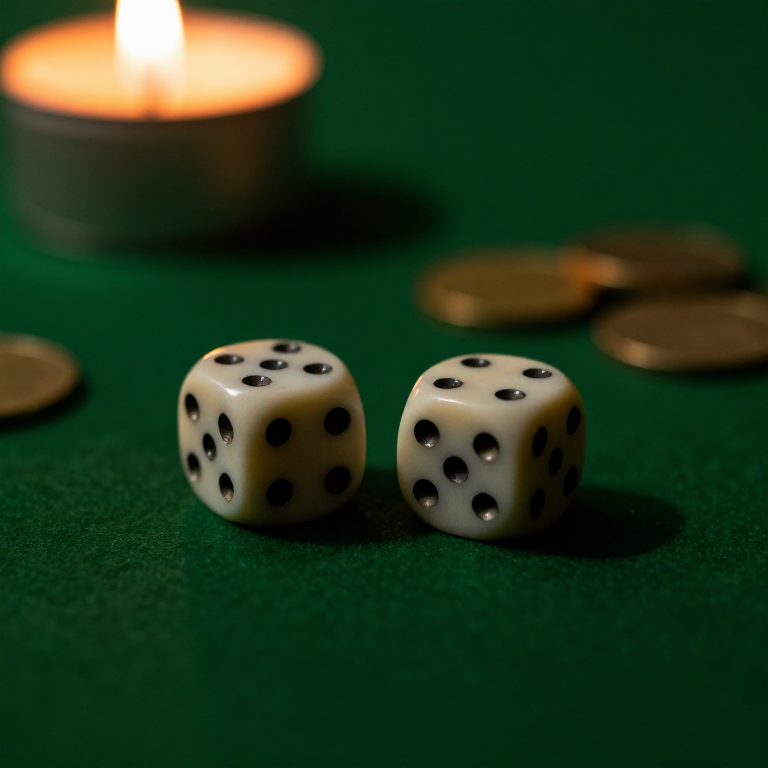

The Birth of Probability — Roll the Dice and Find the Odds
A hands-on maths project: roll two dice fifty times, tally the totals, and discover that 7 comes up most often -- the start of probability, born from a gambler's question to Pascal and Fermat in 1654. A Python cell gives the exact odds and simulates thousands of rolls, and a compendium reaches from dice to modern statistics.
Débutant
30 minutes
Consignes
1
1
A gambler's question
A gambler's question
In 1654 a gambler asked Blaise Pascal how to split the stakes in an unfinished game. Pascal and Pierre de Fermat worked out the answer in a famous exchange of letters -- and invented the mathematics of chance. You will rediscover its first lesson with two dice.
2
2
Roll and tally
Roll and tally
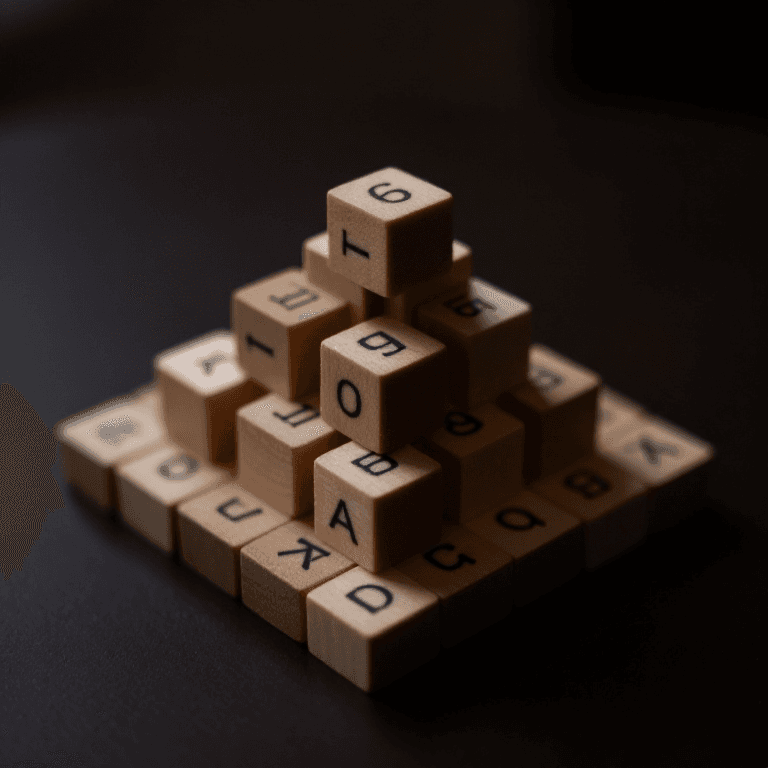
Take two dice. On paper, make a tally chart with a row for each possible total from 2 to 12. Now roll the two dice fifty times, and each time add a tally mark next to the total you rolled. Take your time and be honest with every roll.
Matériaux pour cette étape :
 Dés (à six faces, lot de 5)1 pièce
 Papier1 feuille
Outils nécessaires :
 Jeu de crayons graphite
3
3
Which total wins?
Which total wins?
Turn your tallies into a little bar chart. You should find the middle totals -- especially 7 -- came up far more often than 2 or 12. Why? Because there are six ways to make 7 (1+6, 2+5, 3+4, 4+3, 5+2, 6+1) but only ONE way to make 2 (1+1) or 12 (6+6). More ways means more likely.
4
4
Compare with the exact odds
Compare with the exact odds
Chargement du notebook Jupyter…
Outils nécessaires :
 Ordinateur de bureau
5
5
Compendium: the mathematics of uncertainty
Compendium: the mathematics of uncertainty
What your dice teach. (1) When outcomes are equally likely, a probability is just favourable outcomes divided by all outcomes -- 6 ways out of 36 for a seven, so one in six. (2) Your fifty rolls wobble around the true odds; a thousand rolls hug them tightly -- the 'law of large numbers'. (3) The counts of ways to make each total are hidden in Pascal's triangle, tying chance to counting. (4) The reasoning Pascal and Fermat invented for a gambling dispute now underlies insurance, weather forecasts, medical trials, quantum physics and the machine-learning behind modern AI. A question about dice became the mathematics of uncertainty itself.
Outils requis
2- Espace réservé
- Espace réservé
Blueprints liés
Ces blueprints partagent des connaissances — techniques, matériaux ou principes
CC0 Domaine public
Ce blueprint est publié sous CC0. Vous êtes libre de copier, modifier, distribuer et utiliser ce travail pour tout usage, sans demander la permission.
Soutenez le Maker en achetant des produits via son Blueprint où il perçoit une Commission Maker définie par les Vendeurs, ou créez une nouvelle itération de ce Blueprint et incluez-le comme connexion dans votre propre Blueprint pour partager les revenus.