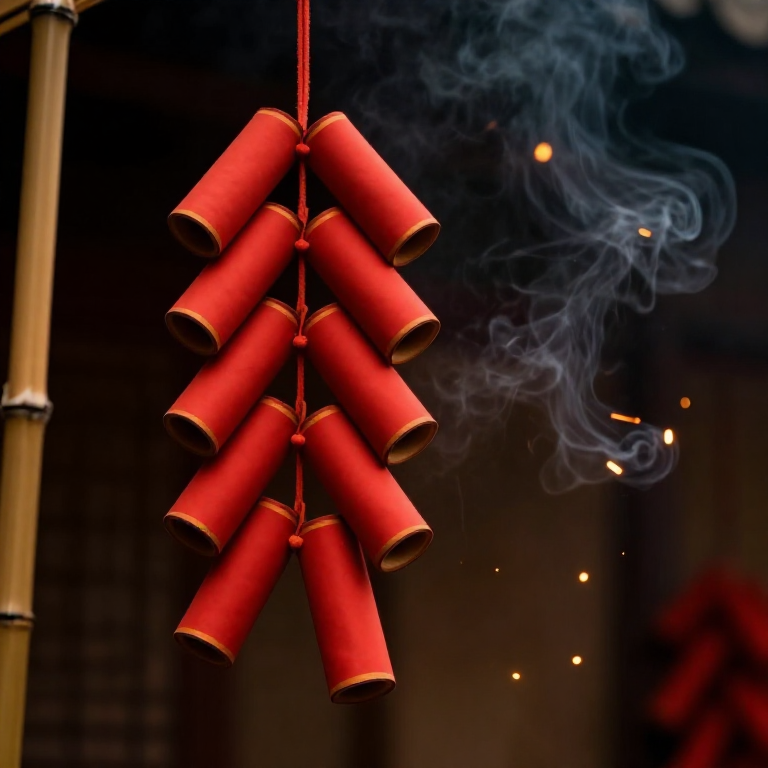


Making Song Dynasty Fireworks — Bamboo Firecrackers and Ground Salutes
Chinese fireworks (烟花, yānhuā — literally 'smoke flowers') evolved alongside military gunpowder applications during the Song dynasty (960-1279 AD). While soldiers were building fire lances and fire arrows, festival organizers discovered that stuffing black powder into sealed bamboo tubes produced spectacular explosions of noise, light, and colored sparks — terrifying evil spirits and delighting crowds.
The earliest firecrackers were literally that: sections of green bamboo thrown into bonfires. The moisture trapped inside the bamboo nodes would boil and burst the tube with a sharp crack — 'bao zhu' (爆竹, exploding bamboo). When gunpowder became available, artisans began filling dried bamboo tubes with black powder and sealing both ends, creating far more powerful explosions. By the 12th century, Chinese pyrotechnicians had developed ground salutes (ground-level crackers strung together on a fuse), aerial shells launched from mortars, and colored spark compositions using iron filings for gold sparks and copper compounds for blue-green effects.
Marco Polo described Chinese fireworks displays with astonishment when he visited the Yuan court around 1275 AD. The technology spread westward along the Silk Road, reaching the Arab world by the 13th century and Europe by the 14th century. Today, China still produces over 90% of the world's fireworks — a craft tradition spanning more than a thousand years from those first bamboo tubes packed with black powder in Song dynasty workshops.
Contenu dangereux
Ce blueprint contient des procédures dangereuses. Connectez-vous et activez le contenu dangereux dans les paramètres de votre compte pour voir les instructions étape par étape.
Se connecterBlueprints liés
Ces blueprints partagent des connaissances — techniques, matériaux ou principes
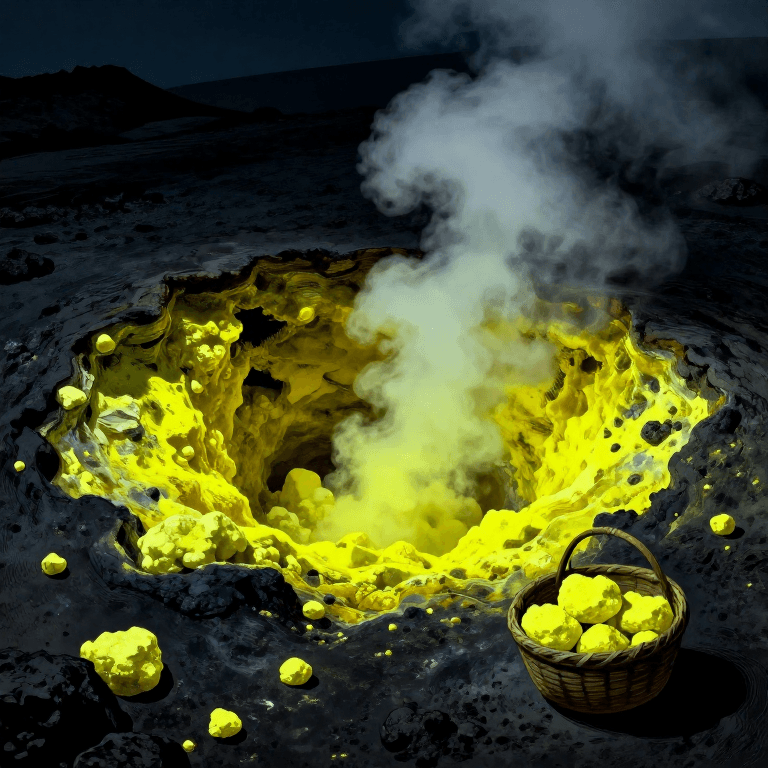

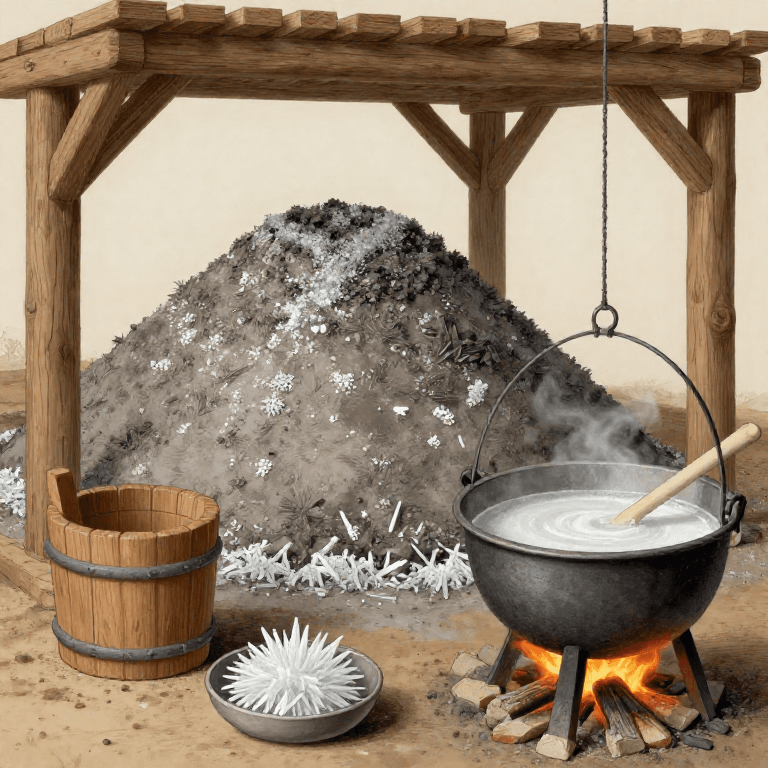
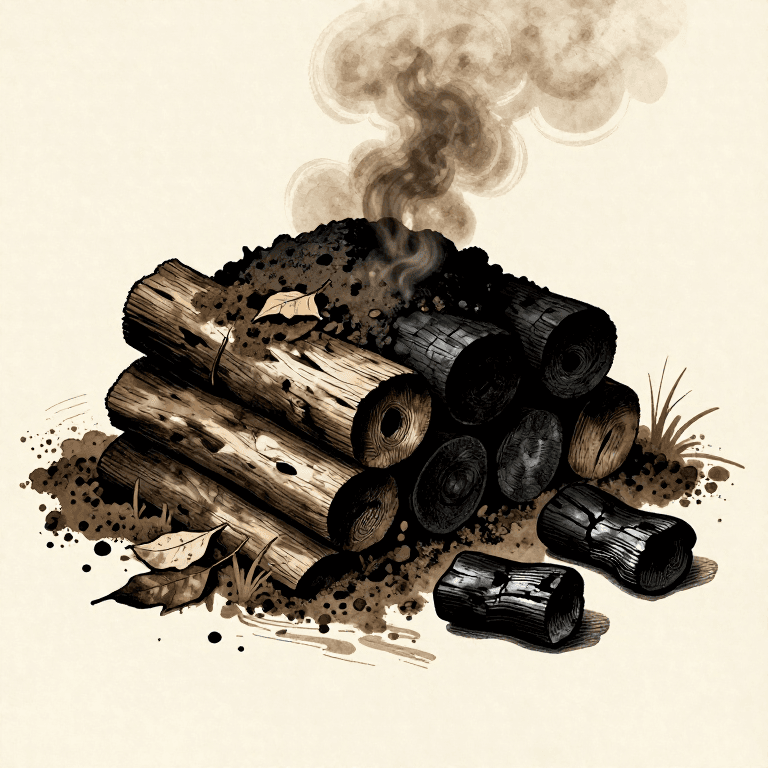
CC0 Domaine public
Ce blueprint est publié sous CC0. Vous êtes libre de copier, modifier, distribuer et utiliser ce travail pour tout usage, sans demander la permission.
Soutenez le Maker en achetant des produits via son Blueprint où il perçoit une Commission Maker définie par les Vendeurs, ou créez une nouvelle itération de ce Blueprint et incluez-le comme connexion dans votre propre Blueprint pour partager les revenus.