Collaboration
ART
BEAUTÉ ET BIEN-ÊTRE
ARTISANAT
CULTURE ET HISTOIRE
DIVERTISSEMENT
ENVIRONNEMENT
NOURRITURE ET BOISSONS
INGÉNIERIE INVERSE
SCIENCES
SPORTS
TECHNOLOGIE
TECHNOLOGIE PORTABLE
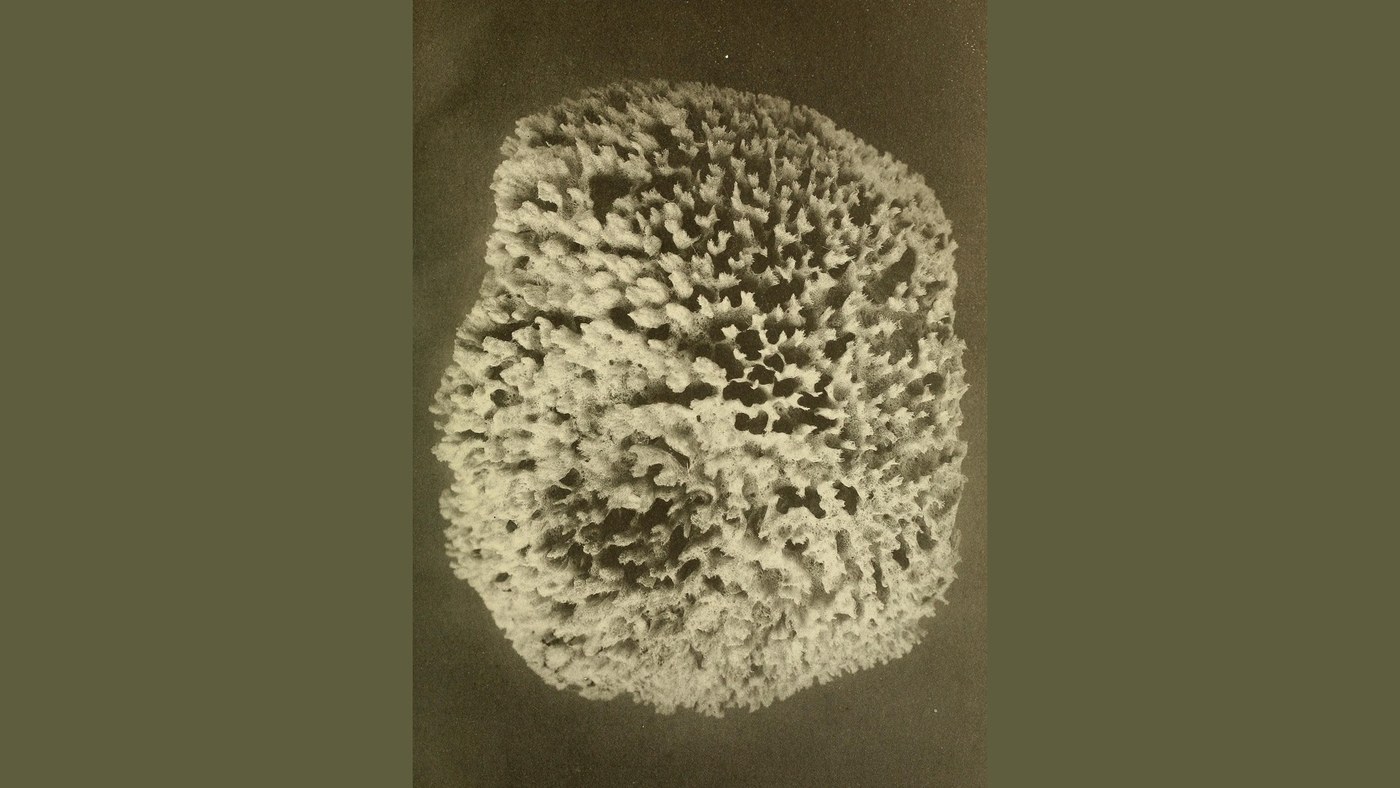


Sponge: Hooked and Crawl-Cured (Florida, Moore 1910)
How Florida hookers took and cured bath sponges around 1900: sight the sponge through a glass-bottomed bucket from a two-man dingey, tear it loose with a three-tined hook on a pole, let it die on deck root down, rot it out for a week in a staked pen in salt water, then beat, squeeze and scrape it clean and string it in bunches.
Maceration in fresh water darkens the fibre, so the pen stands in salt or brackish water.
Source: H. F. Moore, The Commercial Sponges and the Sponge Fisheries (U.S. Bureau of Fisheries, 1910), pp. 436-453. Picture: Plate XXX, a Rock Island sheepswool sponge.
Intermédiaire
Unknown
Consignes
1
1
Build the crawl
Build the crawl
On shore near the sponge grounds, in salt or brackish water, build a crawl (kraal) about 10 ft square: stakes driven close together and nailed to horizontal pieces to keep them from spreading.
Outils nécessaires :
 Piquet en bois
 Clous en fer
 Marteau
2
2
Sight the sponges
Sight the sponges
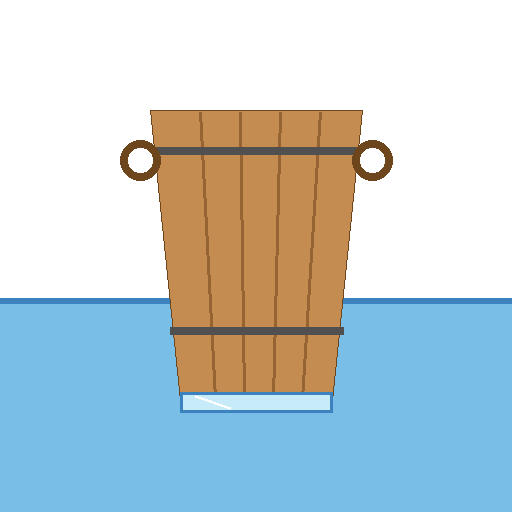
Work two to a dingey: the sculler moves the boat on the hooker's signals; the hooker kneels in the waist, leaning over the side, watching the bottom through the water glass, a bucket whose glass bottom is held below the surface to cut out reflections. In clear water the bottom can be seen to about 50 ft.
Outils nécessaires :
 Petite barque en bois
 Seau à fond de verre
3
3
Hook them loose
Hook them loose
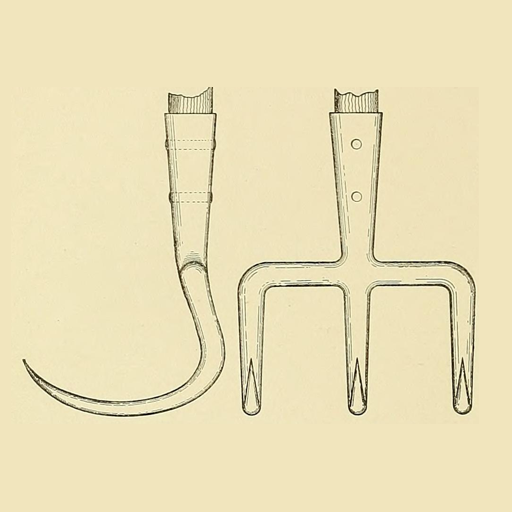
When a sponge is sighted the sculler puts the boat in position. The hooker rests the pole on his shoulder as a fulcrum, lowers the hook with his right hand while holding the water glass with his left, sets the tines into the base of the sponge and tears it loose, taking care not to mutilate it.
Outils nécessaires :
 Crochet à épongesSeau à fond de verrePetite barque en bois
4
4
Kill them on deck
Kill them on deck
Lay the sponges on deck root down so the gurry, the liquefied matter from decomposition, can run out. In hot sun the inner tissues begin to slough in a day or two; in cold cloudy weather a week may not be enough. Keep the skin from drying and sticking to the skeleton.
Outils nécessaires :
Petite barque en bois5
5
Macerate, beat and squeeze
Macerate, beat and squeeze
Put the dead sponges in the crawl for about a week to macerate. Then remove what flesh is left by beating each partly submerged sponge with a short heavy stick and squeezing it again and again under water. Scrape off any skin that sticks with a dull knife.
Outils nécessaires :
 Bâton
 Couteau
6
6
String them in bunches
String them in bunches
With a long needle string the cleaned sponges on rope yarns 6 ft long, sponges of about the same size together, eye and root (the top of one against the bottom of the next). Tie the ends of each yarn together into a wreath, a bunch, and partly dry them.
Outils nécessaires :
 Aiguille à chas large
 Cordage
Outils requis
10- Espace réservé
- Espace réservé
- Espace réservé
- Espace réservé
- Espace réservé
- Espace réservé
- Espace réservé
- Espace réservé
- Espace réservé
- Espace réservé
Ce plan fabrique

CC0 Domaine public
Ce blueprint est publié sous CC0. Vous êtes libre de copier, modifier, distribuer et utiliser ce travail pour tout usage, sans demander la permission.
Soutenez le Maker en achetant des produits via son Blueprint où il perçoit une Commission Maker définie par les Vendeurs, ou créez une nouvelle itération de ce Blueprint et incluez-le comme connexion dans votre propre Blueprint pour partager les revenus.