ART
BEAUTÉ ET BIEN-ÊTRE
ARTISANAT
CULTURE ET HISTOIRE
DIVERTISSEMENT
ENVIRONNEMENT
NOURRITURE ET BOISSONS
INGÉNIERIE INVERSE
SCIENCES
SPORTS
TECHNOLOGIE
TECHNOLOGIE PORTABLE
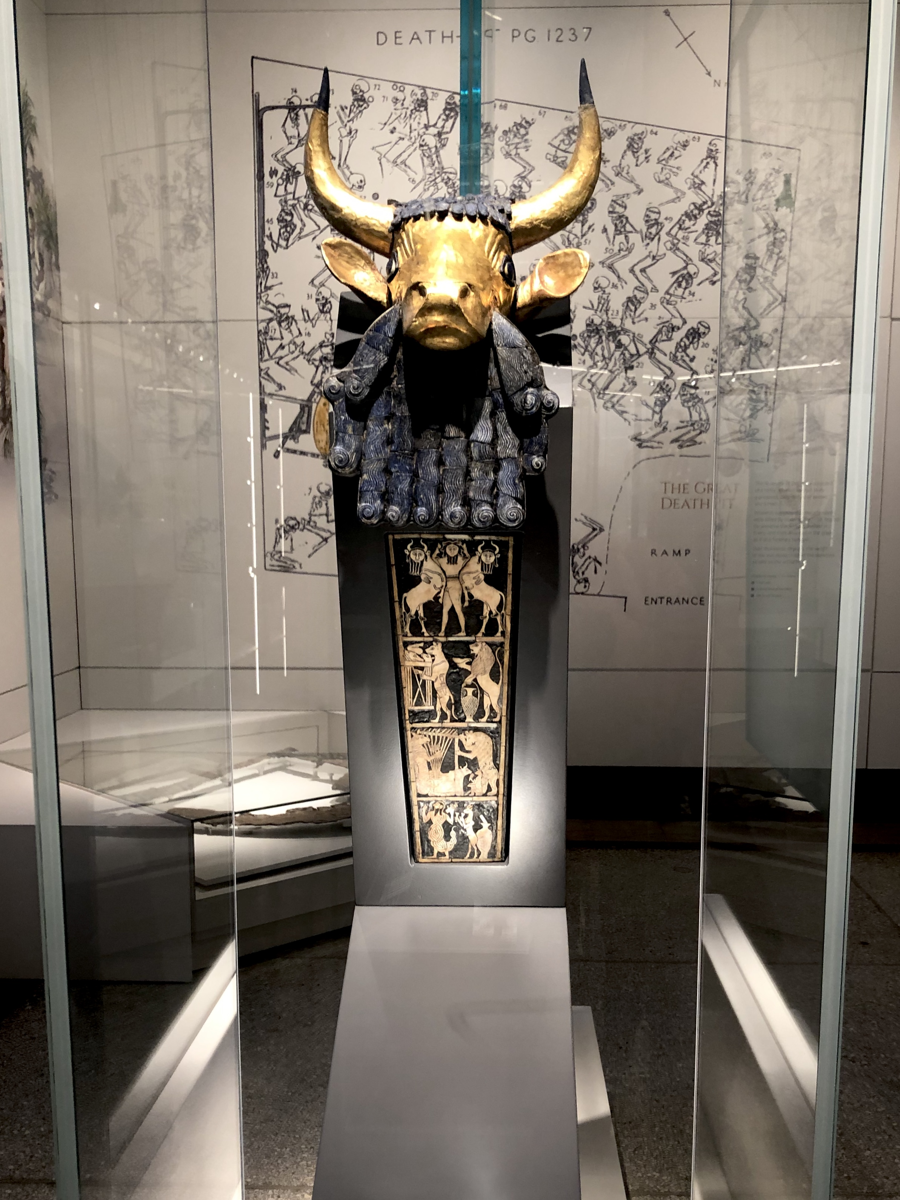


Building a Lyre of Ur — The Sumerian Bull Lyre
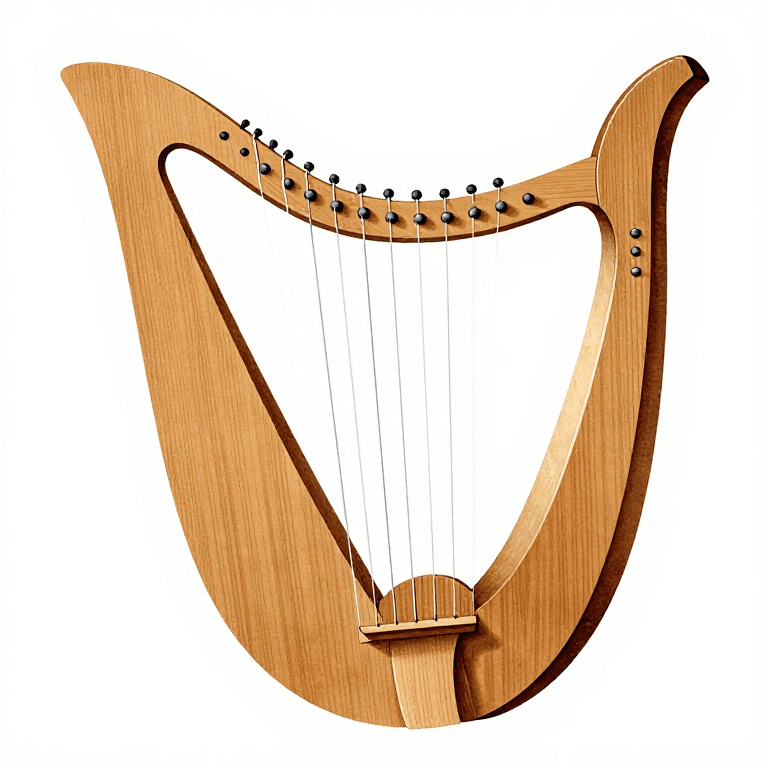
Build a large Sumerian yoke lyre in the style of the 4,500-year-old Lyre of Ur, the oldest stringed instrument ever found. Strings run from a deep soundbox up to a crossbar held between two arms, each plucked open. A serious maker build in the yoke lyre and how one string sounds one note.
Intermédiaire
Several hours over a few sessions
Consignes
1
1
The oldest strings on Earth
The oldest strings on Earth
The lyres from the Royal Cemetery of Ur (about 2500 BC) are the oldest stringed instruments ever found — deep soundboxes crowned with a golden bull's head, their strings plucked one note at a time.
2
2
Build the soundbox
Build the soundbox
Build a hollow wooden soundbox, broad and deep — the Ur lyre was large and full-voiced, much bigger than a Greek lyre.
Matériaux pour cette étape :
 Planche de résineux sec1 pièce
 Colle à bois vinylique (PVA)1 pièce
Outils nécessaires :
 Scie à métaux
3
3
Fit the soundboard
Fit the soundboard
Glue a thin soundboard over the top to seal the chamber, and cut a soundhole so the built-up sound can escape.
Matériaux pour cette étape :
Colle à bois vinylique (PVA)1 pièceOutils nécessaires :
 Couteau à sculpter sloyd
4
4
Raise the two arms
Raise the two arms
Fix two stout wooden arms rising up from the soundbox, leaning slightly outward like the horns of a bull.
Matériaux pour cette étape :
 Tourillon en bois1 pièceColle à bois vinylique (PVA)1 pièce
5
5
Fit the yoke
Fit the yoke
Lay a crossbar — the yoke — between the tops of the two arms. The strings will hang from this bar down to the soundbox.
Matériaux pour cette étape :
Tourillon en bois1 pièce6
6
Add a bull's head
Add a bull's head
Carve or model a bull's head for the front of the soundbox — the emblem of the Ur lyres, whose deep tone echoed the bull's bellow.
Outils nécessaires :
Couteau à sculpter sloyd7
7
String it to the yoke
String it to the yoke
Anchor eight to eleven strings at the soundbox, run each up to the yoke, and wrap it around the bar with a leather strip so it can be tuned by twisting.
Matériaux pour cette étape :
 Corde à piano en acier 0,032"1 pièce
8
8
Tune the strings
Tune the strings
Twist each string's wrap around the yoke to tune it — tighter for a higher note — setting the strings to the notes of a scale, lowest to highest.
9
9
Play it
Play it
Pluck the open strings with your fingers or a plectrum. Because each string is a fixed note, you play a lyre by choosing which strings to sound.
10
10
Compendium — the yoke lyre
Compendium — the yoke lyre
A lyre is a yoke instrument: its strings run from the soundbox up to a crossbar (the yoke) held between two arms, and each string is tuned to its own note and plucked open. Unlike the fretted langspil or a guitar, a lyre has no way to shorten a string as you play, so it needs one string per note — which is why lyres have many strings. The soundbox amplifies them exactly as in every stringed instrument: the thin strings shake the light soundboard, which drives the air in the box out through the soundhole. The lyres of Ur, from about 2500 BC, are the oldest stringed instruments ever found — buried in the Royal Cemetery with gold, lapis lazuli and a bull's head whose deep voice the instrument's tone was meant to echo. They were tuned by wrapping each string around the yoke with a strip of leather or a tuning rod and twisting it. The Greek lyre and kithara are direct descendants of this Near-Eastern design, and the same string-and-soundbox idea, given a fretted neck, grows into the lute and the guitar. String pitch obeys the same three rules as the musical bow: tension, length and mass.
Matériaux
4- 1 pièceEspace réservé
- 1 pièceEspace réservé
- 1 pièceEspace réservé
- Espace réservé
Outils requis
2- Espace réservé
- Espace réservé
Blueprints liés
Ces blueprints partagent des connaissances — techniques, matériaux ou principes
CC0 Domaine public
Ce blueprint est publié sous CC0. Vous êtes libre de copier, modifier, distribuer et utiliser ce travail pour tout usage, sans demander la permission.
Soutenez le Maker en achetant des produits via son Blueprint où il perçoit une Commission Maker définie par les Vendeurs, ou créez une nouvelle itération de ce Blueprint et incluez-le comme connexion dans votre propre Blueprint pour partager les revenus.