ART
BEAUTÉ ET BIEN-ÊTRE
ARTISANAT
CULTURE ET HISTOIRE
DIVERTISSEMENT
ENVIRONNEMENT
NOURRITURE ET BOISSONS
INGÉNIERIE INVERSE
SCIENCES
SPORTS
TECHNOLOGIE
TECHNOLOGIE PORTABLE

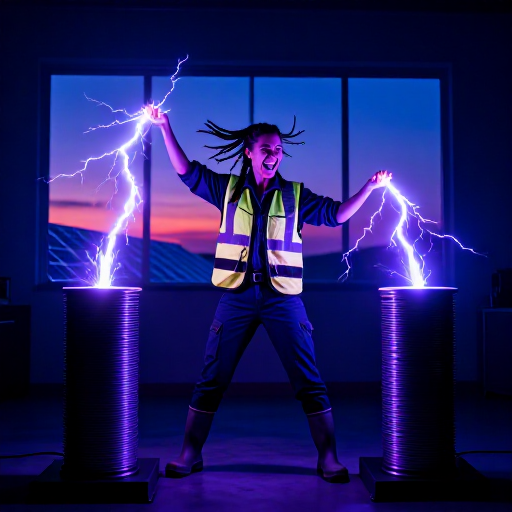

The Arc Lamp: Burning Carbons and Keeping the Gap
Two carbon rods, touched and drawn apart with a current flowing, make an arc of intense white light. The arc lamp lit streets, lighthouses and factories from the 1870s — but an arc burns its carbons away, and its gap must be kept right or it goes out.
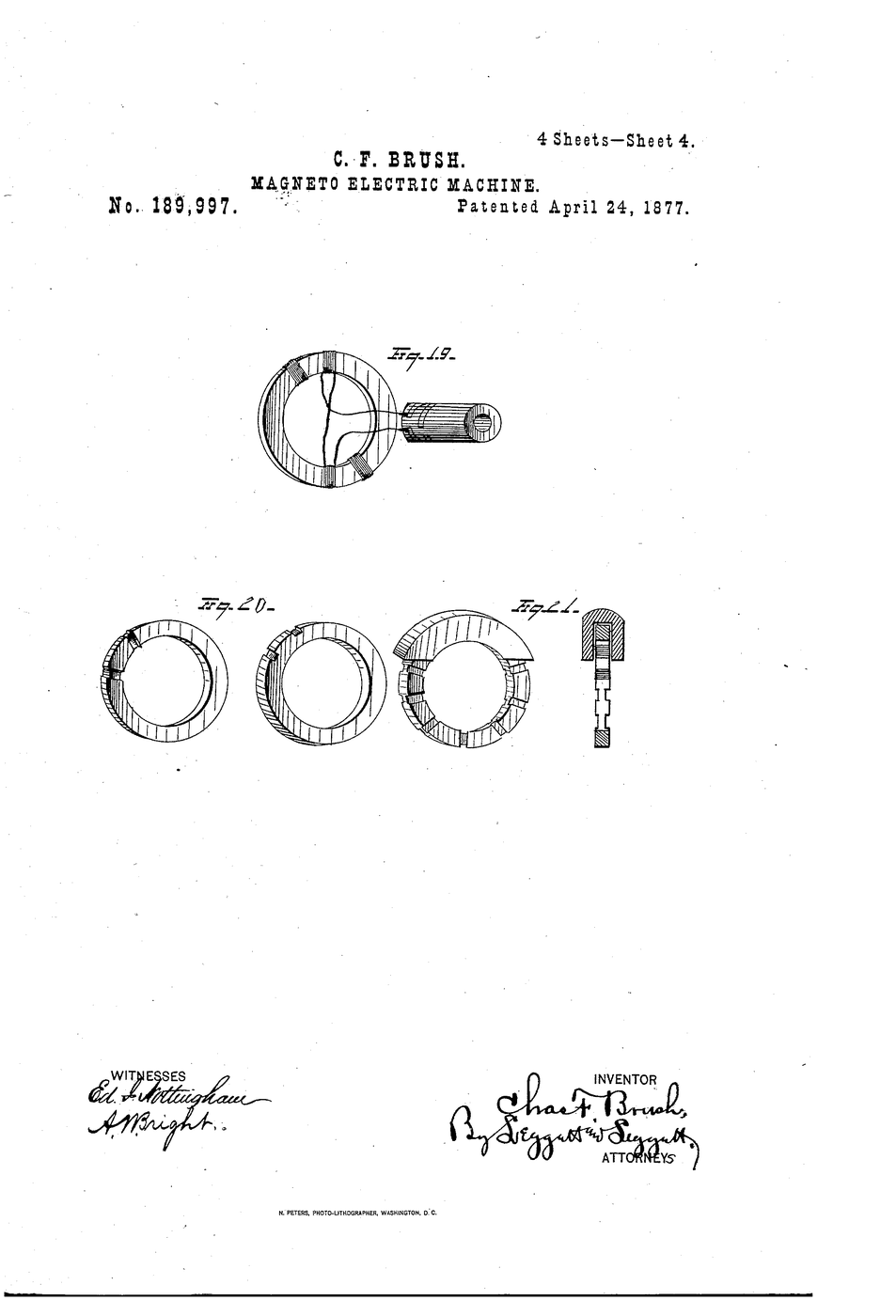
Paul Jablochkoff's 'candle' of 1876–77 did away with any regulator: two carbons stand side by side, separated by a strip of insulating material, and burn down together like a candle. Charles Brush's lamps used a series electromagnet and a clutch to feed the upper carbon down as it burned; his 1879 patent adds two sets of carbons so one lamp could burn all night.
This rung works out why an arc needs a ballast and a regulator, from Hertha Ayrton's arc equation, and builds the regulator's feedback loop at 12 V. **Do not build an arc lamp** — its ultraviolet light burns eyes and skin.
Intermédiaire
About 2 hours
Consignes
1
1
Read the two patents
Read the two patents
**US 190,864, 'Improvement in Carbons for Electric Lights', Paul Jablochkoff, Paris, dated 15 May 1877.** The carbons are placed *"vertically and parallel"* at a short distance apart, the space filled with an insulating substance that burns away with them — the aim, in his words, the *"suppression of any mechanical regulator"*. In service the candles were run on alternating current, so that both carbons burned at the same rate.
**US 219,208, 'Electric-Lamp', Charles F. Brush, Cleveland, Ohio, dated 2 September 1879.** A lamp *"having two or more sets of carbons"*, with a lifting device arranged so that *"the carbons of the two sets"* separate one after the other: when the first pair has burned away, the arc passes to the next, doubling the hours a lamp can burn without attention.
2
2
The regulator's cycle
The regulator's cycle
Espace de travail Blockly
Loading Blockly workspace...
3
3
Why a ballast, and why a regulator
Why a ballast, and why a regulator
Chargement du notebook Jupyter…
4
4
Build the regulator — without the arc
Build the regulator — without the arc
The regulator can be built and tested safely at 12 V with no arc at all. Mount a small push-pull solenoid vertically on a plywood stand, its plunger pointing down, and fix a short graphite rod (cut from a graphite block) to the bottom of the plunger. Below it, fix a second graphite rod to the base so the two just touch when the plunger hangs free — that is the lamp 'off'.
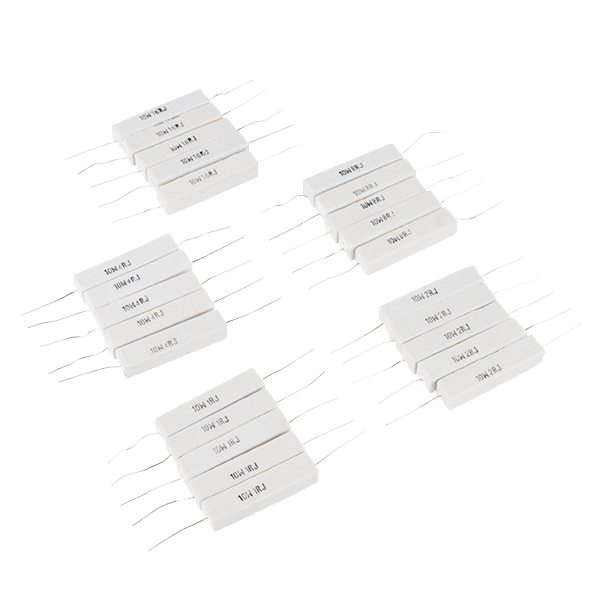
Wire the 12 V battery, a 10 W power resistor, the solenoid coil and the two rods all in SERIES. Close the circuit: current flows through the touching rods, the solenoid pulls the upper rod up, the contact opens, the current stops, the plunger drops and touches again. It buzzes: that is the regulator's feedback loop hunting, with nothing to hold it steady. Add a light spring or a small weight to the plunger and a drop of oil as a damper, and the buzzing slows and settles — the job Brush's clutch and dashpot did.
Keep it at 12 V. Do not try to draw an arc from mains or a welder: the light burns eyes.
Matériaux pour cette étape :
 Solénoïde1 pièce
 Bloc de graphite1 pièce
 Power Resistor Kit - 10W (25 pack)1 paquet
 Panneau de contreplaqué1 feuille
 Cordons de test à pinces crocodile1 jeu
Outils nécessaires :
 Batterie à décharge profonde 12 V
 Multimètre
 Lunettes de sécurité transparentes
5
5
History and context
History and context
Humphry Davy demonstrated the carbon arc early in the nineteenth century; it became practical only with the dynamo. Jablochkoff's candles lit the Avenue de l'Opéra in Paris in 1878, and Brush's series arc systems lit American city streets from 1879. **Hertha Ayrton**'s book *The Electric Arc* (1902) gave the equation the notebook uses.
**Honest limits.** Arc lamps are dazzling, hiss, flicker, need their carbons replaced daily and emit dangerous ultraviolet; they gave way to the incandescent lamp (the next rung) indoors and survived only where intense light was needed — searchlights, cinema projectors.
Matériaux
5- 1 pièceEspace réservé
- Power Resistor Kit - 10W (25 pack)10 % de commission1 paquet€4.96
- 1 feuilleEspace réservé
- Espace réservé
Outils requis
3- Batterie à décharge profonde 12 V10 % de commissionEspace réservé
- Espace réservé
- Espace réservé
Total estimé
Ce que le maker a acheté. Les matériaux sans prix se trouvent là où vous les achetez.
Blueprints liés
Ces blueprints partagent des connaissances — techniques, matériaux ou principes



CC0 Domaine public
Ce blueprint est publié sous CC0. Vous êtes libre de copier, modifier, distribuer et utiliser ce travail pour tout usage, sans demander la permission.
Soutenez le Maker en achetant des produits via son Blueprint où il perçoit une Commission Maker définie par les Vendeurs, ou créez une nouvelle itération de ce Blueprint et incluez-le comme connexion dans votre propre Blueprint pour partager les revenus.