ART
BEAUTÉ ET BIEN-ÊTRE
ARTISANAT
CULTURE ET HISTOIRE
DIVERTISSEMENT
ENVIRONNEMENT
NOURRITURE ET BOISSONS
INGÉNIERIE INVERSE
SCIENCES
SPORTS
TECHNOLOGIE
TECHNOLOGIE PORTABLE


The Flexible Shaft: Turning a Tool Round a Corner
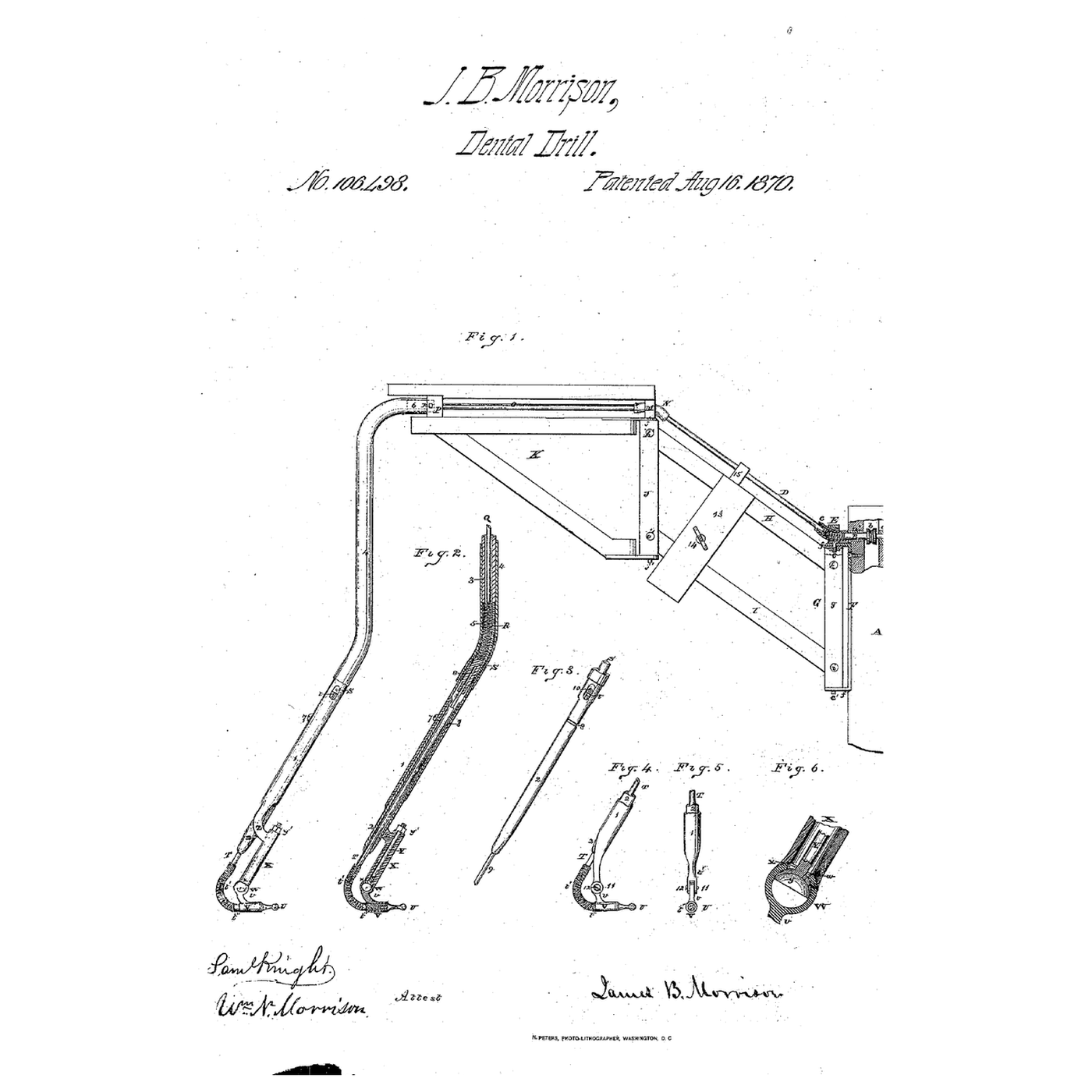
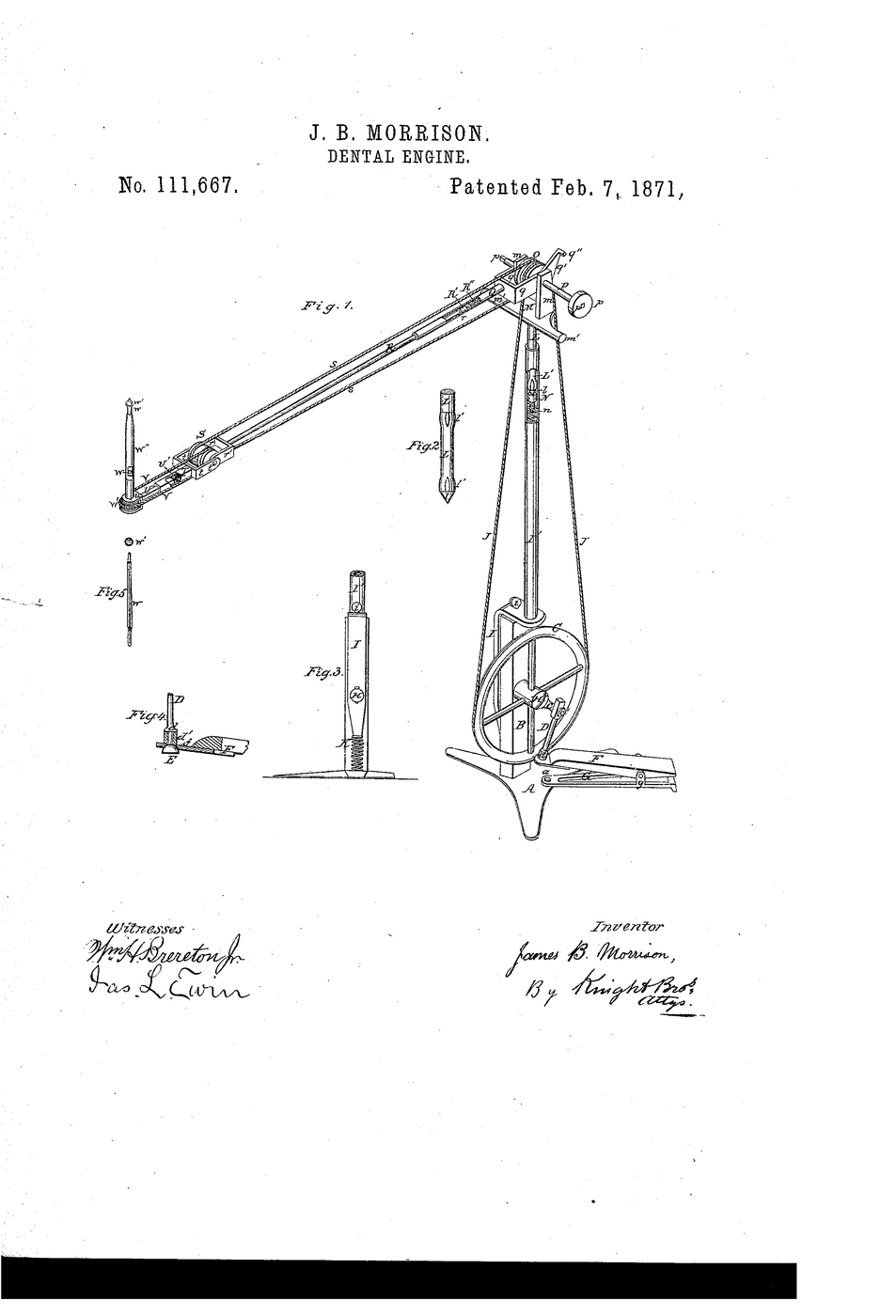
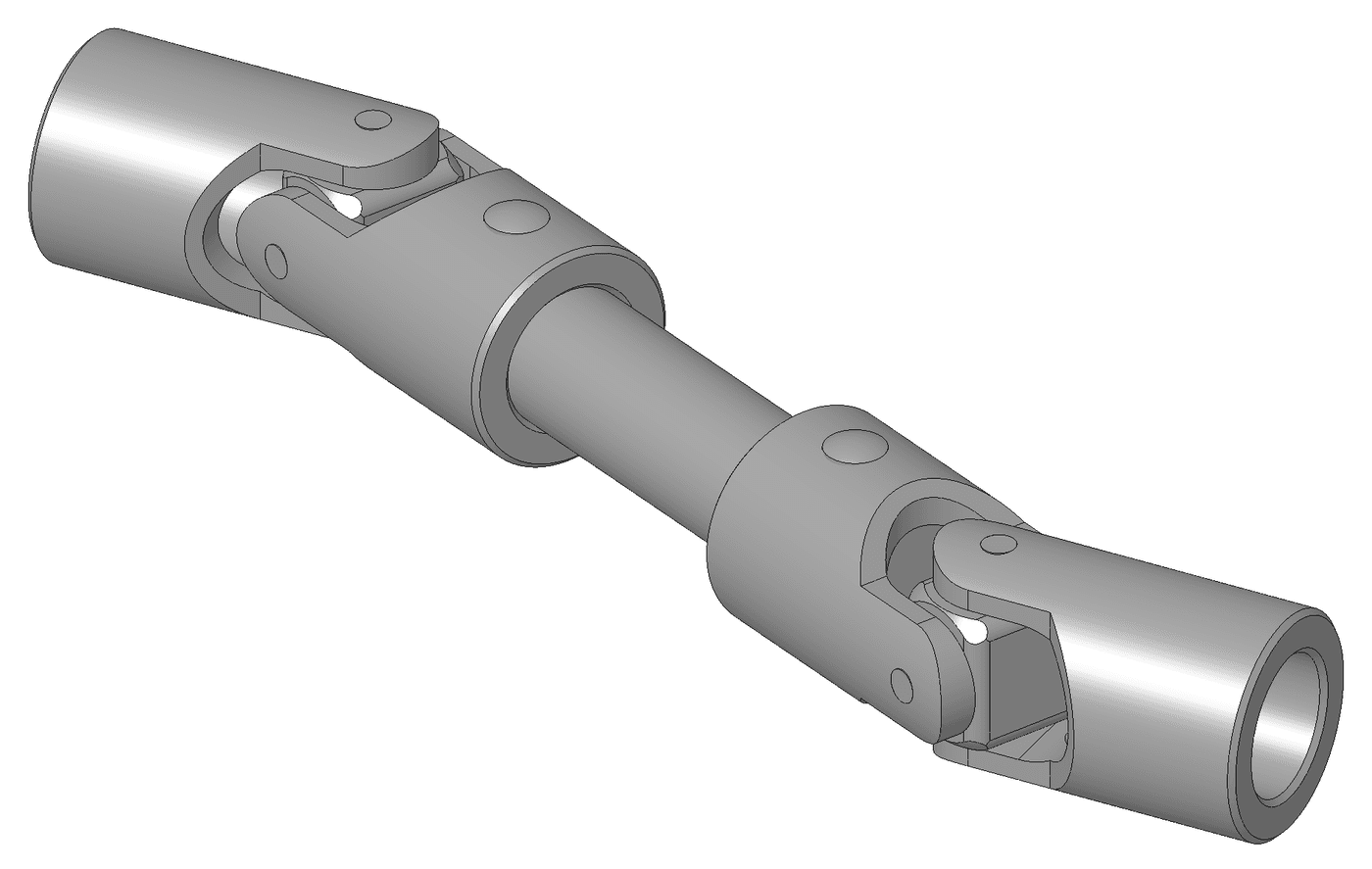
A dentist's drill must reach any tooth at any angle while it spins. A rigid shaft cannot follow the hand; universal joints give a few fixed bends. James B. Morrison of St. Louis tried two answers. His dental engine of 1871 carried the drive by a belt over pivoted, sprung arms. A year earlier his US 106,498, *Improvement in Flexible Shafts*, dated 16 August 1870, carried it through "a wire spiral or helix … enveloped in a short piece of india-rubber pipe, which allows the free flexure of the helix", in sleeves that act as bearings, with an adjustable head holding the bur and a parallel bracket for the instrument tray.
The flexible shaft outlived the dental use: it drives rotary tools, speedometers and hedge trimmers today. This rung works out why only thin wires can bend and keep turning, and makes a flexible shaft from wound spring wire.
Débutant
About 3 hours
Consignes
1
1
Bending stress, fatigue and torque
Bending stress, fatigue and torque
Chargement du notebook Jupyter…
2
2
The sibling: belt over sprung arms
The sibling: belt over sprung arms
Morrison's other answer to the same problem carries the drive by a belt over pivoted arms. The embedded blueprint builds it; compare the two ways of reaching round a corner.
3
3
Read the 1870 flexible power-conveyer
Read the 1870 flexible power-conveyer
Fig. 1 of US 106,498 shows the apparatus on a stand: a pulley shaft B, joined by a wire helix C in a rubber pipe c to a shaft section D, turning in a swivel-eye E; a double hinged parallel bracket H, I carrying the instrument tray L, which stays level however the bracket swings; and further helix sections R and t′ leading through a sleeve to the socket-head holding the burr U.
The patent's three claims, in order: the flexible shaft with its enveloping sleeve, which gives journal-bearing to the enclosed shaft and the tool; an adjustable head joined to the sleeve by a hinge, so the tool can be set at any angle; and the combination with a parallel bracket that swings, rises and extends.
4
4
Wind a flexible shaft and drive it
Wind a flexible shaft and drive it
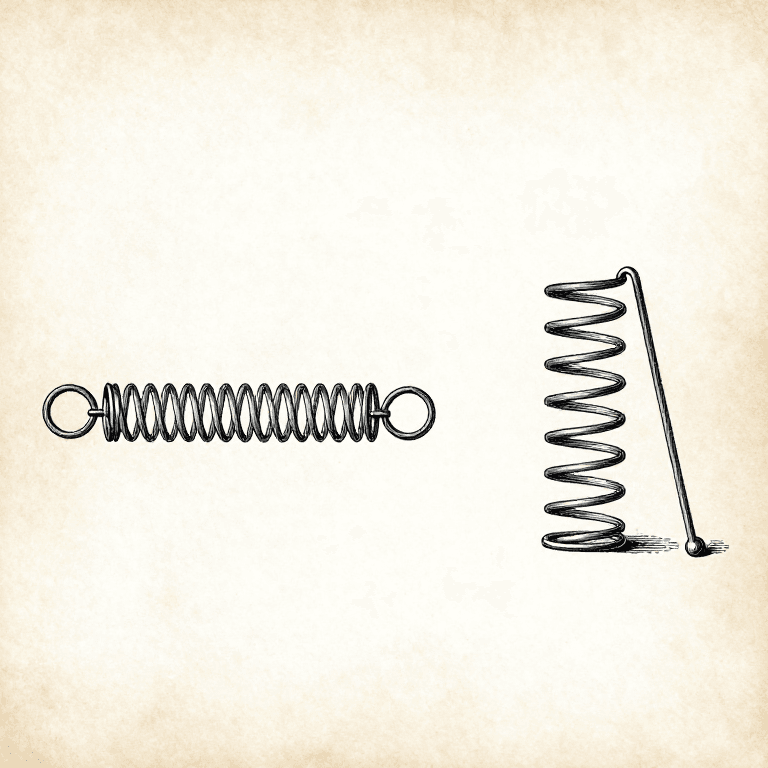
Clamp a 3 mm steel rod in a cordless drill as a mandrel. Clamp one end of a length of 0.8 mm spring steel wire to the rod and, turning the drill slowly, wind a close helix about 400 mm long, every turn touching the last. Slide it off: that is the core.
Push a short length of steel rod into each end and secure it with a dab of solder or a crimped sleeve. Chuck one end in the drill; put a small drill bit in a pin chuck on the other end, held in a length of aluminium tube as the sleeve-bearing.
Bend the core round a 100 mm radius and run the drill in the direction that tightens the coil: the bit turns and will drill soft wood. Reverse the drill: the coil opens, winds up and barely turns the bit. Compare with a commercial rotary-tool flex shaft.
Matériaux pour cette étape :
 Fil d'acier à ressort1 pièce
 Barre d'acier brut1 pièce
 Tube d'aluminium1 pièce
 Soudure étain-plomb1 pièce
 Arbre flexible pour outil rotatif1 pièce
Outils nécessaires :
 Perceuse sans fil
 Jeu de forets
 Étau d'établi
 Fer à souder
 Gants de travail en cuir
 Lunettes de sécurité transparentes
5
5
A flexible shaft that fails
A flexible shaft that fails
Flexible shaft faults.
Flow
Loading...
6
6
History and honest limits
History and honest limits
**James B. Morrison** of St. Louis was granted **US 106,498**, dated 16 August 1870, for his flexible power-conveyer "for dental and other purposes"; his treadle dental engine with sprung arms followed in 1871 (US 111,667). Flexible shafts with multi-layer wire cores now drive rotary tools, instrument cables and garden tools.
**Honest limits.** The bending-stress figures are the simple beam formula for one wire; a real core's stresses depend on its winding. A hand-wound single helix is a demonstration, not a tool shaft — it will not last.
Matériaux
5- 1 pièceEspace réservé
- 1 pièceEspace réservé
- 1 pièceEspace réservé
- 1 pièceEspace réservé
- Espace réservé
Outils requis
6- 1 vendor sell this, none ship to you yetEspace réservé
- Espace réservé
- Espace réservé
- 2 vendors sell this, none ship to you yetEspace réservé
- Espace réservé
- Espace réservé
Blueprints liés
Ces blueprints partagent des connaissances — techniques, matériaux ou principes


CC0 Domaine public
Ce blueprint est publié sous CC0. Vous êtes libre de copier, modifier, distribuer et utiliser ce travail pour tout usage, sans demander la permission.
Soutenez le Maker en achetant des produits via son Blueprint où il perçoit une Commission Maker définie par les Vendeurs, ou créez une nouvelle itération de ce Blueprint et incluez-le comme connexion dans votre propre Blueprint pour partager les revenus.