ART
BEAUTÉ ET BIEN-ÊTRE
ARTISANAT
CULTURE ET HISTOIRE
DIVERTISSEMENT
ENVIRONNEMENT
NOURRITURE ET BOISSONS
INGÉNIERIE INVERSE
SCIENCES
SPORTS
TECHNOLOGIE
TECHNOLOGIE PORTABLE
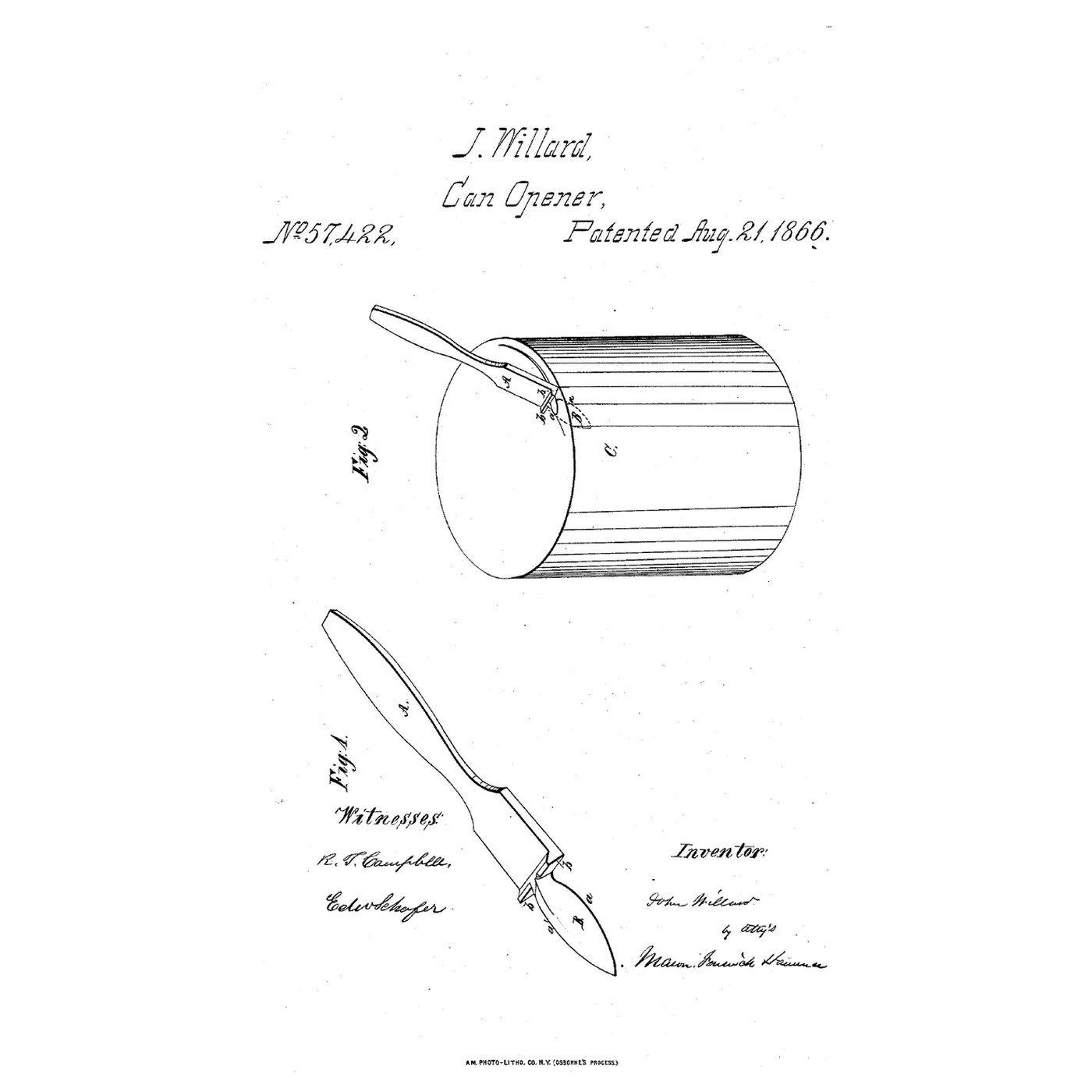


The Shouldered-Blade Can Opener: The Shoulders Are the Fulcrum
A hermetically sealed tin can was opened with a knife or a chisel, which slips and tears the metal.
John Willard of Norwich, Connecticut, received US 57,422, dated 21 August 1866, for an instrument for opening tin cans made of one piece of metal: a pointed blade at right angles to the handle, ending in two right-angle shoulders that rest on the can top as the fulcrum and press the cut edges down as the blade advances.
This rung works out the force the lever saves, then forges the opener from flat bar and opens a can with it.
Intermédiaire
About 3 hours
Consignes
1
1
Cutting force and hand force
Cutting force and hand force
Chargement du notebook Jupyter…
2
2
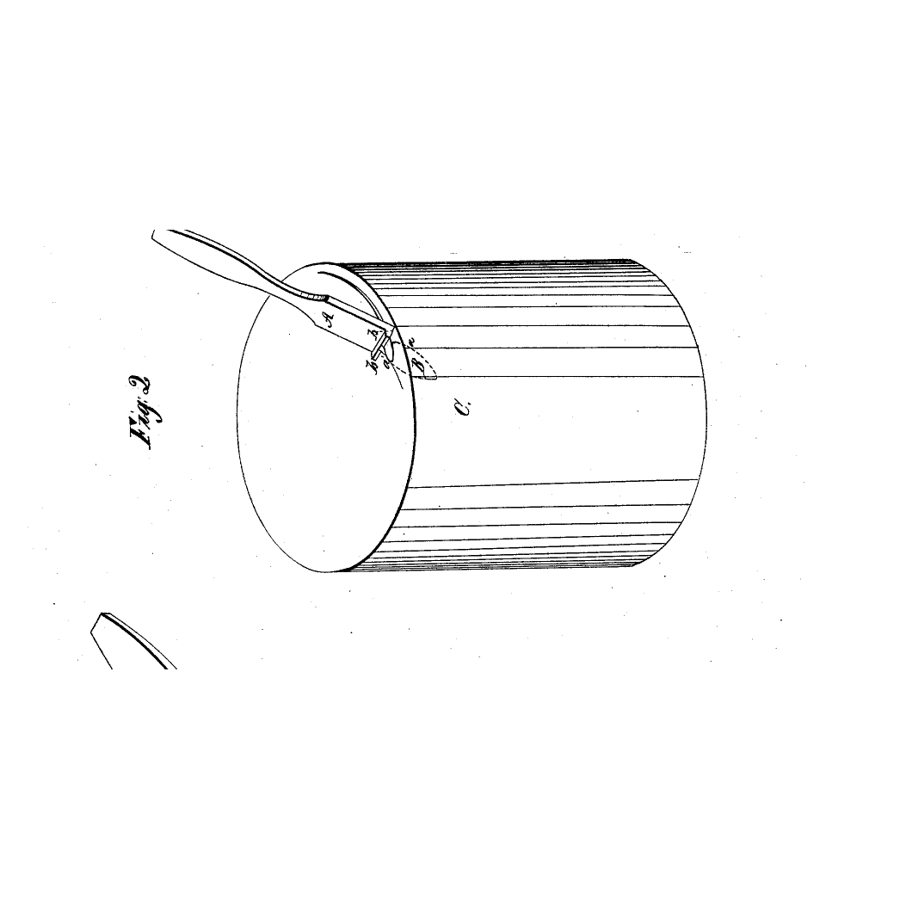
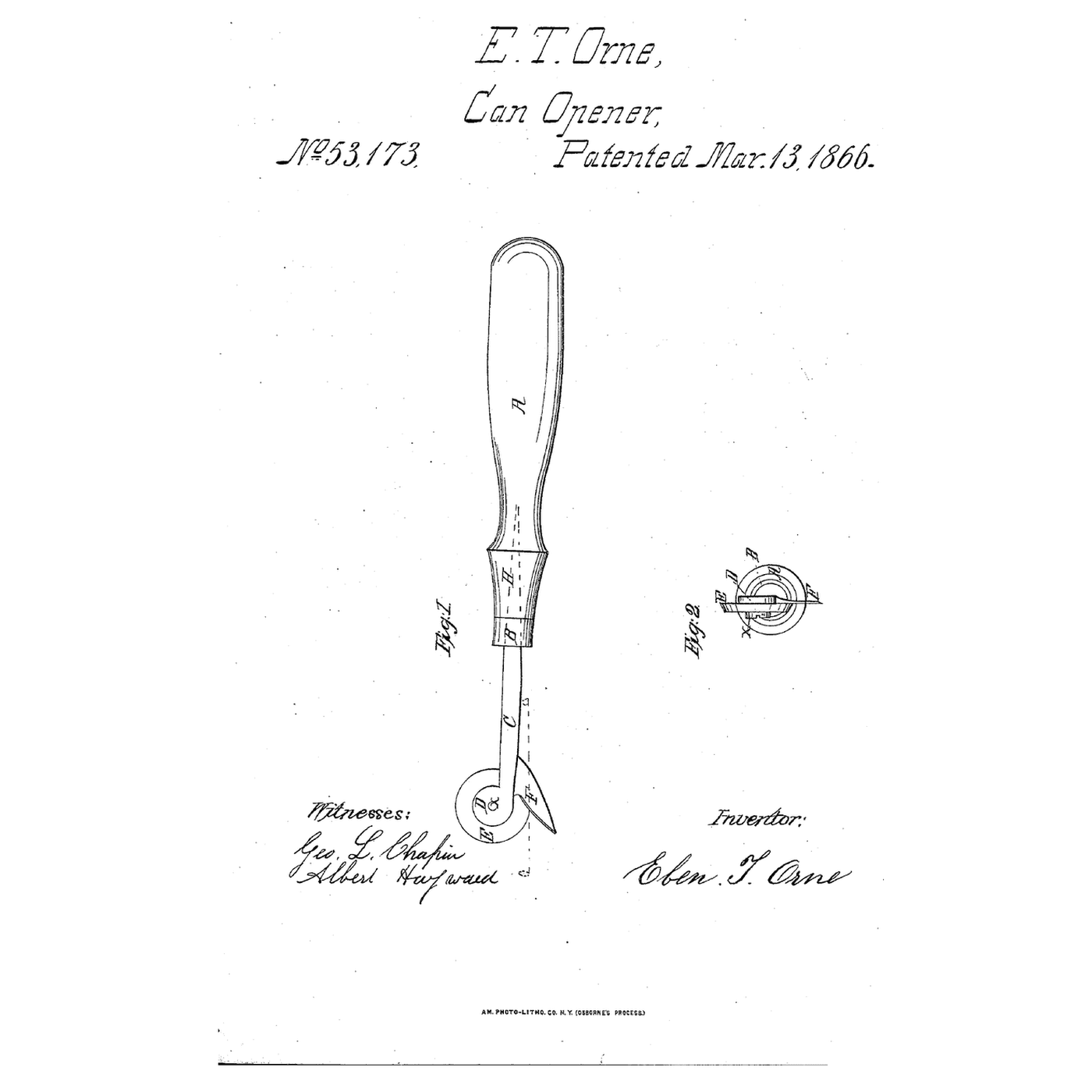
A lever-knife opener before it
A lever-knife opener before it
The embedded blueprint cuts a can with a lever and a guard. Willard makes blade, fulcrum and handle in one piece, the shoulders resting on the can.
3
3
Read US 57,422
Read US 57,422
"This will bring the shoulders b b upon the top surface of the can, so that these shoulders will serve as a fulcrum when the handle of the knife is depressed, and cause the cutting-edge a' of the blade B to make a slit through the can top."
"The shoulders b b not only serve as the support for the instrument upon the can, but these shoulders also press the edges of the metal down as the instrument is moved up to its work."
4
4
Mark and cut the blank
Mark and cut the blank
Cut 190 mm of 25 × 3 mm flat bar. At one end mark a 10 mm neck 12 mm long, then the 30 mm blade with its point; saw and file the neck, leaving the shoulders full width.
Matériaux pour cette étape :
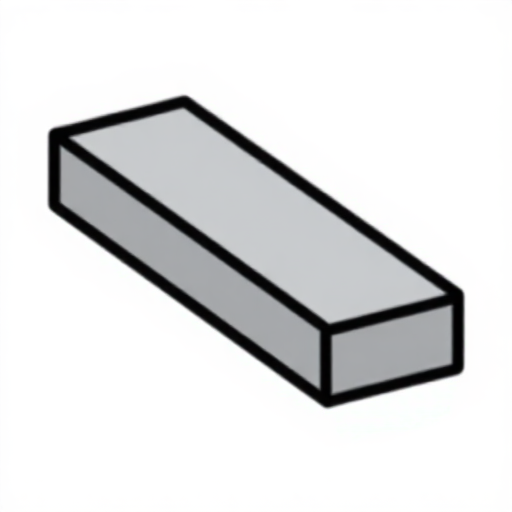 Plat en acier doux1 pièce
Outils nécessaires :
 Scie à métaux
 Étau d'établi
 Limes (lime à main)
 Règle
Règle Marqueur permanent
5
5
Twist the blade
Twist the blade
Grip the neck in the vice and twist the blade a quarter turn with the wrench, so it stands at right angles to the handle.
Outils nécessaires :
Étau d'établi Clé à molette
 Gants de travail en cuir
6
6
Grind the edge and point
Grind the edge and point
File the blade's upper edge to a cutting bevel and its end to a sharp point. Finish on the whetstone.
Outils nécessaires :
Limes (lime à main) Pierre à aiguiserÉtau d'établi
 Lunettes de sécurité transparentes
7
7
The build in 3D
The build in 3D
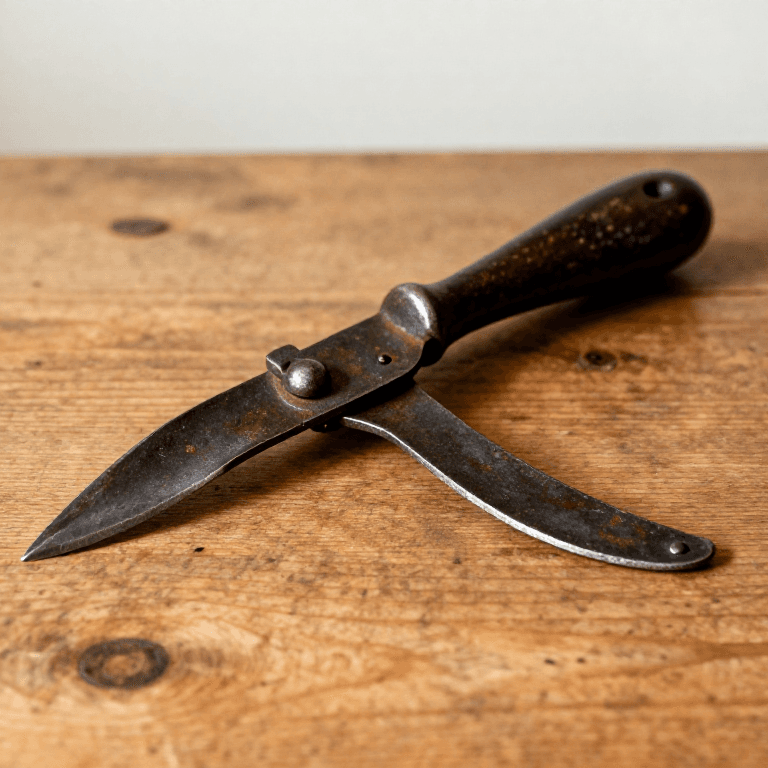
FreeCAD model of this build, not of the patent: a 130 mm handle of 25 × 3 mm bar, the shoulders, the 10 mm neck, and the pointed 30 mm blade standing at right angles to the handle.
8
8
Open a can
Open a can
Stand a sealed can on the kitchen scale. Push the point through the top, rock the handle down on the shoulders and advance; read the peak load on the scale and time a full circle.
Matériaux pour cette étape :
 Boîte de conserve1 pièce
Outils nécessaires :
 Balance de cuisine numérique
 ChronomètreGants de travail en cuir
9
9
A blade that tears, skids or will not pierce
A blade that tears, skids or will not pierce
Shouldered-blade can opener troubleshooting.
Flow
Loading...
10
10
History and honest limits
History and honest limits
**John Willard** of Norwich, Connecticut, received US 57,422, dated 21 August 1866. His handle may be of any length and width; the blade's lower edge may curve upward, and its cutting edge may project above the handle's flat surface so it meets the metal at a steep angle. His claim covers the one-piece opener with blade, shoulders and handle.
**Honest limits.** Mild flat bar does not hold an edge like hardened steel; the notebook's shear strength is an estimate. Your loads and times are the result.
Matériaux
2- 1 pièceEspace réservé
- 1 pièceEspace réservé
Outils requis
11- Espace réservé
- Espace réservé
- Espace réservé
- Espace réservé
- Espace réservé
- Espace réservé
- Espace réservé
- Espace réservé
- Espace réservé
- Espace réservé
- Espace réservé
Fichiers de conception
1Blueprints liés
Ces blueprints partagent des connaissances — techniques, matériaux ou principes


CC0 Domaine public
Ce blueprint est publié sous CC0. Vous êtes libre de copier, modifier, distribuer et utiliser ce travail pour tout usage, sans demander la permission.
Soutenez le Maker en achetant des produits via son Blueprint où il perçoit une Commission Maker définie par les Vendeurs, ou créez une nouvelle itération de ce Blueprint et incluez-le comme connexion dans votre propre Blueprint pour partager les revenus.