ART
BEAUTÉ ET BIEN-ÊTRE
ARTISANAT
CULTURE ET HISTOIRE
DIVERTISSEMENT
ENVIRONNEMENT
NOURRITURE ET BOISSONS
INGÉNIERIE INVERSE
SCIENCES
SPORTS
TECHNOLOGIE
TECHNOLOGIE PORTABLE


The Siphon Bird Waterer: An Oblique Cut That Lets the Air In
A drinker that refills itself keeps a caged bird in water for days, but only if it actually refills.
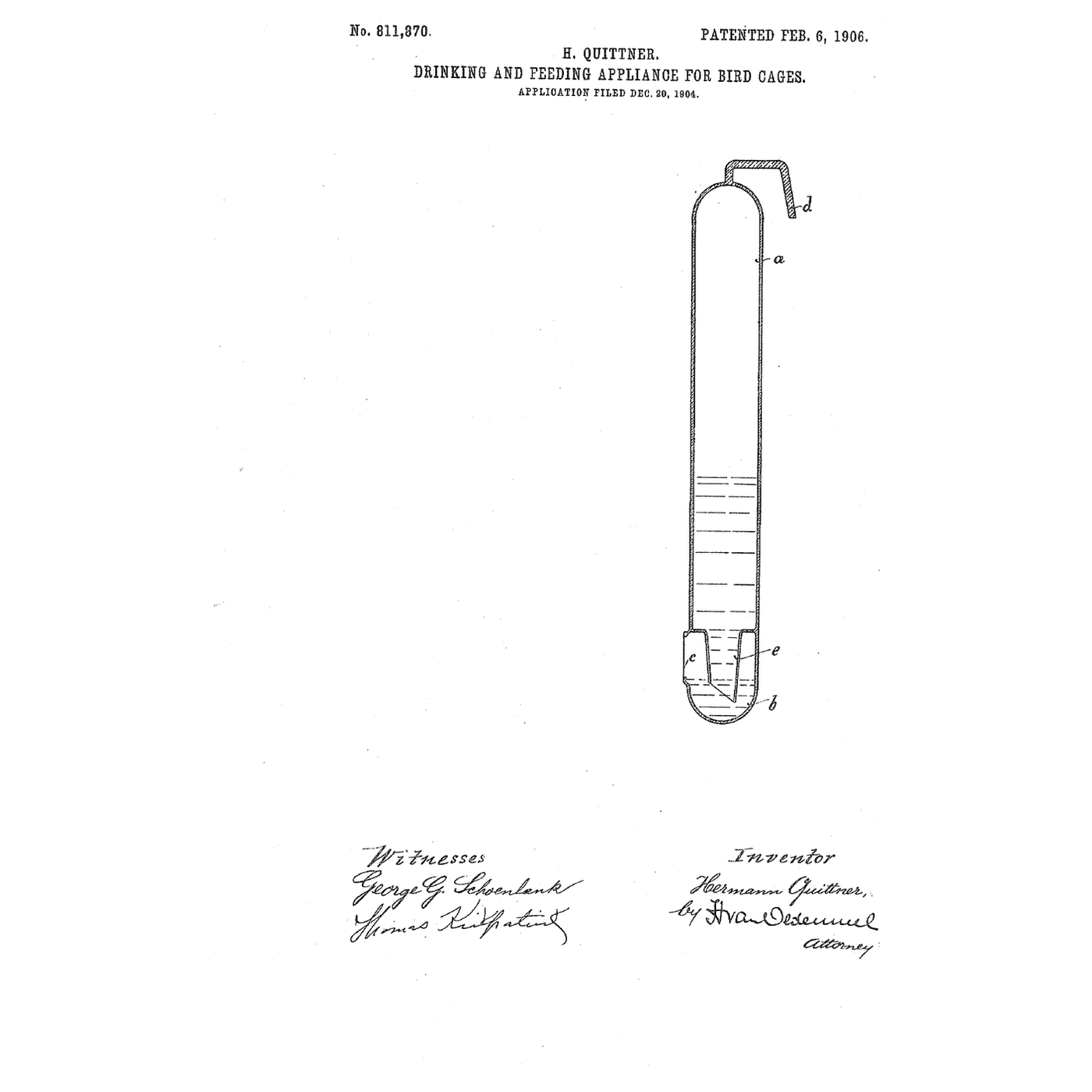
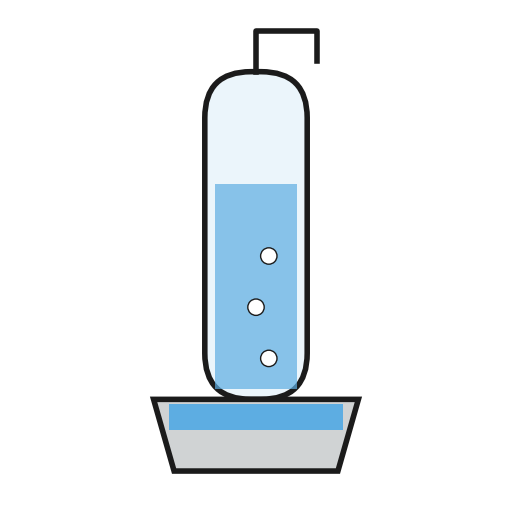
Hermann Quittner of Berlin received US 811,870, dated 6 February 1906, for a drinking appliance for bird-cages "made on the principle of a common siphon barometer": a closed tube whose upper part is the reservoir and lower part the basin, joined by a small tube. Its lower end is cut obliquely, so that air bubbles in and the basin refills as the bird drinks, where a square-cut tube could hold the water back.
This rung works out how far surface tension can hold the water back, then builds two drinkers, one square-cut and one oblique, and compares them.
Débutant
About 2 hours
Consignes
1
1
How far a meniscus holds
How far a meniscus holds
Chargement du notebook Jupyter…
2
2
Air holds the water up
Air holds the water up
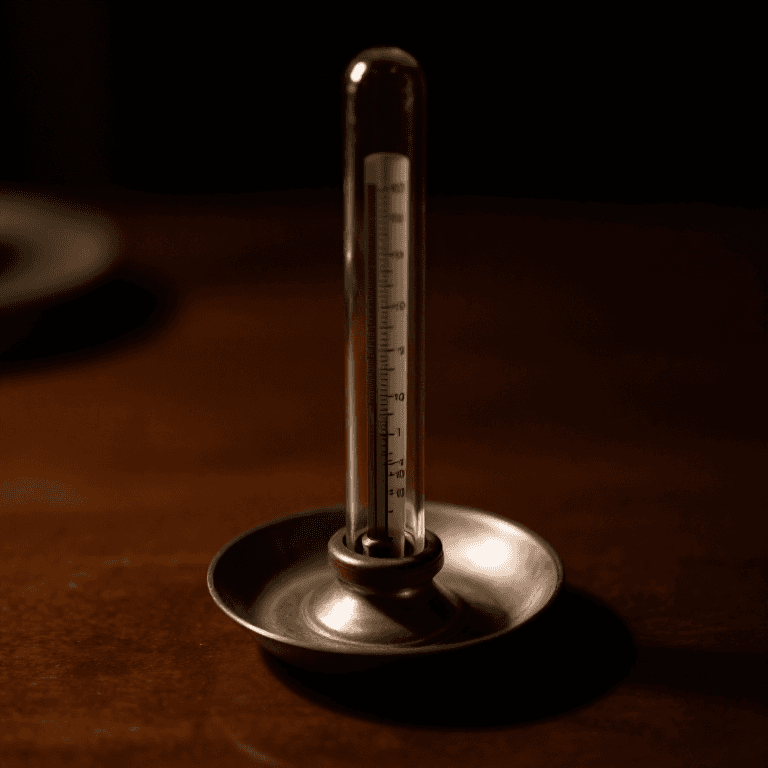
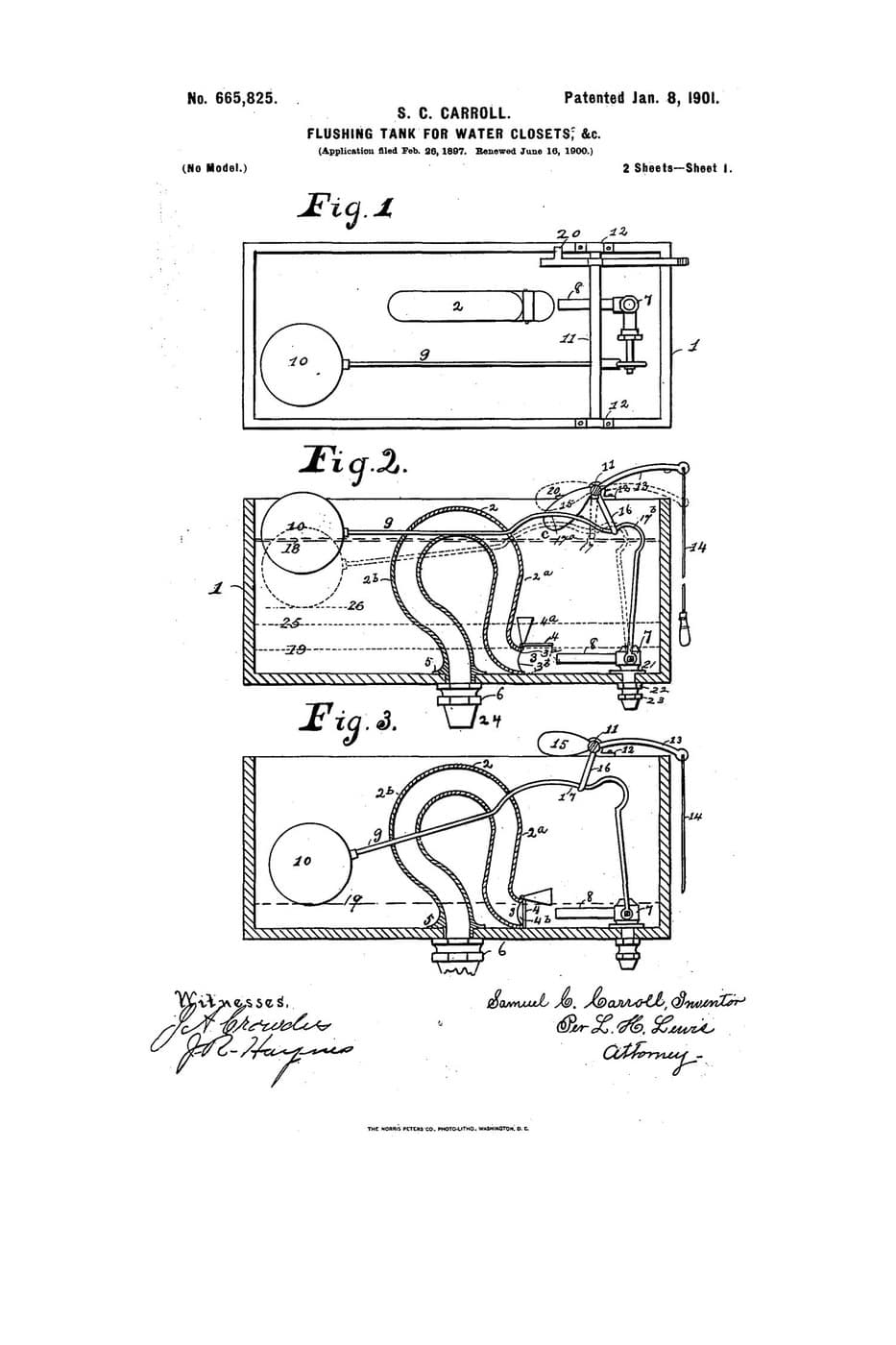
The embedded blueprint shows the air's pressure holding water up in a closed glass. Quittner's reservoir is held up the same way until the bird lets air in.
3
3
Read US 811,870
Read US 811,870
"My invention relates to drinking and feeding appliances designed for bird-cages and made on the principle of a common siphon barometer".
In earlier drinkers the small tube was "cut square—that is to say, at right angles to the axis of the tube—which has the disadvantage that by the action of the vacuum formed in the upper part of the vessel on the one hand and the outer air-pressure on the other hand the water is kept in equilibrium, so that the feeding-basin may be emptied without water being allowed to flow from the reservoir."
"For the purpose of insuring the outflow from the reservoir to the feeding-basin b in proportion to the removal of water from the latter by the bird the bottom end of the aforesaid small tube is cut obliquely for facilitating the entrance of air-bubbles."
4
4
Build two drinkers and compare them
Build two drinkers and compare them
Cut two 20 cm lengths of clear acrylic tube. Close the bottom of each with a rubber stopper. With a hacksaw and knife, cut a window 2 cm high in the side of each tube, just above the bottom stopper: this is the basin.
Drill a hole through a second stopper for each tube and push a 3 cm length of vinyl tubing through it. Cut the lower end of one tubing square and the other at about 45°. Push each stopper up the tube until it sits just above the window, tubing pointing down into the basin: this is the partition.
Stand the tubes upright, fill each reservoir from the top and close it with a third stopper. Draw 1 mL at a time from each basin with the pipette, and note after each draw whether bubbles rise and the basin refills.
Matériaux pour cette étape :
 Tube acrylique (transparent)1 pièce
 Bouchons en caoutchouc6 pièces
 Tuyau vinyle transparent1 pièce
 Eau200 ml
Outils nécessaires :
 Abreuvoir pour oiseaux
 Scie à métaux
 Cutter de modélisme avec lames de rechange
 Perceuse sans fil
 Jeu de forets
 Lime à métaux
 Pipette en verre
 Règle
Règle5
5
A drinker that floods, stalls or leaks
A drinker that floods, stalls or leaks
Siphon waterer troubleshooting.
Flow
Loading...
6
6
History and honest limits
History and honest limits
**Hermann Quittner** of Berlin filed US 811,870 on 20 December 1904; it was patented 6 February 1906. He hung the tube in the cage by a hook at its top, and noted the same appliance could hold seed, which settles to its own slope in the basin.
**Honest limits.** The notebook gives the holding height of a round opening only; an oblique cut exposes its upper edge first, so air gets in sooner, but the notebook does not model that shape. Tube sizes are examples. Your two drinkers are the measurement.
Matériaux
4- 1 pièceEspace réservé
- 6 piècesEspace réservé
- 1 pièceEspace réservé
- 200 mlEspace réservé
Outils requis
8- Espace réservé
- Espace réservé
- Espace réservé
- 1 vendor sell this, none ship to you yetEspace réservé
- Espace réservé
- Espace réservé
- Espace réservé
- Espace réservé
Blueprints liés
Ces blueprints partagent des connaissances — techniques, matériaux ou principes


CC0 Domaine public
Ce blueprint est publié sous CC0. Vous êtes libre de copier, modifier, distribuer et utiliser ce travail pour tout usage, sans demander la permission.
Soutenez le Maker en achetant des produits via son Blueprint où il perçoit une Commission Maker définie par les Vendeurs, ou créez une nouvelle itération de ce Blueprint et incluez-le comme connexion dans votre propre Blueprint pour partager les revenus.