
ART
BEAUTÉ ET BIEN-ÊTRE
ARTISANAT
CULTURE ET HISTOIRE
DIVERTISSEMENT
ENVIRONNEMENT
NOURRITURE ET BOISSONS
AVENIR VERT
INGÉNIERIE INVERSE
SCIENCES
SPORTS
TECHNOLOGIE
TECHNOLOGIE PORTABLE

Understanding Rhenium from Molybdenite — The Jet Engine Superalloy Element
Intermédiaire
Instructions
1
1
Understand Rhenium's Discovery
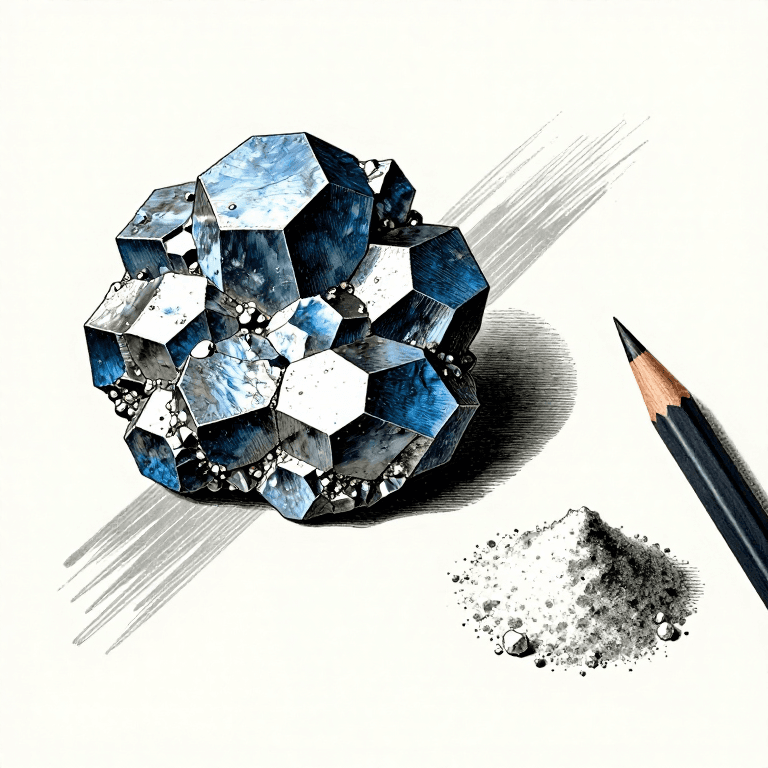
Walter Noddack, Ida Tacke, and Otto Berg discovered rhenium in 1925 using X-ray spectroscopy of platinum ores and columbite — the last stable, naturally occurring element to be discovered. They named it after the Rhine River (Rhenus in Latin). Rhenium was predicted by Mendeleev as 'dvi-manganese' based on its position below manganese in the periodic table. It took another 25 years before enough rhenium was accumulated for detailed study.
2
2
Identify Rhenium's Unique Source
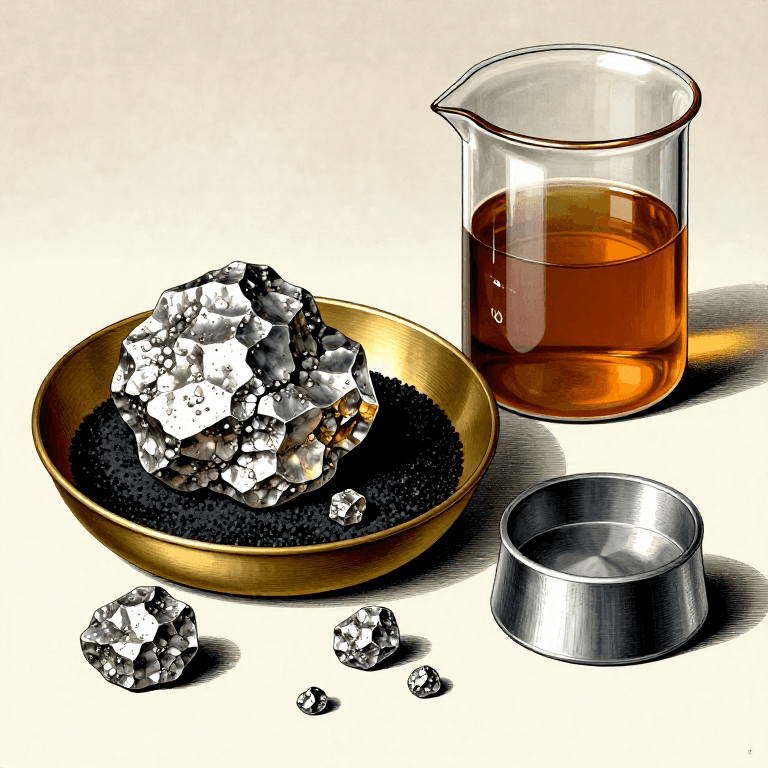
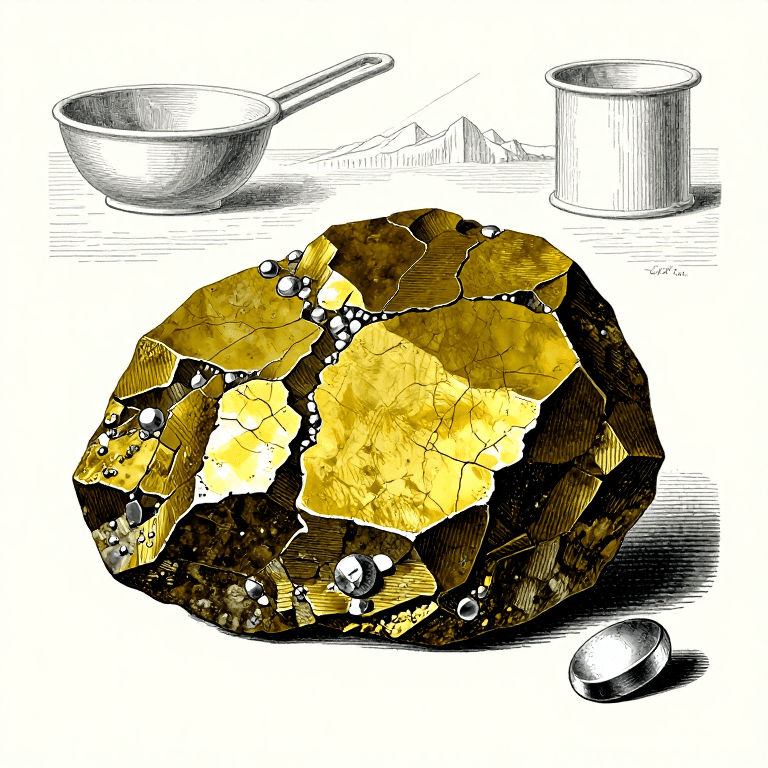
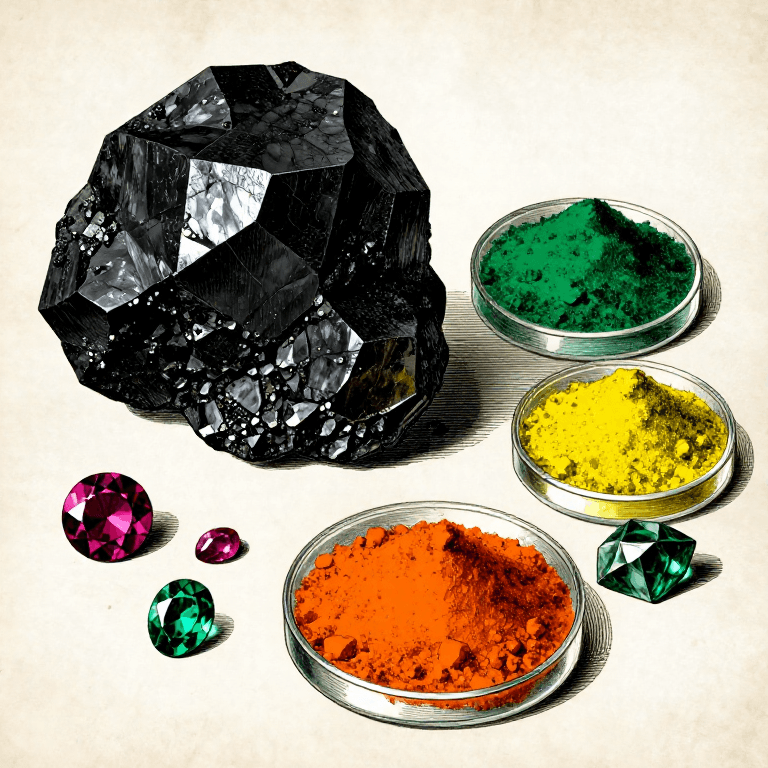
Rhenium is Earth's rarest stable metal at just 0.7 parts per billion in the crust — rarer than platinum or gold. It forms no minerals of its own and occurs only as a trace substituent in molybdenite (MoS₂), where it replaces molybdenum at 0.001-0.2%. Rhenium is recovered from flue dust when molybdenite is roasted to molybdenum trioxide — the volatile rhenium heptoxide (Re₂O₇) is captured in scrubbers. Chile produces 50% of world supply from Chuquicamata copper mine molybdenite.
Outils nécessaires :
Hand Lens (10x Magnification)3
3
Examine Superalloy Turbine Blade Applications
Rhenium's primary use (80% of consumption) is in single-crystal nickel-based superalloys for jet engine turbine blades. Adding 3-6% rhenium to alloys like CMSX-4 and René N6 increases creep strength at 1,100°C by partitioning to the gamma phase and inhibiting dislocation movement. Second-generation (3% Re) and third-generation (6% Re) superalloys power every modern commercial and military jet engine. Each GE90 engine contains approximately 30 kg of rhenium.
4
4
Discover Catalytic Reforming Applications
Platinum-rhenium bimetallic catalysts revolutionized petroleum reforming in the 1960s. Rhenium addition dramatically extends catalyst life by inhibiting carbon deposition (coking) on the platinum surface. These catalysts convert low-octane naphtha to high-octane gasoline components and produce hydrogen as a byproduct. Every major oil refinery uses platinum-rhenium reforming catalysts, consuming approximately 10 tonnes of rhenium annually worldwide.
5
5
Understand Rhenium's Extreme Properties
Rhenium has the third-highest melting point of any element (3,186°C, after tungsten and carbon), the highest boiling point (5,630°C), and one of the highest densities (21.02 g/cm³). It has the widest liquid range of any metal — 2,444°C between melting and boiling. Rhenium does not form a stable oxide layer above 600°C, which is why it is always alloyed with other metals rather than used alone at high temperatures.
6
6
Explore Tungsten-Rhenium Alloys
Adding rhenium to tungsten eliminates the brittle-to-ductile transition that makes pure tungsten unworkable at room temperature. W-26Re alloys remain ductile after recrystallization and can be welded — impossible with pure tungsten. These alloys are used for thermocouples measuring temperatures up to 2,200°C (Type C and D thermocouples), X-ray tube rotating anodes, and rocket nozzle throat inserts for liquid-fuel engines.
7
7
Survey Medical and Electronic Applications
Rhenium-188 (half-life 17 hours) is used in radioimmunotherapy for cancer treatment — it emits beta radiation for tumor destruction while its gamma emission allows simultaneous imaging. Rhenium is used in mass spectrometer filaments because it has a high work function and does not form carbides. Rhenium contacts in electrical switches resist arc erosion better than tungsten in high-current applications.
8
8
Examine Rhenium in Rocket Propulsion
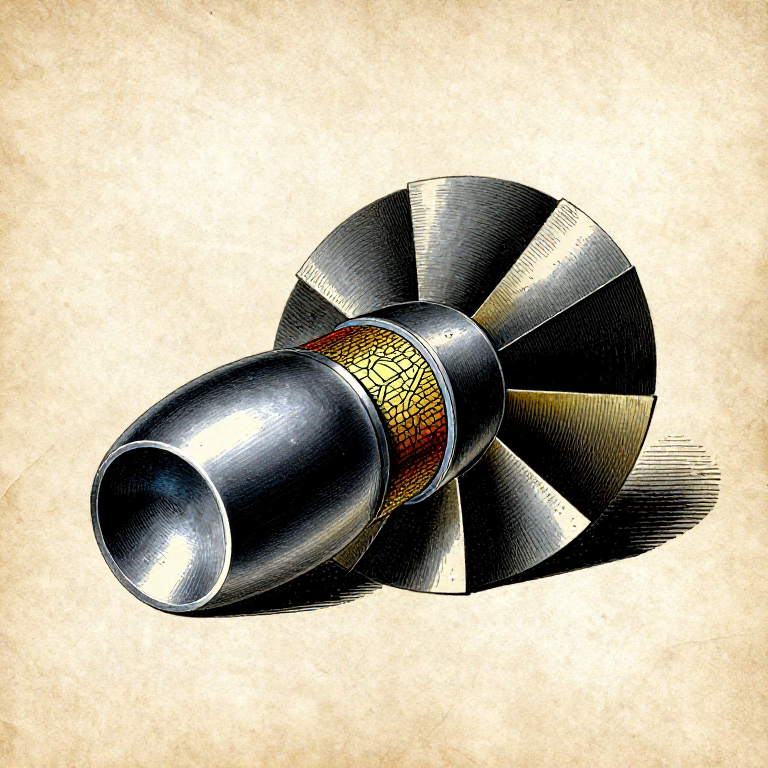
Iridium-coated rhenium (Ir/Re) combustion chambers withstand the extreme temperatures of high-performance rocket engines. The rhenium substrate provides structural strength at 2,200°C while the iridium coating prevents oxidation. This technology is used in satellite thrusters and upper-stage rocket engines where performance and reliability are critical. A single satellite thruster contains several hundred grams of rhenium.
Outils nécessaires :
Precision Scale (0.01g)9
9
Understand Supply Constraints and Pricing
Global rhenium production is only about 50 tonnes per year — entirely as a byproduct of molybdenum processing from copper mines. Rhenium metal is priced at $1,000-4,000 per kilogram, making it one of the most expensive industrial metals. The supply is entirely dependent on copper mining activity — if copper production declines, rhenium supply declines proportionally regardless of rhenium demand. Recycling from spent catalysts and superalloy scrap provides 20% of supply.
10
10
Document Findings and Strategic Analysis
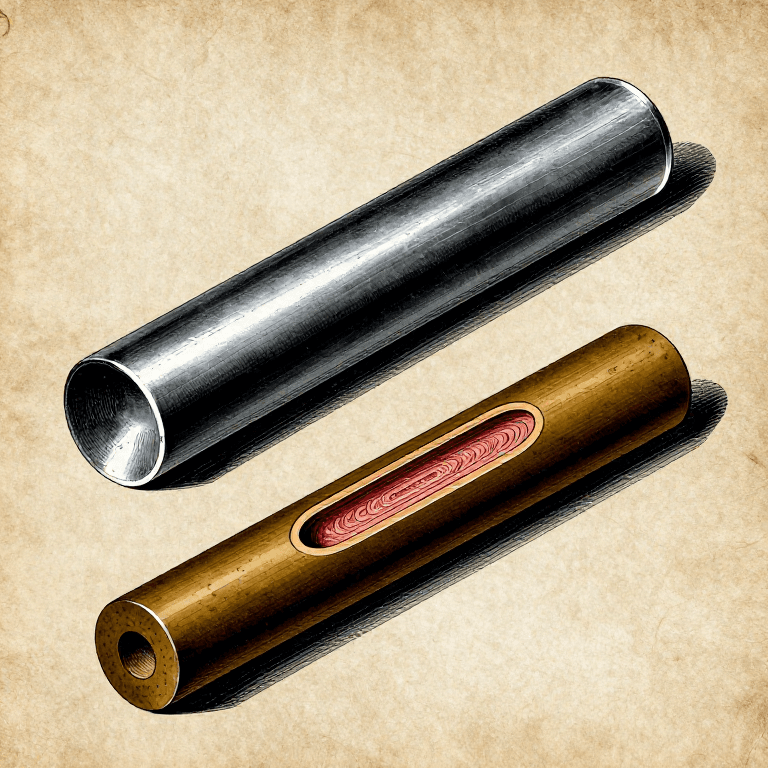
Record rhenium's key data: atomic number 75, density 21.02 g/cm³, melting point 3,186°C, silvery-white metal. Rhenium is indispensable for modern aviation — without it, jet engines would operate at lower temperatures with reduced fuel efficiency. Research into rhenium-free superalloys has produced fourth-generation alloys with ruthenium substituting for some rhenium, but rhenium content remains necessary for the highest-performance applications in military and next-generation commercial engines.
Outils requis
2- Espace réservé
- Espace réservé
Matériaux des Blueprints connectés

Extracting Cobalt from Cobaltite — The Goblin Metal That Colors Glass Bluepar Peter
Understanding Hafnium from Zircon — The Nuclear Fuel Rod Guardianpar Peter
Extracting Chromium from Chromite — The Element That Paints the Rainbowpar Peter
Understanding Osmium from Platinum Group Ores — The Densest Element on Earthpar Peter
Understanding Iridium from Platinum Group Ores — The Asteroid Impact Witnesspar Peter
Understanding Technetium from Nuclear Fission — The First Artificially Made Elementpar Peter
CC0 Domaine public
Ce blueprint est publié sous CC0. Vous êtes libre de copier, modifier, distribuer et utiliser ce travail pour tout usage, sans demander la permission.
Soutenez le Maker en achetant des produits via son Blueprint où il perçoit une Commission Maker définie par les Vendeurs, ou créez une nouvelle itération de ce Blueprint et incluez-le comme connexion dans votre propre Blueprint pour partager les revenus.