ART
BEAUTÉ ET BIEN-ÊTRE
ARTISANAT
CULTURE ET HISTOIRE
DIVERTISSEMENT
ENVIRONNEMENT
NOURRITURE ET BOISSONS
INGÉNIERIE INVERSE
SCIENCES
SPORTS
TECHNOLOGIE
TECHNOLOGIE PORTABLE
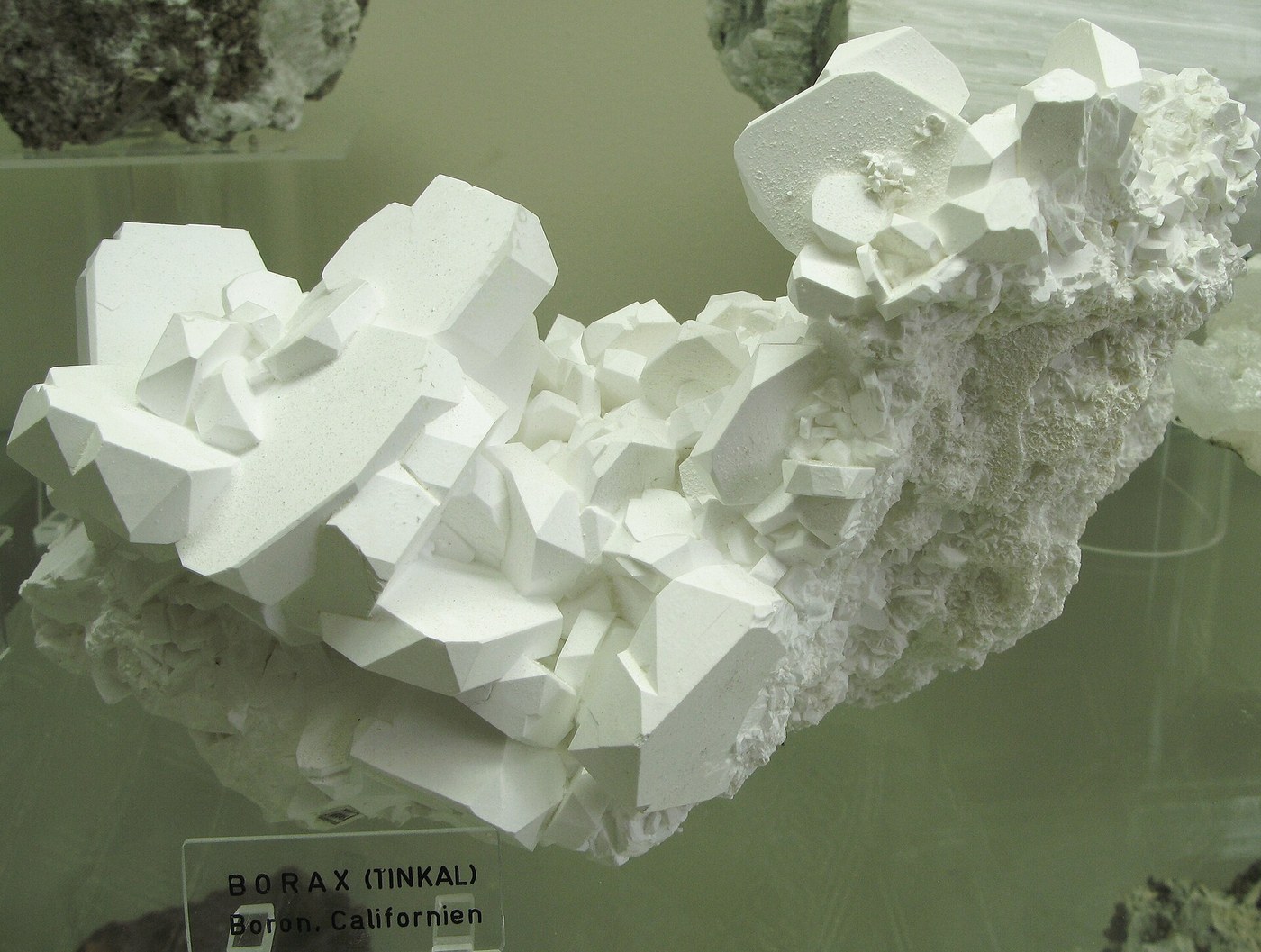


Venetian Borax: Refining Tincal with Lime
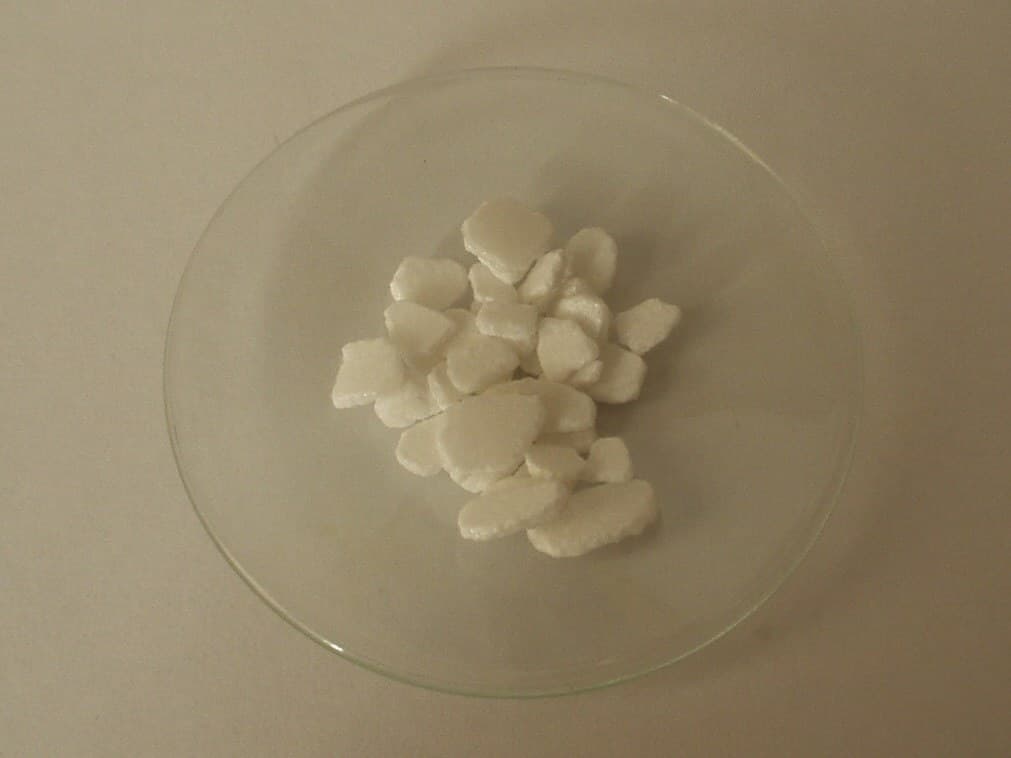
Native borax, tincal, came to Europe from the dried lake shores of Tibet and India coated in an earthy, soapy fat. Venice, then the Dutch, refined it in secret: the refined salt was called Venetian borax. One of their methods is recorded by Knapp, as Muspratt gives it in 1860: soften the tincal with water and a little slaked lime, wash it clean, dissolve it hot with a little chloride of calcium to take out the last of the soap, then crystallise it in lead-lined wooden cones. Borax is the flux of brazing and soldering.
Intermédiaire
Several days
Consignes
1
1
Weigh the tincal and the additions
Weigh the tincal and the additions
Weigh the tincal, about 1 per cent of its weight of slaked lime, and about 2 per cent of chloride of calcium (step 7 works it out for 10 kg).
Matériaux pour cette étape :
 Tincal (borax brut)10 kg
 Chaux éteinte (hydroxyde de calcium)100 g
 Chlorure de calcium200 g
Outils nécessaires :
 Balance à fléau
2
2
Soften it with water and lime
Soften it with water and lime
Soften the tincal in a small quantity of cold water in a wooden tub, and stir it about while adding the slaked lime little by little.
Matériaux pour cette étape :
 Eau1 as required
Outils nécessaires :
 Baquet en bois
 Pagaie en bois
 Lunettes-masque anti-projections chimiques
 Gants en caoutchouc
3
3
Wash it several times
Wash it several times
Pour off the turbid lime-water. Let the impurities settle out of it, then pour the clear liquid back over the crystals. Repeat this several times; it takes away the greater part of the soapy crust.
Outils nécessaires :
Baquet en boisPagaie en bois4
4
Dissolve hot with chloride of calcium
Dissolve hot with chloride of calcium
Dissolve the washed crystals in hot water and add the chloride of calcium. It turns what soap remains into an insoluble lime soap (and common salt); strain that off.
Matériaux pour cette étape :
Eau1 as required Charbon de bois1 as required
Outils nécessaires :
 Chaudière d'évaporation
 Fourneau à charbon de bois
 PassoirePagaie en boisLunettes-masque anti-projections chimiquesGants en caoutchouc
5
5
Boil down to 21 degrees Baumé
Boil down to 21 degrees Baumé
Evaporate the clear liquid to 21 degrees Baumé, a specific gravity of 1.17, checking with a hydrometer.
Matériaux pour cette étape :
Charbon de bois1 as requiredOutils nécessaires :
Chaudière d'évaporationFourneau à charbon de bois Densimètre
6
6
Crystallise in lead-lined cones
Crystallise in lead-lined cones
Run the liquor into wooden vessels lined with lead and shaped as short inverted cones, and let it crystallise. Any deposit collects in the narrow lower part and does not spoil the crystals. Knapp adds that a little tincal stirred in before this last crystallisation keeps the crystals from splitting and flying off the work when heated for soldering.
Outils nécessaires :
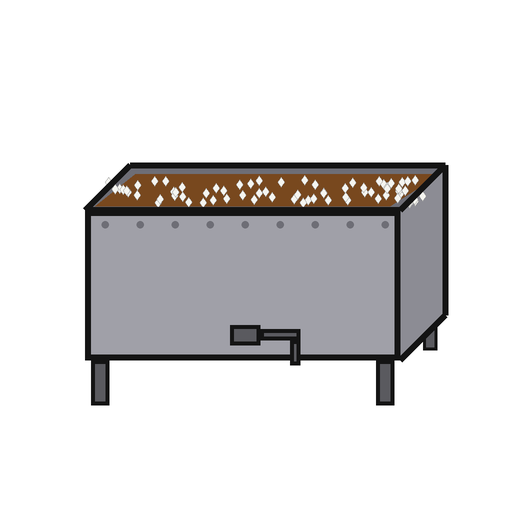 Bac de cristallisation
 Feuille de plomb
7
7
Knapp's additions, per 10 kg
Knapp's additions, per 10 kg
Chargement du notebook Jupyter…
8
8
Powder it for flux
Powder it for flux
Take out the crystals, dry them and grind them in a mortar to a powder for use as flux. Keep it covered: in dry air borax slowly loses water and turns opaque on the surface.
Outils nécessaires :
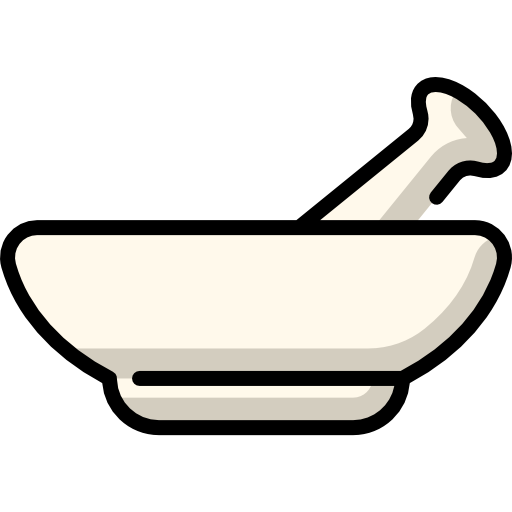 Mortier et pilon
9
9
Troubleshooting
Troubleshooting
Borax refining troubleshooting.
Flow
Loading...
10
10
History and honest limits
History and honest limits
Muspratt (1860) gives Knapp's two known methods of the secret Venetian and Dutch refining; this is the lime method. The other washed the powdered tincal with caustic soda lye and added carbonate of soda. By Muspratt's time most borax was made instead from the boracic acid of Tuscany and carbonate of soda. Knapp's per cent figures do not say of what; we take them as per cent of the tincal. Grinding the crystals to powder is ours.
Matériaux
5- 10 kgEspace réservé
- Espace réservé
- 200 gEspace réservé
- 2 as requiredEspace réservé
- 1 as requiredEspace réservé
Outils requis
12- Espace réservé
- Espace réservé
- Espace réservé
- Espace réservé
- Espace réservé
- Espace réservé
- Espace réservé
- Espace réservé
- Espace réservé
- Espace réservé
- Espace réservé
- Espace réservé

Blueprints liés
Ces blueprints partagent des connaissances — techniques, matériaux ou principes
CC0 Domaine public
Ce blueprint est publié sous CC0. Vous êtes libre de copier, modifier, distribuer et utiliser ce travail pour tout usage, sans demander la permission.
Soutenez le Maker en achetant des produits via son Blueprint où il perçoit une Commission Maker définie par les Vendeurs, ou créez une nouvelle itération de ce Blueprint et incluez-le comme connexion dans votre propre Blueprint pour partager les revenus.