ART
BEAUTÉ ET BIEN-ÊTRE
ARTISANAT
CULTURE ET HISTOIRE
DIVERTISSEMENT
ENVIRONNEMENT
NOURRITURE ET BOISSONS
INGÉNIERIE INVERSE
SCIENCES
SPORTS
TECHNOLOGIE
TECHNOLOGIE PORTABLE
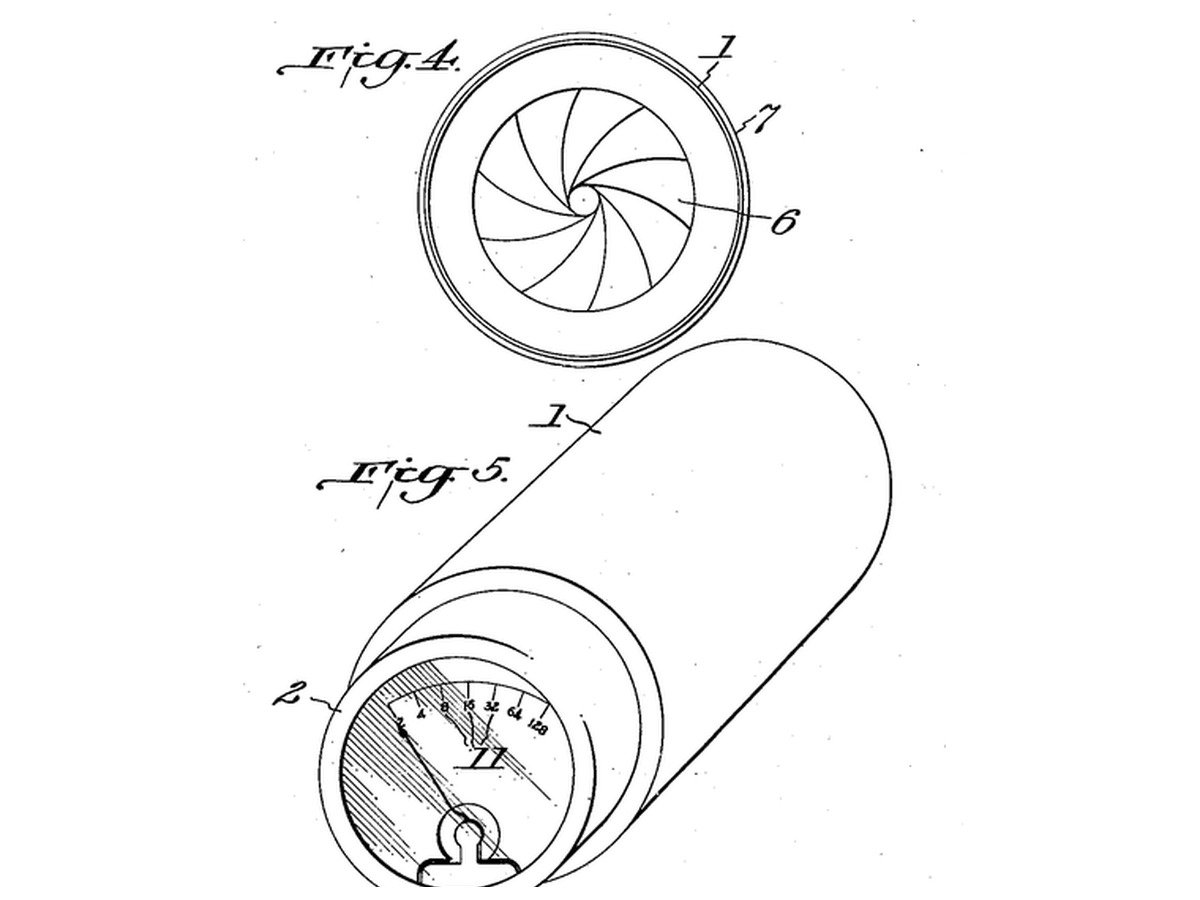

Photoelectric Exposure Meter
Photographers judged exposure by eye, by printed tables, or with extinction meters that asked them to read the dimmest visible number. Edward Weston (the instrument maker, not the photographer) used a photovoltaic cell that generates its own current in light and fed it straight into a sensitive meter marked in exposure terms. No battery, no judgement.
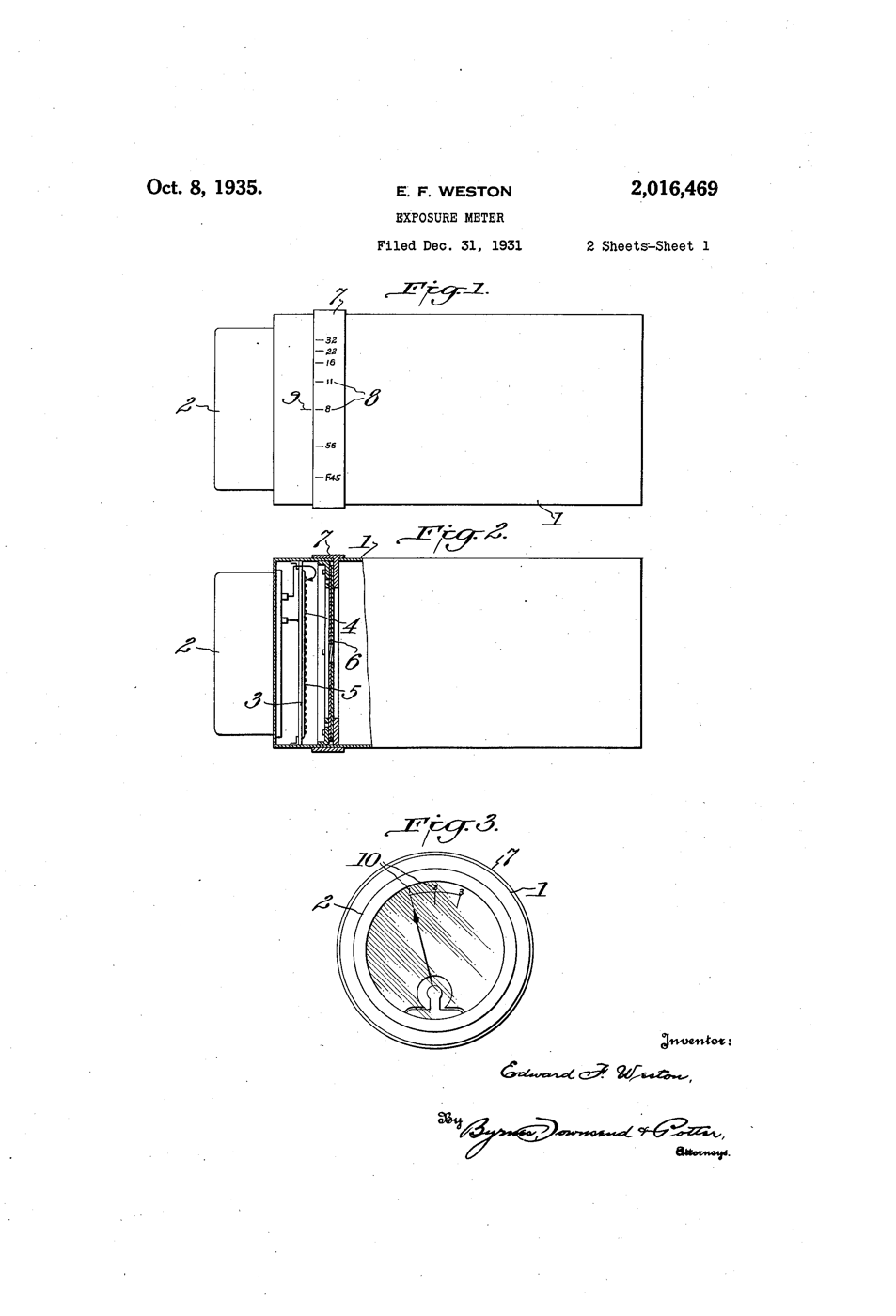
**US 2,016,469**, "Exposure meter", Weston, assigned to Weston Electrical Instrument, filed 31. December 1931, granted 8. October 1935: an instrument "for the direct determination of the correct exposure conditions", improving on earlier current-generating cell meters whose output was too small and whose construction was impractical.
**You build the same thing** from a small solar cell and a multimeter, calibrate it against a lux meter, and turn its readings into shutter speeds.
Débutant
90 minutes
Consignes
1
1
Cell and meter
Cell and meter
Clip the solar cell's two leads to the multimeter set to DC milliamps (or microamps). This short-circuits the cell through the meter - the current is what you read.
Matériaux pour cette étape :
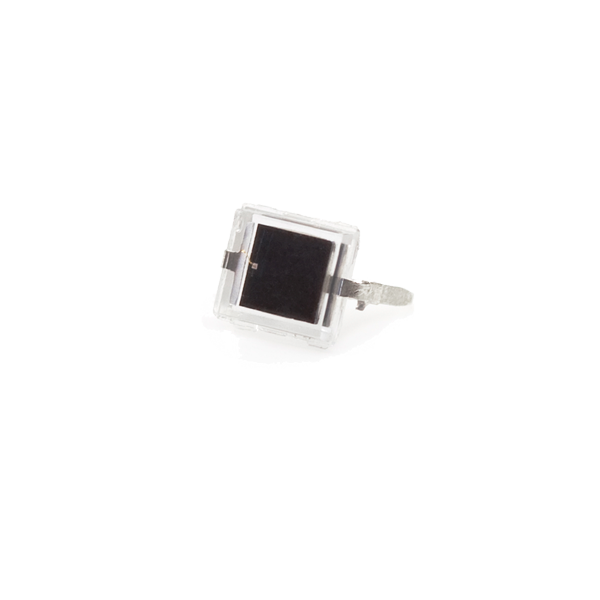 Solar Cell Mini - 350mV1 pièce
Outils nécessaires :
 Multimètre
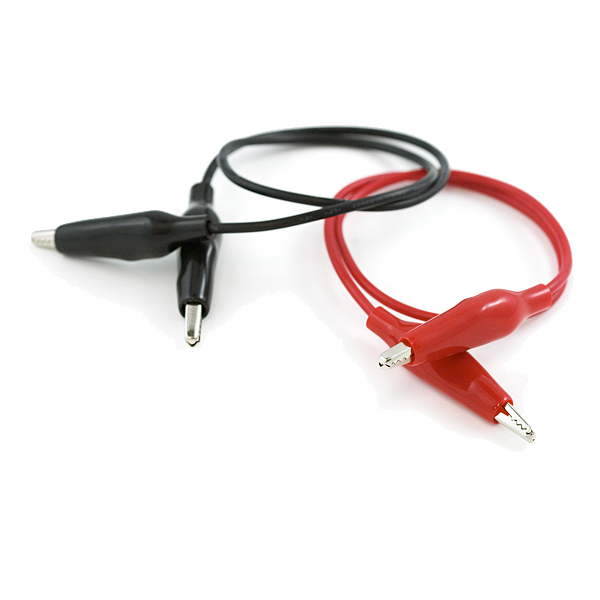 Alligator to Alligator Cables
2
2
A hood
A hood
Glue a black card tube 30 mm long around the cell so it sees only light from in front, as Weston's meter did.
Matériaux pour cette étape :
 Carton noir1 feuille
Outils nécessaires :
 Cutter de précision
 Pistolet à colle chaude
3
3
Calibrate
Calibrate
Hold the cell and the lux meter side by side, facing the same way, in four very different lights: a dim room, a lamp, a window, open shade outdoors. Note both readings each time.
Outils nécessaires :
 Luxmètre
4
4
Current to exposure
Current to exposure
Chargement du notebook Jupyter…
5
5
Use it
Use it
Stand at the subject, point the hood back towards the camera, read the current, and set the camera manually from the notebook's table. Compare with the camera's own meter.
Outils nécessaires :
Multimètre6
6
History & Context
History & Context
**What the patent specifies:** a light-sensitive current-generating cell connected to a measuring instrument reading directly in exposure terms. **Modern build (derived):** a silicon solar cell and a multimeter.
Weston's selenium-cell meters, sold from 1932, made metering routine; cameras later built the cell in. Its limits: selenium cells lose sensitivity in dim light and age, and any meter averages the scene - a snowfield or a black cat still fools it.
Matériaux
2- Solar Cell Mini - 350mV10 % de commission1 pièce€1.93
- 1 feuilleEspace réservé
Outils requis
5- Espace réservé
- Alligator to Alligator Cables10 % de commission€3.11
- Espace réservé
- Espace réservé
- Espace réservé
Total estimé
Ce que le maker a acheté. Les matériaux sans prix se trouvent là où vous les achetez.
Blueprints liés
Ces blueprints partagent des connaissances — techniques, matériaux ou principes

CC0 Domaine public
Ce blueprint est publié sous CC0. Vous êtes libre de copier, modifier, distribuer et utiliser ce travail pour tout usage, sans demander la permission.
Soutenez le Maker en achetant des produits via son Blueprint où il perçoit une Commission Maker définie par les Vendeurs, ou créez une nouvelle itération de ce Blueprint et incluez-le comme connexion dans votre propre Blueprint pour partager les revenus.