

Making Paper from Wood Pulp — The Groundwood Process That Made Paper Cheap
For nearly two thousand years, paper was made from rags — worn-out linen and cotton beaten to pulp. It was good paper, but rags were scarce, and as literacy spread the world simply ran out of them. The answer, found in the 1840s, was to make paper from the most abundant fibre on Earth: wood.
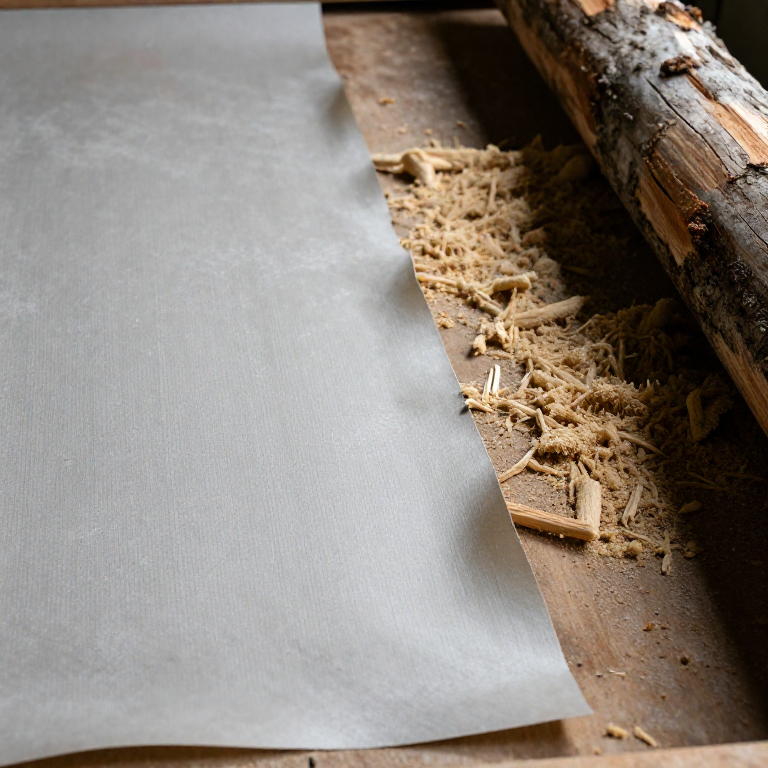
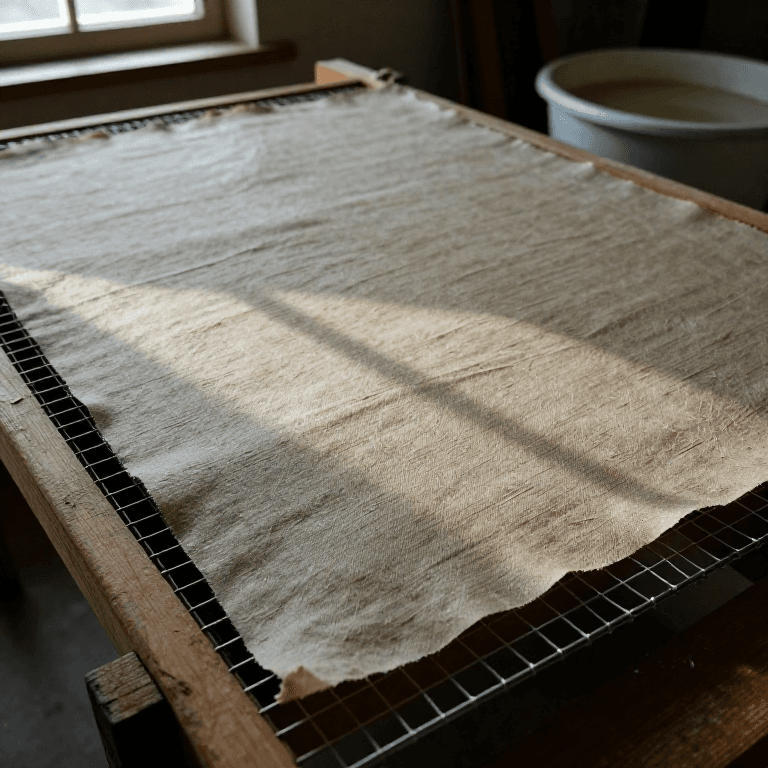
The simplest method is mechanical groundwood pulp. A log is pressed against a wet, spinning grindstone, which tears the wood into a slush of short fibres. Screened, refined, and matted on a wire, those fibres dry into paper. It is fast and cheap and turns a forest into newsprint — which is exactly what put a daily newspaper into every household.
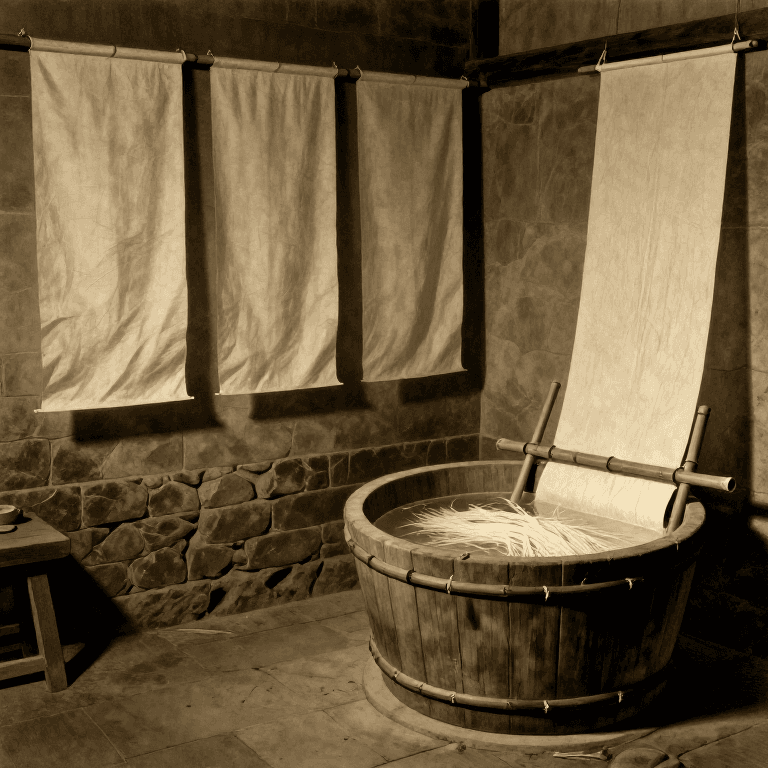
Groundwood pulp keeps the wood's lignin, so the paper is weak and yellows with age, as old newspapers show. Removing the lignin by chemical pulping gives the white, durable paper of books — a more advanced step that built on this one. But it was cheap wood paper that truly democratised the printed word.
Consignes
Understand the shift to wood
Understand the shift to wood
Select softwood
Select softwood
Matériaux pour cette étape :
 Billes de bois tendre5 kg
Debark the logs
Debark the logs
Outils nécessaires :
 Plane
PlaneGrind the wood to pulp
Grind the wood to pulp
Matériaux pour cette étape :
 Eau40 litres
Outils nécessaires :
 Pierre à aiguiser à roue
Screen the pulp
Screen the pulp
Outils nécessaires :
 Tamis 60 mesh
Refine the stock
Refine the stock
Add sizing and filler
Add sizing and filler
Matériaux pour cette étape :
 Colophane de pin50 g
 Alun (alun de potassium)30 g
Form the sheet
Form the sheet
Outils nécessaires :
 Forme à papier
Couch and press
Couch and press
Matériaux pour cette étape :
 Feutre de laine2 pièces
Outils nécessaires :
 Presse
Dry the sheets
Dry the sheets
Finish the paper
Finish the paper
Outils nécessaires :
PresseKnow its strength and weakness
Know its strength and weakness
Matériaux
5- Espace réservé
- 40 litresEspace réservé
- 50 gEspace réservé
- Espace réservé
- 2 piècesEspace réservé
Ce plan fabrique

Blueprints liés
Ces blueprints partagent des connaissances — techniques, matériaux ou principes


CC0 Domaine public
Ce blueprint est publié sous CC0. Vous êtes libre de copier, modifier, distribuer et utiliser ce travail pour tout usage, sans demander la permission.
Soutenez le Maker en achetant des produits via son Blueprint où il perçoit une Commission Maker définie par les Vendeurs, ou créez une nouvelle itération de ce Blueprint et incluez-le comme connexion dans votre propre Blueprint pour partager les revenus.