SENI
KECANTIKAN & KESEHATAN
KERAJINAN
BUDAYA & SEJARAH
HIBURAN
LINGKUNGAN
MAKANAN & MINUMAN
REKAYASA BALIK
ILMU PENGETAHUAN
OLAHRAGA
TEKNOLOGI
PERANGKAT PAKAI
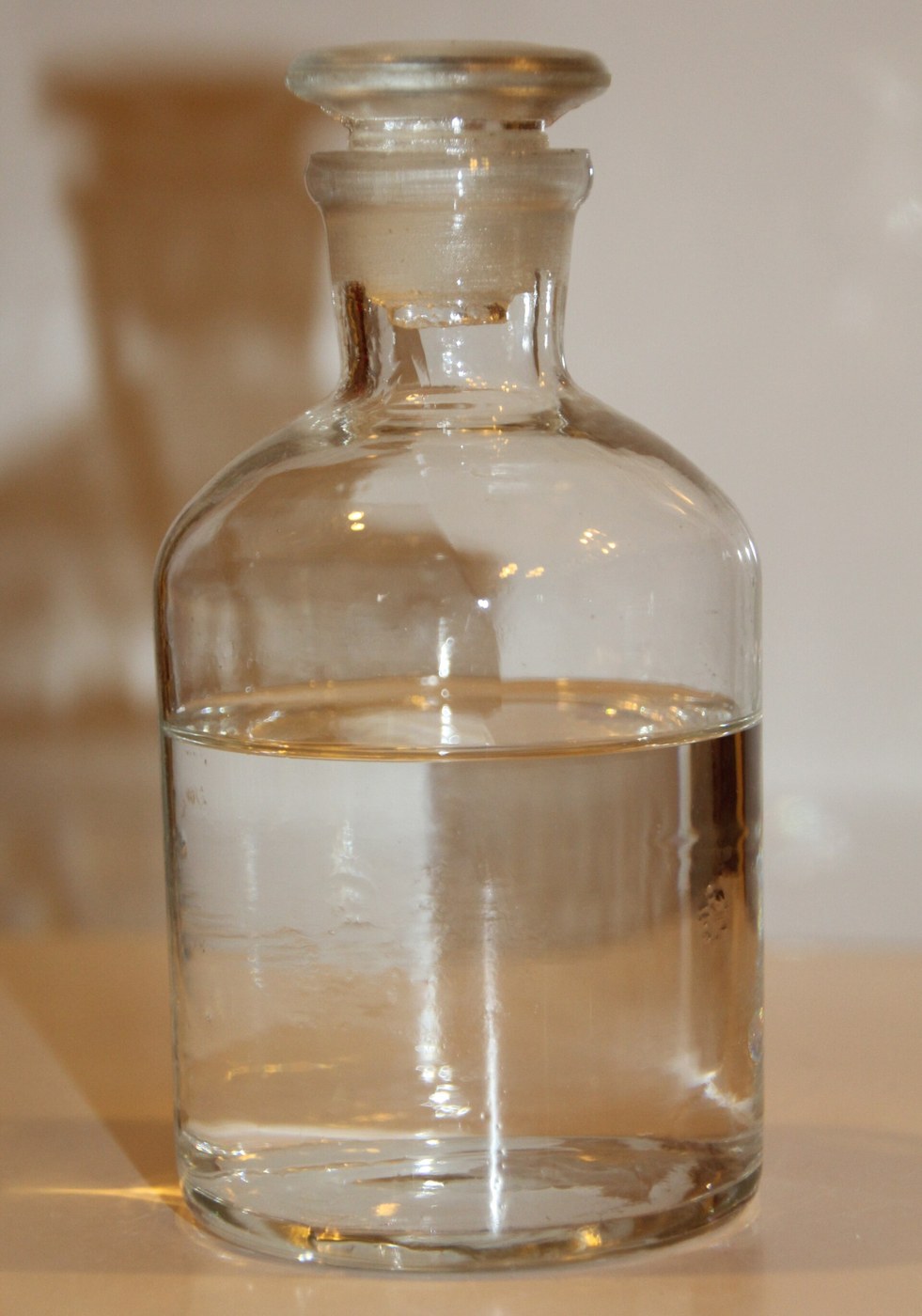


Acetone by Dry Distillation of Acetate of Lime
Before the cumene process, acetone was made from "acetate of lime", calcium acetate. Limestone (calcium carbonate) soaked in vinegar gives calcium acetate; when the dry salt is heated it breaks down into calcium carbonate and acetone: Ca(CH₃COO)₂ → CaCO₃ + (CH₃)₂CO. Charles Friedel reported this dry distillation in 1858, and until World War I it was the main commercial way to make acetone. The calcium carbonate is left behind in the retort and the acetone distils over.
Menengah
2–3 days
Instruksi
1
1
Make calcium acetate
Make calcium acetate
Soak crushed limestone in vinegar. The acetic acid dissolves the calcium carbonate as calcium acetate.
Material untuk langkah ini:
 Kalsium Karbonat - Batu Kapur Tumbuk1 as required
 Cuka1 as required
Alat yang dibutuhkan:
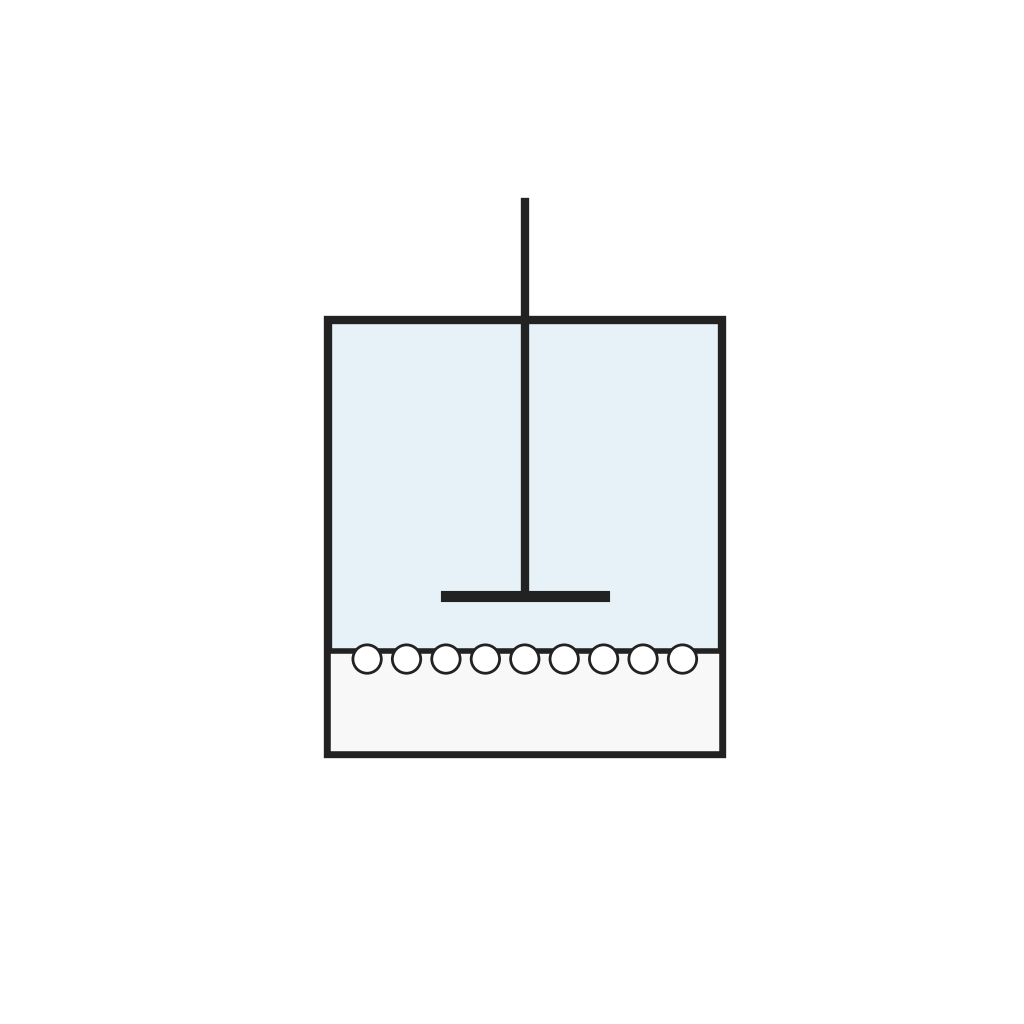 Tangki pengendapan
2
2
Dry the salt
Dry the salt
Draw off the solution and evaporate the water to leave dry calcium acetate.
Alat yang dibutuhkan:
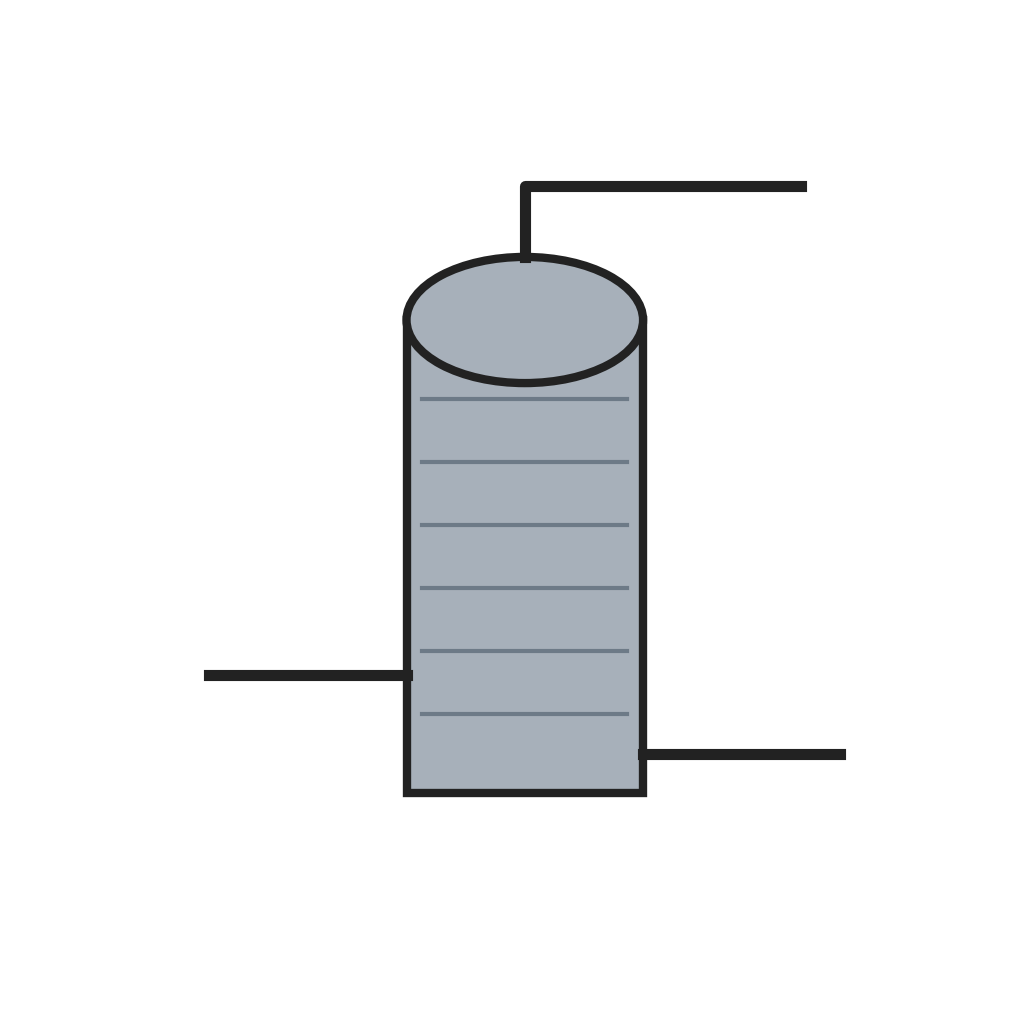 Penguap
3
3
Dry-distil
Dry-distil
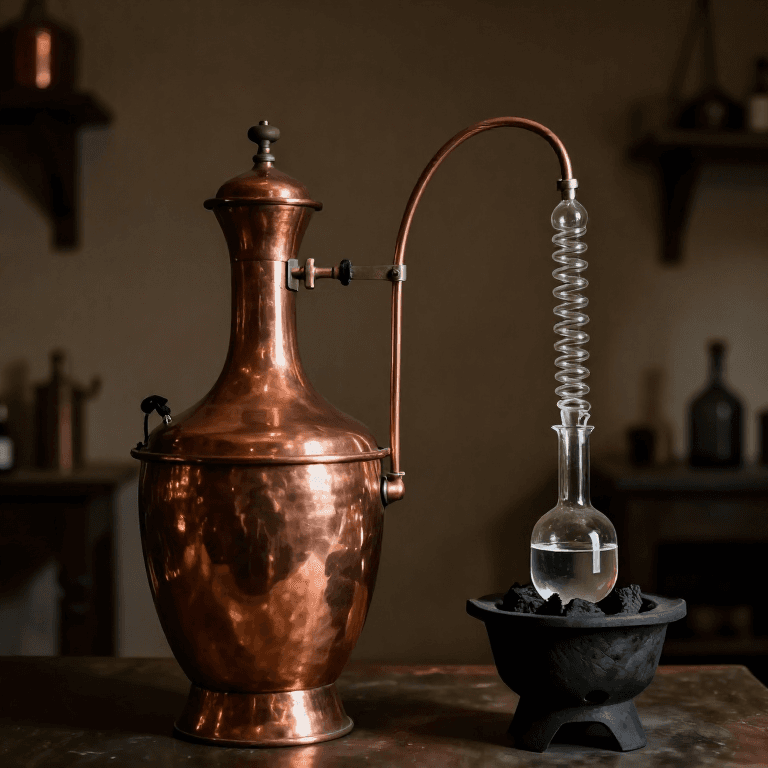
Heat the dry calcium acetate in a closed retort. It decomposes into calcium carbonate, which stays behind, and acetone, which comes off as vapour; condense it.
Alat yang dibutuhkan:
 Retort besi
 Kumparan kondensor
Alat yang Diperlukan
4- Placeholder
- Placeholder
- Placeholder
- Placeholder
Cetak biru ini membuat
Blueprint terkait
Blueprint ini berbagi pengetahuan — teknik, bahan, atau prinsip

CC0 Domain Publik
Cetak biru ini dirilis di bawah CC0. Anda bebas untuk menyalin, memodifikasi, mendistribusikan, dan menggunakan karya ini untuk tujuan apa pun, termasuk komersial, tanpa meminta izin.
Dukung Maker dengan membeli produk melalui Cetak Biru mereka di mana mereka mendapatkan Komisi Pembuat yang ditetapkan oleh Penjual, atau buat iterasi baru dari Cetak Biru ini dan masukkan sebagai koneksi di milik Anda sendiri.