SENI
KECANTIKAN & KESEHATAN
KERAJINAN
BUDAYA & SEJARAH
HIBURAN
LINGKUNGAN
MAKANAN & MINUMAN
REKAYASA BALIK
ILMU PENGETAHUAN
OLAHRAGA
TEKNOLOGI
PERANGKAT PAKAI
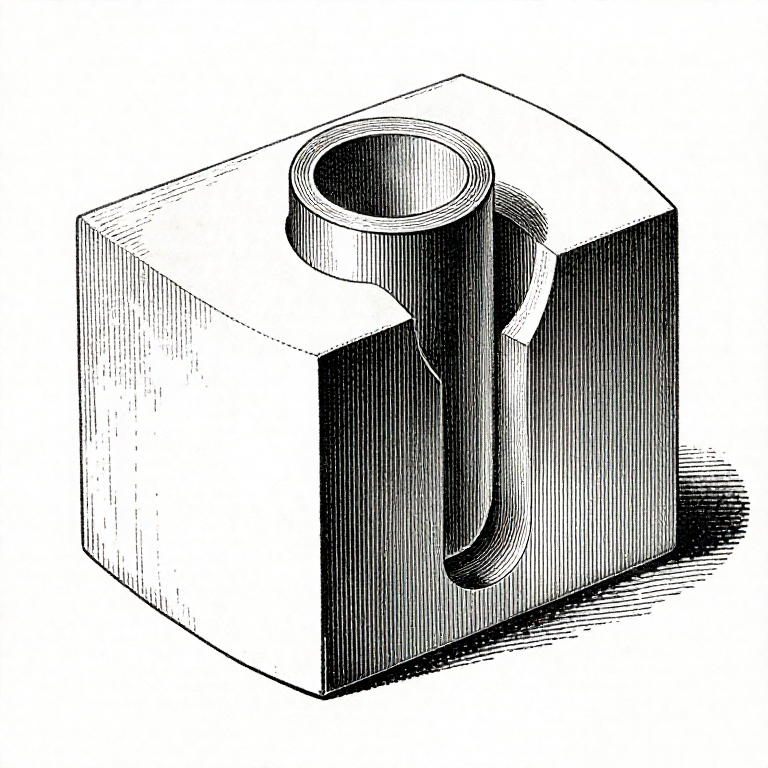


Fits: Clearance, Transition and Interference — the Difference Is Microns
A shaft that slides into a hole and a shaft that has to be pressed in can differ in diameter by less than the thickness of a human hair. Which of those you have is decided by a few microns, and the difference in behaviour is total.
A CLEARANCE fit always has a gap: the parts assemble by hand and can move. An INTERFERENCE fit always has the shaft larger than the hole: the parts must be forced together and then grip each other permanently. A TRANSITION fit may be either, depending on where the two parts happen to fall in their tolerances.
This is why a bearing can spin on its shaft, or crack its outer ring, or work perfectly — all from the same drawing and the same parts bin. The fit is the design decision, and it is made in numbers before anything is cut.
Menengah
3 hours
Instruksi
1
1
Measure both parts, and measure them properly
Measure both parts, and measure them properly
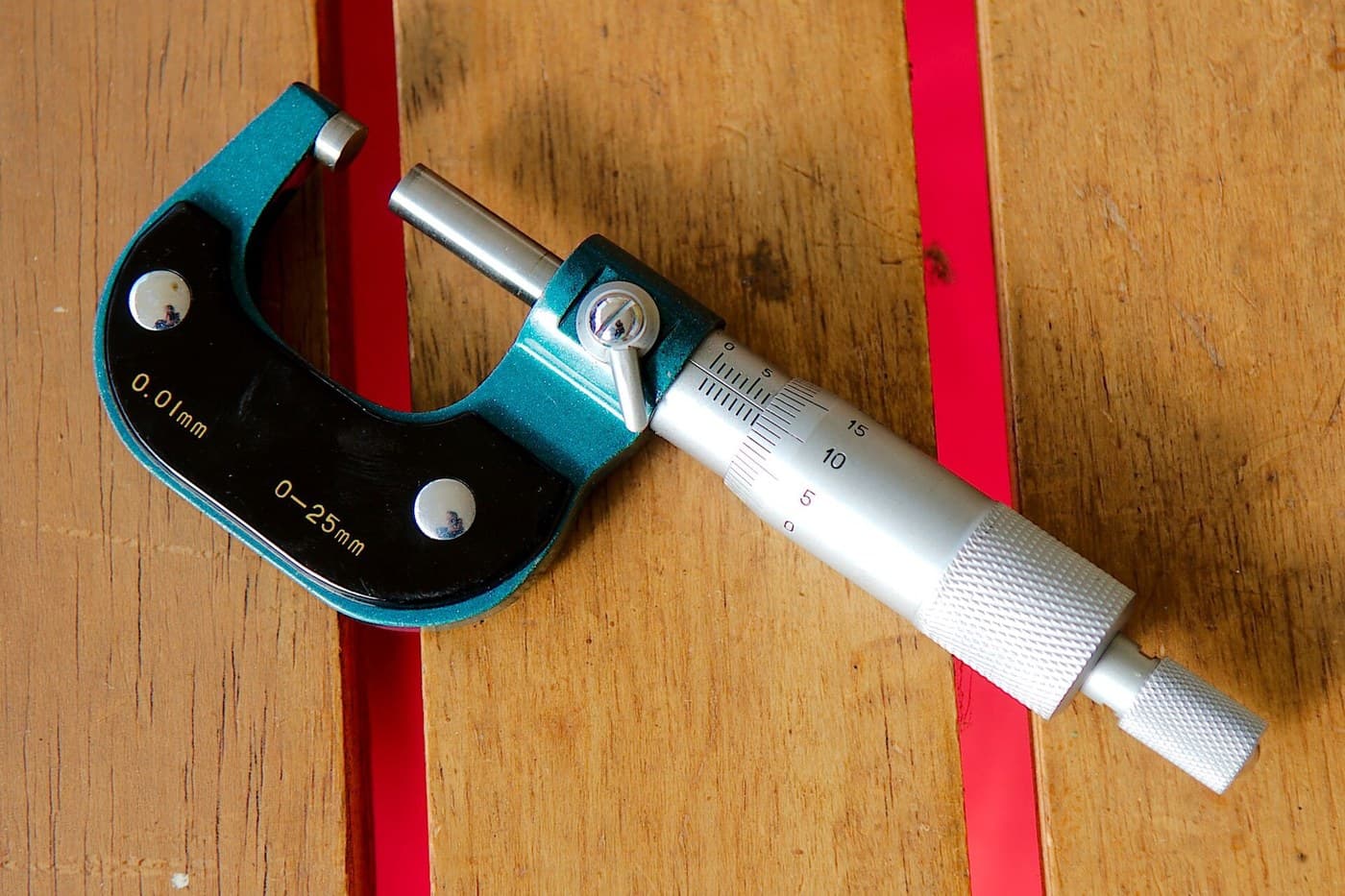
You cannot choose a fit without knowing what you have. Measure the shaft and the bore with a micrometer or a good caliper, at several places along their length and at several angles round them.
Several angles matters because nothing is perfectly round. A shaft that reads 19.98 mm one way and 20.02 mm at ninety degrees is out of round by 0.04 mm, which is larger than most fits — and averaging the two hides it.
Let both parts reach the same temperature first. Steel expands about 11 microns per metre per degree, so a 50 mm part handled for a minute can grow by more than the fit you are trying to measure. Warm hands are a real error here.
Material untuk langkah ini:
 Poros baja 30 mm1 buah
Alat yang dibutuhkan:
 Jangka Sorong Vernier
 Jangka Sorong Digital 6 Inci
2
2
The arithmetic, and what each fit is for
The arithmetic, and what each fit is for
Memuat notebook Jupyter…
Material untuk langkah ini:
Poros baja 30 mm1 buah Bantalan Peluru1 buah
Alat yang dibutuhkan:
Jangka Sorong Vernier Komputer Desktop
 Kalkulator
3
3
Temperature is a tool, not just an error
Temperature is a tool, not just an error
Heat the outer part and it grows; chill the inner part and it shrinks. Do both and an interference fit can be assembled by hand, then locks as the temperatures equalise.
Steel expands about 11 microns per metre per degree Celsius, so a 100 mm bore heated by 100 degrees grows roughly 0.11 mm — far more than any normal interference. An oven at 120 degrees, or a freezer for the shaft, is usually enough.
Never heat a bearing above about 120 degrees. Above that the hardened rings begin to temper and lose hardness permanently, and a blowtorch anywhere near a bearing ruins it in seconds. Induction heaters and hot oil baths exist precisely because the temperature has to be controlled.
Material untuk langkah ini:
Poros baja 30 mm1 buahBantalan Peluru1 buahAlat yang dibutuhkan:
Jangka Sorong Digital 6 Inci Sarung Tangan Karet Nitril
4
4
Surface finish and roundness are part of the fit
Surface finish and roundness are part of the fit
A measured diameter is an average over a surface that has peaks and valleys. Press two rough surfaces together and the peaks flatten, so the effective interference is less than the measured one — often by 2 to 5 microns on ordinary turned work.
That is why bearing seats are ground rather than turned. It is not fussiness: a rough seat loses a significant fraction of a 15 micron interference to flattened peaks the first time the joint is loaded, and then the bearing creeps.
Roundness matters as much. A bore that is 0.03 mm oval will grip a round shaft at two points and leave gaps at ninety degrees, so the pressure is concentrated rather than shared — which distorts the bearing ring and takes the internal clearance with it.
Material untuk langkah ini:
Poros baja 30 mm1 buahAlat yang dibutuhkan:
 Dial IndikatorJangka Sorong Vernier
 Set pengukur celah
Bahan
2- 1 buahPlaceholder
- Placeholder
Alat yang Diperlukan
7- Placeholder
- Placeholder
- Placeholder
- Placeholder
- Placeholder
- Placeholder
- Placeholder
Blueprint terkait
Blueprint ini berbagi pengetahuan — teknik, bahan, atau prinsip

CC0 Domain Publik
Cetak biru ini dirilis di bawah CC0. Anda bebas untuk menyalin, memodifikasi, mendistribusikan, dan menggunakan karya ini untuk tujuan apa pun, termasuk komersial, tanpa meminta izin.
Dukung Maker dengan membeli produk melalui Cetak Biru mereka di mana mereka mendapatkan Komisi Pembuat yang ditetapkan oleh Penjual, atau buat iterasi baru dari Cetak Biru ini dan masukkan sebagai koneksi di milik Anda sendiri.