SENI
KECANTIKAN & KESEHATAN
KERAJINAN
BUDAYA & SEJARAH
HIBURAN
LINGKUNGAN
MAKANAN & MINUMAN
REKAYASA BALIK
ILMU PENGETAHUAN
OLAHRAGA
TEKNOLOGI
PERANGKAT PAKAI
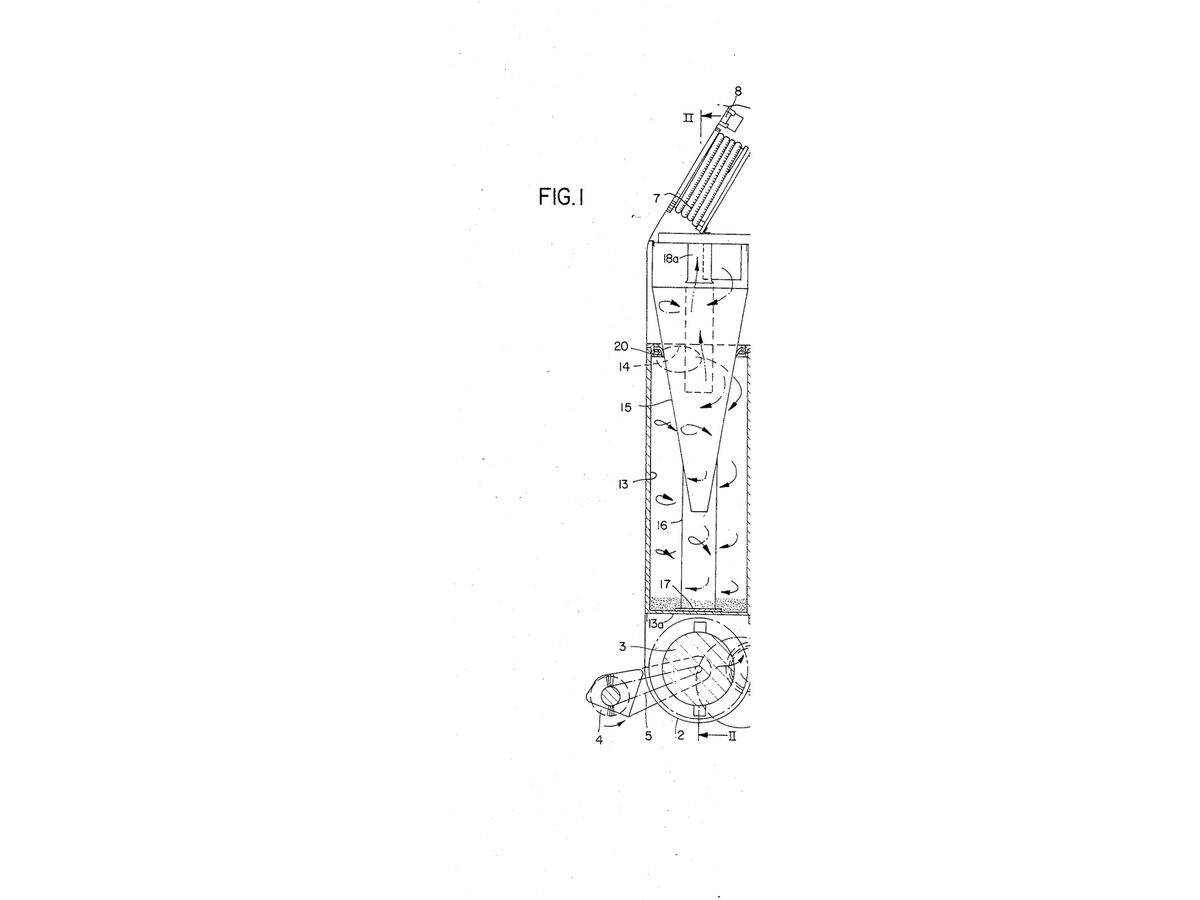


Cyclone Vacuum Separator
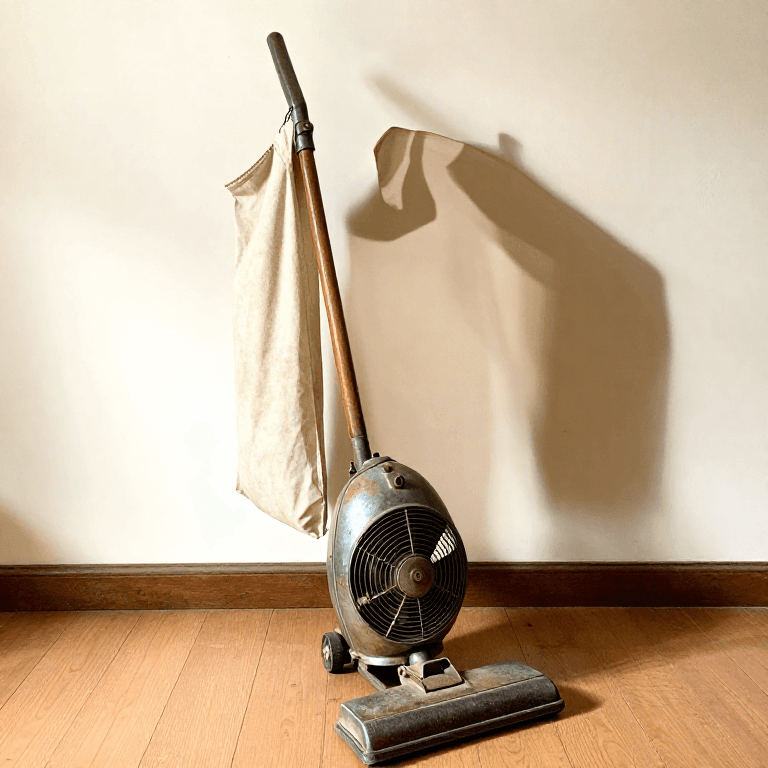
Spangler's cleaner, already published, pulls air through a bag: the bag is both the filter and the bin, so suction falls away as it fills. James Dyson, who had used industrial cyclones in a sawmill, put the same idea in a cleaner - and then a second, finer cyclone behind the first, so both grit and dust come out of the air before any filter.
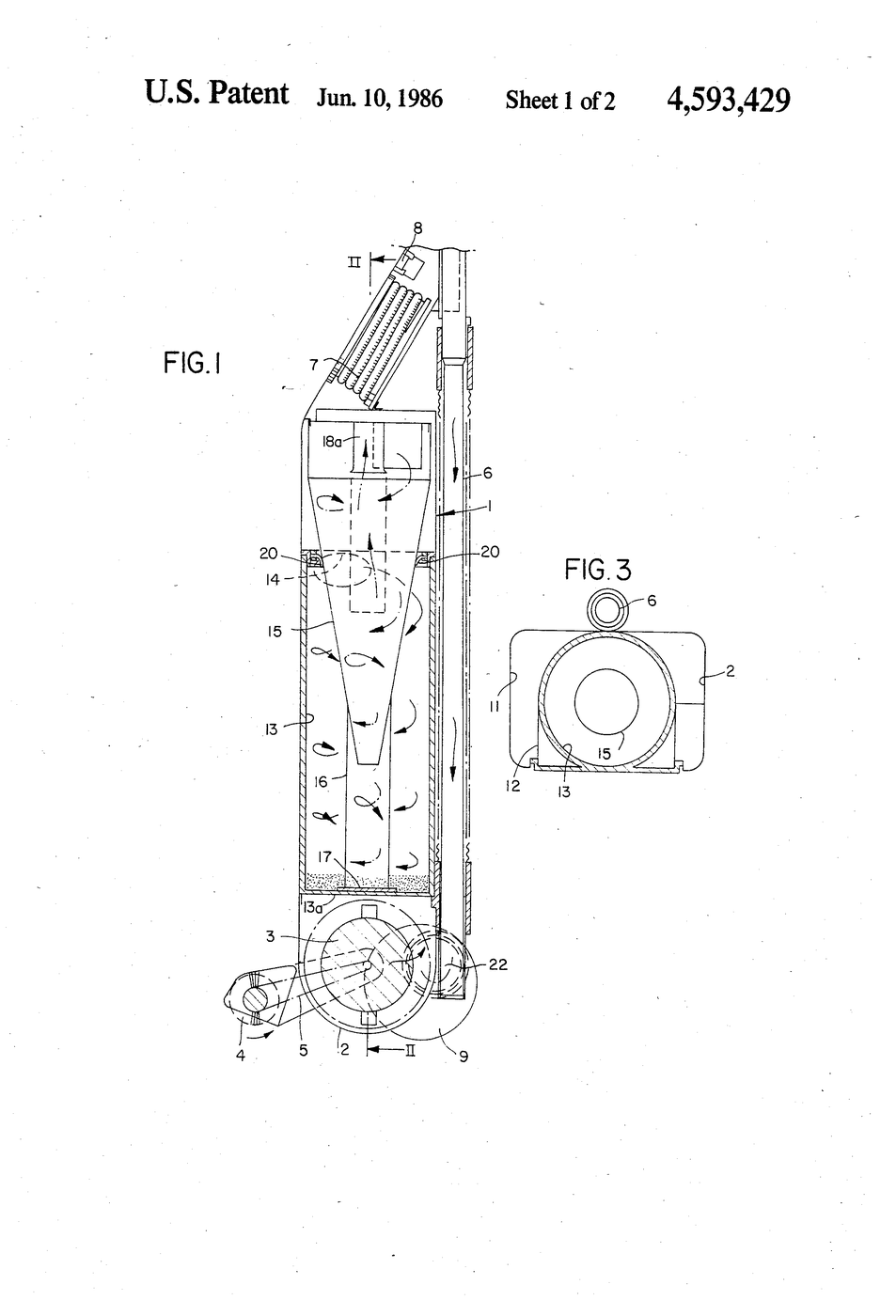
**US 4,593,429**, "Vacuum cleaning appliance", Dyson, filed 14. August 1984, granted 10. June 1986: a lower-efficiency outer cyclone and a high-efficiency inner cyclone in series, so "dust bags are not required".
**You build the outer cyclone** from a bottle and pipe on a workshop vacuum, and weigh what it separates - sawdust and flour - to find where it stops working, and how far a home-made cyclone falls short of the textbook.
Menengah
3 hours
Instruksi
1
1
Cut the body
Cut the body
Cut the bottom from a 2 litre bottle: that is the cone, open end down into a jar. The neck end carries the outlet.
Material untuk langkah ini:
 Botol minuman plastik (2 L)1 buah
 Stoples Kaca1 buah
Alat yang dibutuhkan:
 Pisau Kerajinan
 Kacamata Pengaman Bening
2
2
Tangential inlet
Tangential inlet
Cut a 20 x 45 mm slot high on the bottle's side and glue in a short PVC pipe so the air enters along the wall, not towards the middle. This is what makes the air spin.
Material untuk langkah ini:
 Pipa PVC1 buah
 Sealant Silikon20 ml
Alat yang dibutuhkan:
Pisau Kerajinan Penggaris Baja
3
3
Vortex finder
Vortex finder
Fit a pipe down the centre from the neck so it reaches just below the inlet slot: clean air leaves up this tube. Seal round it. Connect the vacuum to the tube and the inlet to the hose.
Material untuk langkah ini:
 Aneka Sambungan Pipa PVC1 set
 Selang vinil bening1 meter
Alat yang dibutuhkan:
 Pistol lem panas
 Selotip kertas
4
4
A filter you can weigh
A filter you can weigh
Tape a weighed coffee filter paper over the vacuum's own inlet as a catch filter. Everything the cyclone misses lands there.
Material untuk langkah ini:
 Saringan kopi / kertas saring2 buah
Alat yang dibutuhkan:
 Timbangan Digital Presisi
5
5
Feed it two dusts
Feed it two dusts
Weigh 50 g of sawdust and feed it slowly into the hose with the vacuum running. Weigh what lands in the jar and what the stocking gained. Repeat with 50 g of flour, and once more with the cyclone bypassed.
Material untuk langkah ini:
 Serbuk gergaji50 g
 Tepung terigu serbaguna50 g
Alat yang dibutuhkan:
 Penyedot debu bengkelTimbangan Digital Presisi
6
6
Cut size and your efficiency
Cut size and your efficiency
Memuat notebook Jupyter…
7
7
History & Context
History & Context
**What the patent specifies:** two cyclones in series - a coarse one and a fine one - so no dust bag is needed and the air leaving is substantially clean. **Modern build (derived):** the coarse stage alone, on a workshop vacuum, with a weighed filter behind it.
Cyclones were old in industry - sawmills and cement works had used them for a century - and the invention was bringing them, in series, into a domestic cleaner. Their limits: fine dust below the cut size still needs a filter, cyclones cost pressure drop, and a full bin upsets the flow.
Bahan
9- Placeholder
- 1 buahPlaceholder
- 1 buahPlaceholder
- 20 mlPlaceholder
- Placeholder
- 1 meterPlaceholder
- Placeholder
- 50 gPlaceholder
- Placeholder
Alat yang Diperlukan
7- Placeholder
- Placeholder
- Placeholder
- Placeholder
- Placeholder
- Placeholder
- Placeholder
Blueprint terkait
Blueprint ini berbagi pengetahuan — teknik, bahan, atau prinsip

CC0 Domain Publik
Cetak biru ini dirilis di bawah CC0. Anda bebas untuk menyalin, memodifikasi, mendistribusikan, dan menggunakan karya ini untuk tujuan apa pun, termasuk komersial, tanpa meminta izin.
Dukung Maker dengan membeli produk melalui Cetak Biru mereka di mana mereka mendapatkan Komisi Pembuat yang ditetapkan oleh Penjual, atau buat iterasi baru dari Cetak Biru ini dan masukkan sebagai koneksi di milik Anda sendiri.