
Mewarnai dengan Buah Elder — Ungu Luntur dari Pagar Semak
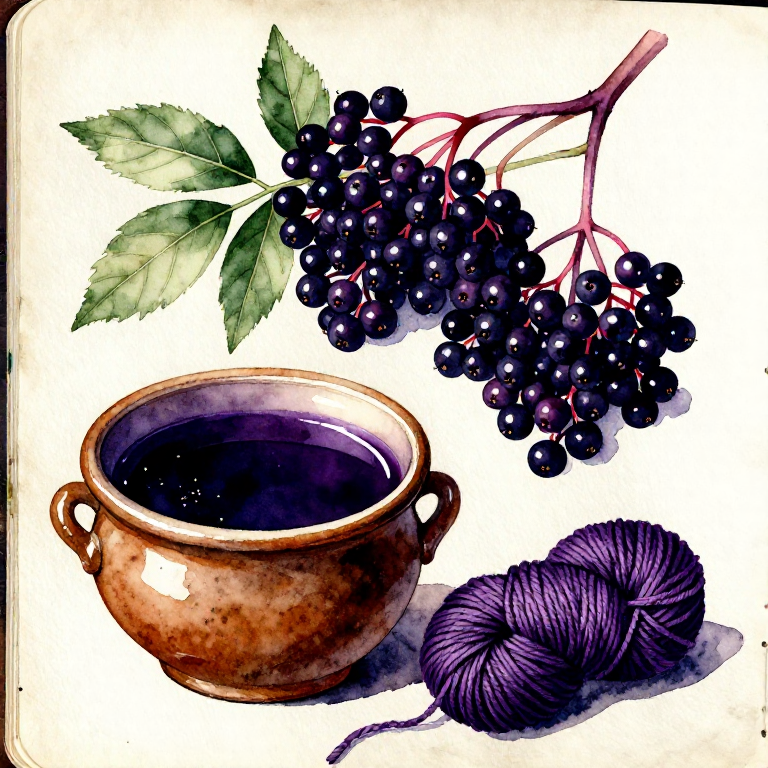
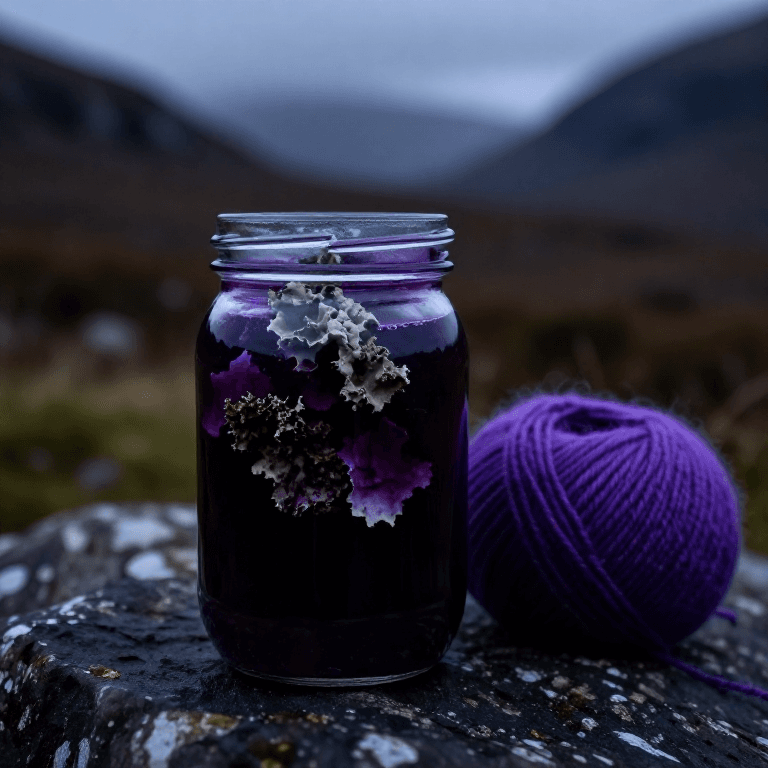
Buah elder (Sambucus nigra) menghasilkan salah satu larutan celup ungu paling cerah di alam — ungu pekat seperti tinta yang tampak memukau di dalam panci. Buahnya gratis dan melimpah di pagar semak Eropa (di Amerika Utara tumbuh liar elder Amerika, Sambucus canadensis, spesies kerabatnya), dan warnanya langsung muncul serta pekat. Namun elder menyimpan rahasia yang wajib dipelajari setiap pencelup alami: ia pewarna yang tidak tahan luntur. Pigmen antosianin yang membuat jus elder begitu ungu memang tidak stabil — cepat pudar terkena cahaya dan luruh saat dicuci seiring waktu, apa pun mordannya.
Karena itulah elder menjadi salah satu pewarna pembelajaran terpenting dalam seni tekstil. Ia memperlihatkan prinsip dasar: tidak semua warna cerah adalah warna permanen. Pencelup pemula yang melewatkan elder pada akhirnya akan membuang waktu dan serat mengejar pigmen tidak stabil tanpa memahami sebabnya. Elder mengajarkan perbedaan antara pewarna tahan cahaya yang tetap tinggal di serat dan warna luntur yang pudar oleh cahaya dan hilang saat dicuci. Pelajaran ini sepadan dengan satu gulung benang wol.
Meski ketahanan cahayanya buruk, warna elder tidak sia-sia: jus elder kini diakui sebagai pewarna makanan alami yang diizinkan (misalnya di Amerika Serikat dan Jepang). Pada serat, dengan mordan tawas, ia memberi warna ungu yang redup. Warnanya indah selama bertahan, dan jauh lebih awet pada barang yang disimpan jauh dari cahaya — kantong wangi, lapisan dalam, benda yang dipajang di tempat teduh.
Instruksi
Kumpulkan dan timbang buah elder
Kumpulkan dan timbang buah elder
Gunakan 200-300% dari berat serat (WOF) untuk buah segar, atau 100% untuk buah kering. Untuk 100 g wol, kumpulkan 200-300 g buah segar yang matang atau 100 g buah elder kering. Buahnya harus benar-benar matang — ungu tua kehitaman, bukan merah atau hijau. Buah mentah mengandung lebih sedikit antosianin dan menghasilkan warna yang lebih lemah dan kusam. Lepaskan buah dari tangkainya dengan menyisirkan garpu pada tandannya, dan buang tangkai sebanyak mungkin: kecuali bunga dan buah yang matang, semua bagian tanaman elder, termasuk batang, daun, dan biji, mengandung glikosida sianogenik dan beracun bila mentah. Jangan makan apa pun dari larutan celup, dan gunakan panci serta alat yang khusus untuk mewarnai. Jusnya juga sangat menodai tangan, jadi pakailah sarung tangan.
Material untuk langkah ini:
 Buah elderberi (kering)100 g
Alat yang dibutuhkan:
 Timbangan Dapur Digital
 Sarung tangan karet
Panaskan buah untuk mengekstrak pewarna
Panaskan buah untuk mengekstrak pewarna
Masukkan buah ke panci celup bersama sekitar 4 liter air. Panaskan sampai sekitar 80 °C, di bawah titik mendidih pelan, dan pertahankan selama 45 menit sambil sesekali menumbuk buah dengan sendok pengaduk agar lebih banyak jus keluar. Cairannya akan berubah menjadi ungu pekat yang tidak tembus pandang — salah satu larutan celup paling dramatis dalam pewarnaan alami. Jangan didihkan dengan keras — panas tinggi merusak antosianin dan menggeser warna ke arah cokelat keruh.
Alat yang dibutuhkan:
 Panci Rebus Tinggi
 Sendok Pengaduk Kayu
Saring ampas buah
Saring ampas buah
Saring larutan celup dengan saringan berjaring halus ke panci bersih, sambil menekan ampasnya untuk mengeluarkan seluruh cairan ungu. Larutan yang sudah disaring semestinya ungu pekat dan cerah — hampir hitam karena kepekatannya. Buang ampasnya atau jadikan kompos. Warna larutan ini indah secara menipu — tampak seolah bisa menghasilkan ungu permanen, dan justru itulah pelajaran yang diberikan elder.
Alat yang dibutuhkan:
 Saringan Jala Halus
Masukkan wol bermordan tawas dan celup pada 80 °C selama 45 menit
Masukkan wol bermordan tawas dan celup pada 80 °C selama 45 menit
Biarkan larutan celup yang sudah disaring mendingin sampai suhu ruang. Basahi dulu wol yang sudah dimordan tawas, peras kelebihan airnya, lalu masukkan ke dalam larutan. Naikkan perlahan sampai 80 °C dan pertahankan selama 45 menit, sambil dibalik setiap 10 menit. Wol akan cepat menyerap warna ungu. Gulungan benang akan keluar berwarna ungu-violet yang kaya dan pekat, tampak memukau selagi basah.
Material untuk langkah ini:
 Gulungan Benang Wol100 g
 Tawas (Kalium Alum)10 g
Alat yang dibutuhkan:
 Termometer Masak
Dinginkan, bilas, dan amati warna awal
Dinginkan, bilas, dan amati warna awal
Biarkan wol mendingin di dalam larutan semalaman, lalu angkat dan bilas dengan air suam-suam kuku. Air bilasan akan berwarna ungu — lebih banyak warna yang luruh dibanding pewarna bermordan yang terikat kuat seperti madder atau kokineal, dan inilah tanda pertama sifat luntur elder. Wol yang sudah kering akan berwarna lavender-ungu lembut, lebih muda daripada yang diharapkan dari larutan segelap itu. Jemur di tempat teduh.
Uji ketahanan cahaya — pelajaran pewarna luntur
Uji ketahanan cahaya — pelajaran pewarna luntur
Potong gulungan benang yang sudah kering menjadi dua. Simpan separuhnya di laci yang gelap. Sematkan separuh lainnya di jendela Anda yang paling cerah. Bandingkan kedua contoh berdampingan setelah dua minggu dan sekali lagi setelah satu bulan. Contoh di jendela akan memudar, dari ungu ke arah abu-abu atau kecokelatan, dan perbedaannya bertambah semakin lama ia tergantung. Inilah pelajaran utamanya: antosianin elder peka terhadap pH, peka terhadap cahaya, dan terikat lemah. Tidak ada mordan yang membuatnya tahan cahaya — molekul pigmennya sendiri tidak stabil. Memahami prinsip ini mencegah pencelup menghamburkan serat mahal untuk pewarna luntur lainnya (blackberry segar, kubis merah, bit) yang memberi warna cerah tetapi tidak permanen.
Bahan
3- Placeholder
- 100 gPlaceholder
- Placeholder
Alat yang Diperlukan
6- Placeholder
- Placeholder
- Placeholder
- Placeholder
- Placeholder
- Placeholder
Bahan cetak biru terhubung
Mordanting Wool with Alum — The Foundation of Natural Dyeing
oleh Tex
Tekstil & Kulit
Dyeing Purple-Grey with Blackberries — The Hedgerow Dye of Prehistoric Europe
oleh Tex
Tekstil & Kulit
Dyeing Blue-Purple with Hollyhock — The Cottage Garden Dye of the Ancient World
oleh Tex
Tekstil & Kulit
Cetak biru ini membuat

Blueprint terkait
Blueprint ini berbagi pengetahuan — teknik, bahan, atau prinsip
CC0 Domain Publik
Cetak biru ini dirilis di bawah CC0. Anda bebas untuk menyalin, memodifikasi, mendistribusikan, dan menggunakan karya ini untuk tujuan apa pun, termasuk komersial, tanpa meminta izin.
Dukung Maker dengan membeli produk melalui Cetak Biru mereka di mana mereka mendapatkan Komisi Pembuat yang ditetapkan oleh Penjual, atau buat iterasi baru dari Cetak Biru ini dan masukkan sebagai koneksi di milik Anda sendiri.