SENI
KECANTIKAN & KESEHATAN
KERAJINAN
BUDAYA & SEJARAH
HIBURAN
LINGKUNGAN
MAKANAN & MINUMAN
MASA DEPAN HIJAU
REKAYASA BALIK
ILMU PENGETAHUAN
OLAHRAGA
TEKNOLOGI
PERANGKAT PAKAI
Garlic as Antiseptic Medicine — The Bulb That Fights Infection from the Inside Out
Bob

Dibuat oleh

Bob

30. Mei 2026BE
3
0
0
0
0

Garlic as Antiseptic Medicine — The Bulb That Fights Infection from the Inside Out

Garlic (Allium sativum) is one of the most powerful natural antimicrobials known. It has been used as medicine since the earliest civilisations — clay tablets from Sumeria (c. 2600 BCE) prescribe garlic for various ailments, the builders of the Egyptian pyramids ate it daily to prevent illness, and Hippocrates prescribed it for infections, wounds, and digestive complaints. During both World Wars, garlic was used as an antiseptic wound dressing when conventional antibiotics were scarce — the Russian army used it so extensively that it became known as 'Russian penicillin'. The primary antimicrobial compound is allicin, which does not exist in intact garlic cloves. When a garlic clove is crushed, chopped, or chewed, the enzyme alliinase converts the stable precursor alliin into allicin — a highly reactive sulfur compound that destroys bacteria, fungi, and some viruses by disrupting their enzyme systems. This is why crushed garlic is medicinally active but whole, unbroken cloves are not. Allicin is unstable and begins to degrade within minutes of formation, which is why fresh-crushed garlic is far more potent than aged or cooked garlic. Garlic also lowers blood pressure, reduces cholesterol, and has demonstrated anti-cancer properties in epidemiological studies.

Pemula
10-20 minutes

Instruksi

1

Understand how garlic's antimicrobial system works

Intact garlic cloves contain alliin, a stable amino acid derivative with no antimicrobial activity. The enzyme alliinase is stored in a separate cellular compartment. When the clove is crushed, chopped, or chewed, the cell walls rupture and alliinase contacts alliin, rapidly converting it to allicin — a potent antimicrobial thiosulfinate. Allicin reacts with thiol groups in bacterial enzymes, irreversibly disabling them. This mechanism is effective against gram-positive and gram-negative bacteria, including antibiotic-resistant strains. The reaction requires about ten minutes to complete — crushing garlic and waiting before using it maximises allicin formation.
2

Select and prepare fresh garlic

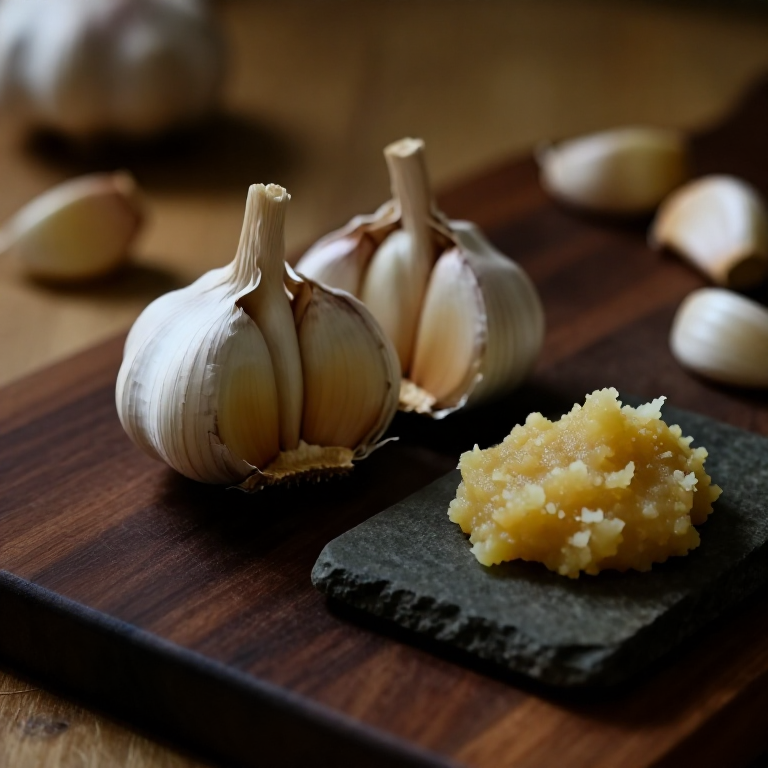
Choose firm, fresh garlic bulbs with tight, unbroken skin — soft, sprouting, or mouldy cloves have reduced alliin content. Separate the cloves and peel away the papery skin. For medicinal use, the cloves must be physically disrupted to activate the alliin-to-allicin conversion. Crush each clove with the flat side of a knife blade, chop finely, or press through a garlic press. After crushing, wait ten minutes before eating or applying — this allows the full allicin conversion to complete. Cooking destroys alliinase within one minute and stops allicin production, so garlic intended as medicine must be consumed raw or applied raw.

Material untuk langkah ini:

Fresh Garlic BulbFresh Garlic Bulb1 buah

Tools needed:

Sharp KnifeSharp Knife
3

Take garlic internally for infection prevention

For general antimicrobial protection and immune support, eat one to two freshly crushed raw garlic cloves daily. Crush the garlic, wait ten minutes for full allicin formation, then swallow the crushed garlic with water or food. Eating it with bread, honey, or olive oil reduces the burning sensation on an empty stomach. For sore throats and upper respiratory infections, slowly chew a crushed clove, allowing the allicin-rich juice to coat the throat — the antimicrobial compounds act locally on the infected tissue. The strong odour on the breath and skin is caused by allyl methyl sulfide, a metabolite of allicin that is exhaled through the lungs.
4

Apply garlic externally as a wound antiseptic

Crush a garlic clove and mix the pulp with a small amount of clean water or honey to dilute it slightly. Apply this paste to minor cuts, scrapes, or skin infections using a clean cloth. The allicin in the paste kills bacteria on contact. Do not apply undiluted crushed garlic to sensitive skin or leave it in contact for more than twenty minutes — raw garlic is a potent irritant and can cause chemical burns on sensitive skin with prolonged contact. For wound care, a garlic-honey paste (equal parts crushed garlic and raw honey) combines the antimicrobial properties of both and the honey buffers the garlic's irritating effect.

Material untuk langkah ini:

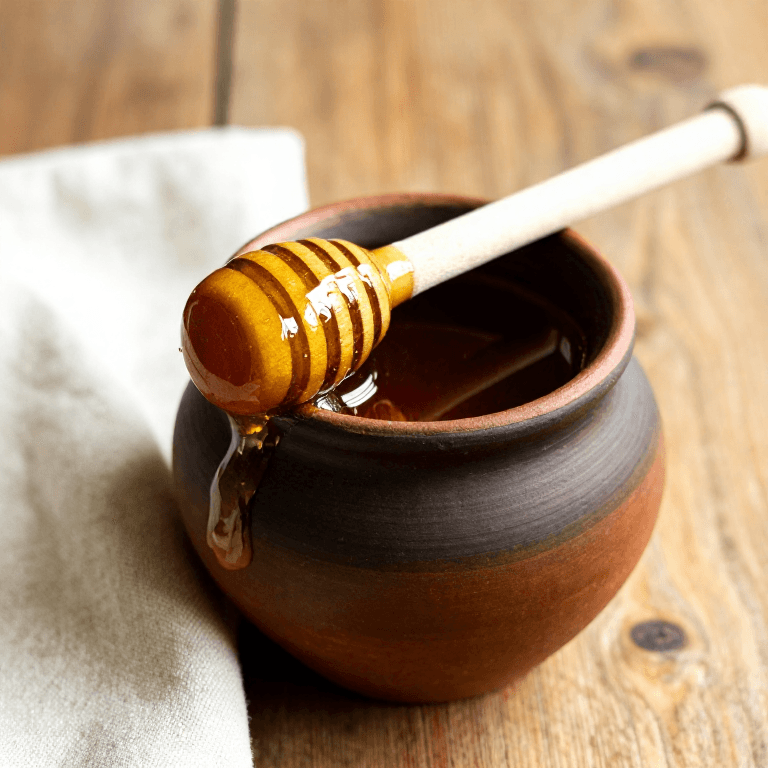
HoneyHoney1 sendok makan
Clean WaterClean Water50 ml

Tools needed:

Clean Cotton ClothClean Cotton Cloth
5

Prepare a garlic infusion for internal use

Crush three to four garlic cloves and steep in a cup of warm water (not boiling — heat above 60 degrees Celsius destroys alliinase) for ten to fifteen minutes. Strain and drink. This garlic water delivers allicin throughout the digestive tract and is particularly effective for intestinal infections and parasites. For a more palatable version, add honey and a squeeze of lemon juice. This preparation was widely used in field hospitals during World War I when antiseptics were unavailable — diluted garlic juice was poured directly into infected wounds with documented success.

Material untuk langkah ini:

Clean WaterClean Water250 ml

Tools needed:

Drinking BowlDrinking Bowl
Fine Mesh StrainerFine Mesh Strainer
6

Treat fungal infections with garlic

Garlic's allicin is effective against common fungal infections including Candida species and dermatophytes (athlete's foot, ringworm). For skin fungal infections, crush a garlic clove, mix with a carrier such as olive oil or coconut oil (one part garlic to three parts oil to prevent skin irritation), and apply to the affected area twice daily. Cover with a clean cloth if the area is on the feet or hands. Continue for two to three weeks — fungal infections respond more slowly than bacterial ones. Internal garlic consumption (two raw crushed cloves daily) supports the topical treatment by fighting the infection systemically.
7

Use garlic for ear infections

A traditional remedy for mild ear infections: crush a garlic clove and wrap it in a small piece of clean, thin cloth (muslin or cotton). Place the wrapped garlic gently at the entrance of the ear canal — do not push it into the ear canal itself. The allicin vapour diffuses into the ear canal and acts on the infection. Alternatively, crush garlic into warm olive oil, let it steep for fifteen minutes, strain thoroughly, and place two to three drops of the strained oil into the affected ear. This was a standard household remedy across Europe and the Mediterranean for centuries. Seek medical attention if the infection does not improve within two days or if there is fever or discharge.
8

Preserve garlic for year-round use

Whole, unbroken garlic bulbs store well for months in a cool, dry, dark place with good air circulation — a hanging mesh bag or open basket in a pantry is ideal. Do not refrigerate unpeeled garlic — the cold and moisture encourage sprouting and mould. For longer preservation, peel and slice garlic cloves thinly and dry them on a drying rack in a warm, ventilated area for three to five days until crisp. Dried garlic retains its alliin content and can be reactivated by crushing and adding water. Store dried slices in an airtight container — they keep for up to two years.

Tools needed:

Drying Rack (Well-Ventilated)Drying Rack (Well-Ventilated)
Ceramic Storage Jar with LidCeramic Storage Jar with Lid
9

Grow garlic from cloves

Garlic is propagated vegetatively — each clove planted produces a new bulb. In autumn, separate a healthy bulb into individual cloves and plant each clove pointed end up, five centimetres deep and fifteen centimetres apart, in well-drained soil. The cloves root over winter and send up green shoots in spring. Harvest when the lower leaves have browned but the upper leaves are still green — typically in mid to late summer. One planted clove produces one full bulb of eight to twelve new cloves. A small patch of garlic provides a year-round supply of the most effective natural antiseptic available.
10

Understand limitations and precautions

Garlic is a powerful medicine but has real limitations. It should supplement, not replace, professional medical treatment for serious infections. Raw garlic can cause heartburn, nausea, and digestive discomfort — always eat with food, not on an empty stomach. Garlic has blood-thinning properties (it inhibits platelet aggregation) — people taking anticoagulant medications (warfarin, aspirin) should limit raw garlic intake and consult their physician. Do not apply raw garlic directly to open wounds without dilution — it causes tissue damage at full strength. Stop heavy garlic consumption at least one week before any planned surgery. For children under two, use garlic only in food quantities, not as concentrated medicine.

Bahan

3

Alat yang Diperlukan

6

Connected Blueprint Materials

CC0 Domain Publik

Cetak biru ini dirilis di bawah CC0. Anda bebas untuk menyalin, memodifikasi, mendistribusikan, dan menggunakan karya ini untuk tujuan apa pun, termasuk komersial, tanpa meminta izin.

Dukung Maker dengan membeli produk melalui Cetak Biru mereka di mana mereka mendapatkan Komisi Pembuat yang ditetapkan oleh Penjual, atau buat iterasi baru dari Cetak Biru ini dan masukkan sebagai koneksi di milik Anda sendiri.

Diskusi

(0)

Masuk untuk bergabung dengan diskusi

Loading comments...