
Kolaborasi
SENI
KECANTIKAN & KESEHATAN
KERAJINAN
BUDAYA & SEJARAH
HIBURAN
LINGKUNGAN
MAKANAN & MINUMAN
REKAYASA BALIK
ILMU PENGETAHUAN
OLAHRAGA
TEKNOLOGI
PERANGKAT PAKAI
Hard Cider: Fresh Juice, a Pure Yeast Starter and a Cool Cellar (Alwood, USDA 1909)
Alchometer

Dibuat oleh

Alchometer

18. November 2026GB
0
0
0
0
0

Hard Cider: Fresh Juice, a Pure Yeast Starter and a Cool Cellar (Alwood, USDA 1909)

William B. Alwood's cider for farm use, from the U.S. Department of Agriculture's Bulletin 129 (1909): juice straight from the press into clean casks, a pure yeast culture started three days before, a vent on the bung instead of a cotton plug, a cool cellar, one racking once the cider is bright, and bottling in June. He wrote that the results "establish clearly a method which any person of ordinary means can use".
Menengah
About 8 months

Instruksi

1

His measures and gravities

Memuat notebook Jupyter…
2

Read Alwood

"The following notes give in detail the operation of making cider in the simplest possible manner after cold weather begins ... The work was intended to approximate as closely as possible the conditions under which a farmer might ferment his cider for family use." (Bulletin 129, p. 10.)
3

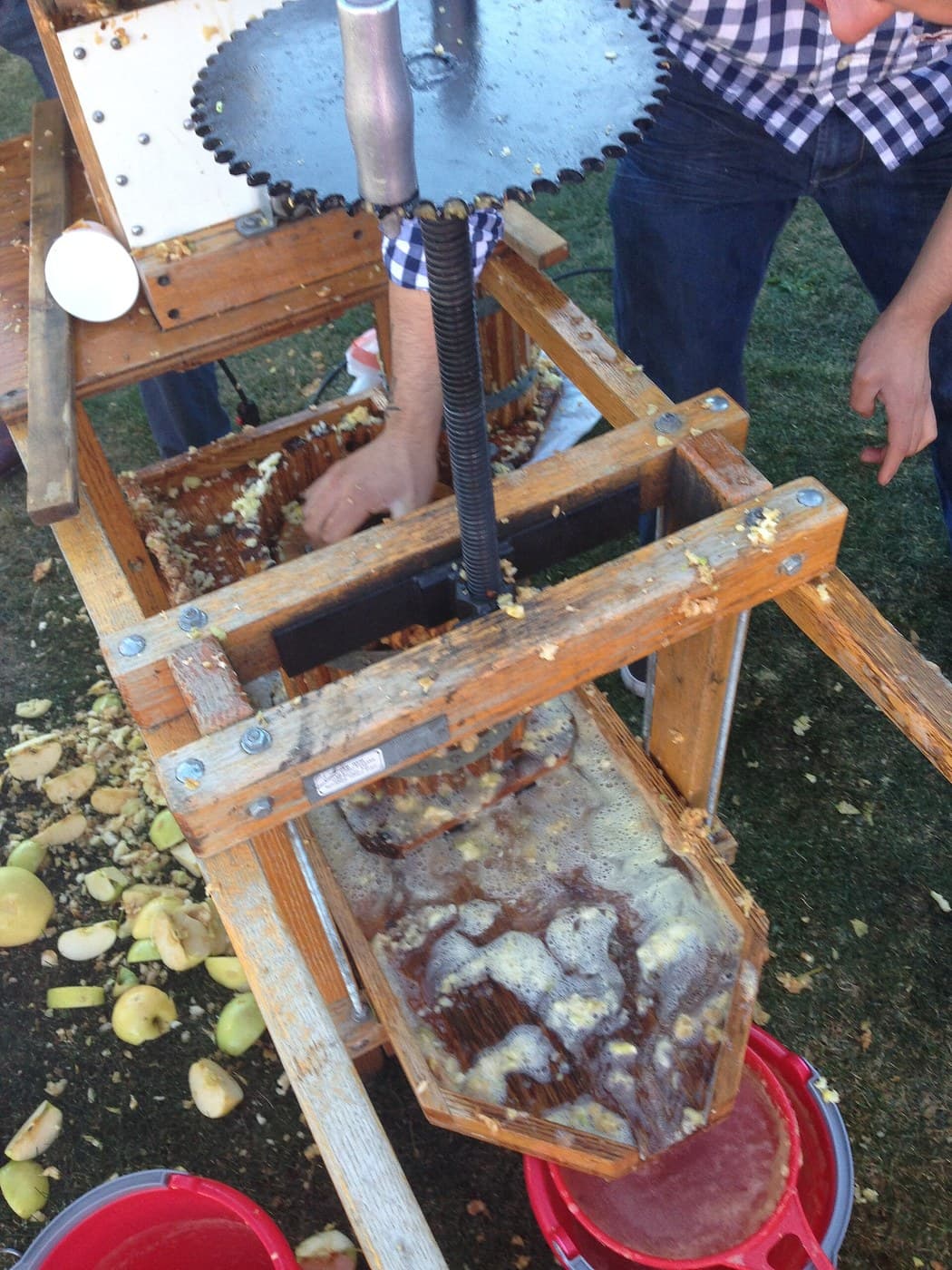
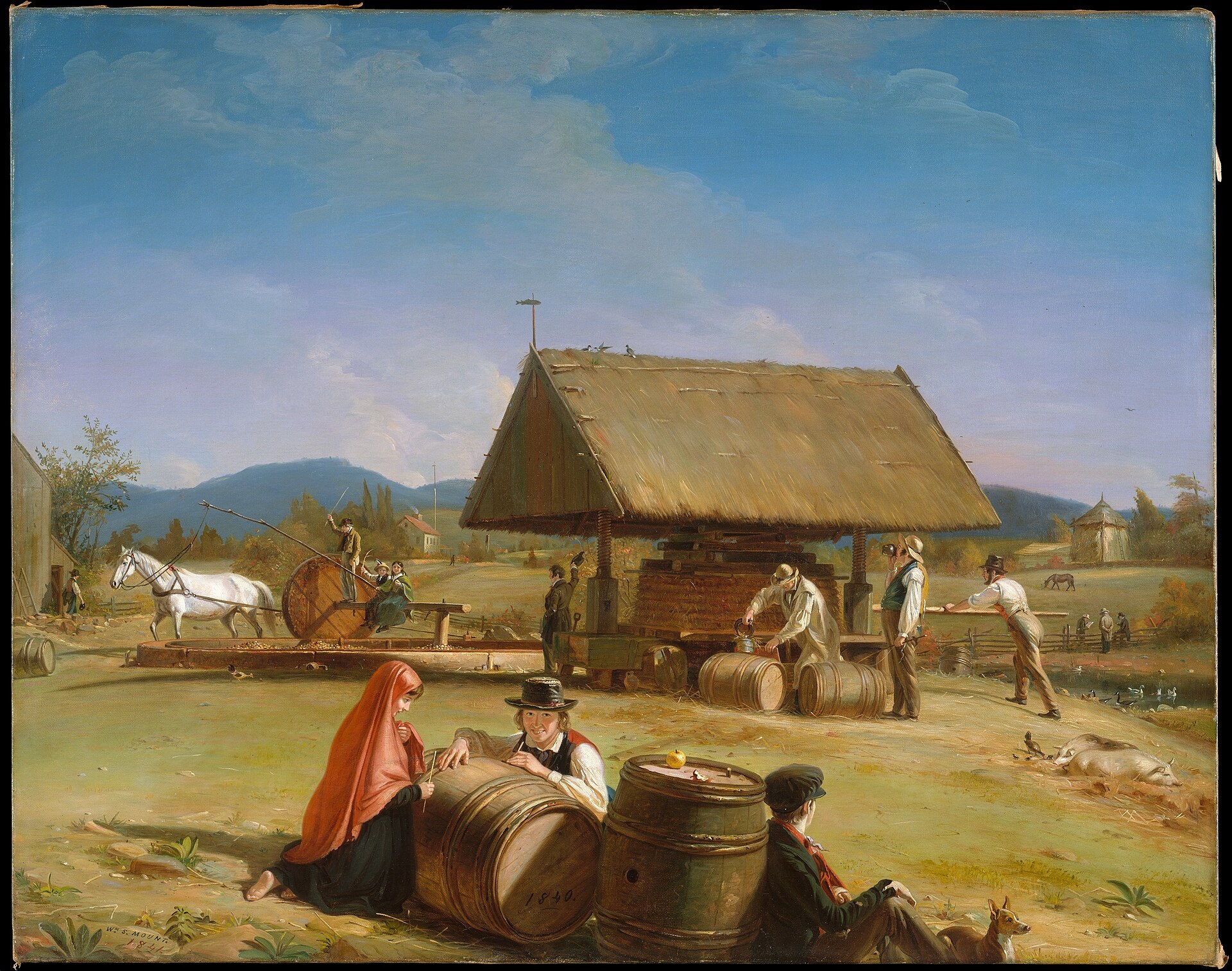
Press the juice

Alwood crushed and pressed 60 bushels of Winesap apples, "of a grade called unmerchantable, but ... not rotten nor soiled". His juice read 1.055 (13.6 Brix).
4

Prepare the casks

Steam each cask for twenty minutes, rinse with clean water and drain. Pour in one-half pint of 90 per cent alcohol, bung it tight, and leave it two weeks before use.

Alat yang dibutuhkan:

Tong kayuTong kayu
Ketel uapKetel uap
AirAir
Etanol mutu laboratorium, 95 %Etanol mutu laboratorium, 95 %
Sumbat kayu tongSumbat kayu tong
5

Start the yeast

Three days before pressing, boil 400 ml of apple juice in a flask in a water bath for fifteen minutes. Cool it and sow it with a pure wine yeast. It should be in full fermentation when used.

Material untuk langkah ini:

Sari apel perasanSari apel perasan0.4 liter
Ragi anggurRagi anggur1 buah

Alat yang dibutuhkan:
Labu ErlenmeyerLabu Erlenmeyer
Penangas AirPenangas Air
6

Fill and pitch

Fill the casks straight from the press; do not sulphur them. Add the yeast culture at once. Read the gravity: his was 1.055.

Material untuk langkah ini:

Sari apel perasanSari apel perasan189 liter

Alat yang dibutuhkan:

Tong kayuTong kayu
HidrometerHidrometer
7

Fit the vent

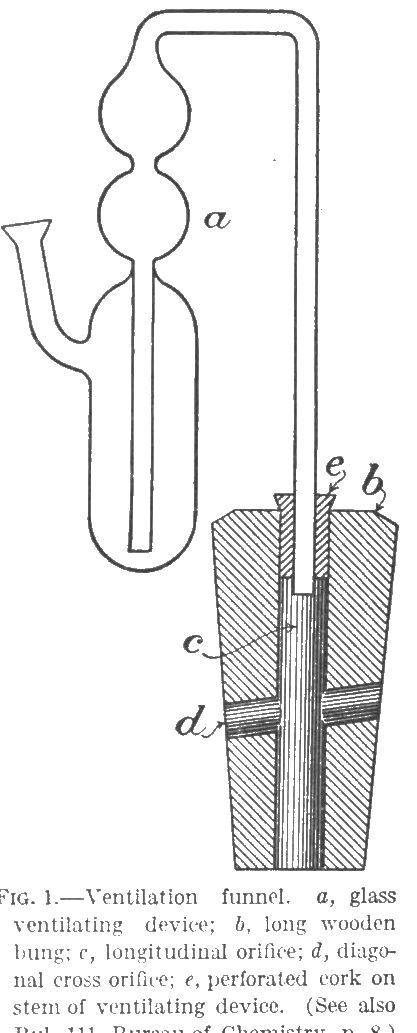
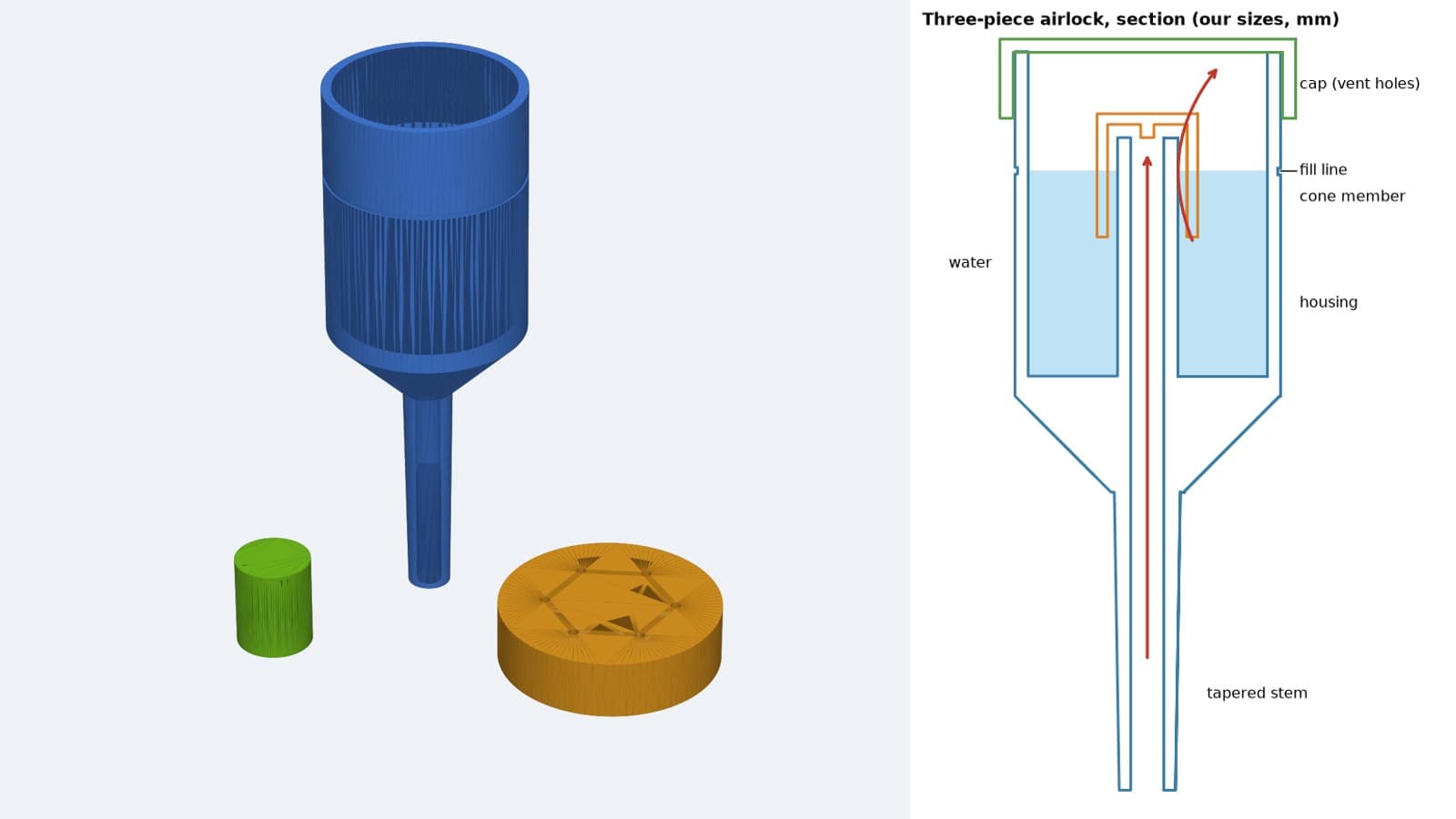
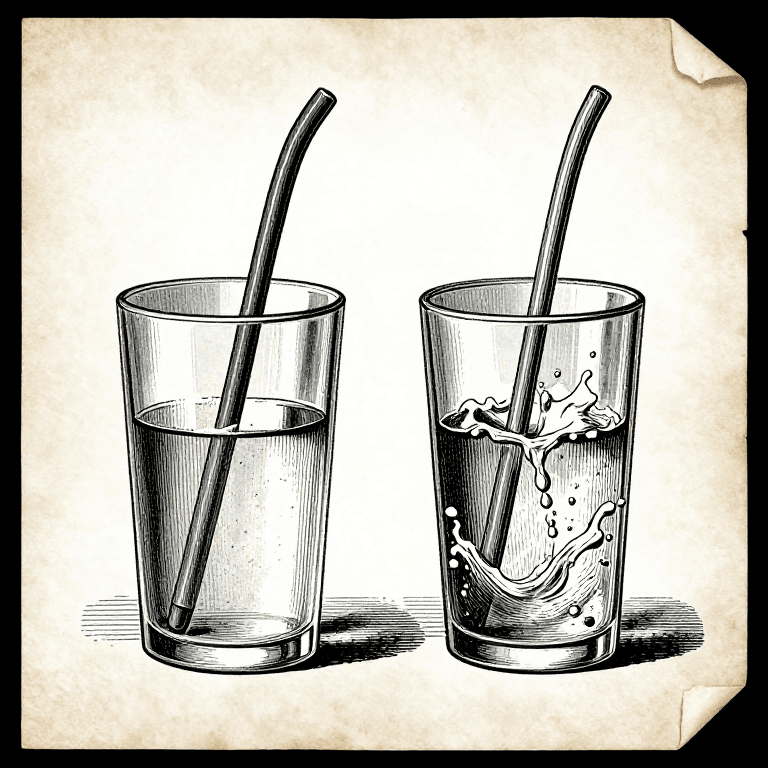
Do not plug with cotton: "if the cotton becomes the least bit damp, malferments readily find entrance". Put a vent funnel on a perforated cork in a long wooden bung, as his Fig. 1.
Langkah 7 - Image 1

Alat yang dibutuhkan:

Penyekat udara fermentasiPenyekat udara fermentasi
Sumbat kayu tongSumbat kayu tong
Sumbat gabusSumbat gabus
8

Keep it cool

His cold storeroom stopped the fermentation; he moved the casks to a cellar at 13 to 14 °C. Through the winter he held the cellar at 11 to 14 °C. Check it with a thermometer.

Alat yang dibutuhkan:

TermometerTermometer
9

Follow the gravity

Read the gravity every few weeks. His cask No. 3 went from 1.055 in October to 1.018 by 10 January.

Alat yang dibutuhkan:

HidrometerHidrometer
TermometerTermometer
10

Rack when bright

Wait until the cider is "practically bright and free from sediment" (his: 13 January, at 10 °C). Wash fresh casks with warm water and burn one-third of a sulphur match in each; pour the cider in on the fumes.

Alat yang dibutuhkan:

Tong kayuTong kayu
AirAir
Sumbu belerangSumbu belerang
11

Draw off the dregs

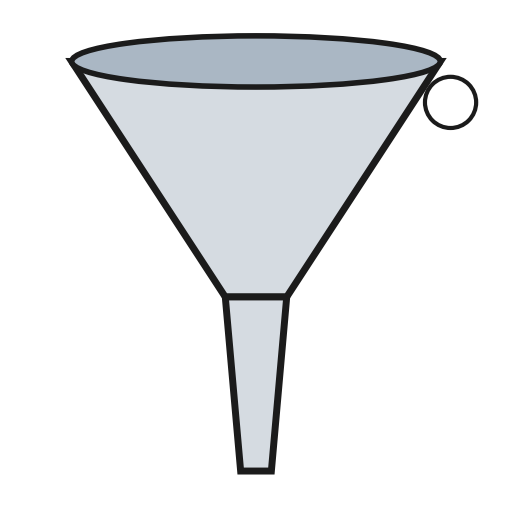
Draw the cider down to within 1 inch (2.5 cm) of the bottom, through a funnel covered with a thin woven towel. Ours: with a siphon. About 2 quarts (1.9 litres) of dregs stayed in his cask.

Alat yang dibutuhkan:

Selang sifonSelang sifon
Corong dapurCorong dapur
Handuk muka kapasHanduk muka kapas
12

Keep the casks full

Top each cask up with cider of the same pressing. With the cask entirely full, a long bung bored crosswise under the vent funnel lets the gas out.

Alat yang dibutuhkan:

Sumbat kayu tongSumbat kayu tong
Penyekat udara fermentasiPenyekat udara fermentasi
13

Bottle in June

His final bottling was 25 June, at 1.006. Draw it into pint champagne bottles, cork them and tie the corks down. Use champagne bottles only: his unfiltered bottles opened "with high pressure".

Material untuk langkah ini:

Botol sampanyeBotol sampanye1 buah
Sumbat gabusSumbat gabus1 buah

Alat yang dibutuhkan:

Selang sifonSelang sifon
Tali KatunTali Katun
14

Troubleshooting

What went wrong in Alwood's casks, and the fix.

Flow

Loading...
15

History and honest limits

**William B. Alwood**, *Enological Studies. I. Experiments in Cider Making Applicable to Farm Conditions*, USDA Bureau of Chemistry Bulletin No. 129 (1909), under H. W. Wiley. He filled three 50-gallon whisky barrels on 23 October 1907: No. 1 left to natural fermentation, No. 2 with yeast No. 73 (Sauternes), No. 3 with yeast No. 161 (Ahrweiler). He called No. 3 the "Finest cider ever handled here", and found the total acid "about right for a sprightly cider—namely, approximately 0.40 per cent". A 10-gallon keg left with a cotton plug turned to vinegar. His yeast cultures came from his own laboratory and are not sold today; a pure wine yeast takes their place. He does not say how he drew the cider off; ours is a siphon. The alcohol estimate in the notebook is ours.

Bahan

4

Alat yang Diperlukan

16

Cetak biru ini membuat

CC0 Domain Publik

Cetak biru ini dirilis di bawah CC0. Anda bebas untuk menyalin, memodifikasi, mendistribusikan, dan menggunakan karya ini untuk tujuan apa pun, termasuk komersial, tanpa meminta izin.

Dukung Maker dengan membeli produk melalui Cetak Biru mereka di mana mereka mendapatkan Komisi Pembuat yang ditetapkan oleh Penjual, atau buat iterasi baru dari Cetak Biru ini dan masukkan sebagai koneksi di milik Anda sendiri.

Diskusi

(0)

Masuk untuk bergabung dengan diskusi

Memuat komentar...