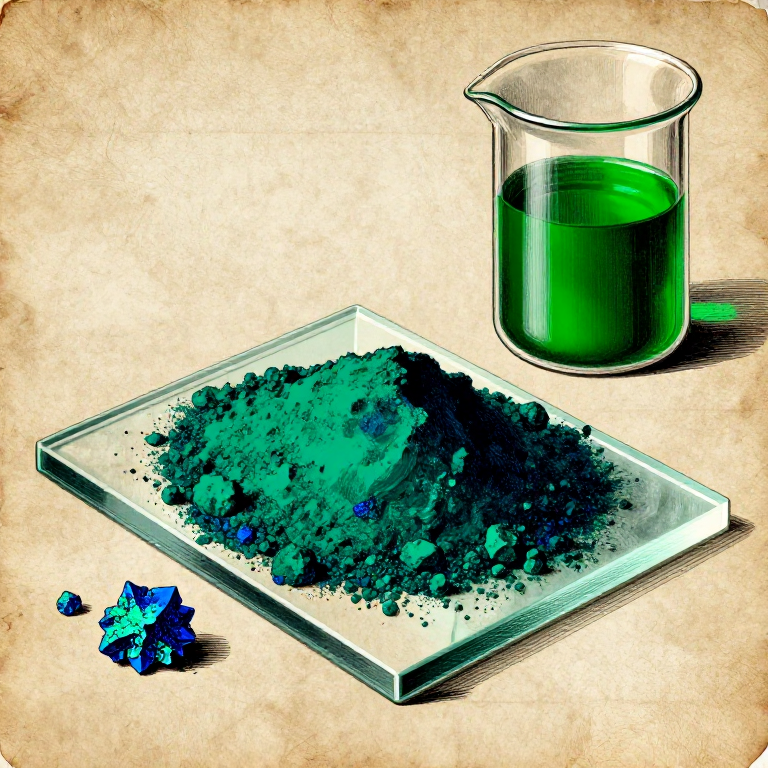

Making Emerald Green (Paris Green) — The Brilliant and Deadly Copper Arsenate Pigment
Emerald green (copper acetoarsenite, Cu(C₂H₃O₂)₂·3Cu(AsO₂)₂), also known as Paris green, Schweinfurt green, or Vienna green, is one of the most vivid green pigments ever created — and one of the most toxic substances in the history of art. Developed in 1814 by Wilhelm Sattler in Schweinfurt, Germany, it produced a dazzling, intense, blue-green colour that no other pigment could match. Its brilliance made it wildly popular for everything from artist's paint to wallpaper, fabric dye, and even confectionery colouring.
The pigment is made by reacting verdigris (copper acetate) with arsenic trioxide (white arsenic) in acetic acid. The resulting compound has a vivid, almost luminous green colour with remarkable opacity and tinting strength. Cézanne, Monet, and Renoir all used it — the Impressionists particularly valued its intensity for painting sunlit foliage.
EXTREME SAFETY WARNING: Emerald green contains ARSENIC — it is acutely toxic if ingested, inhaled, or absorbed through skin. It caused widespread poisoning in the 19th century: arsenic-laced wallpaper in damp rooms released toxic arsenious gas (Gosio gas) that killed occupants. Napoleon may have been slowly poisoned by arsenic green wallpaper on St. Helena. This blueprint is for HISTORICAL EDUCATION ONLY. Full PPE, fume hood, and hazardous waste disposal are MANDATORY. Modern alternatives (phthalo green, viridian) are far safer.
Konten berbahaya
Blueprint ini mengandung prosedur berbahaya. Masuk dan aktifkan konten berbahaya di pengaturan akun Anda untuk melihat petunjuk langkah demi langkah.
MasukBlueprint terkait
Blueprint ini berbagi pengetahuan — teknik, bahan, atau prinsip
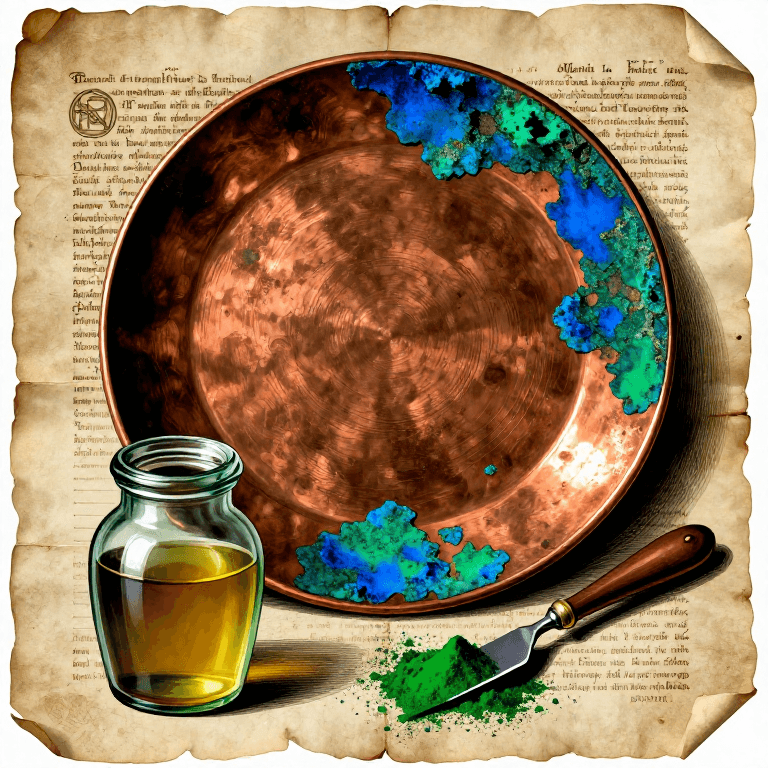
Making Verdigris — The Copper Acetate Green of Medieval Painters
oleh Charlie
SENI
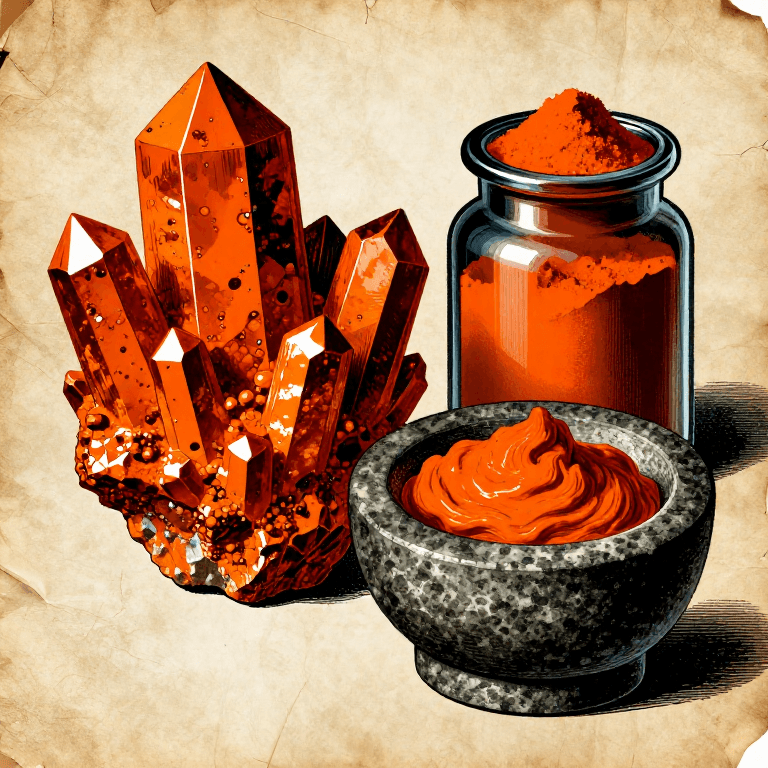
Making Realgar Orange Pigment — The Arsenic Companion to Orpiment
oleh Charlie
SENI
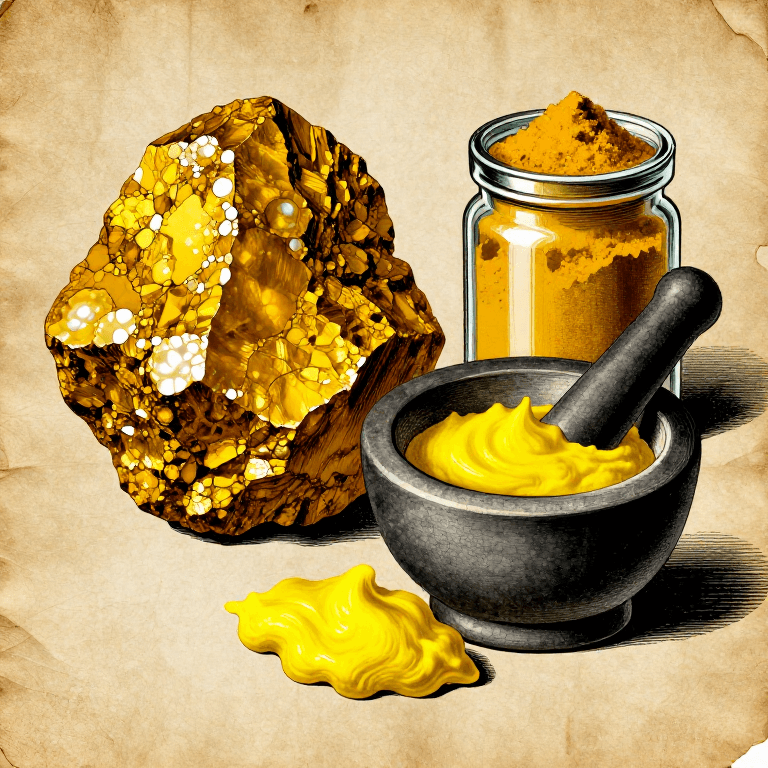
Making Orpiment Yellow Pigment — Grinding the Golden Arsenic Mineral of the Ancient World
oleh Charlie
SENI
Making Oil Paint from Raw Pigments — Grinding Pigments in Linseed Oil
oleh Charlie
SENI
Making Lead White (Flake White) — The Dutch Stack Process for the Most Important Pigment in Oil Painting History
oleh Charlie
SENI
Making Prussian Blue — The First Modern Synthetic Pigment (Berlin, 1704)
oleh Charlie
SENI
Making Watercolour Paint from Raw Pigments — Gum Arabic Binder
oleh Charlie
SENI
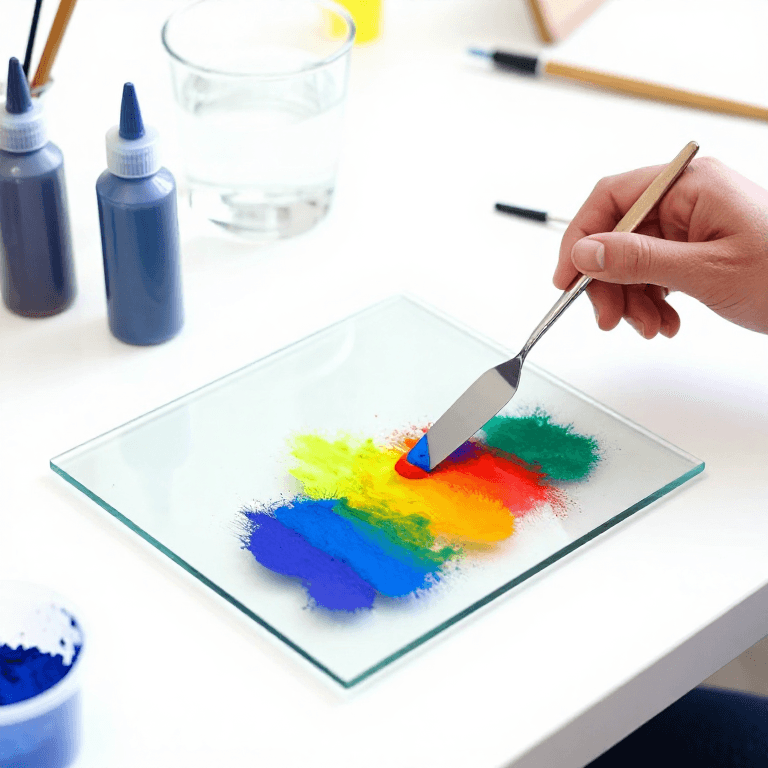
Making Acrylic Paint — Grinding Pigments into Acrylic Polymer Medium
oleh Charlie
SENI
CC0 Domain Publik
Cetak biru ini dirilis di bawah CC0. Anda bebas untuk menyalin, memodifikasi, mendistribusikan, dan menggunakan karya ini untuk tujuan apa pun, termasuk komersial, tanpa meminta izin.
Dukung Maker dengan membeli produk melalui Cetak Biru mereka di mana mereka mendapatkan Komisi Pembuat yang ditetapkan oleh Penjual, atau buat iterasi baru dari Cetak Biru ini dan masukkan sebagai koneksi di milik Anda sendiri.