Kolaborasi
SENI
KECANTIKAN & KESEHATAN
KERAJINAN
BUDAYA & SEJARAH
HIBURAN
LINGKUNGAN
MAKANAN & MINUMAN
REKAYASA BALIK
ILMU PENGETAHUAN
OLAHRAGA
TEKNOLOGI
PERANGKAT PAKAI

Wound Remedies of the Missouri River Tribes: Puffball Styptic, Chewed Hop Root and Four-o'clock, Butterfly Weed, Prickly Pear Dressing, Aniseroot Poultice (Gilmore, 1919)
Wound remedies Melvin Gilmore recorded on the Missouri: puffballs kept to stop bleeding (Dakota, Pawnee, Ponca, Omaha), the chewed deep root of wild hops, four-o'clock root chewed and blown into wounds (Ponca), red false mallow salve (Dakota), peeled prickly pear stems bound on as a dressing, an aniseroot poultice (Winnebago) and the Omaha Shell Society's butterfly weed root. Recorded use, not medical advice.
Pemula
An hour
Instruksi
1
1
Read Gilmore
Read Gilmore
Wound remedies from Gilmore's list of plants, credited to the tribes he names. Recorded use, not medical advice: deep, dirty or bleeding wounds need a doctor and a tetanus check (ours).
2
2
Puffball to stop bleeding
Puffball to stop bleeding
Gather prairie puffballs and keep them dry; they were used "as a styptic for any wounds" by the Dakota, Ponca and Omaha. The Pawnee name, "old", is for the ripe stage used as a styptic. They were also put on the navel of newborn babies (history only, ours: never on a baby's navel).
Material untuk langkah ini:
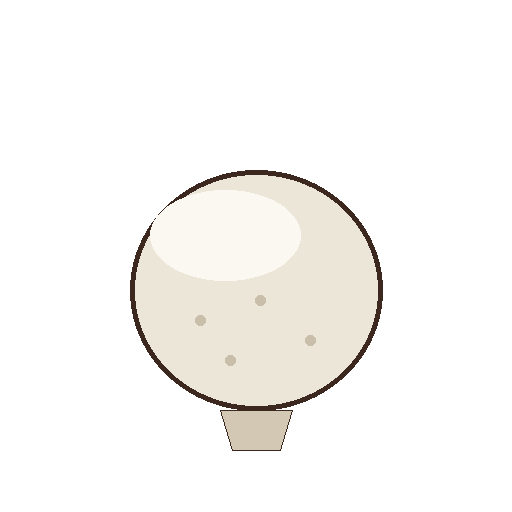 Jamur puffball1 buah
Alat yang dibutuhkan:
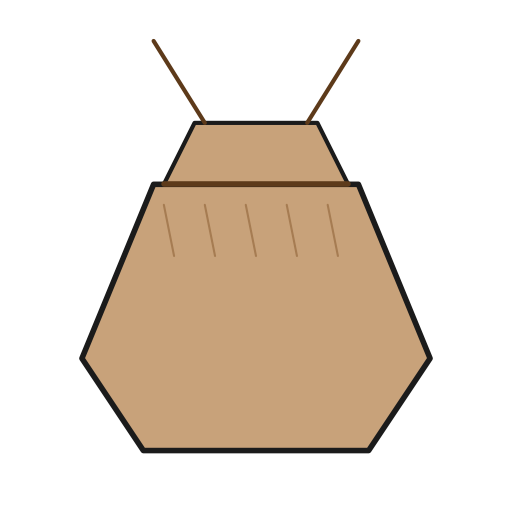 Kantong kulit bertali serut
3
3
Chewed roots
Chewed roots
Wild hops: the part of the root 3 or 4 feet (0.9-1.2 m) down, called "sweet medicine", "was chewed and applied to wounds". Ponca: four-o'clock root was "chewed and blown into" wounds. Dakota: red false mallow was chewed and put on inflamed sores and wounds "as a cooling and healing salve."
Material untuk langkah ini:
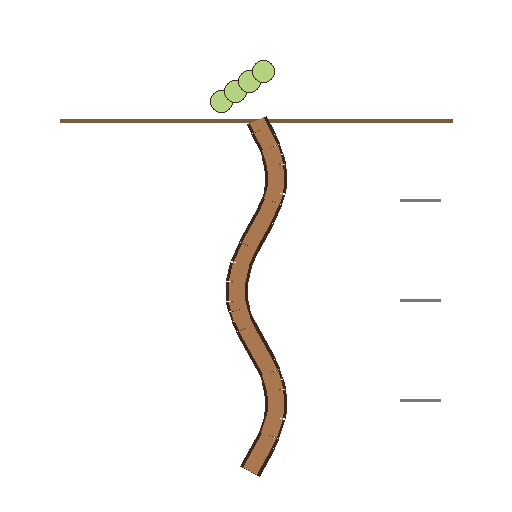 Akar hop liar1 buah
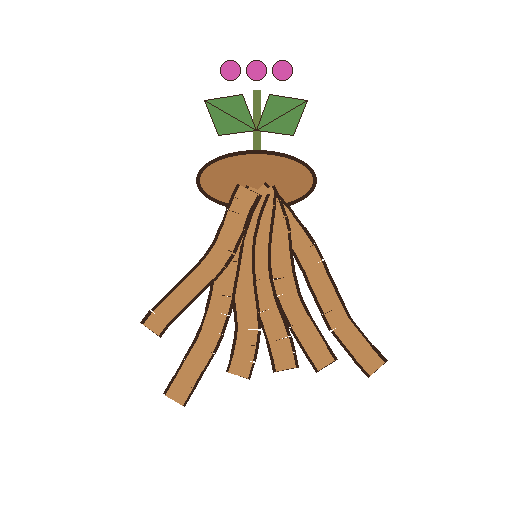 Akar umbrellawort1 buah
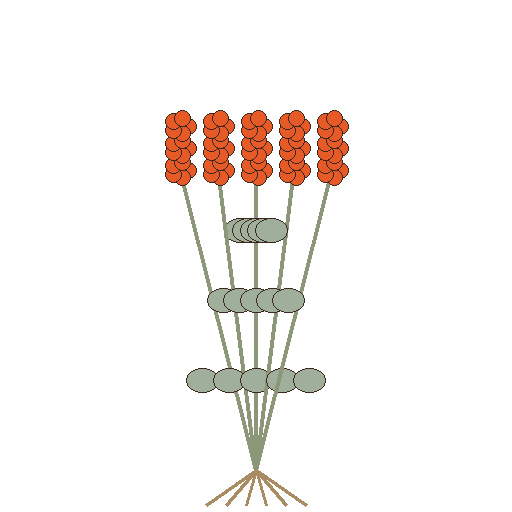 Tanaman globemallow merah1 buah
Alat yang dibutuhkan:
 Tongkat penggali
 Pisau
4
4
Prickly pear dressing
Prickly pear dressing
Peel the stems; because of their slimy juice "the peeled stems were bound on wounds as a dressing."
Material untuk langkah ini:
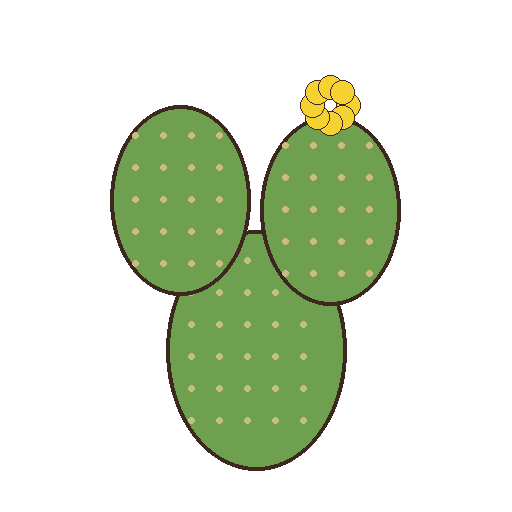 Batang kaktus pir berduri1 buah
Alat yang dibutuhkan:
Pisau Tali Pintal
5
5
Aniseroot poultice
Aniseroot poultice
Winnebago: pound the roots to make a poultice for wounds (the Omaha put it on boils).
Material untuk langkah ini:
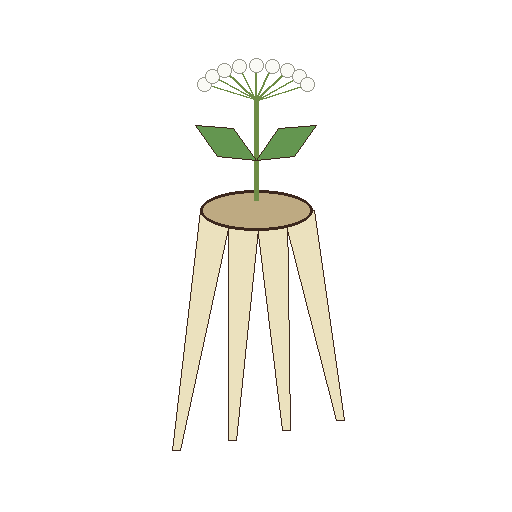 Akar adas manis liar1 buah
 Air1 buah
Alat yang dibutuhkan:
Tongkat penggali Lumpang dan Alu Batu
6
6
Butterfly weed: wound medicine
Butterfly weed: wound medicine
Omaha-Ponca "raw medicine" or "wound medicine": the root "was also chewed and put into wounds, or pulverized when dry and blown into wounds", and used for old, obstinate sores. Among the Omaha it belonged to the Shell Society, whose keeper dug and gave it out with four days of ceremony.
Material untuk langkah ini:
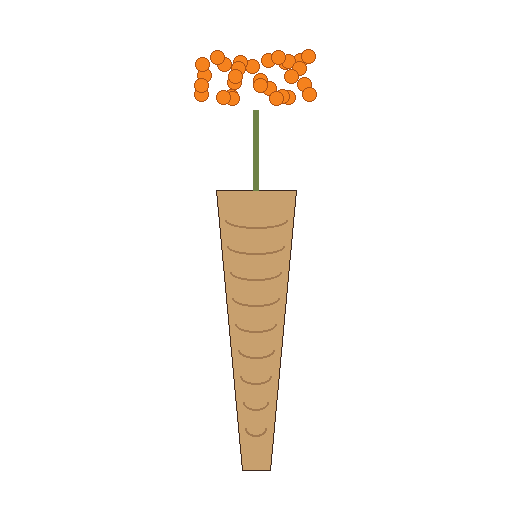 Akar butterfly weed1 buah
Alat yang dibutuhkan:
Tongkat penggaliLumpang dan Alu BatuKantong kulit bertali serut7
7
Troubleshooting
Troubleshooting
Wound safety.
Flow
Loading...
8
8
History and honest limits
History and honest limits
From Melvin R. Gilmore, *Uses of Plants by the Indians of the Missouri River Region*, **33rd Annual Report of the Bureau of American Ethnology** (1919), pp. 62, 77, 78, 82, 103, 104, 107, 109 and 113 (checked on the archive.org scan usesofplantsbyin00gilm). Gilmore wrote down what Omaha, Ponca, Pawnee, Dakota, Winnebago and Oto people told him; each remedy is credited to the tribe he names. Gilmore also names anemone root ("little buffalo medicine", used for wounds by those of the Omaha Te-sinde gens who had the right) and prairie ground cherry root as wound dressings, but gives no preparation; anemone is an irritant. Left out: eating butterfly weed root raw for the lungs (milkweeds hold heart poisons). Safety lines are ours. Recorded use, not medical advice.
Bahan
8- 1 buahPlaceholder
- 1 buahPlaceholder
- 1 buahPlaceholder
- Placeholder
- Placeholder
- 1 buahPlaceholder
- 1 buahPlaceholder
- 1 buahPlaceholder
Cetak biru ini membuat
Blueprint terkait
Blueprint ini berbagi pengetahuan — teknik, bahan, atau prinsip
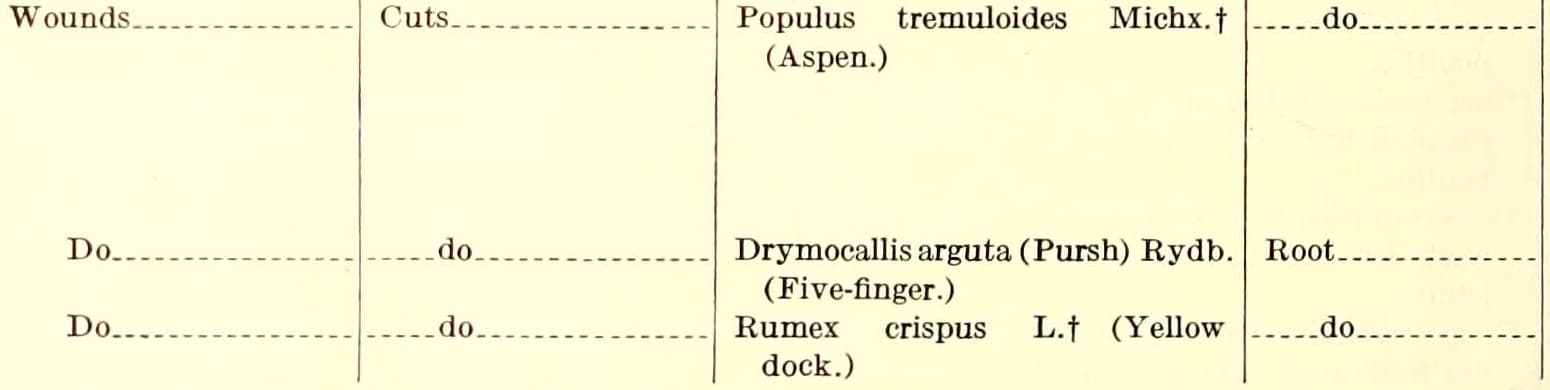
Chippewa Remedies for Cuts: Chewed Aspen Bark on a Closed Cut, Five-Finger and Yellow Dock Root (Densmore, 1928)
oleh Bob
Obat
2
0
0
0
0
0
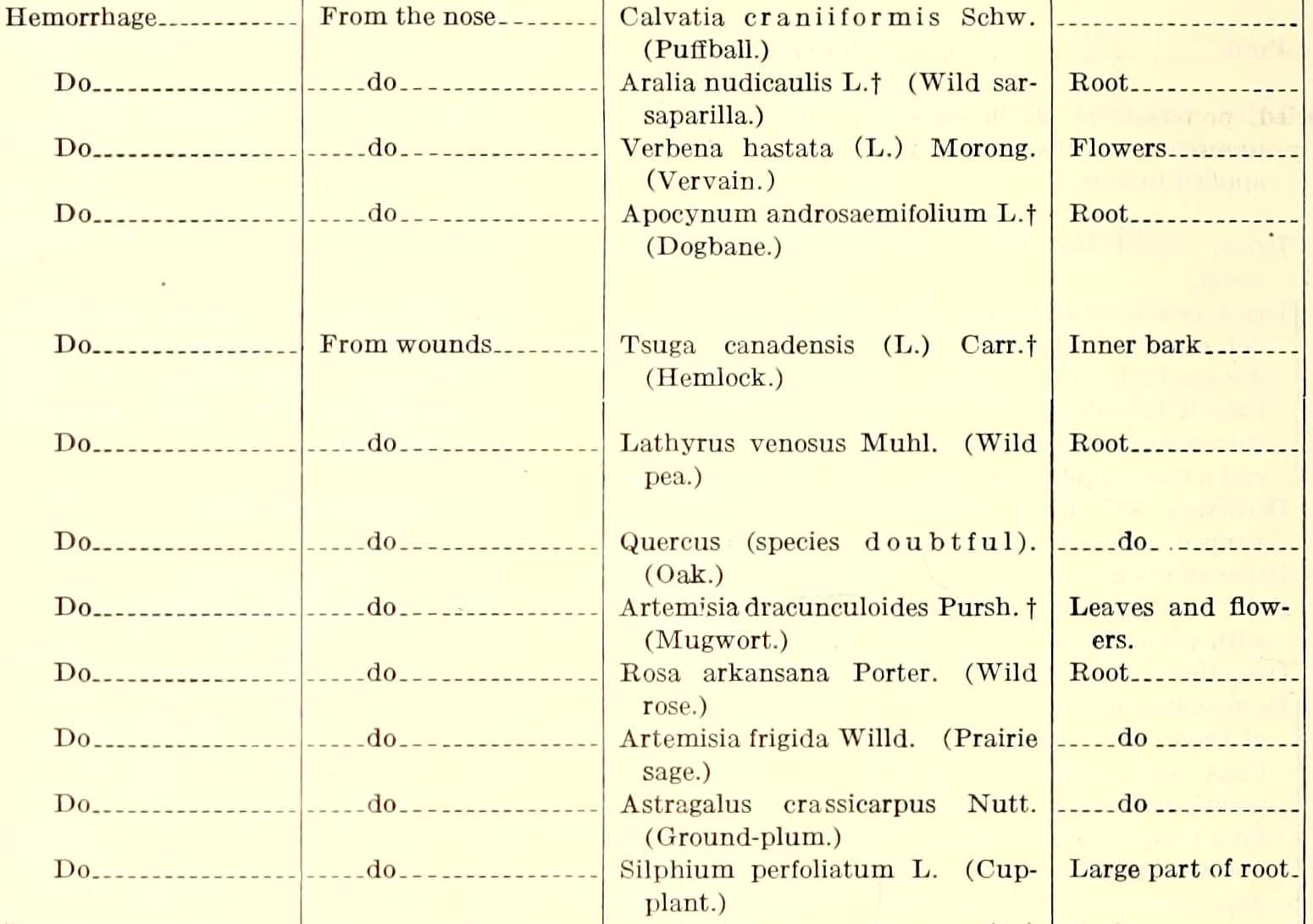
Chippewa Remedies to Stop Bleeding from the Nose and from Wounds: Puffball, Sarsaparilla, Vervain, Hemlock Bark, Wild Pea, Oak, Mugwort, Cup Plant (Densmore, 1928)
oleh Bob
Obat
6
0
0
0
0
0
CC0 Domain Publik
Cetak biru ini dirilis di bawah CC0. Anda bebas untuk menyalin, memodifikasi, mendistribusikan, dan menggunakan karya ini untuk tujuan apa pun, termasuk komersial, tanpa meminta izin.
Dukung Maker dengan membeli produk melalui Cetak Biru mereka di mana mereka mendapatkan Komisi Pembuat yang ditetapkan oleh Penjual, atau buat iterasi baru dari Cetak Biru ini dan masukkan sebagai koneksi di milik Anda sendiri.