SENI
KECANTIKAN & KESEHATAN
KERAJINAN
BUDAYA & SEJARAH
HIBURAN
LINGKUNGAN
MAKANAN & MINUMAN
REKAYASA BALIK
ILMU PENGETAHUAN
OLAHRAGA
TEKNOLOGI
PERANGKAT PAKAI
Berbahaya


Sprengel Mercury Pump
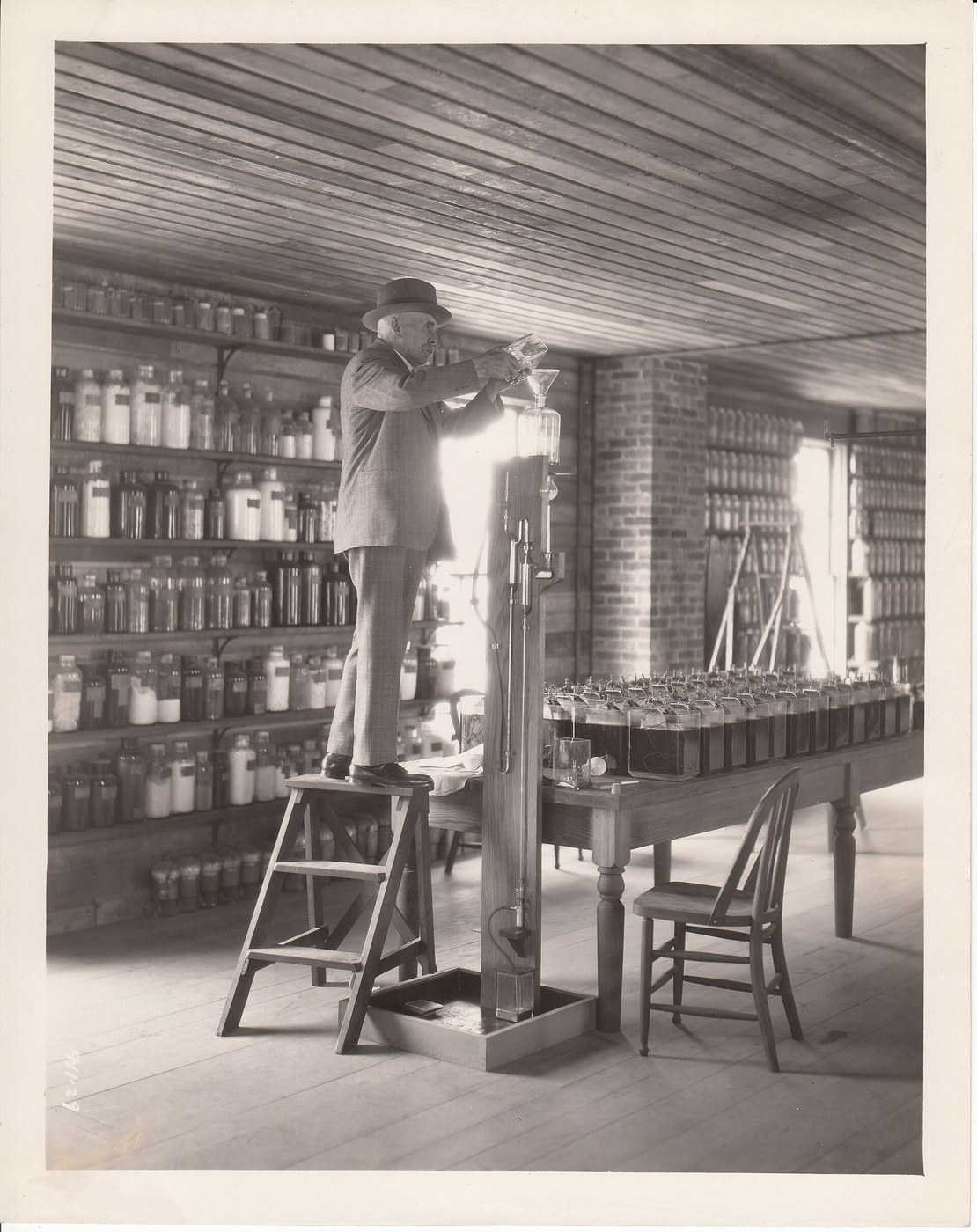
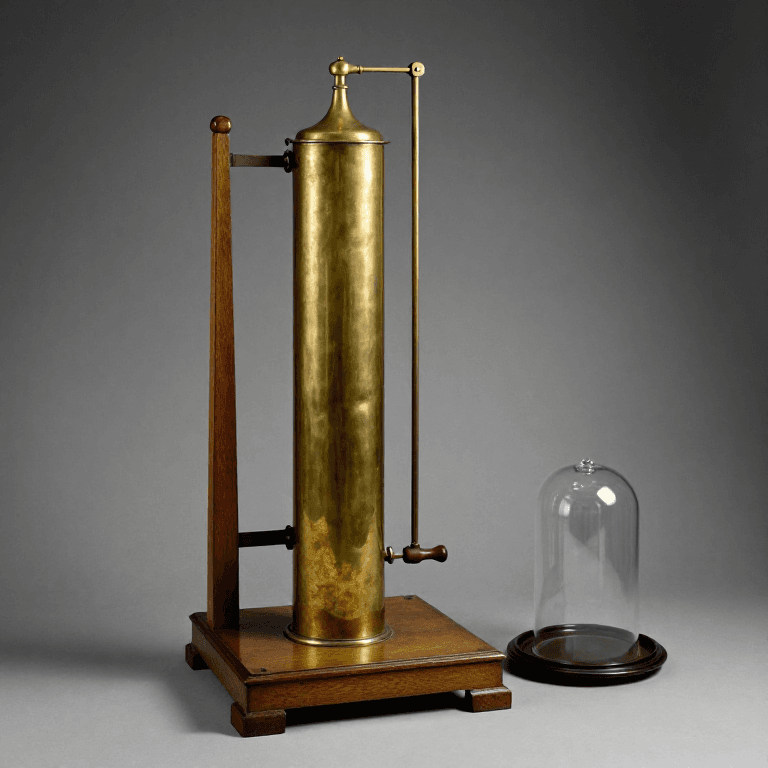
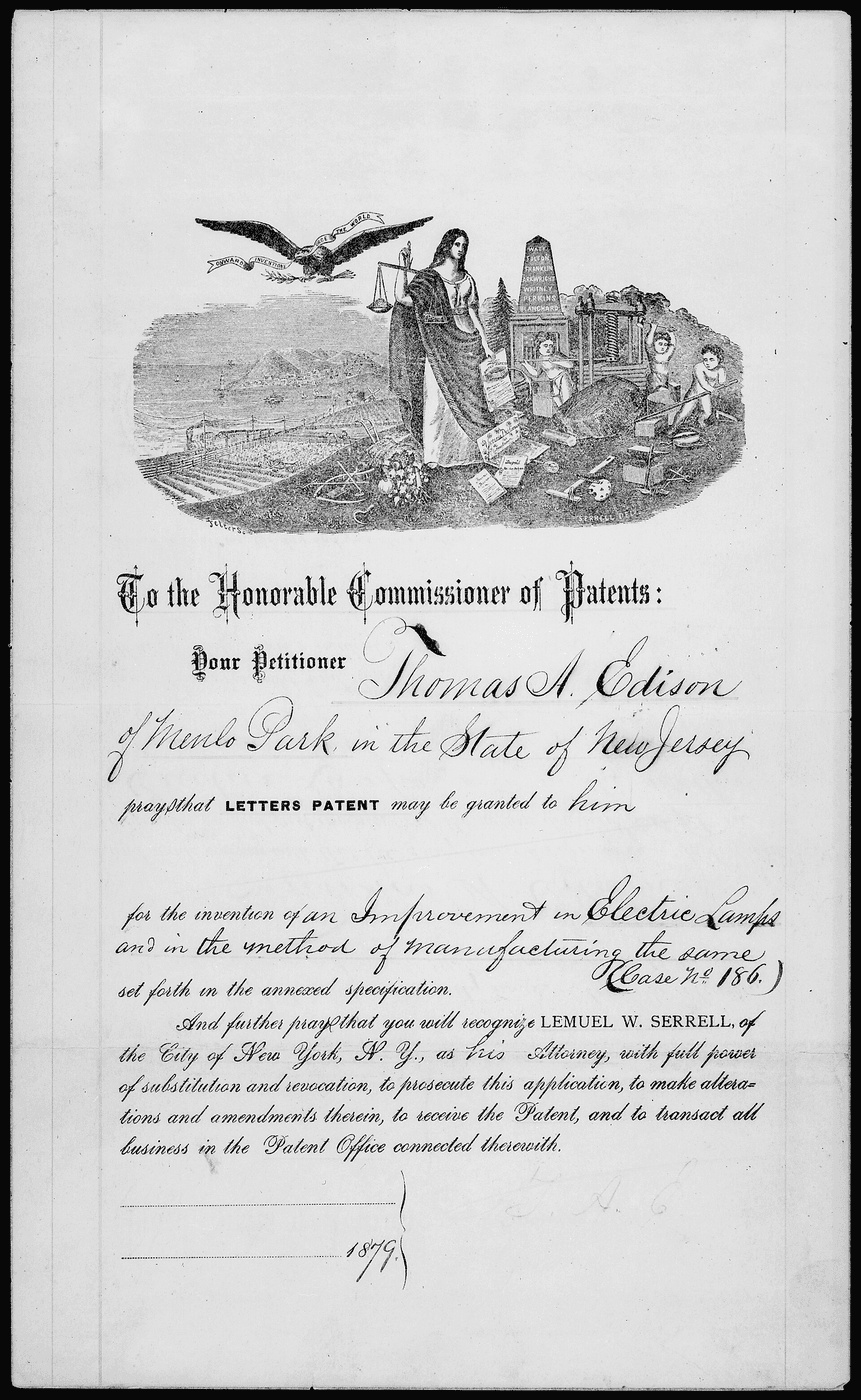
A piston pump is limited by its seals and by the dead space that re-expands each stroke. Hermann Sprengel's pump of 1865 has neither, because it has no piston at all. Mercury drops fall down a narrow tube, and each drop traps a slug of gas between itself and the drop behind it, carrying that gas down and out. There is no sliding seal to leak, no valve to fail, and no dead volume — so it keeps working long after a mechanical pump has stalled, reaching pressures thousands of times lower. It is slow and it uses a large quantity of mercury, which is genuinely dangerous. But without it there would have been no incandescent lamp: Edison's team used a Sprengel pump to evacuate their bulbs, and the lamp only became practical once the vacuum was good enough.
Lanjutan
5 hours
Konten berbahaya
Blueprint ini mengandung prosedur berbahaya. Masuk dan aktifkan konten berbahaya di pengaturan akun Anda untuk melihat petunjuk langkah demi langkah.
Blueprint terkait
Blueprint ini berbagi pengetahuan — teknik, bahan, atau prinsip


CC0 Domain Publik
Cetak biru ini dirilis di bawah CC0. Anda bebas untuk menyalin, memodifikasi, mendistribusikan, dan menggunakan karya ini untuk tujuan apa pun, termasuk komersial, tanpa meminta izin.
Dukung Maker dengan membeli produk melalui Cetak Biru mereka di mana mereka mendapatkan Komisi Pembuat yang ditetapkan oleh Penjual, atau buat iterasi baru dari Cetak Biru ini dan masukkan sebagai koneksi di milik Anda sendiri.