SENI
KECANTIKAN & KESEHATAN
KERAJINAN
BUDAYA & SEJARAH
HIBURAN
LINGKUNGAN
MAKANAN & MINUMAN
REKAYASA BALIK
ILMU PENGETAHUAN
OLAHRAGA
TEKNOLOGI
PERANGKAT PAKAI
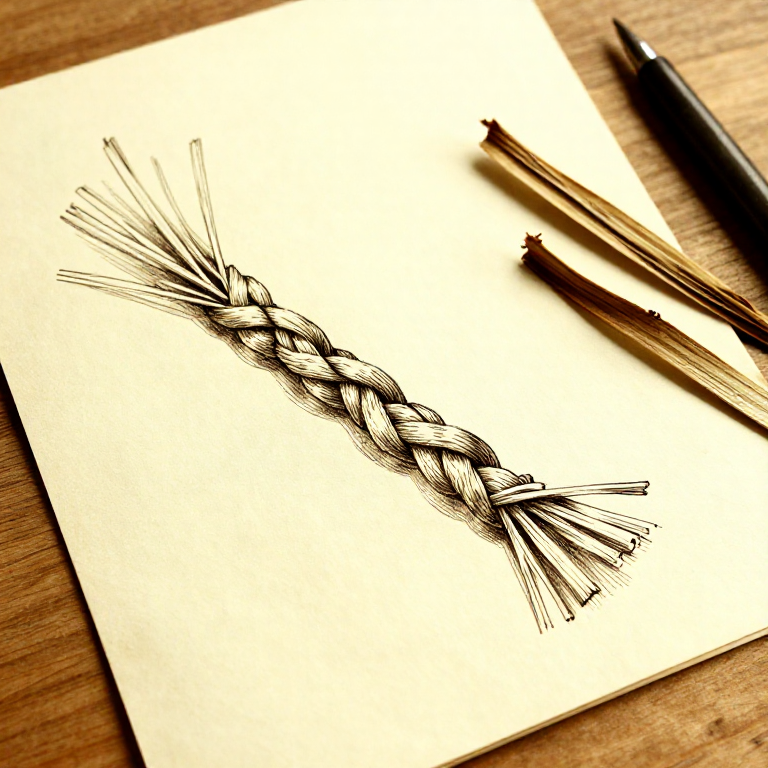


Making Rope from Plant Fibers — Reverse-Wrap Cordage
Make strong rope from plant fibers using the reverse-wrap two-ply method. One of the most fundamental survival skills — needed for shelter, traps, tool hafting, and more.
Pemula
30-60 minutes
Instruksi
1
1
Harvest Fiber Plants
Harvest Fiber Plants
Collect dried stalks of nettle, dogbane, milkweed, or inner bark of linden/cedar. 8-10 stalks per meter of rope. Fall/winter stalks work best — dry and brown.
Material untuk langkah ini:
 Batang tumbuhan kering10 tangkai
2
2
Extract Fibers
Extract Fibers
Crush stalks by rolling between hands or pounding with a stone. Peel away outer bark to reveal long inner fibers. Remove any woody pith.
Material untuk langkah ini:
Batang tumbuhan kering10 tangkaiAlat yang dibutuhkan:
 Batu Halus
3
3
Reverse-Wrap Technique
Reverse-Wrap Technique
Twist both halves clockwise, then let them wrap counter-clockwise around each other. The opposing twists lock the rope together.
Desain
Diagram: two fiber bundles shown twisting in opposing directions
4
4
Splice to Extend
Splice to Extend
Before a strand runs out, overlap a new fiber by 5cm. Continue twisting — friction holds the splice. Stagger splices so both strands never join at the same point.
5
5
Finish & Test
Finish & Test
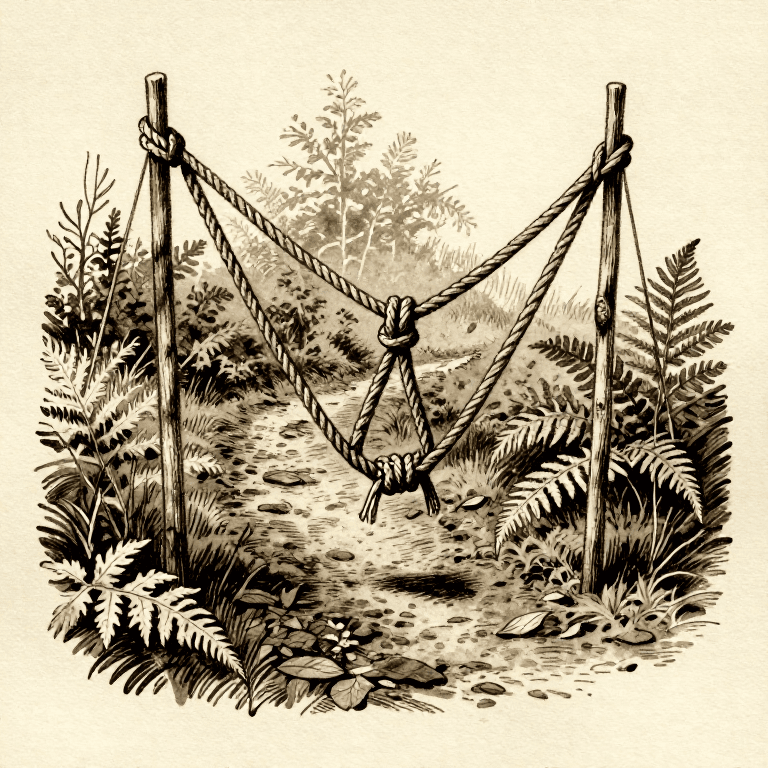
Tie an overhand knot at each end. Good cordage holds 20-50kg. For heavier loads, braid 3 finished cords together.
Alat yang Diperlukan
2- Placeholder
- Placeholder
Blueprint terkait
Blueprint ini berbagi pengetahuan — teknik, bahan, atau prinsip

CC0 Domain Publik
Cetak biru ini dirilis di bawah CC0. Anda bebas untuk menyalin, memodifikasi, mendistribusikan, dan menggunakan karya ini untuk tujuan apa pun, termasuk komersial, tanpa meminta izin.
Dukung Maker dengan membeli produk melalui Cetak Biru mereka di mana mereka mendapatkan Komisi Pembuat yang ditetapkan oleh Penjual, atau buat iterasi baru dari Cetak Biru ini dan masukkan sebagai koneksi di milik Anda sendiri.