SENI
KECANTIKAN & KESEHATAN
KERAJINAN
BUDAYA & SEJARAH
HIBURAN
LINGKUNGAN
MAKANAN & MINUMAN
REKAYASA BALIK
ILMU PENGETAHUAN
OLAHRAGA
TEKNOLOGI
PERANGKAT PAKAI
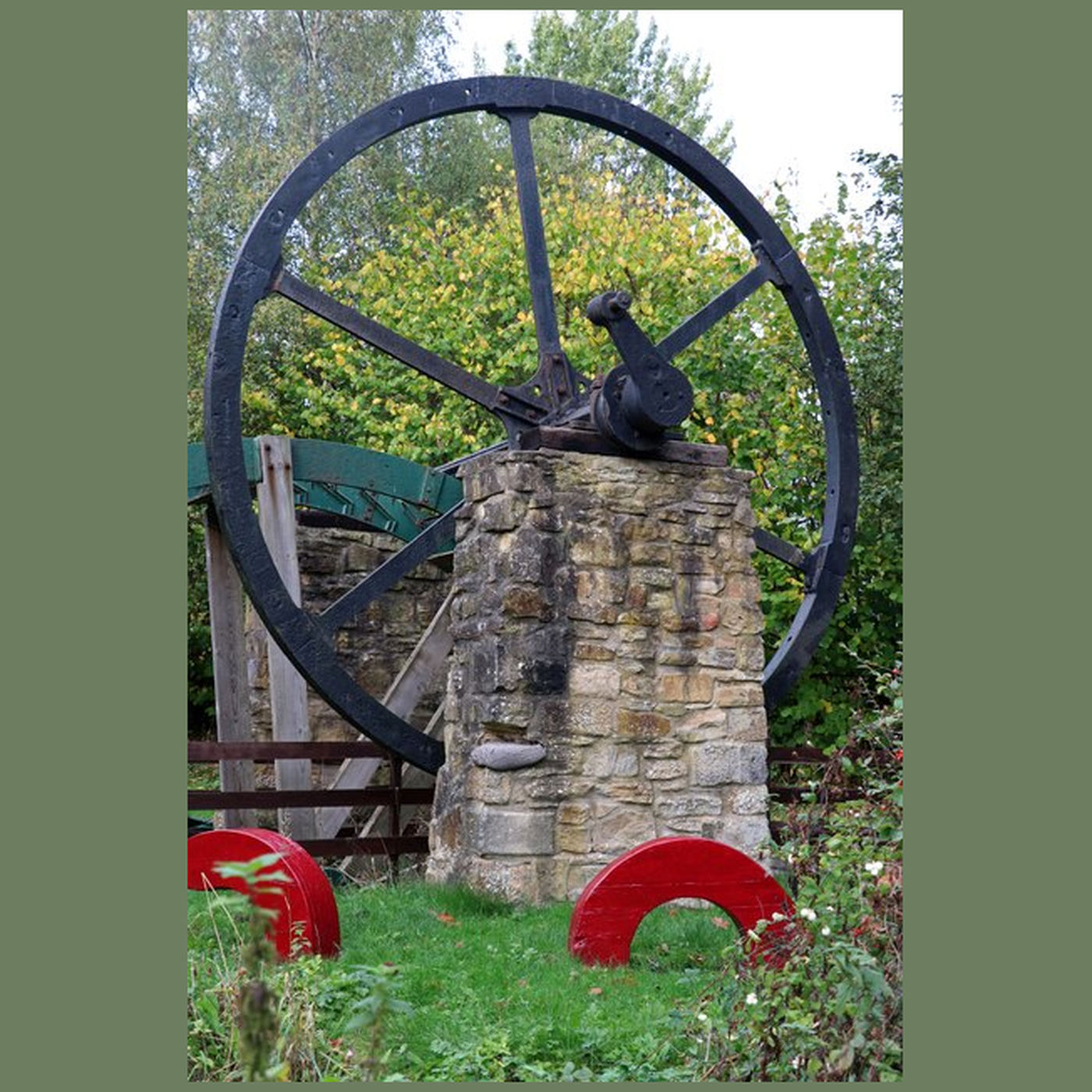


The Crank and the Flywheel: Smoothing One Bang in Two Turns
A four-stroke single-cylinder engine pushes on its crank for half a turn in every two. The rest of the time the crank must be carried round — through exhaust, intake and compression — by energy stored in a flywheel. How heavy that flywheel must be depends on how uneven the torque is and how steady the speed must stay.
This practice rung generates the torque curve of an idealised engine from the slider-crank geometry and an Otto-cycle pressure trace, sizes a flywheel from it, and builds a slider-crank model to check the piston motion by hand.
Menengah
About 3 hours
Instruksi
1
1
Torque round a cycle, and the flywheel it needs
Torque round a cycle, and the flywheel it needs
Memuat notebook Jupyter…
2
2
Build a slider-crank and check it by hand
Build a slider-crank and check it by hand
Cut a plywood base. Pivot a plywood crank disc on a bolt, with a crank pin 40 mm off centre. Cut a connecting rod 140 mm between hole centres, and a slider that runs in a slot or between two strips — the 'piston'. Glue a protractor under the crank disc.
Turn the crank in 30° steps and measure the piston's distance from the crank centre with the steel rule. Compare with the notebook's formula. Notice that the piston moves further during the half-turn near top dead centre than near bottom — the connecting rod's angle causes it, and it is why the torque trace is lopsided.
Material untuk langkah ini:
 Lembaran kayu lapis1 lembar
 Sekrup mesin6 buah
 Pasak kayu keras1 set
Alat yang dibutuhkan:
 Bor Tanpa Kabel
 Set Mata Bor
 Busur Derajat
 Penggaris
 Jangka Sorong Digital 6 Inci
3
3
Context
Context
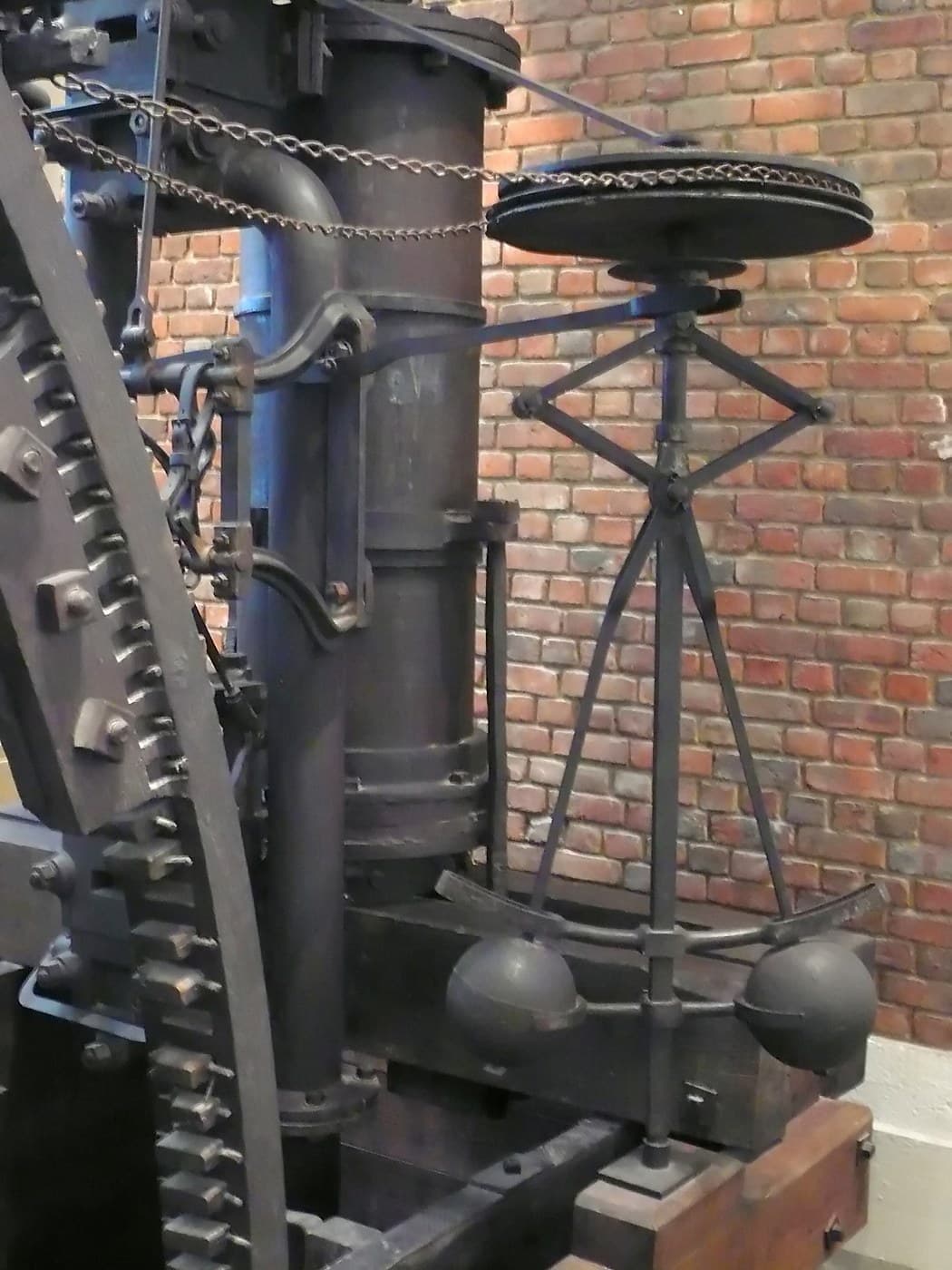
A practice rung: the slider-crank goes back to the rotative steam engine in this catalogue, and the flywheel to the potter's wheel and the spindle whorl. The torque trace is generated from an ideal cycle; a real engine's is less peaky because combustion takes time.
**Honest limits of the model.** No friction, no inertia of the piston itself (which matters at high speed), heat added instantly at top dead centre, and a single cylinder. Multi-cylinder engines are smoothed by overlapping power strokes; balance shafts deal with the shaking the piston's own motion causes.
Bahan
3- 1 lembarPlaceholder
- 6 buahPlaceholder
- 1 setPlaceholder
Alat yang Diperlukan
5- 1 vendor sell this, none ship to you yetPlaceholder
- Placeholder
- Placeholder
- Placeholder
- Placeholder
Blueprint terkait
Blueprint ini berbagi pengetahuan — teknik, bahan, atau prinsip
CC0 Domain Publik
Cetak biru ini dirilis di bawah CC0. Anda bebas untuk menyalin, memodifikasi, mendistribusikan, dan menggunakan karya ini untuk tujuan apa pun, termasuk komersial, tanpa meminta izin.
Dukung Maker dengan membeli produk melalui Cetak Biru mereka di mana mereka mendapatkan Komisi Pembuat yang ditetapkan oleh Penjual, atau buat iterasi baru dari Cetak Biru ini dan masukkan sebagai koneksi di milik Anda sendiri.