SENI
KECANTIKAN & KESEHATAN
KERAJINAN
BUDAYA & SEJARAH
HIBURAN
LINGKUNGAN
MAKANAN & MINUMAN
REKAYASA BALIK
ILMU PENGETAHUAN
OLAHRAGA
TEKNOLOGI
PERANGKAT PAKAI
Berbahaya


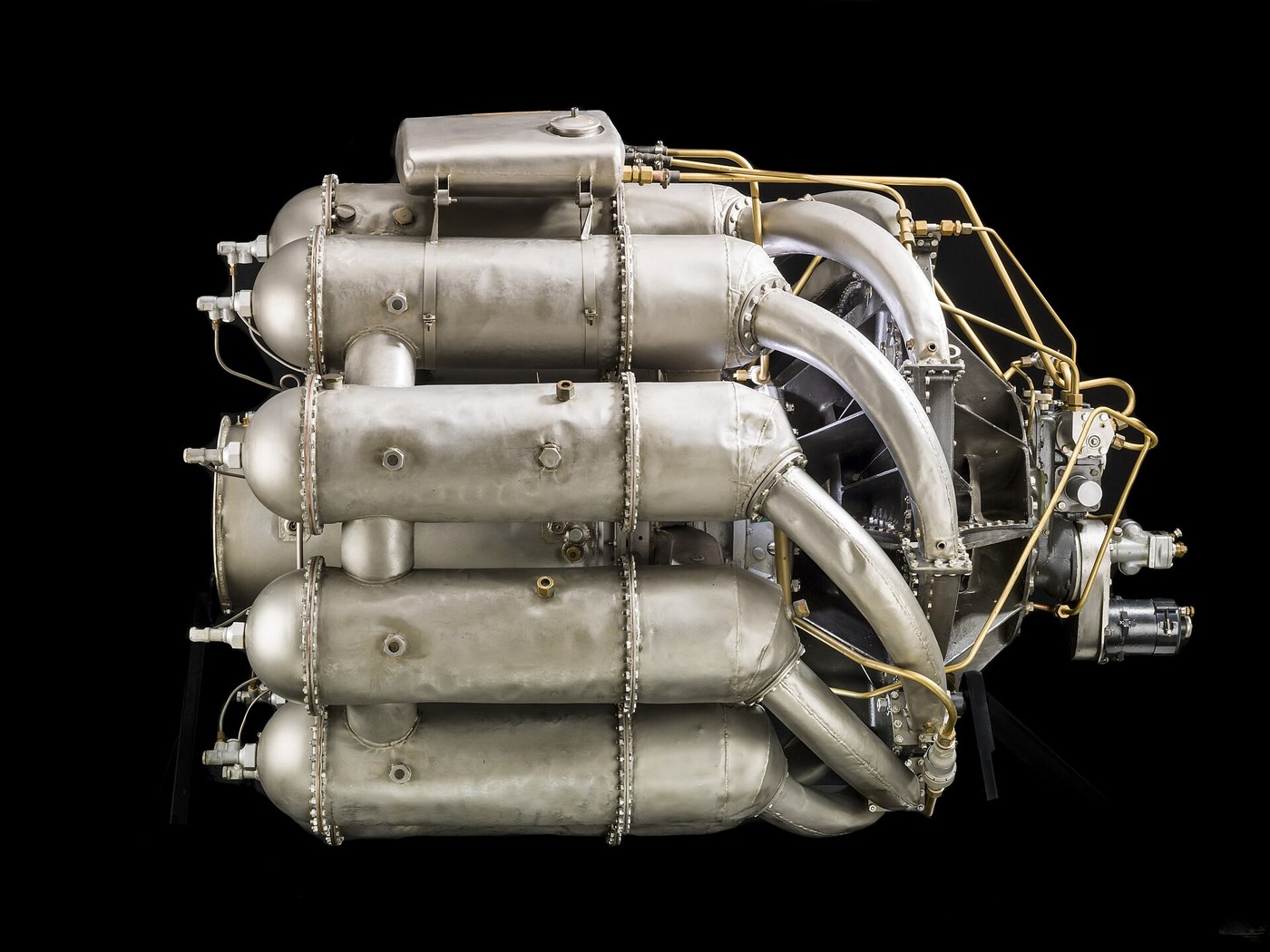
The Whittle Turbojet
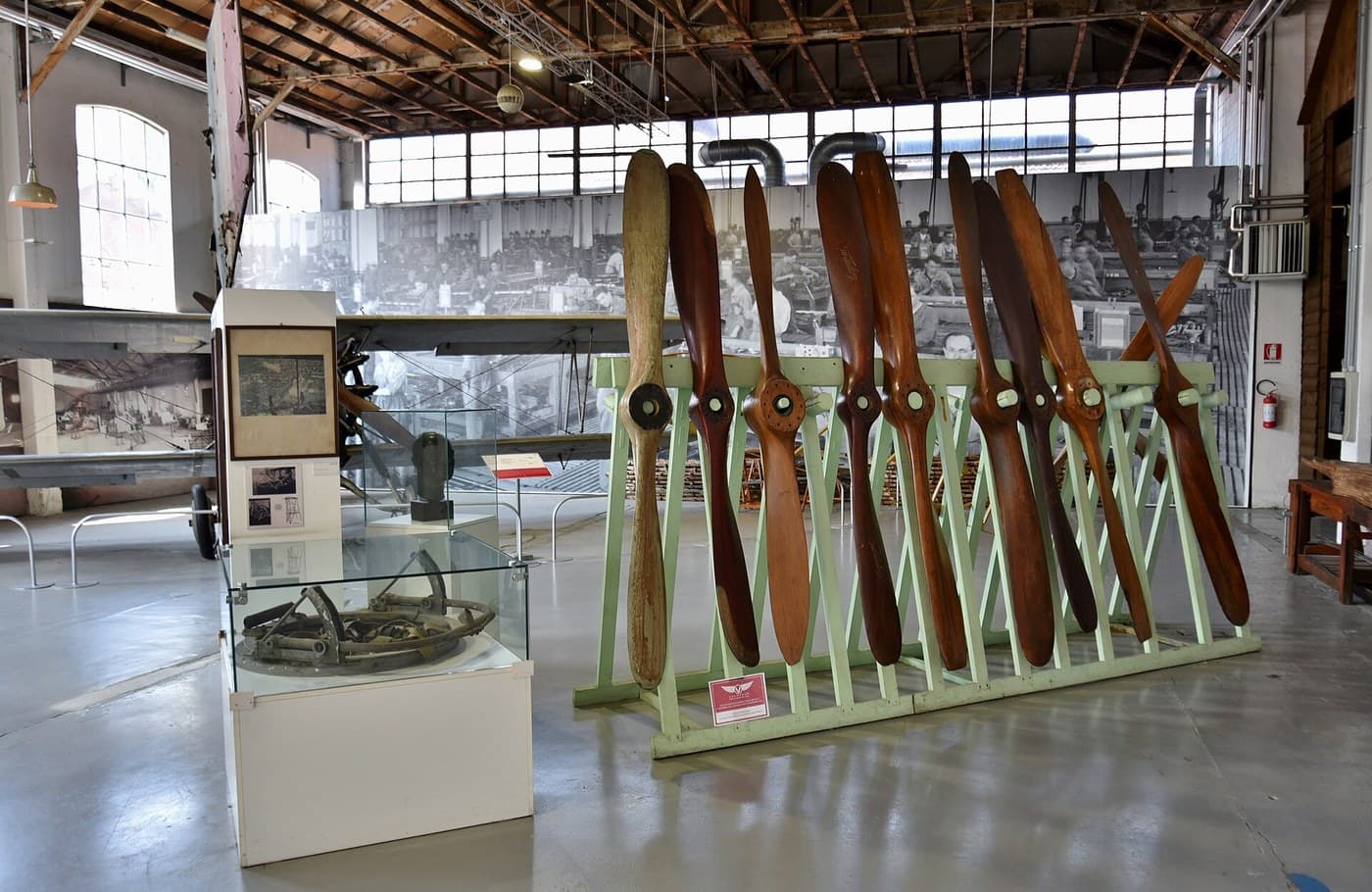
The propeller blueprint ends at a wall: as the blade tips approach the speed of sound, shock waves form, drag rises steeply and efficiency collapses. You cannot spin faster and you cannot lengthen the blade, because a longer blade has a faster tip at the same rpm. Frank Whittle saw this coming in 1929 as a young RAF officer and drew the way past it — stop trying to accelerate a large mass of air a little by pushing on it with blades, and instead accelerate a smaller mass of air a great deal by burning fuel in it. His patent lapsed in 1935 because the Air Ministry would not pay the renewal fee. The engine ran on a bench in 1937, shocking everyone present by accelerating out of control, and flew in the Gloster E.28/39 in 1941. This blueprint builds the thermodynamic cycle at bench scale and gates itself, because the honest version involves a spinning turbine and burning fuel.
Lanjutan
8 hours
Konten berbahaya
Blueprint ini mengandung prosedur berbahaya. Masuk dan aktifkan konten berbahaya di pengaturan akun Anda untuk melihat petunjuk langkah demi langkah.
Blueprint terkait
Blueprint ini berbagi pengetahuan — teknik, bahan, atau prinsip
CC0 Domain Publik
Cetak biru ini dirilis di bawah CC0. Anda bebas untuk menyalin, memodifikasi, mendistribusikan, dan menggunakan karya ini untuk tujuan apa pun, termasuk komersial, tanpa meminta izin.
Dukung Maker dengan membeli produk melalui Cetak Biru mereka di mana mereka mendapatkan Komisi Pembuat yang ditetapkan oleh Penjual, atau buat iterasi baru dari Cetak Biru ini dan masukkan sebagai koneksi di milik Anda sendiri.