कला
सौंदर्य और कल्याण
हस्तशिल्प
संस्कृति और इतिहास
मनोरंजन
पर्यावरण
खाद्य और पेय
रिवर्स इंजीनियरिंग
विज्ञान
खेल
प्रौद्योगिकी
पहनने योग्य
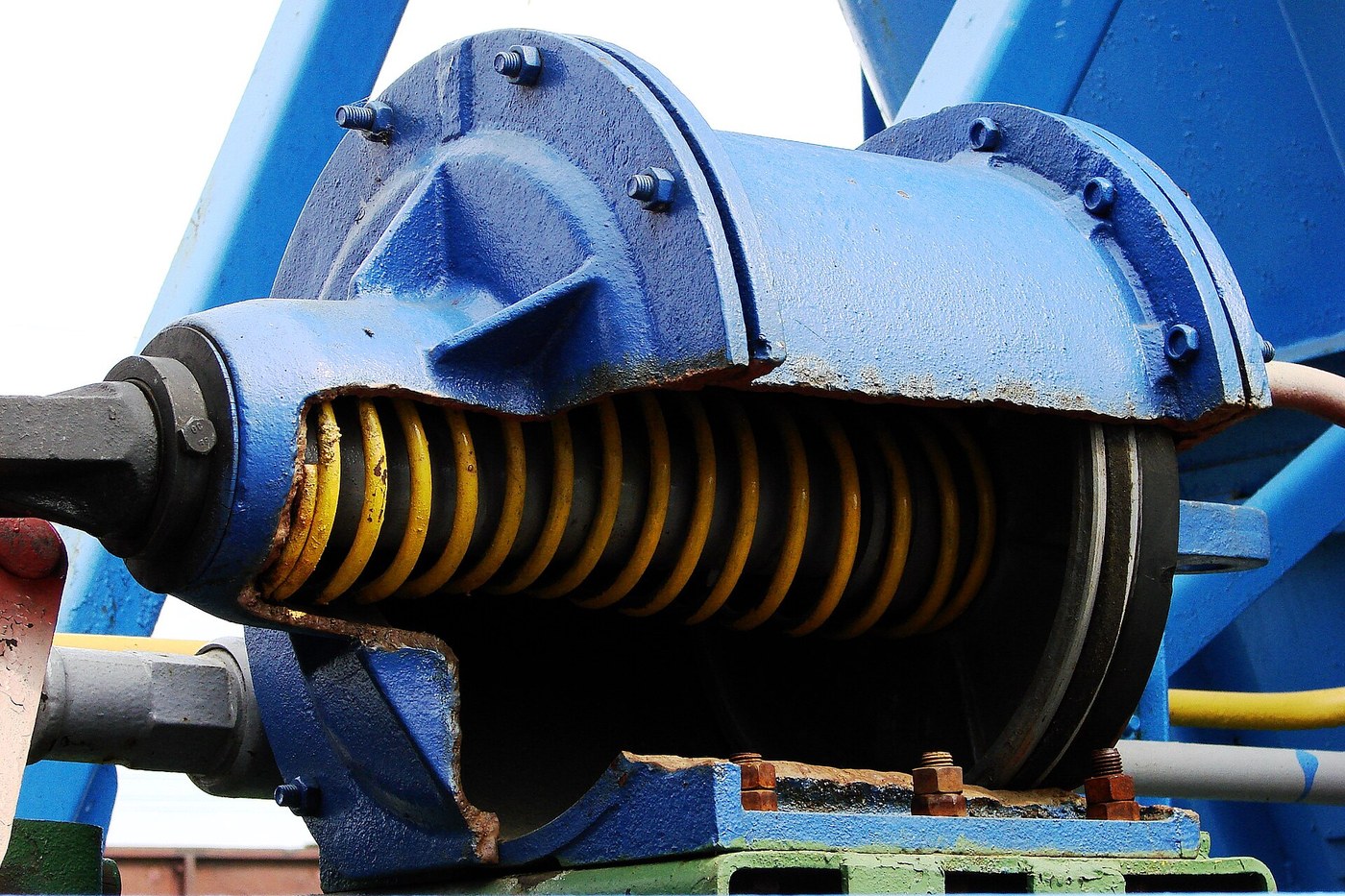


Brake Cylinder: Piston with Packing Leather, Expander Ring and Release Spring (Westinghouse Air Brake Co., 1901)
The air cylinder that puts on a railway car's brakes. Air let into the pressure end drives the piston out, and its push rod works the brake levers. When the air is let out, a release spring pushes the piston back. A cup of leather, held against the wall by a spring ring, stops the air from leaking past the piston.
Result: a brake cylinder. In the book's driver-brake example, an 8-inch cylinder fully applied puts 2,500 pounds on its piston.
Source: Westinghouse Air Brake Company, Air Brake Instruction Book (1901), pp. 55-57 and 97. Unknown: every size except the 8-inch bore, and the metal of every part except the leather; the book does not give them. Picture: Wikimedia Commons.
उन्नत
1 week
निर्देश
1
1
Bore the cylinder
Bore the cylinder
Make the cylinder with a pressure end and an open end closed by the non-pressure head. Cut a small groove along the wall, the leakage groove: a slight flow of air into the cylinder then escapes through it to the open end instead of pushing the piston out. Unknown: the metal and the sizes (the book's example is an 8-inch cylinder). Ours: bored on a lathe.
इस चरण के लिए सामग्री:
 अज्ञात धातु1 as required
आवश्यक उपकरण:
 धातु खराद
 बोरिंग बार
 खराद औज़ार सेट (HSS)
 वर्नियर कैलिपर
 अज्ञात माप
2
2
Make piston, follower and heads
Make piston, follower and heads
Turn the piston with its sleeve, into which the push rod from the brake levers fits, a follower plate, and the non-pressure head. Drill the piston for the studs that hold the follower. Unknown: metal and sizes. Ours: lathe and drill press.
इस चरण के लिए सामग्री:
अज्ञात धातु1 as requiredआवश्यक उपकरण:
धातु खरादखराद औज़ार सेट (HSS) ड्रिल मशीन (खंभेदार)वर्नियर कैलिपरअज्ञात माप
3
3
Fit the packing leather
Fit the packing leather
Clamp the packing leather to the piston under the follower plate with studs and nuts; its flange presses against the cylinder wall to keep the air from escaping past the piston. Put the round spring packing expander inside the flange to hold it against the wall. Keep the follower nuts tight. Ours: the leather cut to shape with a knife.
इस चरण के लिए सामग्री:
 चमड़ा1 as requiredअज्ञात धातु1 studs and expander ring
 षट्कोणीय नट1 सेट
आवश्यक उपकरण:
 उपयोगी चाकू
 पाना (समायोज्य)अज्ञात माप
4
4
Assemble with the release spring
Assemble with the release spring
Slide the piston into the cylinder, put the release spring behind it and close the cylinder with the non-pressure head, so the spring forces the piston back to release whenever the air pressure is let out of the pressure end. The book's maintenance rule: a light grease in the cylinder, especially at the top and inside the packing leather where the expander rests.
इस चरण के लिए सामग्री:
 संपीड़न स्प्रिंग सेट1 release spring
आवश्यक उपकरण:
पाना (समायोज्य)अज्ञात मापसामग्री
4- 1 studs and expander ringप्लेसहोल्डर
- 1 as requiredप्लेसहोल्डर
- 1 सेटप्लेसहोल्डर
- 1 release springप्लेसहोल्डर
यह ब्लूप्रिंट बनाता है

CC0 पब्लिक डोमेन
यह ब्लूप्रिंट CC0 के तहत जारी किया गया है। आप बिना अनुमति माँगे इस कार्य को किसी भी उद्देश्य के लिए कॉपी, संशोधित, वितरित और उपयोग करने के लिए स्वतंत्र हैं।
उनके ब्लूप्रिंट के माध्यम से उत्पाद खरीदकर मेकर का समर्थन करें जहाँ वे मेकर कमीशन कमाते हैं जो विक्रेताओं द्वारा निर्धारित होता है, या इस ब्लूप्रिंट का नया संस्करण बनाएँ और राजस्व साझा करने के लिए इसे अपने ब्लूप्रिंट में कनेक्शन के रूप में शामिल करें।