कला
सौंदर्य और कल्याण
हस्तशिल्प
संस्कृति और इतिहास
मनोरंजन
पर्यावरण
खाद्य और पेय
रिवर्स इंजीनियरिंग
विज्ञान
खेल
प्रौद्योगिकी
पहनने योग्य
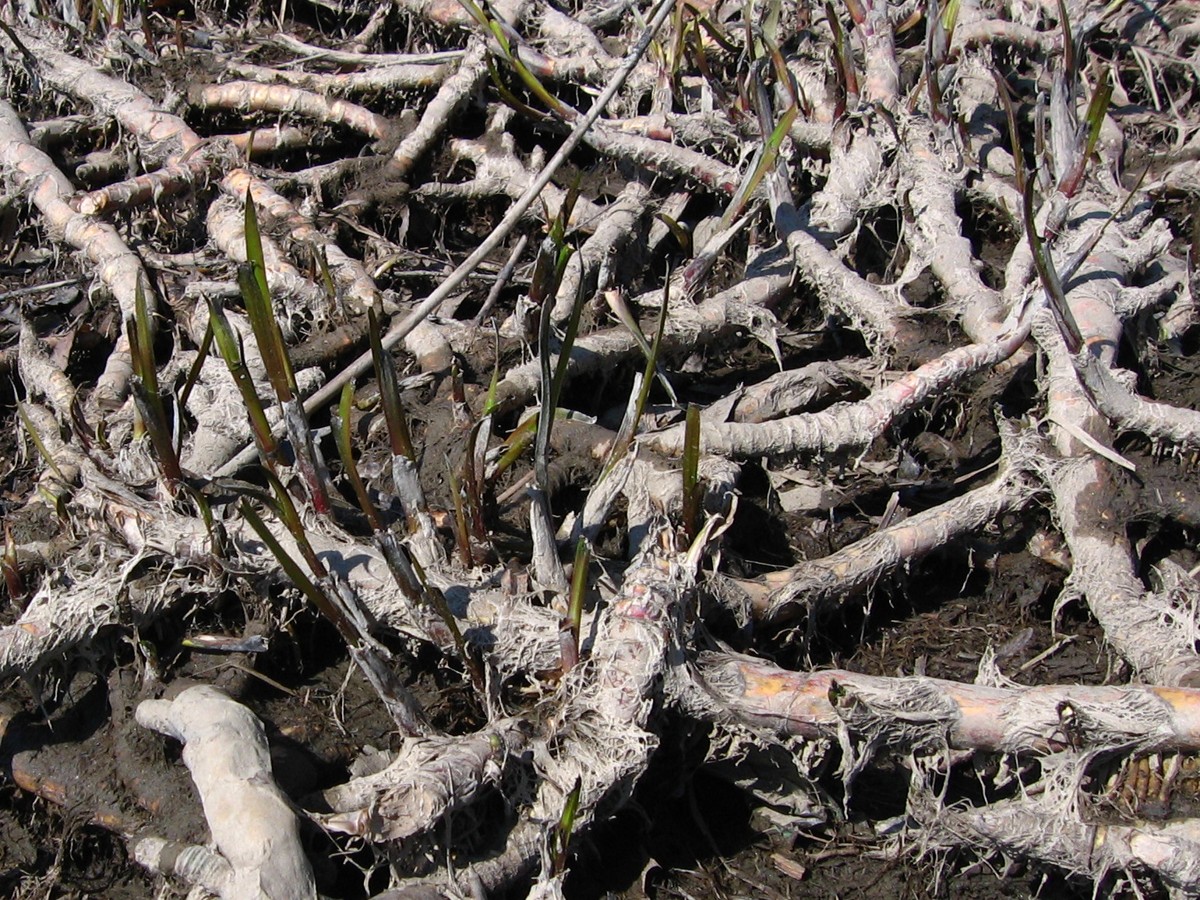


Calamus Root: Sweet Flag Rootstock Dug Out of Sap Time, Dried and Kept in Packets (Densmore, 1928; Britton & Brown, 1913)
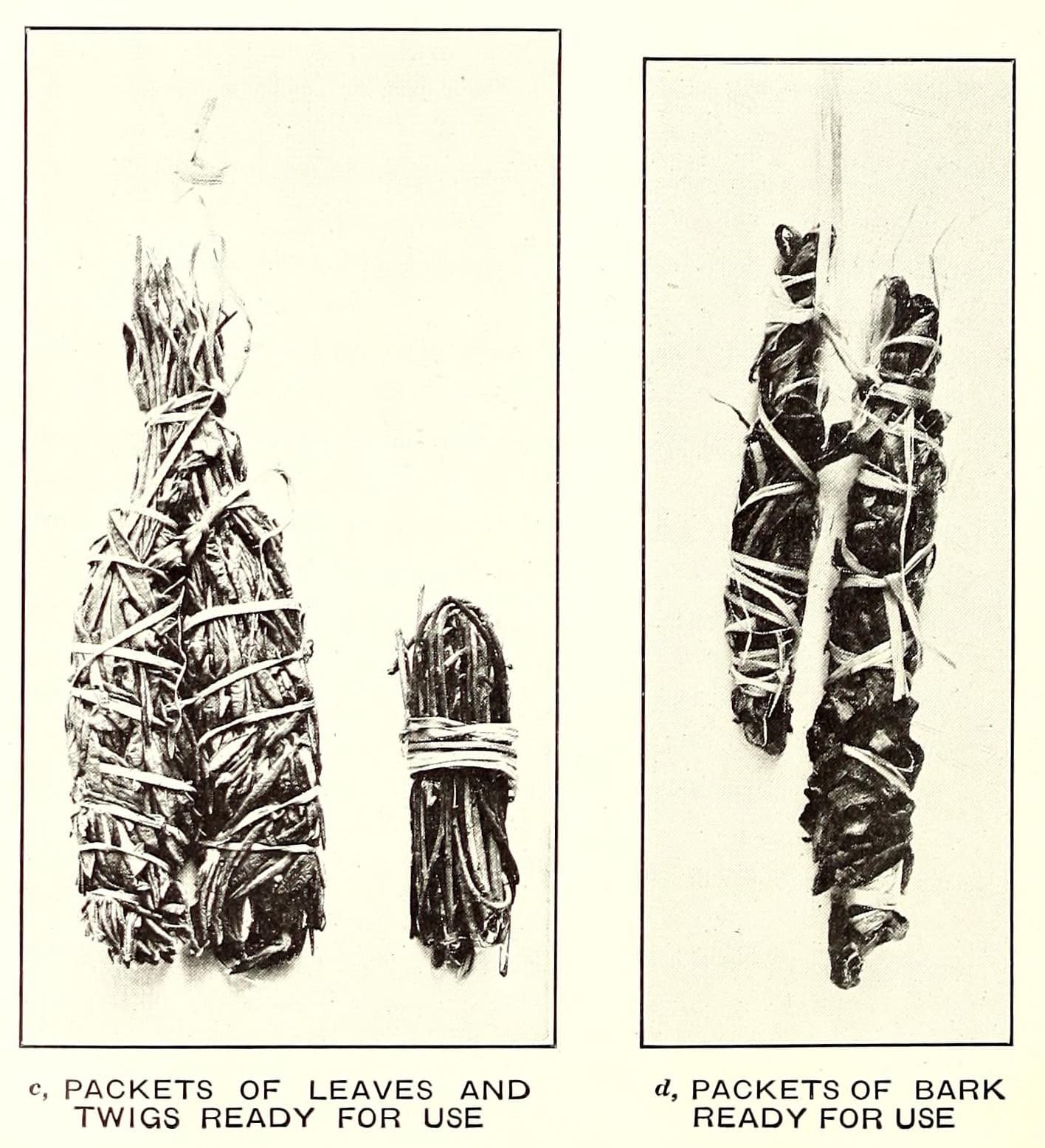
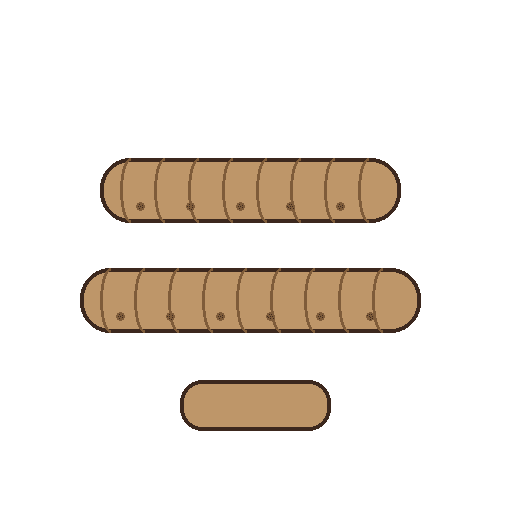
The dried rootstock of sweet flag (Acorus calamus) as the Chippewa kept it: dug out of sap time, cleaned, dried, tied in packets and bagged. For colds Densmore records it pulverized and snuffed, or as a decoction; it was so strong that a dose was measured by the length of the patient's index finger.
शुरुआती
An hour to dig, a week to dry
निर्देश
1
1
Sweet flag
Sweet flag
Harvesting sweet flag rootstocks by a pond (Wild and Mindful).
2
2
Know the plant
Know the plant
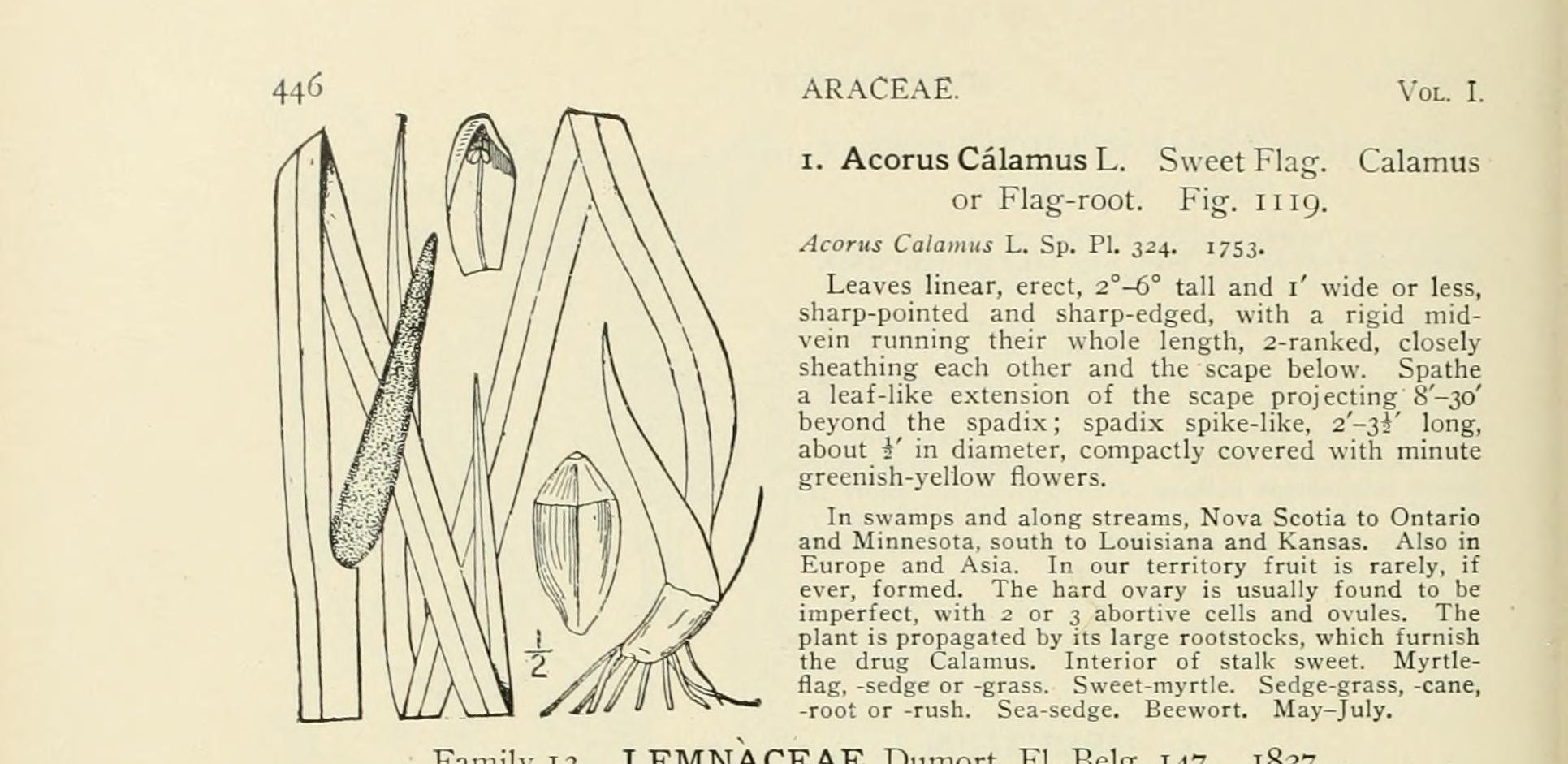
Britton and Brown (1913, vol. I, p. 446), Acorus Calamus, Sweet Flag, Calamus or Flag-root: leaves linear, erect, 2 to 6 feet tall and 1 inch wide or less, sharp-edged, with a rigid midvein the whole length; a spike-like spadix 2 to 3½ inches long, covered with minute greenish-yellow flowers; in swamps and along streams, May-July. "The plant is propagated by its large rootstocks, which furnish the drug Calamus."
3
3
What the root is for
What the root is for
Densmore (1928, pp. 340-341), for colds: calamus, part used "Root", "(1) Pulverized" and "Snuffed up nostrils", or "(2) Decoction" taken internally.

4
4
A very strong root
A very strong root
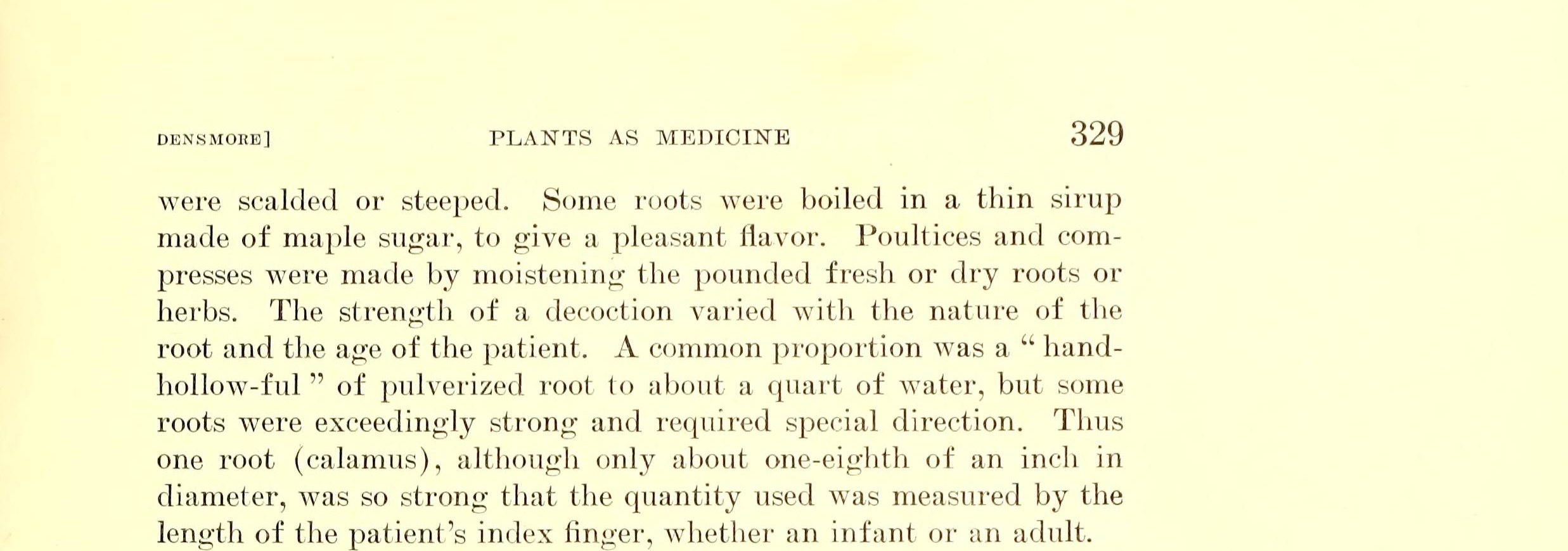
Densmore (p. 329): one root, calamus, "although only about one-eighth of an inch in diameter, was so strong that the quantity used was measured by the length of the patient's index finger, whether an infant or an adult."
5
5
Dig at the right time
Dig at the right time
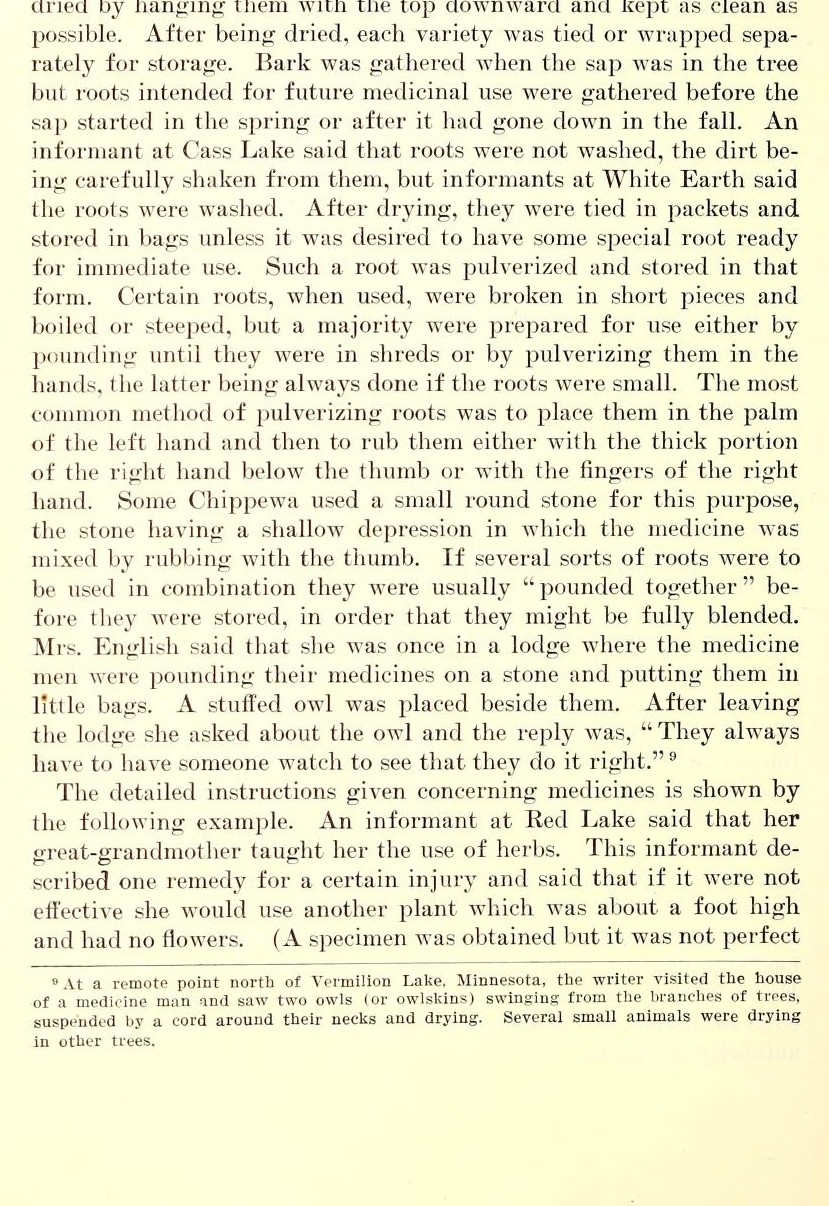
Densmore (p. 326): roots for later use were gathered "before the sap started in the spring or after it had gone down in the fall". Mark the plants in early summer and come back in autumn (ours); lift the rootstocks from the mud by hand or with a digging stick.
आवश्यक उपकरण:
 खोदने की लाठी
 बाल्टी
6
6
Clean the roots
Clean the roots
Shake the earth off carefully, as Densmore's Cass Lake informant did, or wash the roots, as at White Earth.
आवश्यक उपकरण:
बाल्टी7
7
Dry them
Dry them
Spread the roots on a drying screen in an airy, shaded place (ours) and turn them daily until they snap.
आवश्यक उपकरण:
 सुखाने का ढाँचा
8
8
Tie in packets and bag
Tie in packets and bag
After drying, tie the roots in packets and keep them in a bag, as Densmore records.
आवश्यक उपकरण:
 सूती डोरी
 लिनन का थैला
9
9
Prepare for use
Prepare for use
When needed, pound the root to shreds or pulverize it (p. 326); a mortar works too (ours).
आवश्यक उपकरण:
 खरल और मूसल
10
10
Troubleshooting
Troubleshooting
Root problems and fixes.
Flow
Loading...
11
11
Sources and honest limits
Sources and honest limits
Frances Densmore, Uses of Plants by the Chippewa Indians (1928), pp. 326, 329 and 340-341; N. L. Britton and A. Brown, An Illustrated Flora of the Northern United States, vol. I (1913), p. 446. The drying screen and mortar are ours. Be sure of the plant before digging, and dig only where it is plentiful and allowed. The cover shows calamus rootstocks (Kostka Martin, CC0, Wikimedia Commons). Not made by us yet.
आवश्यक उपकरण
6- प्लेसहोल्डर
- प्लेसहोल्डर
- प्लेसहोल्डर
- प्लेसहोल्डर
- प्लेसहोल्डर
- प्लेसहोल्डर
कनेक्टेड ब्लूप्रिंट सामग्री
यह ब्लूप्रिंट बनाता है
CC0 पब्लिक डोमेन
यह ब्लूप्रिंट CC0 के तहत जारी किया गया है। आप बिना अनुमति माँगे इस कार्य को किसी भी उद्देश्य के लिए कॉपी, संशोधित, वितरित और उपयोग करने के लिए स्वतंत्र हैं।
उनके ब्लूप्रिंट के माध्यम से उत्पाद खरीदकर मेकर का समर्थन करें जहाँ वे मेकर कमीशन कमाते हैं जो विक्रेताओं द्वारा निर्धारित होता है, या इस ब्लूप्रिंट का नया संस्करण बनाएँ और राजस्व साझा करने के लिए इसे अपने ब्लूप्रिंट में कनेक्शन के रूप में शामिल करें।