कला
सौंदर्य और कल्याण
हस्तशिल्प
संस्कृति और इतिहास
मनोरंजन
पर्यावरण
खाद्य और पेय
रिवर्स इंजीनियरिंग
विज्ञान
खेल
प्रौद्योगिकी
पहनने योग्य
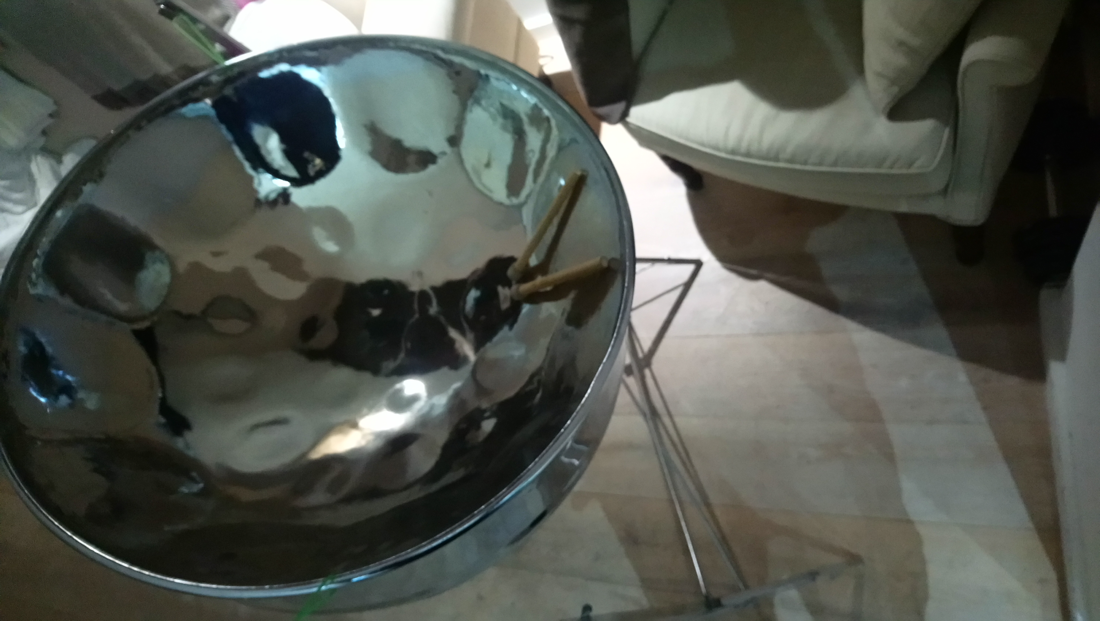
Aldric B. (Wikimedia Commons) · CC BY-SA 4.0


Building a Steelpan — Tuned Notes Hammered into an Oil Drum
Build a steelpan (steel drum): sink the end of a steel oil drum into a bowl, then hammer and tune dozens of separate note areas into that one surface, each a little steel dome that rings at its own pitch. Sink, groove, raise, temper and fine-tune. A serious metalworking build in the tuned steel diaphragm — the only acoustic instrument invented in the 20th century, born in Trinidad.
उन्नत
Many hours over several days
निर्देश
1
1
Many tuned notes on one steel skin
Many tuned notes on one steel skin
A steelpan is the end of a steel drum hammered into a bowl, with a whole scale of separate note areas beaten into that single surface. Each note is a small stretched patch of steel that, when struck, rings at just one pitch — dozens of tuned notes on one metal skin.
2
2
Sink the face
Sink the face
Hammer the flat top of the drum steadily inward until it becomes a smooth concave bowl (the 'sink'). Work from the rim inward in rings — this stretches and work-hardens the steel and is the foundation every note sits in.
इस चरण के लिए सामग्री:
 इस्पात का ड्रम (200 लीटर)1 टुकड़ा
आवश्यक उपकरण:
 गोल सिरे वाला हथौड़ा
3
3
Cut the skirt
Cut the skirt
Cut the barrel down to leave a 'skirt' of the right depth below the bowl. A SHORT skirt makes a high tenor pan; a long, near-full drum makes a deep bass pan — the skirt length sets the instrument's register.
आवश्यक उपकरण:
 हैक्सॉ
4
4
Mark out the notes
Mark out the notes
Scribe the note layout onto the bowl — a ring of oval note areas, with bigger ovals for the low notes and smaller for the high, arranged so neighbouring notes are musically related for easy playing.
आवश्यक उपकरण:
 सूआ
सूआ5
5
Groove and isolate each note
Groove and isolate each note
Hammer a groove all the way around each oval. These grooves fence each note off from its neighbours so it can vibrate on its own without setting the whole bowl ringing.
आवश्यक उपकरण:
 आड़े फन वाला हथौड़ा
6
6
Raise and shape the notes
Raise and shape the notes
From UNDERNEATH, gently hammer each oval up into a shallow dome. The size and curve of each dome sets its pitch — a smaller, tighter dome rings higher, a larger, shallower one rings lower. This is the heart of the craft.
7
7
Temper the steel
Temper the steel
Heat the whole pan over fire and let it cool. This tempering relieves the stresses from all the hammering and stabilises the steel so the notes hold their tuning and ring cleanly instead of sounding dead or buzzy.
8
8
Fine-tune every note
Fine-tune every note
Tap each note and listen. Working with light hammer taps you tune not just the main pitch but its OVERTONES — a good pan note is shaped so its octave and its fifth ring true along with the fundamental, which is what gives the steelpan its shimmering, chime-like voice.
आवश्यक उपकरण:
 धातु रेती
9
9
Play with pan sticks
Play with pan sticks
Strike the notes with a pair of straight sticks tipped with rubber. The rubber softens the attack so the steel sings rather than clangs. Set the pan on a stand and play.
10
10
Compendium — the tuned steel diaphragm
Compendium — the tuned steel diaphragm
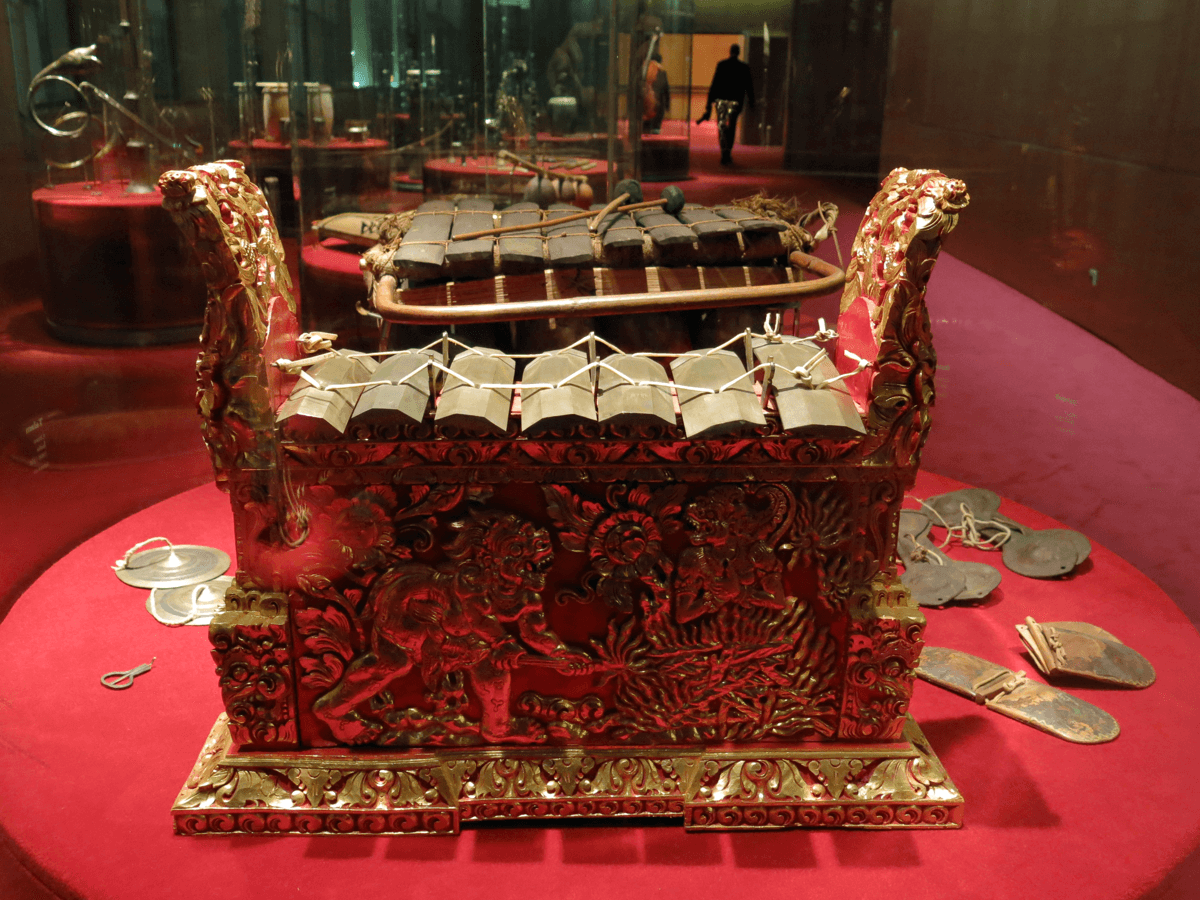
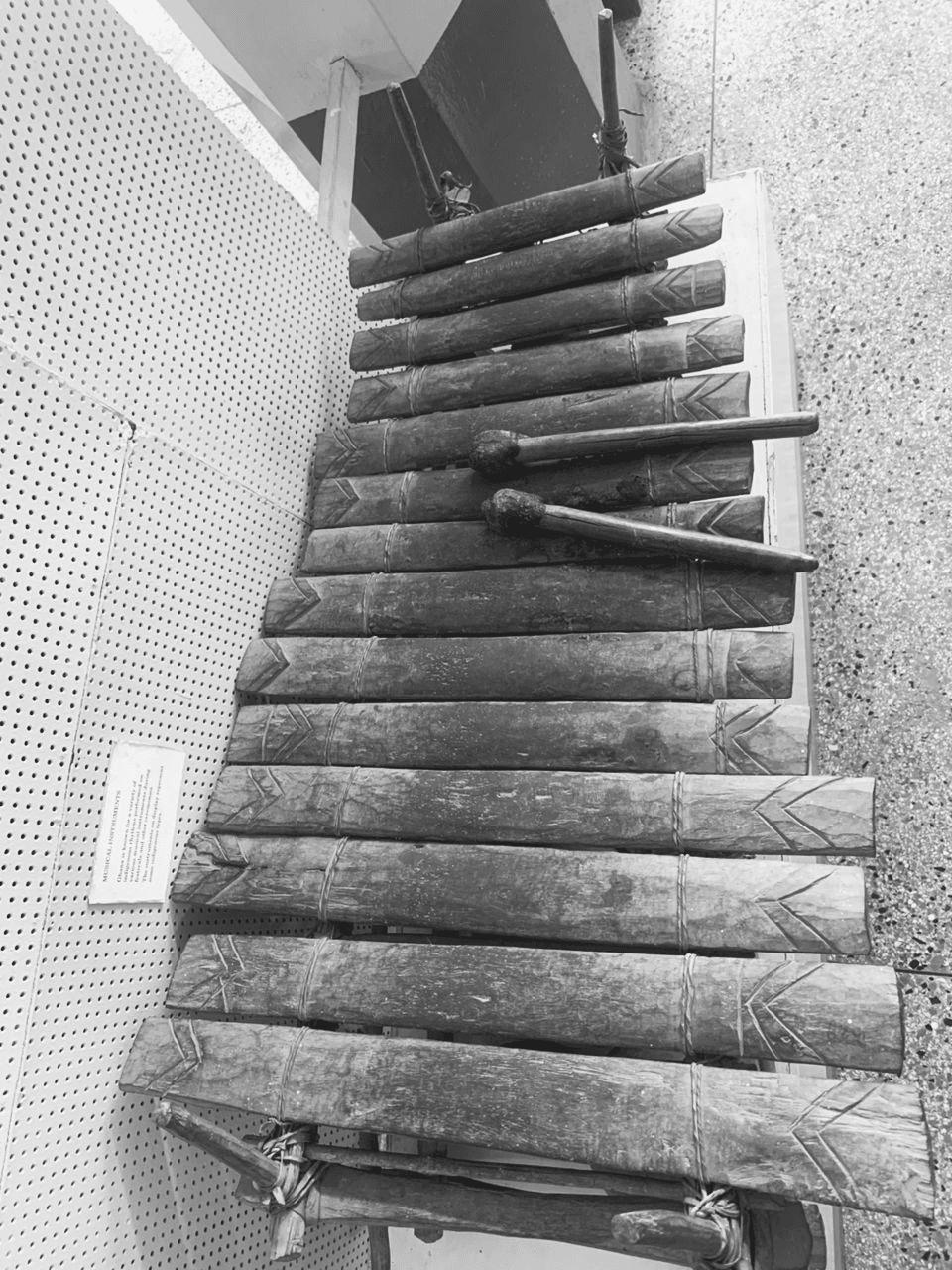
The steelpan is an idiophone — the metal itself vibrates — but it is unlike any other. A gong or a cymbal is one big plate that rings with a clangourous jumble of pitches; the saron's bars and the balafon's slats are each a SEPARATE tuned bar. The steelpan's breakthrough is to put MANY separately-tuned areas onto ONE continuous sheet of steel. Each note is a little domed diaphragm — a patch of the bowl stretched and curved by hammering — and like any stretched vibrating surface its pitch depends on its size, its curvature and how tightly the metal is stressed: smaller, more sharply-domed areas ring higher, larger flatter ones ring lower. The groove hammered around each note acts as a fence, reflecting the vibration back so the note rings on its own without leaking into its neighbours. And the true art is OVERTONE tuning: the pan-maker shapes each dome so that its natural overtones fall on a real octave and fifth above the main note, so every strike sounds a built-in chord — that is the secret of the instrument's bright, bell-like shimmer, and it is the same harmonic-tuning idea a bell-founder uses. Sinking the bowl and hammering the steel also work-hardens it, and the final tempering by fire sets everything stable. The steelpan was invented in Trinidad and Tobago in the 1930s and 40s, hammered out of discarded oil drums by communities who had been banned from playing skin drums — the one brand-new acoustic instrument family of the twentieth century, and proof that even industrial scrap can be tuned into song.
सामग्री
1- 1 टुकड़ाप्लेसहोल्डर
यह ब्लूप्रिंट बनाता है

संबंधित ब्लूप्रिंट
ये ब्लूप्रिंट ज्ञान साझा करते हैं — तकनीक, सामग्री या सिद्धांत
CC0 पब्लिक डोमेन
यह ब्लूप्रिंट CC0 के तहत जारी किया गया है। आप बिना अनुमति माँगे इस कार्य को किसी भी उद्देश्य के लिए कॉपी, संशोधित, वितरित और उपयोग करने के लिए स्वतंत्र हैं।
उनके ब्लूप्रिंट के माध्यम से उत्पाद खरीदकर मेकर का समर्थन करें जहाँ वे मेकर कमीशन कमाते हैं जो विक्रेताओं द्वारा निर्धारित होता है, या इस ब्लूप्रिंट का नया संस्करण बनाएँ और राजस्व साझा करने के लिए इसे अपने ब्लूप्रिंट में कनेक्शन के रूप में शामिल करें।