هنر
زیبایی و سلامت
صنایع دستی
فرهنگ و تاریخ
سرگرمی
محیط زیست
غذا و نوشیدنی
مهندسی معکوس
علوم
ورزش
فناوری
پوشیدنیها
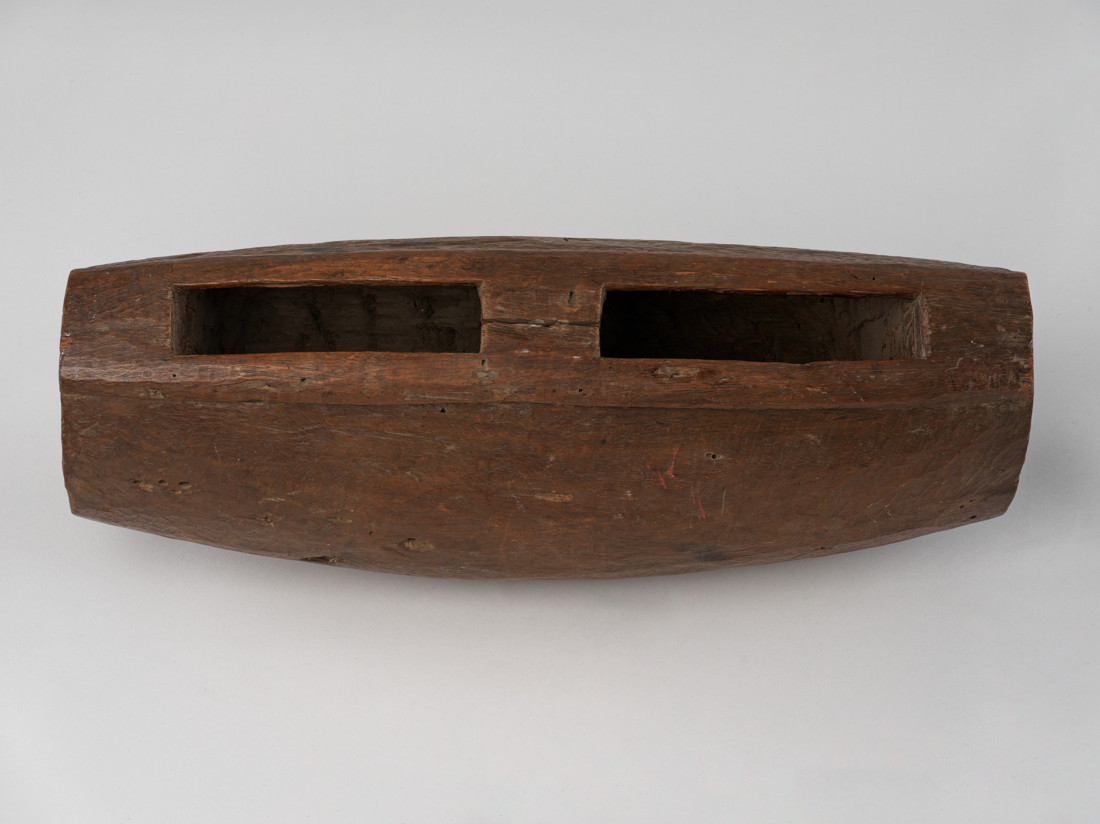
Brücke-Museum, Berlin · CC0 1.0 (Public Domain Dedication)


Carving a Slit Drum — The Hollow Log That Talks
Carve a slit drum: a hollow log with an H-shaped slit that leaves two wooden tongues of different pitch, struck with mallets. Hollow the log through the slit, cut and tune the two tongues, and play. A serious maker build in the slit idiophone — a skinless drum that speaks in two or more tones, used to send messages across the forest.
متوسط
Several hours over a couple of sessions
دستورالعملها
1
1
A drum with no skin
A drum with no skin
A slit drum is a hollow log with a long slit cut in the top. The slit leaves flaps of wood — tongues — and striking a tongue makes it ring. Cut two tongues of different size and you have a drum that speaks in two tones, with no skin at all.
2
2
Get a solid block or log
Get a solid block or log
Start from a solid, dense, well-dried block or short log — the harder the wood, the brighter and longer the ring. Flatten the top face where the slit will go.
مواد مورد نیاز این مرحله:
 تختهٔ چوب خون1 قطعه
ابزارهای مورد نیاز:
 ارهٔ آهنبر
3
3
Cut the H-slit
Cut the H-slit
Cut a long slot down the top, then a short cross-cut at each end — an 'H' or 'I' shape. This leaves TWO tongues of wood between the arms of the H, one on each side of the central slit.
ابزارهای مورد نیاز:
 مجموعهٔ اسکنه
4
4
Hollow it out
Hollow it out
Working THROUGH the slit, chisel out the inside of the log to leave a large hollow chamber under the tongues, with the tongues and walls left fairly thin. This cavity is the resonator that gives the drum its boom.
5
5
Shape two different tongues
Shape two different tongues
Make the two tongues DIFFERENT — cut one longer or thinner than the other. The bigger, thinner tongue rings low ('male'); the shorter, thicker one rings high ('female'). Two clear pitches is the whole point.
ابزارهای مورد نیاز:
 چاقوی اسلوید
6
6
Tune the tongues
Tune the tongues
Tune each tongue by shaving wood: thin the UNDERSIDE (or lengthen the slit) to lower its note, or trim the tip to raise it — exactly how a xylophone bar or a marimba key is tuned.
7
7
Play with mallets
Play with mallets
Strike the tongues with two soft mallets — the low tongue and the high tongue give a two-tone pattern. In much of Africa, the Pacific and the Americas these two tones were used to send messages and call the village across long distances.
مواد مورد نیاز این مرحله:
 میلهٔ دوبل چوبی1 قطعه
8
8
Compendium — the slit idiophone
Compendium — the slit idiophone
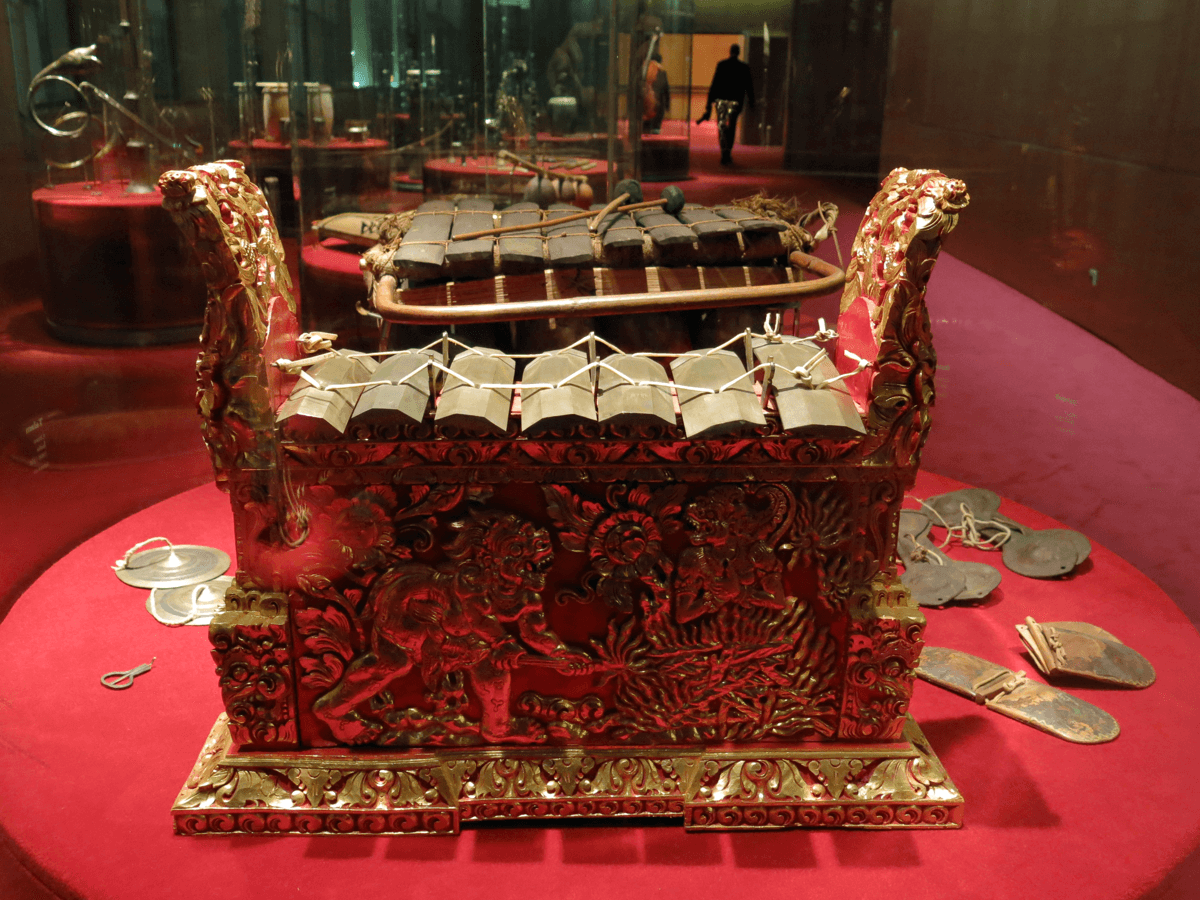
The slit drum is misnamed: it is not really a drum at all. A true drum (a membranophone like the hide drum or the djembe) makes its sound on a stretched SKIN; the slit drum has no skin — the sound comes from the WOOD itself vibrating, which makes it an idiophone, the same family as the xylophone, the balafon and the gamelan's metal bars. Each tongue is a little bar of wood fixed along one edge and free along the slit, so when you strike it it flexes and rings, and just like any tuned bar its pitch rises when it is shorter, thicker or stiffer and falls when it is longer or thinner — which is why you tune it by shaving wood from the underside (lower) or the tip (higher). What the hollow log adds is a big enclosed air cavity beneath the tongues that acts as a resonator, swelling and deepening the note the way a marimba's tube or a balafon's gourd does, and the long slit lets that boom escape. Because you can cut two, three or more tongues of different pitch in one log, the slit drum can carry not just rhythm but the actual up-and-down TONES of speech — in West and Central Africa and across the Pacific the big slit gongs were true 'talking drums', drumming the melody of spoken phrases to send news for miles. It is one of the most widespread instruments on Earth, invented independently wherever people had big trees and something to say.
مواد
2- 1 قطعهجایگزین
- 1 قطعهجایگزین
ابزارهای لازم
3- جایگزین
- جایگزین
- جایگزین
نقشههای مرتبط
این نقشهها دانش مشترکی دارند — تکنیکها، مواد یا اصول
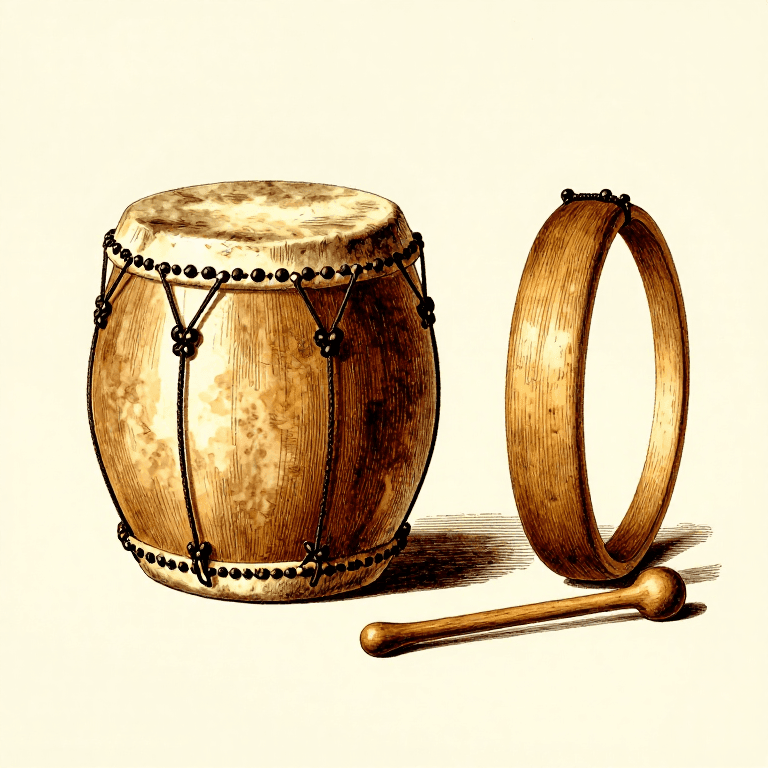

CC0 مالکیت عمومی
این نقشه تحت مجوز CC0 منتشر شده است. شما آزاد هستید آن را کپی، ویرایش، توزیع و برای هر هدفی بدون نیاز به اجازه استفاده کنید.
با خرید محصولات از طریق نقشه از سازنده حمایت کنید و او کمیسیون سازنده تعیین شده توسط فروشندگان، دریافت میکند یا یک نسخه جدید از این نقشه ایجاد کنید و آن را به عنوان اتصال در نقشه خود قرار دهید تا درآمد به اشتراک گذاشته شود.