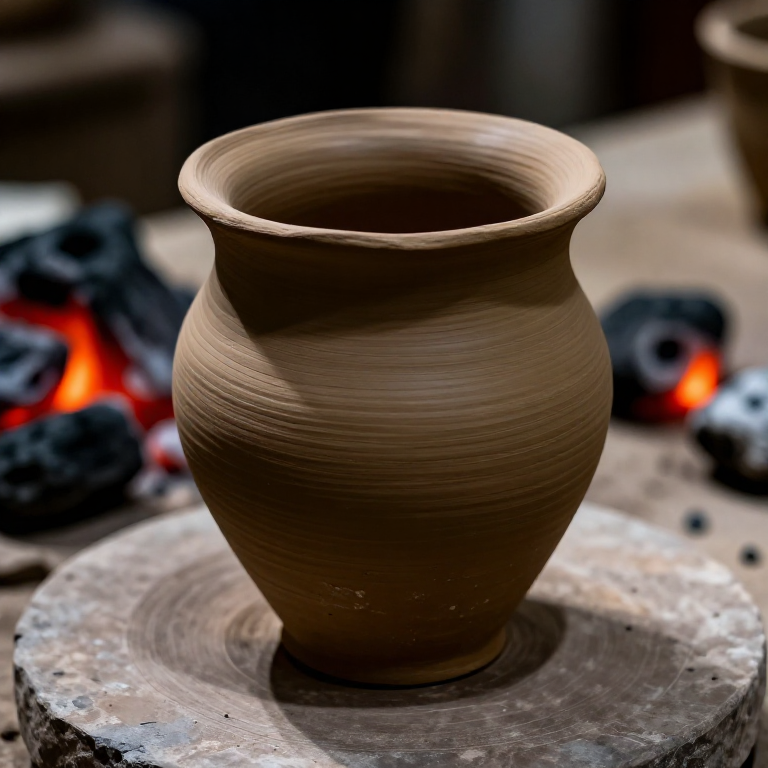


Making a Clay Crucible for Smelting — The Vessel That Holds Molten Metal
The clay crucible is the most essential tool in early metallurgy — a hand-formed vessel of refractory clay and grog that can withstand the 1,100 °C temperatures needed to melt copper and bronze. Without it, smelting is impossible.
This blueprint follows the Bronze Age method of mixing local clay with crushed pottery (grog) to create a thermal-shock-resistant vessel. The grog opens the clay body, allowing steam to escape during firing instead of shattering the crucible. The thick walls and tapered form channel heat inward while the pouring lip allows controlled transfer of molten metal into moulds.
Every bronze tool, weapon, and ornament of the ancient world began inside a vessel like this one.
دستورالعملها
Collect and prepare the clay
Collect and prepare the clay
مواد مورد نیاز این مرحله:
 رس نسوز2 کیلوگرم
Crush fired pottery into grog
Crush fired pottery into grog
مواد مورد نیاز این مرحله:
 شاموت (سفالِ پخته و کوبیده)500 گرم
Mix the crucible body
Mix the crucible body
مواد مورد نیاز این مرحله:
 ماسهٔ کوارتز200 گرم
 آب500 میلیلیتر
ابزارهای مورد نیاز:
 لوح سنگی تخت
 چوب همزن
Wedge the clay to remove air
Wedge the clay to remove air
Form the base
Form the base
Build up the walls with coils
Build up the walls with coils
Smooth and compress the walls
Smooth and compress the walls
ابزارهای مورد نیاز:
 سنگ صاف
Form the pouring lip
Form the pouring lip
Thicken the base and lower walls
Thicken the base and lower walls
Dry the crucible slowly
Dry the crucible slowly
Pre-heat near a fire
Pre-heat near a fire
Fire the crucible in a kiln
Fire the crucible in a kiln
Inspect and test
Inspect and test
مواد
5- 2 کیلوگرمجایگزین
- 500 گرمجایگزین
- 200 گرمجایگزین
- 500 میلیلیترجایگزین
- 1 قطعهجایگزین
مواد نقشههای متصل
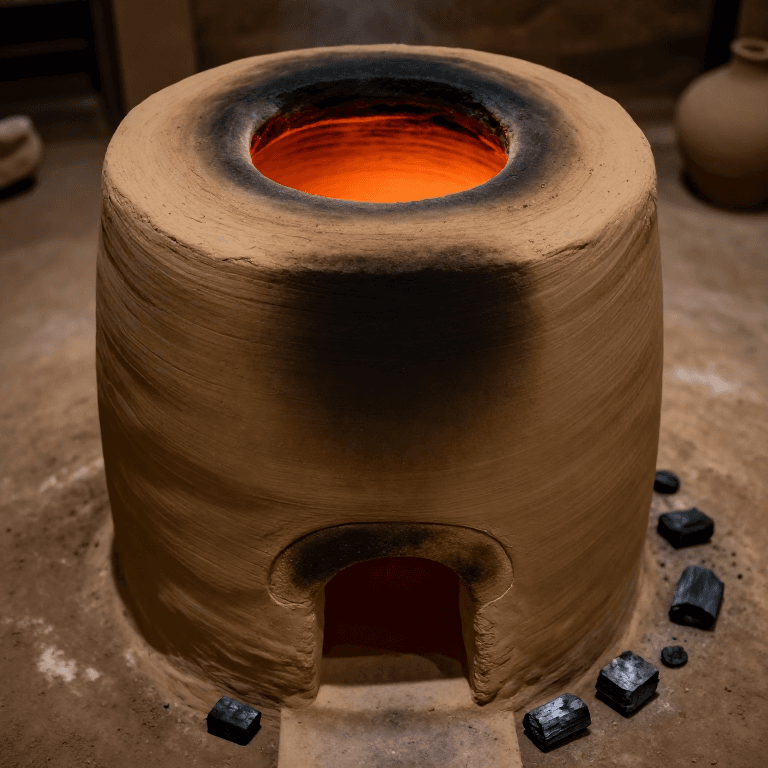
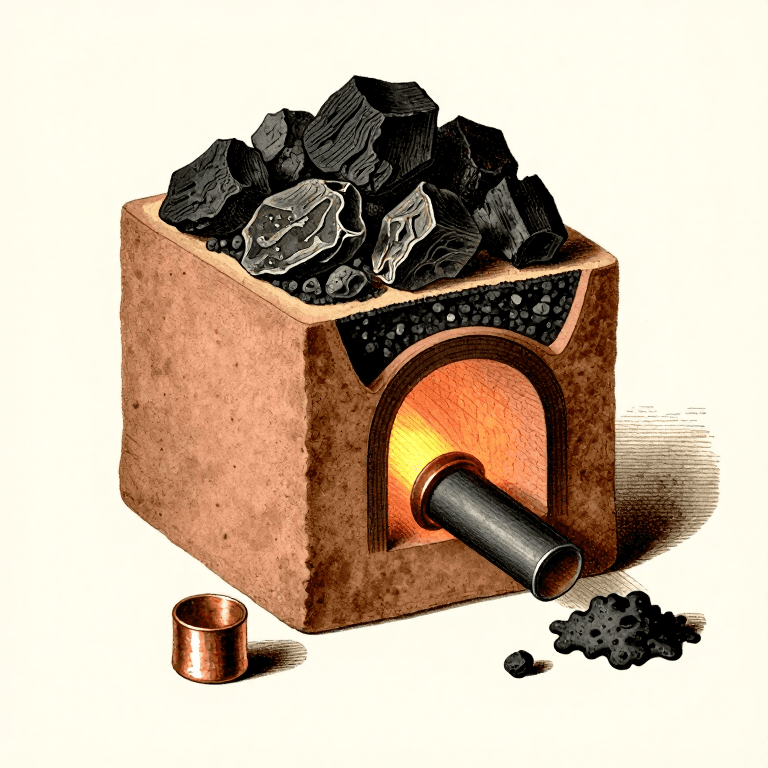
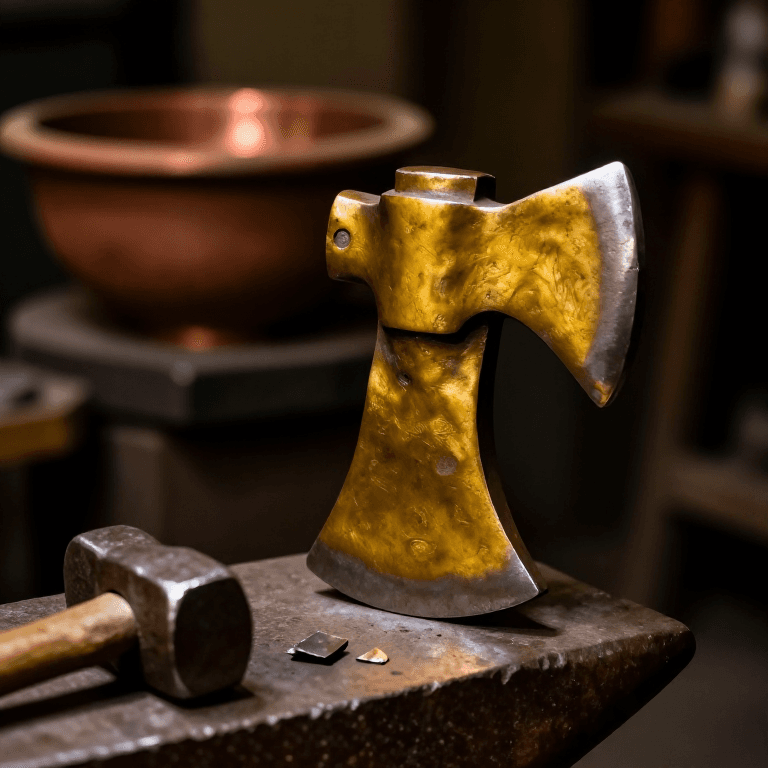
نقشههای مرتبط
این نقشهها دانش مشترکی دارند — تکنیکها، مواد یا اصول

CC0 مالکیت عمومی
این نقشه تحت مجوز CC0 منتشر شده است. شما آزاد هستید آن را کپی، ویرایش، توزیع و برای هر هدفی بدون نیاز به اجازه استفاده کنید.
با خرید محصولات از طریق نقشه از سازنده حمایت کنید و او کمیسیون سازنده تعیین شده توسط فروشندگان، دریافت میکند یا یک نسخه جدید از این نقشه ایجاد کنید و آن را به عنوان اتصال در نقشه خود قرار دهید تا درآمد به اشتراک گذاشته شود.