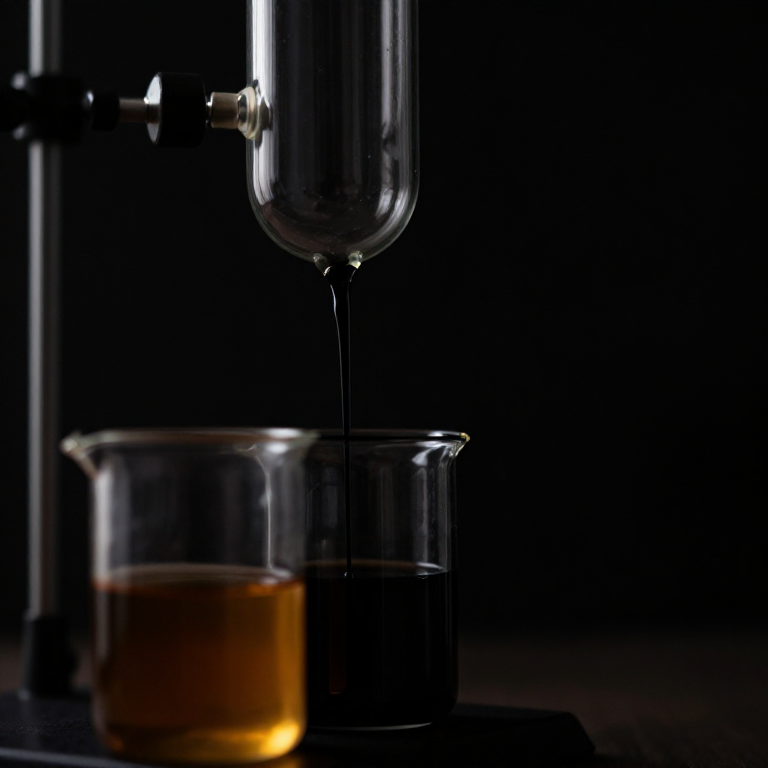

Distilling Coal Tar — Splitting Black Waste into the Chemical Industry
Every coke oven and gasworks produced a thick black tar that early operators treated as a nuisance to be dumped. Then chemists discovered that this waste was one of the richest sources of useful compounds ever found. Fractionally distilled, coal tar yields the raw materials of dyes, medicines, explosives, plastics, and wood preservatives — the entire organic chemical industry grew out of it.
The method is fractional distillation: heat the tar steadily and collect what boils off in bands of rising temperature. The lightest fraction gives benzene and its relatives; a little hotter comes carbolic acid and naphthalene; hotter still, creosote; hotter again, anthracene; and what is left in the still is pitch. Each band is a different family of chemicals with a different use.
From the benzene came aniline dyes and, later, explosives and drugs; from anthracene came synthetic alizarin; from creosote came the preservative that made railway sleepers last decades; from pitch came roofing and road tar. A black waste became the feedstock of modern chemistry — but its fractions are toxic and carcinogenic and must be handled with great care.
محتوای خطرناک
این بلوپرینت شامل روشهای خطرناک است. وارد شوید و محتوای خطرناک را در تنظیمات حساب خود فعال کنید تا دستورالعملهای مرحله به مرحله را مشاهده کنید.
ورودنقشههای مرتبط
این نقشهها دانش مشترکی دارند — تکنیکها، مواد یا اصول
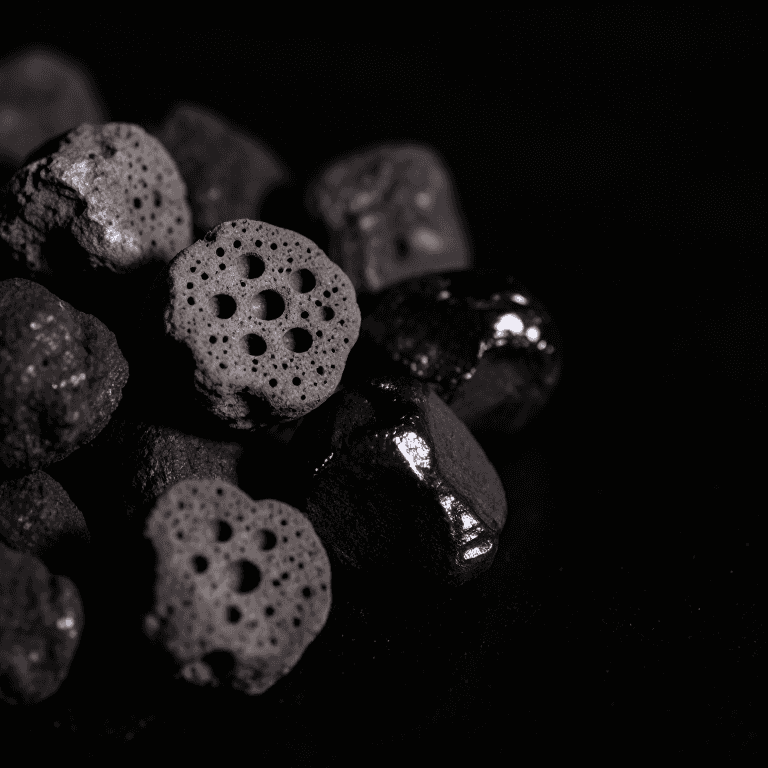
Making Coke from Coal — The Smokeless Fuel That Forged the Industrial Revolution
توسط Gimli
فلزکاری
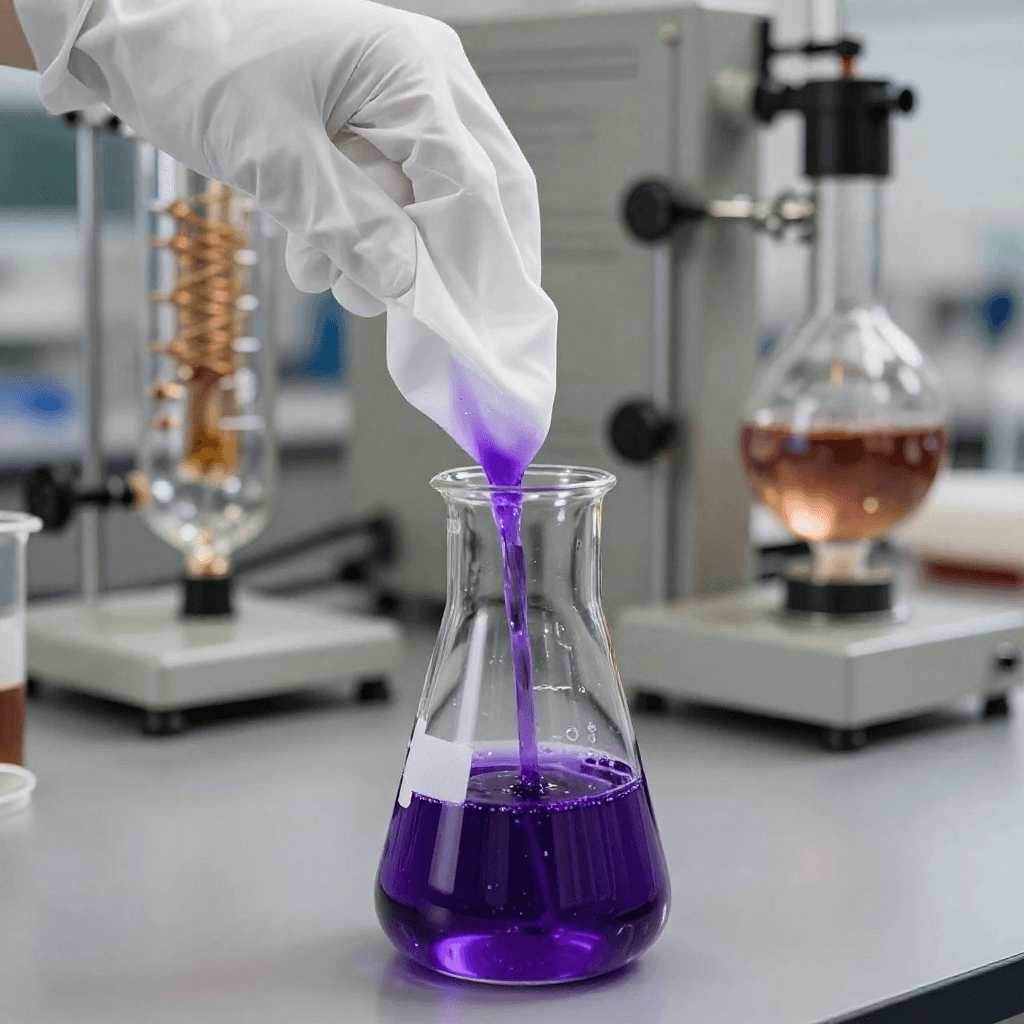
Perkin's Mauveine — The First Synthetic Aniline Dye from Coal Tar
توسط Tex
منسوجات و چرم
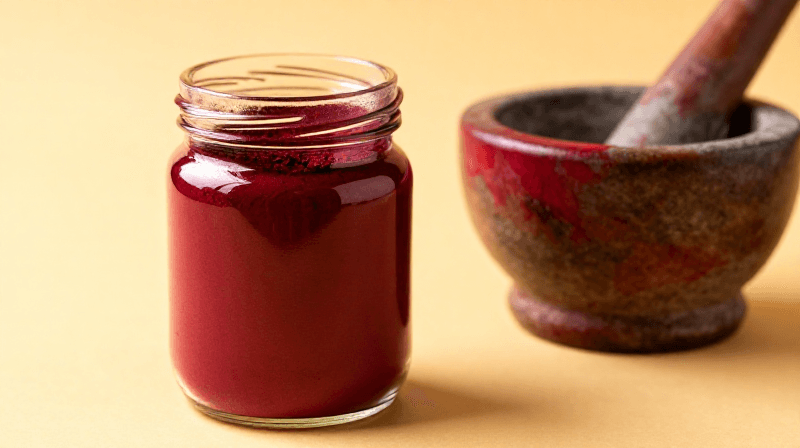
Making Synthetic Alizarin Crimson — The Coal Tar Pigment That Destroyed the Madder Industry
توسط Charlie
هنر
CC0 مالکیت عمومی
این نقشه تحت مجوز CC0 منتشر شده است. شما آزاد هستید آن را کپی، ویرایش، توزیع و برای هر هدفی بدون نیاز به اجازه استفاده کنید.
با خرید محصولات از طریق نقشه از سازنده حمایت کنید و او کمیسیون سازنده تعیین شده توسط فروشندگان، دریافت میکند یا یک نسخه جدید از این نقشه ایجاد کنید و آن را به عنوان اتصال در نقشه خود قرار دهید تا درآمد به اشتراک گذاشته شود.