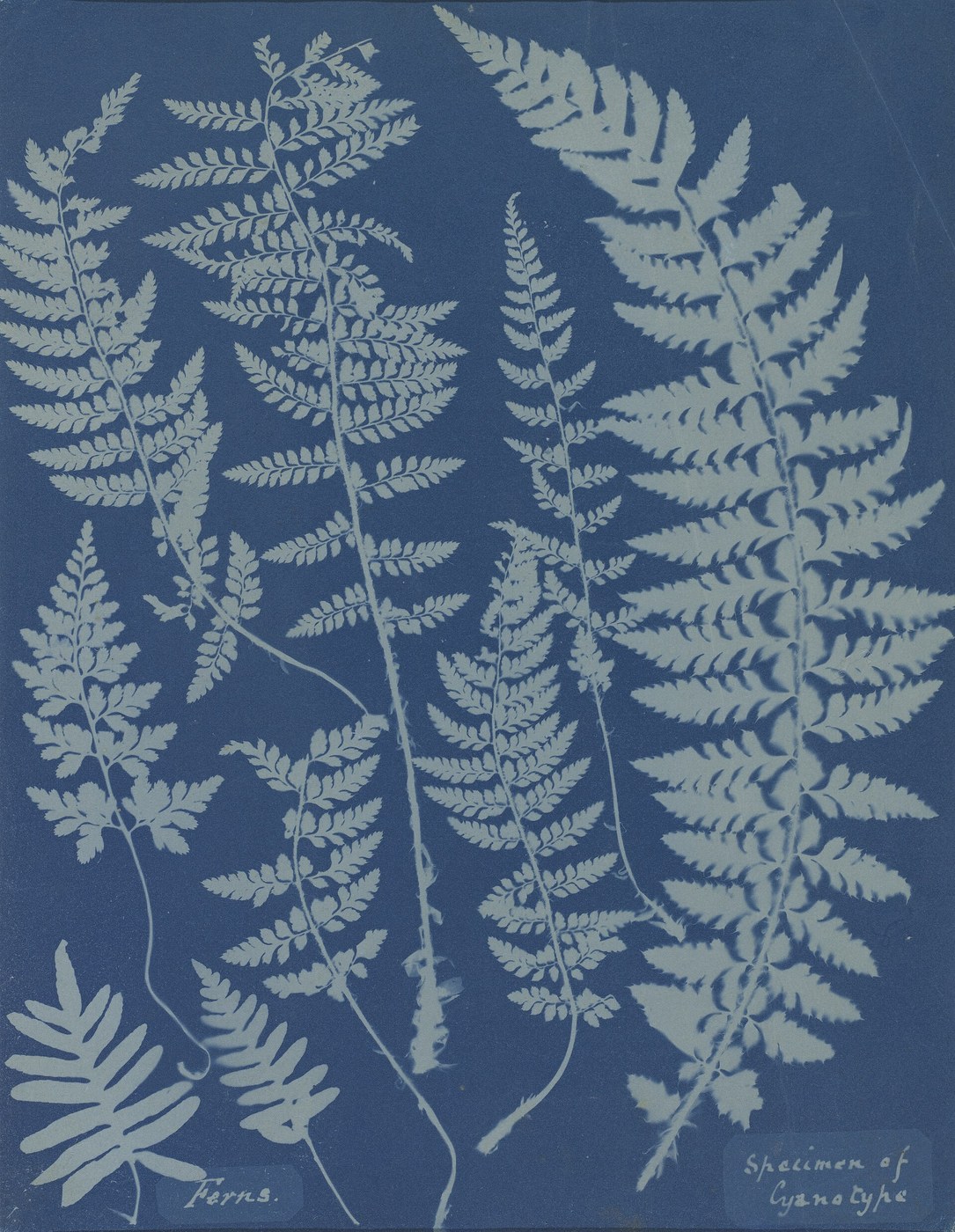


Cyanotype Print
The cyanotype is where the word blueprint comes from. Sir John Herschel invented it in 1842, and he was not trying to make art — he wanted a cheap way to copy mathematical tables. It was quickly adopted for reproducing technical drawings, and for the better part of a century an engineering drawing was literally a white line on a blue ground.
The chemistry is two iron salts: ferric ammonium citrate and potassium ferricyanide. Brushed onto paper and dried in the dark, the coating is sensitive to ultraviolet. Where UV strikes it, the iron is reduced and reacts to form Prussian blue, which lodges permanently between the paper fibres. Where something blocked the light, it washes away white.
No darkroom, no enlarger, no developer. Sunlight and water. It remains one of the oldest photographic processes still in everyday use.
محتوای خطرناک
این بلوپرینت شامل روشهای خطرناک است. وارد شوید و محتوای خطرناک را در تنظیمات حساب خود فعال کنید تا دستورالعملهای مرحله به مرحله را مشاهده کنید.
CC0 مالکیت عمومی
این نقشه تحت مجوز CC0 منتشر شده است. شما آزاد هستید آن را کپی، ویرایش، توزیع و برای هر هدفی بدون نیاز به اجازه استفاده کنید.
با خرید محصولات از طریق نقشه از سازنده حمایت کنید و او کمیسیون سازنده تعیین شده توسط فروشندگان، دریافت میکند یا یک نسخه جدید از این نقشه ایجاد کنید و آن را به عنوان اتصال در نقشه خود قرار دهید تا درآمد به اشتراک گذاشته شود.