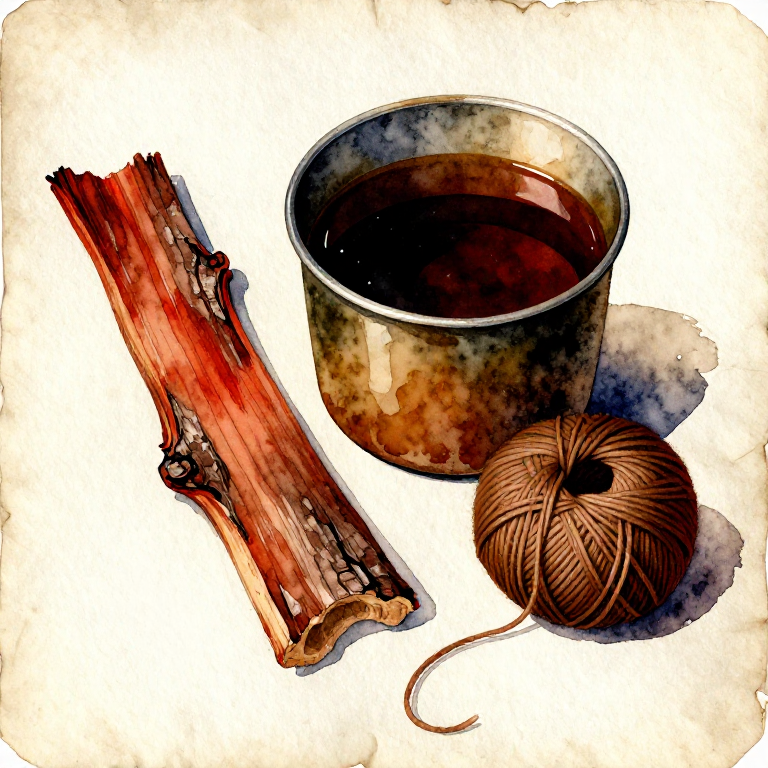


Dyeing Brown-Black with Alder Bark — The Northern European Dark Dye
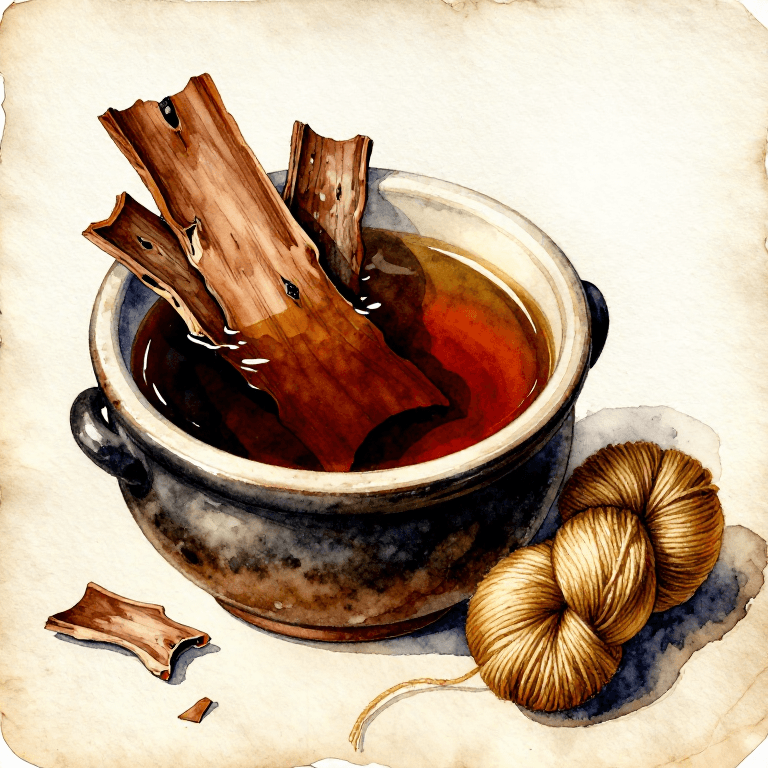
Alder (Alnus glutinosa and related species) is a water-loving tree found along rivers, streams, and wetlands across Europe and temperate Asia. Its bark is exceptionally rich in tannins — up to 20% by dry weight — making it one of the most important dye and tanning materials in northern European history. On alum-mordanted wool, alder bark produces warm brown shades. With iron modification, it shifts to deep grey-brown to near-black — the primary route to dark colours in regions where logwood and other tropical dyewoods were unavailable.
Alder has a unique ecological role: its root nodules fix atmospheric nitrogen through symbiosis with Frankia bacteria, enriching the soil around it. This makes alder a pioneer species that colonises poor, waterlogged ground. Its prevalence along waterways made it one of the most accessible dye sources for rural communities across northern Europe. Archaeological evidence of alder bark dyeing dates to the Neolithic period — it was among the first bark dyes used by early European settlers after the last Ice Age.
In the Scandinavian and Celtic dyeing traditions, alder bark was the foundation for dark shades. Combined with iron mordanting (iron saddening), alder bark produced the dark browns, greys, and near-blacks needed for workwear and outer garments. The bark also served double duty as a leather tanning agent — alder-tanned leather has a distinctive reddish-brown tone still valued by traditional leatherworkers.
دستورالعملها
Harvest and weigh the alder bark
Harvest and weigh the alder bark
Use 100-200% WOF of dried alder bark. For 100 g of wool, weigh out 100-200 g of dried bark. Harvest bark from freshly cut branches or fallen timber — the inner bark (cambium) is richest in tannins and should be a reddish-orange when fresh. Strip bark from branches with a drawknife or sharp knife, then dry in shade for 1-2 weeks. Break dried bark into 3-5 cm pieces. Fresh bark can be used immediately at double the weight.
مواد مورد نیاز این مرحله:
 پوست درخت توسکا (خشک)150 گرم
ابزارهای مورد نیاز:
 ترازوی دیجیتال آشپزخانه
Soak the bark overnight in warm water
Soak the bark overnight in warm water
Place the bark pieces in a dye pot with 4 litres of warm water and soak overnight (8-12 hours). The water will turn a deep reddish-brown within the first hour as tannins dissolve rapidly from the bark. By morning, the liquid should be a rich, dark brown with a reddish undertone. The bark pieces will have softened and darkened.
ابزارهای مورد نیاز:
 قابلمهٔ بزرگ آبگوشت
Simmer at 80°C for 45 minutes
Simmer at 80°C for 45 minutes
Bring the pot to a gentle simmer (80°C) and hold for 45 minutes. Stir occasionally. The liquid will deepen to a very dark reddish-brown. Alder bark extracts efficiently at moderate temperatures — longer simmering does not significantly increase colour depth but can make the dye bath muddier. The bark will darken and become soft and pulpy.
ابزارهای مورد نیاز:
 دماسنج آشپزی
 قاشق چوبی همزدن
Strain out the bark
Strain out the bark
Strain the dye liquor through a fine mesh strainer into a clean pot. Press the bark to extract all remaining liquid. Bark fragments will tangle with wool and cause uneven spots — strain thoroughly. The strained liquor should be a deep, clear reddish-brown.
ابزارهای مورد نیاز:
 الک ریزبافت
Dye wool at 80°C for 45 minutes
Dye wool at 80°C for 45 minutes
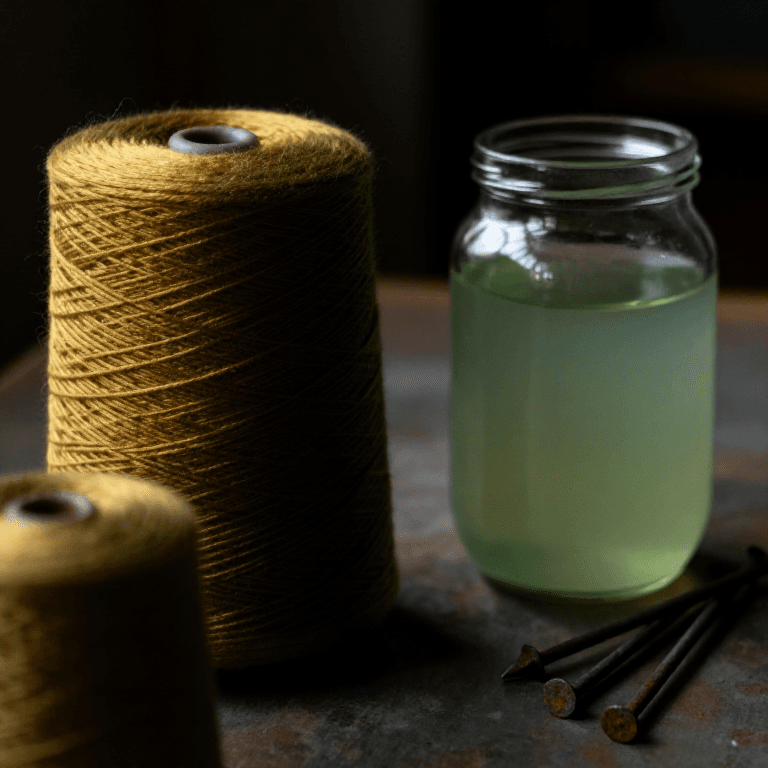
Pre-wet wool in lukewarm water for 15 minutes, squeeze gently, and lower into the alder bark dye bath at room temperature. Slowly raise to 80°C and hold for 45 minutes. Turn gently every 10 minutes. Alder bark tannins bond directly to protein fibres — no mordant is strictly required for brown shades. However, alum mordanting gives a warmer, more golden brown, while iron modification after dyeing shifts the colour dramatically toward dark grey-brown or near-black. For the darkest shades, dip the dyed wool briefly in iron water after the alder bark bath.
مواد مورد نیاز این مرحله:
 کلاف نخ پشمی100 گرم
Cool, rinse, and dry
Cool, rinse, and dry
Turn off the heat and let the wool cool in the dye bath overnight. Remove, squeeze gently, and rinse in lukewarm water until the runoff is mostly clear. The final colour without modifiers is a warm, reddish-brown — deeper and more red-toned than oak bark. With iron modification, alder bark produces one of the most convincing near-blacks achievable from a European tree bark, rivalling logwood. Washfastness is excellent due to the strong tannin-fibre bond. Lightfastness is good. Dry in shade.
مواد
2- 150 گرمجایگزین
- 100 گرمجایگزین
ابزارهای لازم
5- جایگزین
- جایگزین
- جایگزین
- جایگزین
- جایگزین
مواد نقشههای متصل
این نقشه میسازد
نقشههای مرتبط
این نقشهها دانش مشترکی دارند — تکنیکها، مواد یا اصول
CC0 مالکیت عمومی
این نقشه تحت مجوز CC0 منتشر شده است. شما آزاد هستید آن را کپی، ویرایش، توزیع و برای هر هدفی بدون نیاز به اجازه استفاده کنید.
با خرید محصولات از طریق نقشه از سازنده حمایت کنید و او کمیسیون سازنده تعیین شده توسط فروشندگان، دریافت میکند یا یک نسخه جدید از این نقشه ایجاد کنید و آن را به عنوان اتصال در نقشه خود قرار دهید تا درآمد به اشتراک گذاشته شود.