

جدولهای کاهش فشار هالدین
دستورالعملها
بیرون آمدن حبابها از محلول را ببینید
بیرون آمدن حبابها از محلول را ببینید
کل این سازوکار در یک بطری آب گازدار دیده میشود و این تشبیه بسیار نزدیک است، با یک محدودیت که در پایان گفته میشود.
- یک بطری دربستهی نوشیدنی گازدار بردارید و نگاهش کنید: مایع شفاف، بدون حباب، گاز با فشار در محلول نگه داشته شده است.
- آن را آهسته باز کنید و شکلگرفتن حبابها در سراسر مایع را تماشا کنید.
- دوباره ببندید، تکان دهید و سریع باز کنید: ببینید گاز چقدر شدیدتر خارج میشود.
- حالا بطری دوم را آهسته و مرحلهبهمرحله باز کنید و میان هر بار تخلیه در را ببندید.
گاز تا وقتی فشار نگهش دارد حلشده میماند و وقتی فشار افت کند از محلول بیرون میآید؛ و سرعت بیرون آمدنش به این بستگی دارد که فشار را با چه سرعتی پایین بیاورید. تخلیهی مرحلهای کف بسیار کمتری از تخلیهی ناگهانی تولید میکند.
همین مشاهدهی آخر، خودِ عمل کاهش فشار است. غواص بطری است، نیتروژن گاز حلشده است، و بالا آمدن یعنی باز کردن در.
این تشبیه یک محدودیت دارد که باید گفته شود: در بطری گاز از سطح فرار میکند، اما در غواص حبابها درون بافتها و رگهای خونی شکل میگیرند و در آنجا جریان خون را میبندند و بر عصبها فشار میآورند. بیماری کاهش فشار ناراحتی ناشی از گاز نیست؛ آسیبی مکانیکی است که حبابها در جاهایی که جایی برایشان نیست ایجاد میکنند.مواد مورد نیاز این مرحله:
 آب گازدار (بطری دربسته)2 بطری
ابزارهای مورد نیاز:
 گوشی هوشمند با فیلمبرداری آهسته
 عینک ایمنی شفاف
محفظههای بافتی را مدل کنید و پر شدنشان را ببینید
محفظههای بافتی را مدل کنید و پر شدنشان را ببینید
ابزارهای مورد نیاز:
 رایانهٔ رومیزی
مسیر تصمیم در بالا آمدن
مسیر تصمیم در بالا آمدن
حلقه را دنبال کنید. در هر لحظه عمقی هست که نباید بالاتر از آن بروید، و آن را محفظهای تعیین میکند که در آن لحظه بیشترین بار را دارد؛ و این محفظه در طول بالا آمدن عوض میشود، چون سریعها خالی میشوند و کُندها غالب میگردند.
شاخهی آخر همان است که آدمها را گرفتار میکند. غواصی که به سطح میرسد به صفر برنمیگردد: محفظههای کُند تا ساعتها هنوز گاز دارند، پس غوص دوم در همان روز با بار نسبی شروع میشود. جدولهای غوص تکراری فقط برای به حساب آوردن همین باقیمانده وجود دارند، و رفتار با غوص دوم مثل غوص اول راهی شناختهشده برای مبتلا شدن به بیماری کاهش فشار است.
پرواز پس از غواصی همان مسئله با علامت وارونه است: کابینی که فشارش معادل ارتفاعی تا ۲۴۰۰ متر است، یک بالا آمدن دیگر است که بر بدنی وارد میشود که هنوز دفع گاز را تمام نکرده. توصیهی Divers Alert Network (۲۰۰۲) دستکم ۱۲ ساعت ماندن روی زمین پس از یک غوص بدون توقف کاهش فشار، دستکم ۱۸ ساعت پس از غوصهای تکراری یا چند روز غواصی، و بسیار بیشتر پس از غوصهایی است که به توقف کاهش فشار نیاز داشتند؛ این مستقیماً از محفظههای کُند مدل بالا میآید.Flow
ابزارهای مورد نیاز:
رایانهٔ رومیزییک نمایش بازفشردهسازی بسازید
یک نمایش بازفشردهسازی بسازید
درمان بیماری کاهش فشار، خود بیماری است که وارونه شده، و ارزش دارد ببینید چرا.
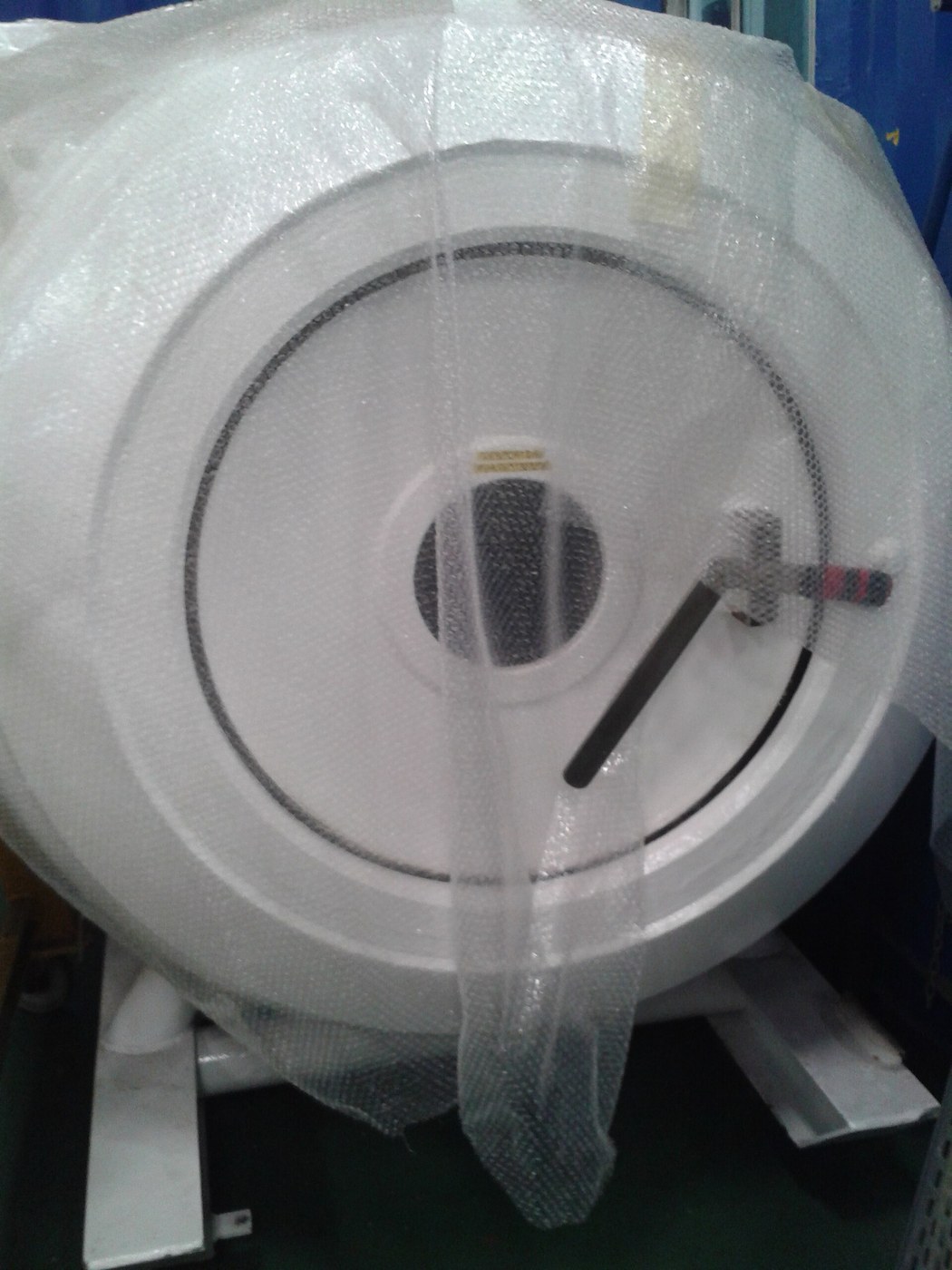
- یک ظرف تحت فشار سخت و شفاف بردارید که درونش مایعی گازدار و دربسته است که شروع به حباب زدن کرده.
- فشار بیرونی را با کمپرسور بالا ببرید و حبابها را تماشا کنید.
- فشار را نگه دارید، سپس آن را آهسته و مرحلهبهمرحله آزاد کنید.
بالا بردن فشار حبابها را کوچک میکند و دوباره حل میکند؛ آزاد کردن آهستهی آن اجازه میدهد گاز بدون تشکیل دوبارهی حباب خارج شود. این دقیقاً همان کاری است که محفظهی بازفشردهسازی با غواص مبتلا میکند: او را دوباره زیر فشار میبرد، حبابها را حل میکند، و سپس با برنامهای آنقدر آهسته بالا میآورد که گاز از راه ریهها خارج شود نه اینکه دوباره حباب بسازد.
در درمان اکسیژن داده میشود چون دو کار را همزمان انجام میدهد: نیتروژنِ مخلوط تنفسی را جایگزین میکند تا شیب خروج گاز از بافت تندتر شود، و اکسیژنِ رسیده به بافتهایی را که حبابها از خون محرومشان کردهاند افزایش میدهد.
سهم خود هالدین در اینجا به همان اندازه که فیزیولوژیک بود، سازمانی هم بود. او جدول ساخت: برنامهای که هر سرپرست غواصی بدون فهمیدن ریاضیاتش میتوانست دنبال کند. تبدیل یک مدل فیزیولوژیک به کارتی چاپی که کارگری بتواند به کار ببرد، همان چیزی بود که واقعاً جلوی مرگها را گرفت، و یادآوری است که آنچه تحویل داده میشود کمتر خودِ نظریه است.مواد مورد نیاز این مرحله:
آب گازدار (بطری دربسته)1 بطری مخزن فشار شفاف (دارای گواهی)1 قطعه
ابزارهای مورد نیاز:
 کمپرسور هوای ۳۰ گالنی
 فشارسنجگوشی هوشمند با فیلمبرداری آهسته
 سپر صورتعینک ایمنی شفاف
نارکوز و مسمومیت با اکسیژن: دو حد دیگر
نارکوز و مسمومیت با اکسیژن: دو حد دیگر
کاهش فشار تنها کاری نیست که عمق با غواص میکند، و دو حد دیگر بیخبر میرسند.
- فشار جزئی نیتروژن را در عمق ۳۰، ۴۰ و ۶۰ متر حساب کنید.
- فشار جزئی اکسیژن را در همان عمقها با تنفس هوا حساب کنید.
- جایی را که هر کدام از حد پذیرفتهشدهاش میگذرد علامت بزنید.
نارکوز نیتروژن از حدود ۳۰ متر محسوس میشود و با عمق بدتر میشود؛ این یک اثر بیهوشکننده است، و خطرش این است که قضاوتِ آسیبدیده نمیتواند خودش را ارزیابی کند. غواصان از احساس سرخوشی کاذب در حین انجام کاری احمقانه میگویند.
حد کاری پذیرفتهشده برای اکسیژن فشار جزئی ۱٫۴ بار است (حداکثر ۱٫۶ بار، برای توقفهای کاهش فشار)؛ با هوا ۱٫۴ بار در حدود ۵۷ متری به دست میآید، و نخستین نشانهی مسمومیت با اکسیژن میتواند تشنج باشد. تشنج زیر آب با قطعهی دهانی در دهان معمولاً کشنده است، هر اندازه گاز که باقی مانده باشد.
هر دو با تغییر مخلوط حل میشوند نه با تغییر برنامه: هلیوم جای نیتروژن را میگیرد تا نارکوز کاهش یابد، و سهم اکسیژن برای کار در عمق کاهش داده میشود تا فشار جزئیاش قابل تحمل بماند. تریمیکسِ غوصهای بسیار عمیق ممکن است در سطح کماکسیژن باشد: شما را روی قایق زنده نگه نمیدارد و فقط در عمق قابل تنفس میشود.
این قیدی واقعاً عجیب در طراحی است و ارزش تأمل دارد: گاز فقط درون یک بازهی عمق ایمن است و بالاتر و پایینترِ آن خطرناک. درست کنار آمدن با آن دلیل این است که غواصی عمیق با گاز مخلوط حرفه است نه سرگرمی.ابزارهای مورد نیاز:
رایانهٔ رومیزیمواد
2- 3 بطریجایگزین
- جایگزین
نقشههای مرتبط
این نقشهها دانش مشترکی دارند — تکنیکها، مواد یا اصول


CC0 مالکیت عمومی
این نقشه تحت مجوز CC0 منتشر شده است. شما آزاد هستید آن را کپی، ویرایش، توزیع و برای هر هدفی بدون نیاز به اجازه استفاده کنید.
با خرید محصولات از طریق نقشه از سازنده حمایت کنید و او کمیسیون سازنده تعیین شده توسط فروشندگان، دریافت میکند یا یک نسخه جدید از این نقشه ایجاد کنید و آن را به عنوان اتصال در نقشه خود قرار دهید تا درآمد به اشتراک گذاشته شود.